French Bulldog Colors: Complete List With Pictures, AKC Status and Health Risks


French Bulldogs come in far more appearances than the familiar fawn dog with a black mask. You may see cream, brindle, pied, blue, lilac, Isabella, merle and many other names used by owners and breeders.
The confusing part is that these names do not all describe the same thing. Some are base colors, some are patterns or markings, and others are informal marketing terms. This guide will help you identify the differences, understand AKC breed-standard status and put health ahead of color when choosing a Frenchie.
French Bulldog colors accepted under the current AKC/FBDCA breed standard are white, cream, fawn—from light fawn through red fawn—and combinations of those colors. Accepted patterns and markings include brindle, piebald, black masks, black shading, and white markings; ticking is acceptable but not desired. Blue, blue fawn, liver, merle, solid black without a trace of brindle, black and tan, and other unlisted colors, patterns, or markings are disqualifying for AKC conformation.
Use these distinctions when comparing Frenchie coats:
- Color describes the coat’s visible pigment.
- Pattern describes how pigment or white spotting is distributed.
- Fluffy describes coat length, not color.
- Rare and exotic are marketing terms, not official breed classifications.
What Colors Do French Bulldogs Come In?
French Bulldogs come in the AKC-accepted base colors white, cream and fawn, including shades from light fawn to red fawn and combinations of those colors. Brindle and piebald are accepted patterns rather than separate base colors, while black masks, black shading and white markings are accepted markings.
AKC-Recognized Colors and Patterns
- Fawn: Light tan through deeper red fawn, with or without a black mask or white markings.
- Cream: A pale, warm ivory coat that may look almost white in bright light.
- White: A predominantly white coat, sometimes combined with accepted fawn or brindle areas.
- Brindle: Black striping over a fawn background, ranging from light streaking to very dark black brindle.
- Pied or piebald: A mostly white coat with clearly defined patches of an accepted color or pattern.
Common Nonstandard and Rare Colors
Colors and patterns commonly marketed as rare or exotic include blue, blue fawn, chocolate or liver, lilac, Isabella, solid black, black and tan, and merle. These appearances are not accepted for AKC conformation. Platinum is a marketing label rather than an official color, and fluffy describes coat length—not color.
Health Considerations by Color
Coat color alone does not determine a French Bulldog’s overall health. However, some dilute dogs may develop color dilution alopecia, merle-to-merle breeding raises the risk of hearing and vision abnormalities, and reduced pigment around the inner ear can be associated with congenital deafness. Breed-wide breathing, spine, skin, eye and joint health still matter for Frenchies of every color.
Get Weekly Dog Care Tips Free
Join 10,000+ dog owners. Vet-approved advice every week
🔒 No spam. Unsubscribe anytime.
French Bulldog Color Chart
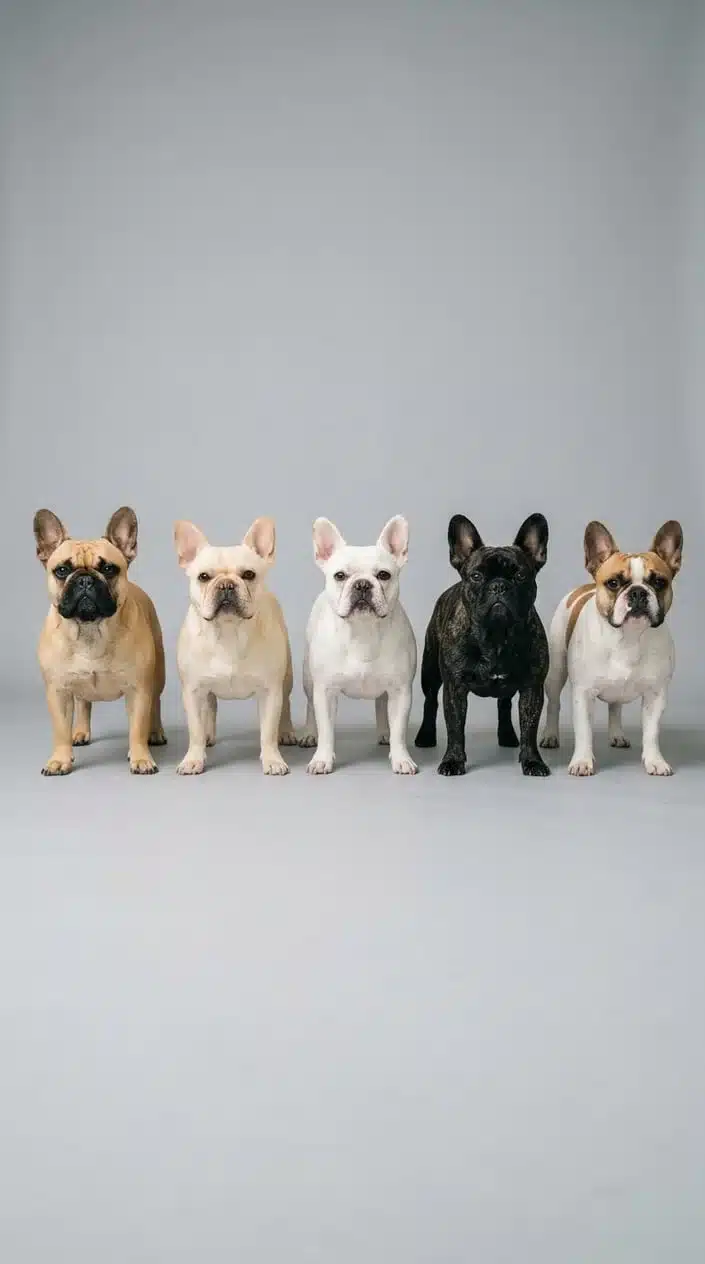
This quick chart separates the terms that are often mixed together. “Standard status” refers to appearance under the AKC breed standard, not whether an individual dog can be registered.
| Name | Type | Typical Appearance | AKC Breed-Standard Status |
|---|---|---|---|
| Fawn | Base color | Light tan to deeper reddish fawn | Standard |
| Cream | Base color | Warm ivory or pale cream | Standard |
| White | Base appearance | Predominantly white coat | Standard |
| Brindle | Pattern | Dark coat with lighter streaks | Standard |
| Pied or piebald | Pattern | White coat with colored patches | Standard when made from accepted colors |
| Black mask | Marking | Dark pigment around the muzzle and face | Standard marking |
| Blue | Dilute color | Gray or slate appearance | Nonstandard/disqualifying |
| Chocolate or liver | Brown pigment color | Brown coat, often with brown nose pigment | Nonstandard/disqualifying |
| Lilac | Marketed dilute combination | Pale taupe, lavender-gray or dusty brown | Nonstandard |
| Isabella | Marketed dilute brown shade | Pale beige-gray or muted taupe | Nonstandard |
| Merle | Pattern | Mottled patches of diluted and full pigment | Disqualifying |
| Fluffy | Coat type | Longer hair around the ears, chest and body | Not a color; long coats do not fit the standard coat description |
Color vs. Pattern vs. Marking vs. Coat Type
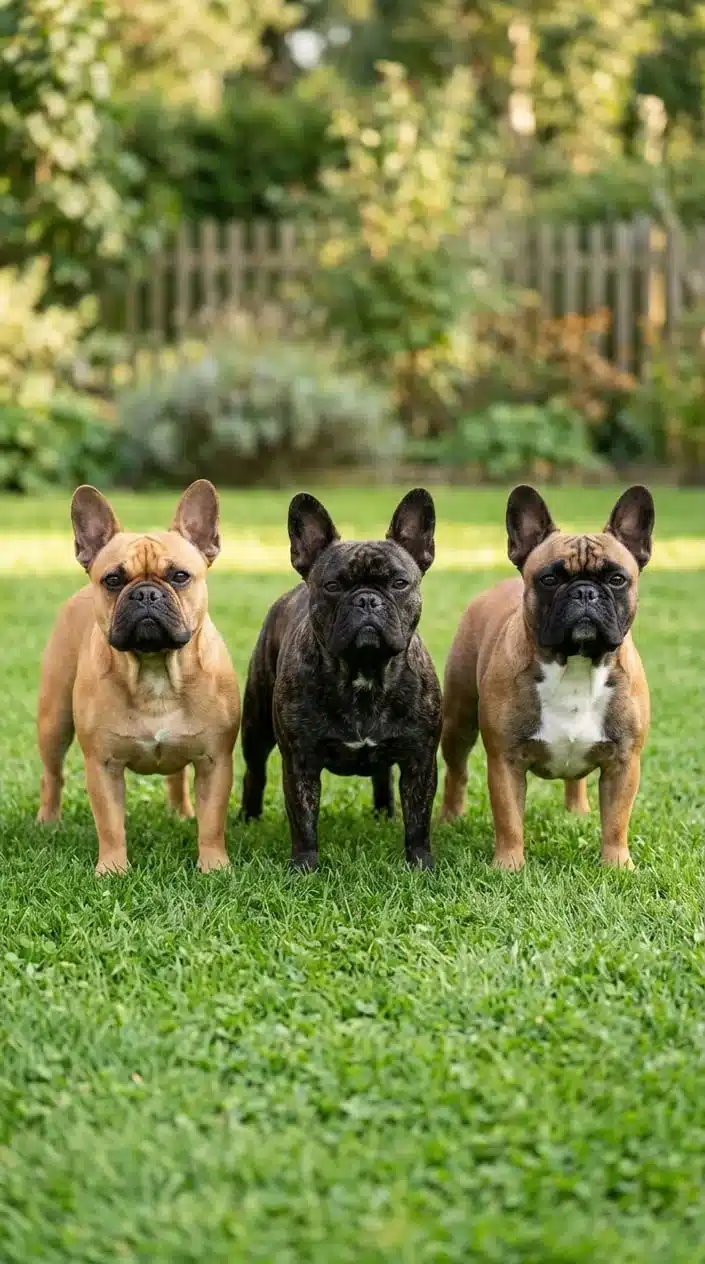
A base color is the main pigment you see across much of the coat. Fawn and cream are examples. A pattern controls how colors are arranged, which is why brindle, pied and merle should not be treated as base colors.
A marking is a smaller, distinct feature such as a black mask, white chest marking or tan points. Coat type describes the length and texture of the hair. A fluffy Frenchie can therefore be fawn, cream, blue or another color—the word “fluffy” does not identify its color.
| Classification | Examples | What It Describes |
|---|---|---|
| Base color | Fawn, cream, white, blue, chocolate | The main visible pigment or overall color |
| Pattern | Brindle, pied, merle, sable | How pigment is distributed through the coat |
| Marking | Black mask, white markings, tan points | A localized feature layered over the color or pattern |
| Coat type | Standard short coat, fluffy or long coat | Hair length and texture |
| Marketing term | Rare, exotic, platinum, new shade, Rojo | An informal label that may vary between sellers |
What Colors Are Accepted by the AKC?
Accepted colors, registration codes, and conformation eligibility are related but separate issues. The AKC French Bulldog colors reference explains these distinctions in detail.
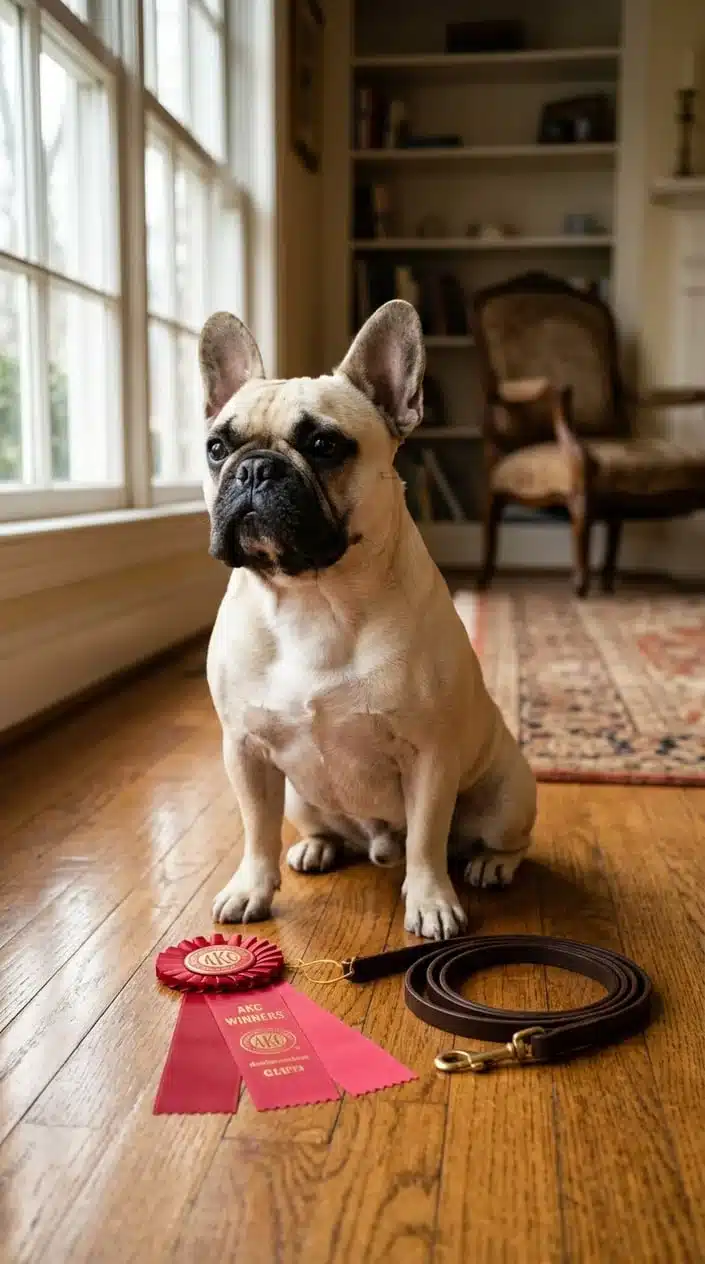
The official AKC French Bulldog standard accepts white, cream, fawn in shades ranging from light fawn to red fawn, and combinations of these colors. It also permits specified patterns and markings, including brindle, piebald, black masks, black shadings and white markings.
Accepted Base Colors
- White
- Cream
- Fawn, from light fawn through red fawn
- Combinations of accepted colors
Accepted Patterns and Markings
Brindle and piebald are familiar standard patterns. A black mask, black shading and white markings may also appear on otherwise accepted coats. The exact combination matters, so a pattern does not automatically make every underlying color standard.
Disqualifying Colors and Patterns
The AKC standard disqualifies solid black, black and tan, black and white, white with black, blue, blue fawn, liver and merle. “Solid black” means black without a trace of brindle, so a very dark black-brindle dog should not automatically be labeled solid black.
AKC Registration vs. Conformation Eligibility
AKC registration and compliance with the breed standard are different questions. A purebred dog with a disqualifying color may still be eligible for registration when the registration requirements are met, but that does not make the color acceptable for conformation competition. The AKC conformation FAQ explains that a disqualification does not necessarily prevent registration.
| Question | What It Means |
|---|---|
| Can the dog be AKC registered? | Registration records ancestry and eligibility under AKC rules. |
| Does the color meet the breed standard? | The appearance fits the accepted colors, patterns and markings. |
| Can the dog compete in conformation? | A disqualifying color or pattern prevents normal conformation eligibility. |
| Does registration prove health or breeding quality? | No. Registration is not a health certificate or guarantee of responsible breeding. |
Standard French Bulldog Colors Explained
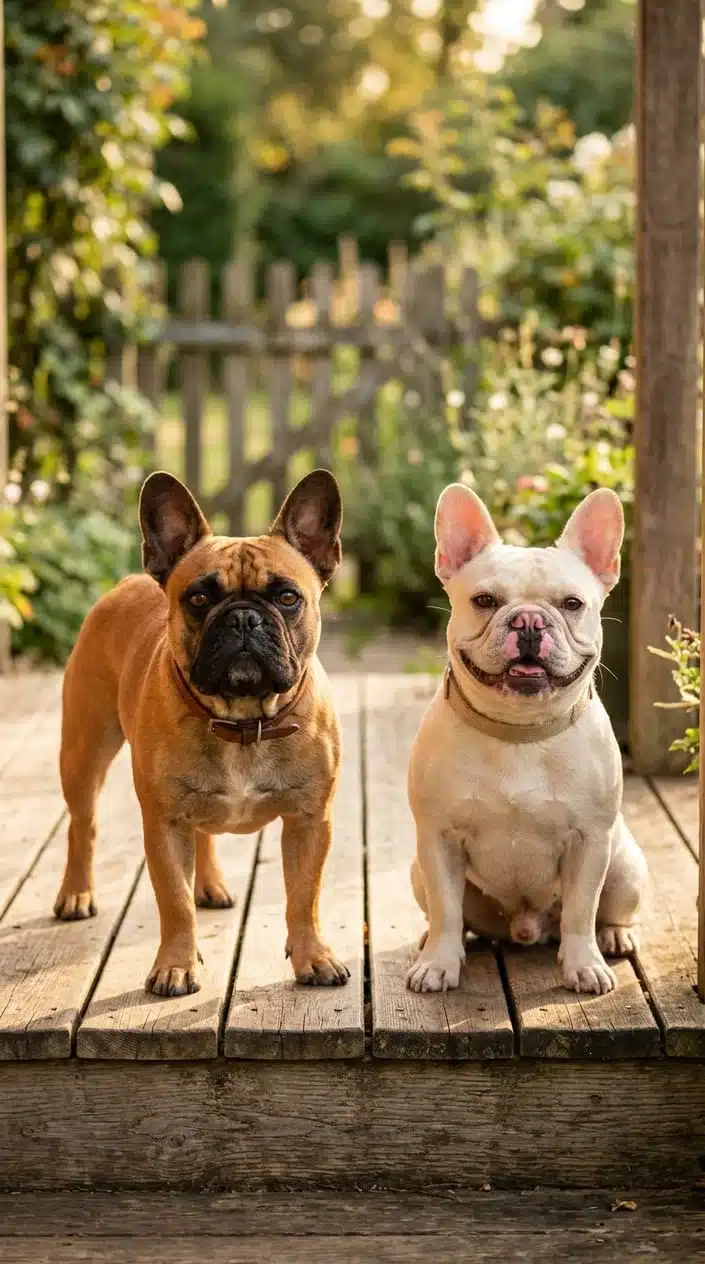
Fawn French Bulldog
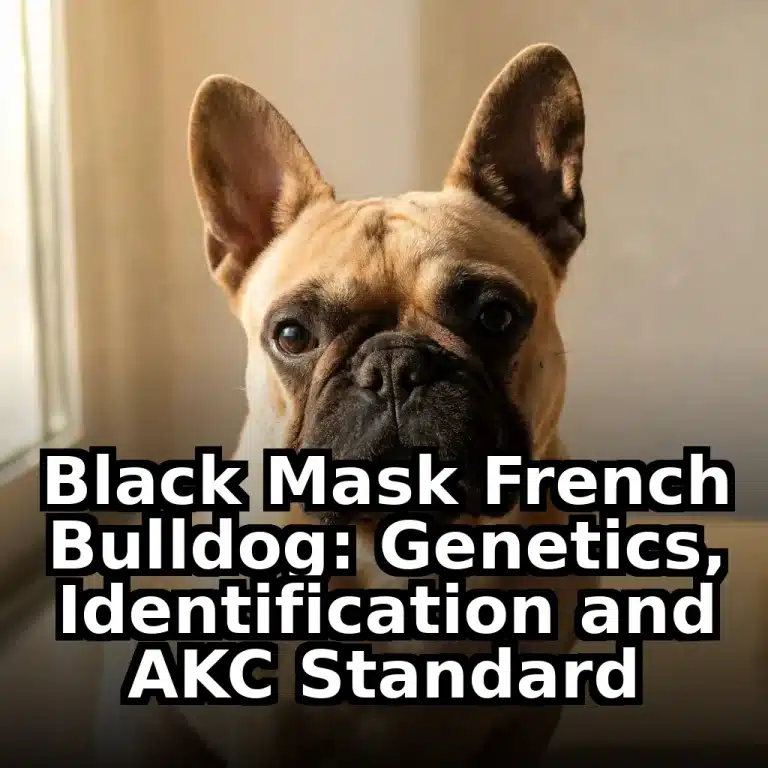
Fawn French Bulldogs range from a light tan or café-au-lait shade to a richer red fawn. A fawn Frenchie may also have a black mask, darker shading around the ears, or white markings on the chest and face.
Blue fawn is different. It usually describes a fawn dog whose dark pigment has been diluted to gray, including the mask or nose pigment, and it is not an accepted breed-standard color.
Cream French Bulldog
Cream French Bulldogs usually have a warm ivory or off-white coat that appears fairly even across the body. Cream should not be confused with an extremely pale fawn, although photographs and indoor lighting can make the distinction difficult.
Nose, lip and eye-rim pigment can help with identification. A seller’s label alone is not enough to confirm the dog’s genetic color.
White French Bulldog
A white French Bulldog appears predominantly white and may have small accepted markings. White dogs should not automatically be called albino; albinism involves a broader lack of pigment and is not diagnosed by coat color alone.
Owners of mostly white dogs should be attentive to hearing, sun exposure and skin changes, while remembering that appearance by itself does not diagnose a medical problem.
Brindle French Bulldog
The brindle French Bulldog pattern produces lighter streaks through a darker coat. The streaking may be obvious, fine or so sparse that the dog looks almost black until viewed in bright natural light.
This is why black brindle and solid black are frequently confused. Look closely along the shoulders, sides and legs for fawn or reddish hairs before identifying a Frenchie as solid black.
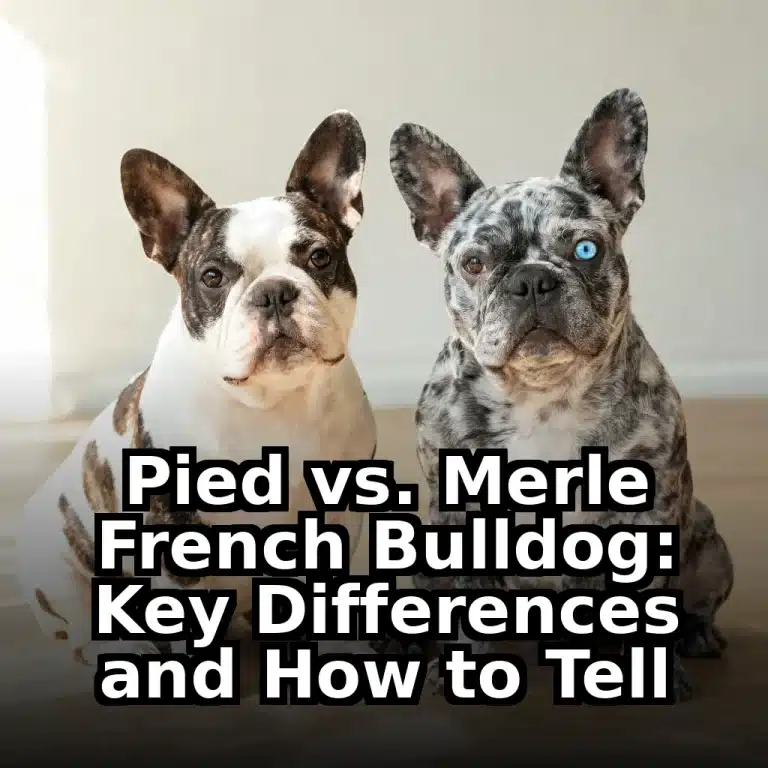
Pied French Bulldog
A pied French Bulldog, also called piebald, has a predominantly white coat with clearly defined colored patches. The patches may be fawn, brindle or another color, but AKC status depends on whether the colors in the combination are accepted.
A mostly white Frenchie with a patch over one eye may be pied, but the amount and placement of white can vary widely. Pied is a pattern, not a standalone base color.
Nonstandard and Marketed “Rare” French Bulldog Colors

“Rare” and “exotic” are not scientific classifications or official AKC categories. They are often used to market colors outside the breed standard, and rarity can be difficult to verify without reliable population data.
A high price, unusual coat or color-DNA result does not prove that a puppy was bred responsibly. Ask for independently verifiable health testing, pedigree information, veterinary records and a clear contract before discussing color premiums.
Blue French Bulldog
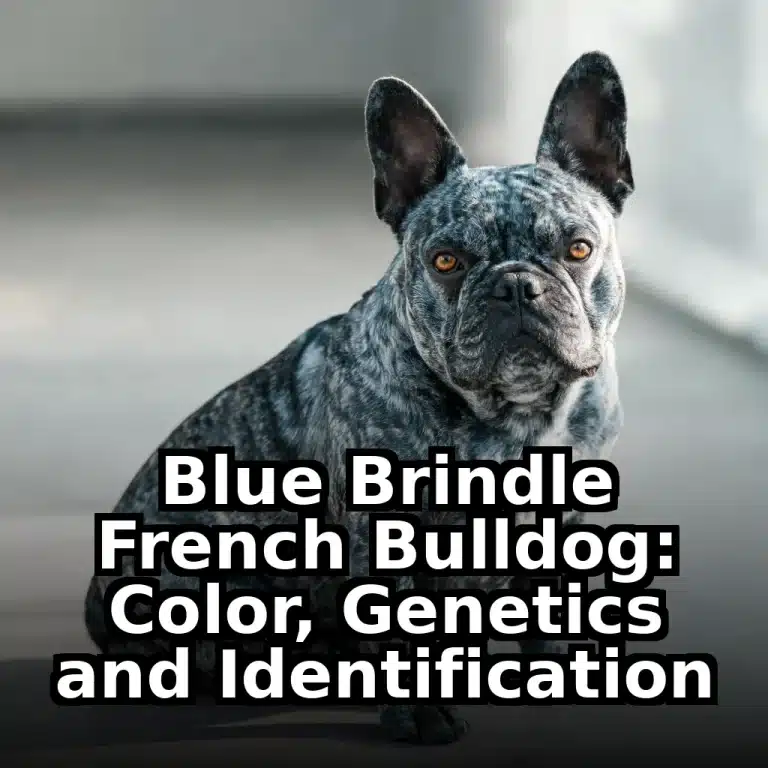
A blue French Bulldog has diluted black pigment that looks gray, slate or steel blue, while related coats such as blue fawn and blue brindle combine dilution with a fawn base or brindle striping. Dilution may also affect the nose, lips and eye rims, and blue is disqualifying under the current AKC standard.
Some dilute dogs develop color dilution alopecia, but it is inaccurate to say every blue Frenchie will have the condition. Coat thinning, dry skin or recurrent irritation should be evaluated by a veterinarian rather than blamed on color without an examination.
Chocolate French Bulldog
A chocolate French Bulldog, also described as liver, has brown eumelanin rather than black pigment. The nose and eye rims may also be brown, although shade and terminology vary.
“Cocoa” and “Rojo” may be used for particular brown appearances or genetic results. These labels are not accepted breed-standard classifications, and their use is not consistent across breeders.
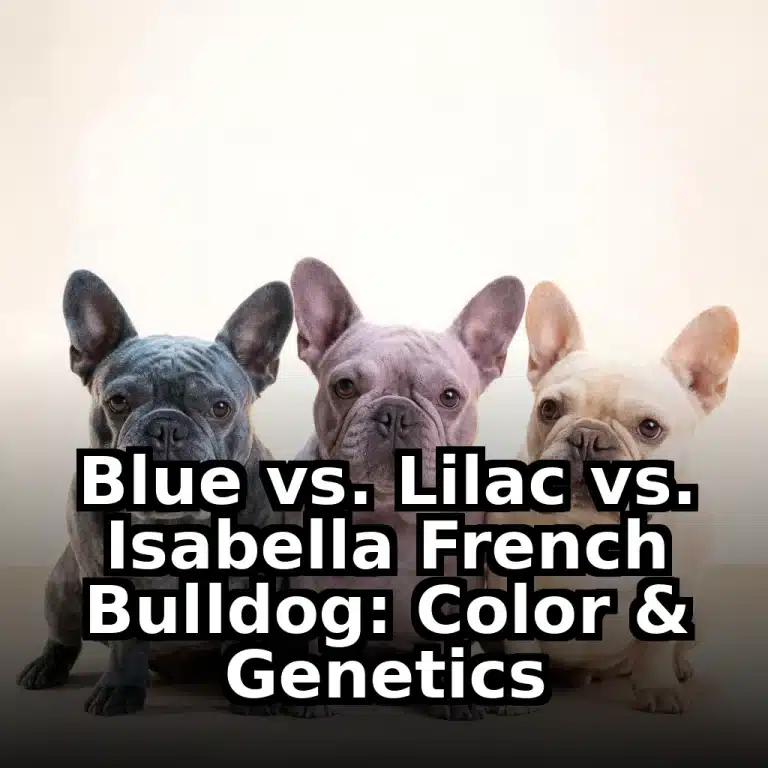
Lilac French Bulldog
A lilac French Bulldog generally shows both brown-related and dilution traits, producing a pale taupe, lavender-gray or dusty brown appearance. Lighting can make the same coat look warmer or cooler in different photographs.
Lilac is a commonly marketed term rather than an AKC standard color. Genetic testing can provide more information than appearance alone, but it does not assess the dog’s complete health.
Isabella French Bulldog
An Isabella French Bulldog is often described as a very pale diluted brown shade that may look beige-gray, muted taupe or light caramel. The exact way breeders distinguish Isabella from lilac is not always consistent.
If the difference matters, request the actual laboratory results and ask which tested variants support the label. Do not rely on a filtered puppy photo or a higher price as proof.
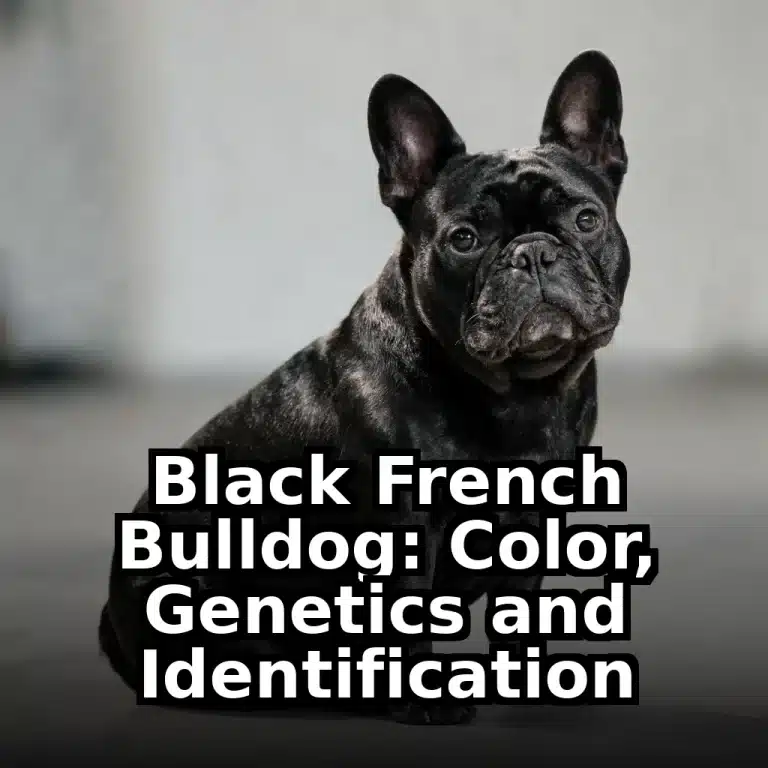
Solid Black French Bulldog
A true solid-black French Bulldog shows no visible brindle hairs. Because heavy brindling can look black from a distance, examine the coat in natural light before deciding which description fits.
Solid black is disqualifying under the AKC standard, while black brindle is an accepted appearance.
Black and Tan French Bulldog
Black and tan Frenchies have a black base with defined tan-point markings, often above the eyes, on the cheeks, chest and lower legs. This combination is nonstandard and should not be confused with a fawn dog that has black shading.
Merle French Bulldog
A merle French Bulldog has a mottled pattern that creates irregular patches of full and diluted pigment. Merle can occur over different base colors, which is why names such as blue merle or lilac merle combine a color with a pattern.
Merle is disqualifying in the AKC French Bulldog standard. Pairing two merle dogs can produce puppies with two copies of the merle variant, increasing the risk of serious hearing and vision abnormalities. Responsible breeding should avoid merle-to-merle matings.
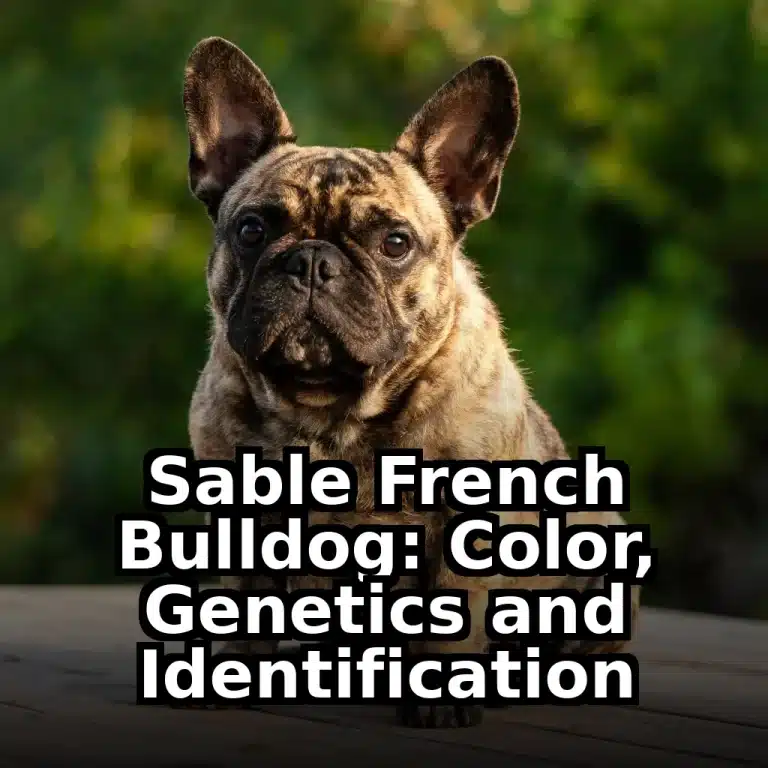
Sable French Bulldog
A sable French Bulldog usually has fawn or reddish hairs with darker tips, creating an overlay that may be strongest along the back and ears. This appearance can be confused with black shading or a lightly brindled coat.
Because the term is applied inconsistently, identify the base color and visible pattern instead of assuming “sable” tells the complete story.
Platinum and Other Marketing Terms
A platinum French Bulldog is generally described as a very pale, cream-looking dog that carries or expresses additional nonstandard color traits. “New shade,” “exotic” and similar terms may describe a breeder’s preferred genetic combination, but they are not official breed-standard categories.
Ask for plain-language explanations and the underlying test results. A complicated name should never distract from breathing, spine, eyes, knees, skin, temperament and the health of the parents.
French Bulldog Colors That Are Commonly Confused
| Common Mix-Up | What to Check |
|---|---|
| White vs. cream | Cream usually has a warmer ivory cast; compare in indirect natural light. |
| Fawn vs. red fawn | Red fawn sits at the deeper, warmer end of the accepted fawn range. |
| Solid black vs. black brindle | Look for even a small trace of lighter brindle hairs. |
| Blue vs. lilac | Blue dilutes black pigment; lilac commonly combines brown-related pigment with dilution. |
| Lilac vs. Isabella | Marketing usage varies; laboratory results are more reliable than photos. |
| Pied vs. mostly white | Pied describes defined colored patches over a predominantly white coat. |
| Brindle vs. sable | Brindle forms streaks; sable more often creates dark-tipped hairs or an overlay. |
| Merle vs. pied | Merle is mottled within pigmented areas; pied creates larger white areas and colored patches. |
Camera filters, white balance, shadows and screen settings can change how a coat looks. Puppy coats also develop as the dog grows, so a single sales photograph should not be treated as definitive identification.
French Bulldog Color and Pattern Comparisons
When two labels seem to fit the same dog, use the comparison that matches the exact identification question:
- Pied vs. White French Bulldog
- Pied vs. Merle French Bulldog
- Pied vs. Brindle French Bulldog
- Brindle Pied vs. Fawn Pied French Bulldog
- Pied vs. Ticking in French Bulldogs
- Black Pied vs. Brindle Pied French Bulldog
- Pied vs. Cream French Bulldog
- Piebald vs. Pied French Bulldog
- Blue vs. Lilac vs. Isabella French Bulldog
How French Bulldog Color Genetics Work
The Two Main Pigment Types
Dog coat colors begin with two main pigments. Eumelanin produces black-based pigment and can be modified into brown or diluted shades. Phaeomelanin produces red-to-yellow pigment, creating shades such as fawn and cream.
Other genes influence where these pigments appear, whether they are diluted and which patterns or markings are visible.
Dominant, Recessive and Carried Traits
A dominant variant may affect appearance when a dog inherits one copy. A recessive trait usually needs a relevant copy from both parents before it is visibly expressed.
This means a Frenchie can carry a color-related variant without showing that color. Two dogs that look similar may also have different underlying genotypes.
What Coat-Color DNA Tests Can Tell You
A French Bulldog DNA color test can report selected variants associated with brown pigment, dilution, agouti patterns, dominant black and other coat traits. The UC Davis Veterinary Genetics Laboratory French Bulldog panel shows how several relevant loci may be evaluated.
What Color DNA Tests Cannot Tell You
A color panel cannot certify overall health, breathing quality, spinal structure, temperament or responsible breeding. It may also not explain every visible shade because laboratories test known variants, while appearance can be influenced by multiple genes and subjective labels.
Ask separately for breed-relevant health screening and veterinary records. A long color report does not replace evaluation of the parents’ airways, spine, knees, eyes, heart and general health.
Does Coat Color Affect a French Bulldog’s Health?
Coat color can matter in particular genetic situations, but it should not become a shortcut for declaring every dog of one color healthy or unhealthy. French Bulldogs of all colors can develop breed-wide breathing, spinal, skin, eye and joint problems.
Color Dilution Alopecia
VCA Animal Hospitals explains that color dilution alopecia can affect some dogs with dilute pigmentation. Signs may include thinning hair, broken hairs, dry skin and secondary skin problems, often in the diluted areas.
Not every blue or dilute Frenchie develops it. A veterinarian should rule out parasites, allergies, hormonal disease and infection before reaching a diagnosis.
Merle-Related Hearing and Vision Concerns
The greatest concern is breeding merle to merle. Puppies inheriting two merle copies have a higher risk of impaired hearing, impaired vision and abnormal eye development.
A responsible breeder should know the merle status of both parents and avoid producing double-merle puppies. Visual appearance alone may not reveal every merle carrier clearly.
White and Pied Coats and Hearing
Reduced pigment around the inner ear is associated with congenital deafness in some dogs. A white or pied coat does not prove a Frenchie is deaf, but puppies from higher-risk pigment patterns can be evaluated with a BAER hearing test.
Breed-Wide Health Matters More Than Color
Breathing ability, open nostrils, body condition, spinal health, eye health and sound movement deserve more attention than fashionable color. Skin trouble can also have many causes; our French Bulldog allergies guide explains why recurring itching should not automatically be blamed on coat color.
Patchy hair loss, persistent itching, sores, odor, scaling or recurrent infections need a proper examination. Color may be relevant, but it is only one part of the diagnostic picture.
Does Color Affect a French Bulldog’s Personality?
There is no reliable reason to expect a blue, cream, merle or brindle Frenchie to have a particular personality solely because of coat color. Temperament is shaped by wider genetics, early handling, socialization, training, environment and physical comfort.
Claims such as “lilacs are calmer” or “brindles are more energetic” are anecdotes, not dependable rules. Meet the dog and its parents when possible, and ask how the puppy has been raised.
Do French Bulldog Puppies Change Color?
A Frenchie’s basic genetic color does not transform into an unrelated color, but its visible shade and pattern can change as the puppy coat matures. Brindle streaks may become easier to see, a black mask may soften, and fawn or cream can look lighter or deeper with age.
Eye color also commonly changes during puppyhood. Seasonal coat changes, sun exposure, nutrition and photography can affect appearance, so adult color should not be promised from a heavily edited newborn photo.
How to Identify Your French Bulldog’s Color
- Examine the coat in natural light. Avoid strong sunlight, colored indoor lighting and photo filters.
- Identify the main pigment. Decide whether the base looks fawn, cream, white, black-based, brown-based or dilute.
- Look for a pattern. Check for brindle streaks, pied patches, merle mottling or sable-tipped hairs.
- Record the markings. Note a black mask, white chest, tan points or other localized features.
- Check pigment beyond the hair. Nose, lip, eye-rim and paw-pad pigment may help distinguish black-based, brown-based and dilute appearances.
- Review reliable records. Compare the pedigree, registration documents and parents’ information rather than relying only on the seller’s label.
- Use a reputable DNA laboratory when needed. Testing can clarify selected known variants, although it cannot replace health screening.
How to Choose a French Bulldog Without Putting Color Before Health
An unusual coat can be appealing, but your Frenchie must live comfortably inside that coat. Start with the breeder’s health practices, the parents’ structure and the conditions in which the puppies are raised.
- Ask which breed-relevant health tests were completed on both parents.
- Request results that can be independently verified rather than screenshots alone.
- Ask about breathing, exercise tolerance, spine, knees, eyes, heart and previous litters.
- Confirm that a merle dog was not bred to another merle dog.
- Check whether the breeder discusses health and temperament as thoroughly as color.
- Be cautious when “rare,” “micro” or “exotic” labels are used to justify an extreme price.
- Request pedigree, registration, veterinary and contract information before paying a deposit.
- Avoid unsupported guarantees about adult coat shade, eye color or future health.
- Meet the puppy and mother in person or through a trustworthy live viewing when possible.
A breeder who asks questions about your home and explains lifetime care is usually offering more useful information than one who focuses the conversation on DNA letters and color pricing.
French Bulldog Color Myths
Rare Color Means Better Quality
Rarity does not measure breathing, structure, temperament or health. It only describes how uncommon an appearance is claimed to be.
A Higher Price Means Healthier Breeding
Price is not proof of responsible breeding. Verify health testing and living conditions instead of treating cost as a quality score.
All Blue Frenchies Develop Alopecia
Some dilute dogs develop color dilution alopecia, but not every blue dog does. Hair loss needs veterinary evaluation because several conditions can look similar.
Merle Is a Base Color
Merle is a pigment pattern laid over a base color. That is why terms such as blue merle combine two different coat features.
Fluffy Is a Color
Fluffy describes longer hair. A fluffy French Bulldog can display many colors and patterns.
AKC Registered Means Breed-Standard Color
A dog may be registrable while displaying a disqualifying color. Registration does not mean every physical trait meets the conformation standard.
Coat Color Determines Personality
Color is not a dependable predictor of temperament. Breeding, socialization, training, environment and health have far more practical value.
Frequently Asked Questions
What Is the Most Common French Bulldog Color?
Fawn and brindle are among the most familiar and widely seen French Bulldog appearances. Exact population rankings are difficult to prove because no complete public database records every living Frenchie by color.
What Is the Rarest French Bulldog Color?
There is no authoritative worldwide ranking of the rarest color. Isabella, lilac and particular combinations are often marketed as rare, but breeder advertising should not be mistaken for verified population data.
What Colors Are Accepted by the AKC?
The standard accepts white, cream, shades of fawn and their combinations, together with specified patterns and markings such as brindle, piebald, black masks, black shading and white markings.
Can a Blue French Bulldog Be AKC Registered?
A disqualifying color does not necessarily prevent AKC registration if the dog otherwise meets registration requirements. However, blue remains a disqualifying color for conformation under the breed standard.
Is Merle a French Bulldog Color or Pattern?
Merle is a pattern that creates mottled areas of diluted and full pigment. It can appear with different base colors and is disqualifying under the AKC French Bulldog standard.
What Is the Difference Between Lilac and Isabella?
Both labels commonly describe pale diluted brown-related appearances, but their use varies among breeders. Actual DNA results are more informative than shade names or photographs when a precise distinction matters.
Is a Fluffy French Bulldog a Color Variation?
No. Fluffy describes a longer coat caused by inherited coat-length traits. A fluffy Frenchie may be fawn, cream, blue, merle or another color or pattern.
Do French Bulldog Puppies Change Color?
The underlying genetic color remains, but visible shade, brindling, masks and eye color can develop as a puppy matures. Lighting and photography can also make the same dog look different.
Are Rare-Colored French Bulldogs Less Healthy?
An unusual color alone cannot predict the health of an individual dog. Particular genetics can carry specific risks, but breed-wide health screening and responsible breeding matter more than a fashionable label.
How Can I Identify My Frenchie’s Color?
View the coat in natural light, identify its base pigment, then note patterns and markings. Review pedigree information and use a reputable laboratory if genetic confirmation is genuinely important.
Final Thoughts
French Bulldog colors are easier to understand once you separate base color, pattern, marking and coat type. Fawn, cream, white, brindle and pied belong to the traditional breed-standard picture, while blue, lilac, Isabella, merle and other names describe nonstandard or marketed appearances.
Whatever color catches your eye, choose health, sound structure, comfortable breathing and responsible breeding first. A beautiful coat is one visible feature; it is not a guarantee of quality, personality or lifelong well-being.