
What Is a Lilac French Bulldog? Genetics, Appearance and Health Explained

A lilac French Bulldog has diluted brown pigment that can make the coat appear taupe, dusty gray-brown, or lavender-gray. The color is often confused with blue or Isabella, so correct identification requires checking the coat, nose, lips, eye rims, paw pads, and—when needed—DNA results.
This guide explains lilac genetics, appearance, patterns, AKC breed-standard status, health considerations, puppy color changes, and responsible breeder selection. It also shows how lilac fits within the broader French Bulldog color system.
What Makes a French Bulldog Lilac?
Lilac is not a separate purple pigment. It is a visual result created when brown eumelanin is diluted, softening the dark pigment in the coat and hairless areas.
That combination matters because dilution alone produces blue-gray pigment. Brown plus dilution produces the warmer gray-brown, taupe, or mauve pigment commonly marketed as lilac.
The final appearance also depends on the dog’s underlying pattern. Fawn, brindle, tan points, merle, and white spotting can all change where lilac pigment appears without changing the basic pigment explanation.
How to Identify a Lilac French Bulldog
Do not identify a lilac Frenchie from one edited puppy photo. Examine the whole pigment system in indirect daylight and compare unfiltered images taken at different ages.
- View the coat in indirect natural daylight.
- Decide whether the overall tone is neutral gray-blue or warmer gray-brown.
- Check the nose for slate-blue, brown, pinkish-brown, or mauve pigment.
- Examine the lips, eye rims, and paw pads for matching diluted pigment.
- Look for a fawn body, brindle striping, tan points, merling, or white spotting.
- Compare photographs from puppyhood and adulthood.
- Use an appropriate DNA color panel when inheritance or classification matters.
- Never infer health, temperament, or purebred status from color alone.
| Feature | Typical Lilac Expression |
|---|---|
| Body coat | Taupe, dusty gray-brown, lavender-gray, or pale mocha |
| Nose | Brown-gray, pinkish-brown, or mauve |
| Lips and eye rims | Diluted warm brown rather than deep black |
| Paw pads | Brown-gray or pinkish-brown |
| Lighting effect | May look cooler indoors and warmer in daylight |
| Eye color | May be light in puppies but can darken with age |
Lilac vs. Blue French Bulldog
A Blue French Bulldog has diluted black eumelanin. A lilac Frenchie has brown eumelanin that is also diluted, so lilac generally appears warmer and more brown-toned.
Free French Bulldog Care Tips Every Week!
Health, feeding, training and Frenchie secrets — straight to your inbox, completely free!
🔒 No spam. Unsubscribe anytime.
| Feature | Lilac French Bulldog | Blue French Bulldog |
|---|---|---|
| Pigment basis | Brown plus dilution | Black plus dilution |
| Coat tone | Taupe or warm gray-brown | Slate, charcoal, or steel gray |
| Nose | Brown-gray or pinkish-brown | Slate or blue-gray |
| Overall undertone | Usually warmer | Usually cooler |
| AKC standard | Nonstandard/disqualifying pigmentation | Blue is explicitly disqualifying |
Compare both with a Black French Bulldog, whose eumelanin remains full strength and produces a truly black nose, eye rims, lips, and coat pigment.
Lilac vs. Isabella French Bulldog
The terms “lilac” and “Isabella” are not used consistently across breeders, owners, registries, and genetic laboratories. Some people treat them as synonyms for diluted brown, while others reserve Isabella for particular brown or cocoa-related combinations.
Because marketing labels vary, a visual description and laboratory results are more useful than the name alone. Ask which brown variants and dilution variants were tested, which laboratory performed the test, and how the visible coat supports the label.
Lilac French Bulldog Patterns and Variations
Lilac Fawn
A lilac fawn Frenchie has a fawn body with diluted brown pigment in areas that might otherwise appear black, including the nose, mask, eye rims, shading, or hair tips. The body can range from pale beige to warmer tan.
Our Fawn French Bulldog guide explains the standard fawn spectrum, while the Sable French Bulldog guide helps distinguish organized dark-tipped shading from simple lighting changes.
Lilac Brindle
Brindle is a stripe pattern, not a separate base color. In a lilac brindle, normally dark brindle stripes are modified by brown and dilution, which can make them faint and difficult to see.
Heavy striping may make the coat look nearly solid, while sparse striping may appear only in sunlight. See the Brindle French Bulldog guide for detailed pattern identification.
Lilac Pied
A lilac pied Frenchie has white spotting with lilac-pigmented patches. The colored patches may also contain brindle, fawn, merle, or tan-point patterning.
White spotting is inherited separately from pigment dilution. Use the Pied French Bulldog guide to assess patch distribution and the White French Bulldog guide when white covers most of the visible coat.
Lilac and Tan
Lilac and tan describes a diluted brown coat with organized tan points, usually above the eyes, on the cheeks, chest, legs, and beneath the tail. Tan-point placement comes from pattern genes and is not created by dilution.
Lilac Merle
Merle creates irregular areas of reduced pigment over an underlying coat. It is a separate trait from lilac and requires its own health and breeding considerations, especially because merle-to-merle breeding can substantially increase risks for hearing and eye abnormalities.
Lilac French Bulldog Genetics Explained
Two major pigment types shape canine coat color. Eumelanin produces dark pigment such as black or brown, while pheomelanin produces red, tan, cream, and fawn tones.
Brown-locus variants change black eumelanin to brown. Variants affecting the D locus and the MLPH gene dilute eumelanin, turning black toward blue and brown toward lilac or Isabella.
The familiar shorthand often describes a visibly dilute dog as having two dilution variants. Modern laboratories may test multiple known variants, and a dog may inherit two copies of one variant or a compound combination.
Other loci help determine whether the diluted brown pigment appears across the body, in brindle stripes, in tan points, in a mask, or only within colored patches. This is why two lilac Frenchies can look very different.
Can DNA Testing Confirm a Lilac French Bulldog?
A suitable panel can identify tested brown and dilution variants and help explain why the dog displays diluted brown pigment. It may also identify genes associated with brindle, fawn, tan points, or white spotting.
| A Color DNA Panel May Help Identify | It Cannot Reliably Determine |
|---|---|
| Tested brown and dilution variants | The exact adult shade from a newborn photo |
| Whether a dog carries tested variants | Whether every relevant variant was included |
| Some pattern and spotting variants | Precise visible pattern distribution |
| Likely color inheritance | Overall health or breeding quality |
| Genetic support for a color label | Future Color Dilution Alopecia |
| Parent-to-puppy transmission possibilities | Temperament, structure, or breed purity |
Do Lilac French Bulldog Puppies Change Color?
The puppy’s genotype does not change, but the visible shade can. Adult hair texture, coat density, sun exposure, seasonal shedding, and lighting can make the coat look lighter, darker, warmer, or cooler.
Faint brindle stripes may become more visible as the coat grows. White markings remain in the same general places but can look smaller as the body develops, and fawn areas may deepen or soften.
Puppy eyes may begin blue-gray and darken as pigment develops. Light puppy eyes do not guarantee permanently blue or green adult eyes, and eye color alone cannot confirm a lilac coat.
AKC Registration vs. Breed-Standard Acceptance
Purebred status, registration, registration color terminology, and conformation eligibility are separate questions. A Frenchie can have pedigree records while displaying a color that does not meet the breed standard.
The current AKC French Bulldog standard accepts brindle, fawn, cream, white, and approved combinations. It disqualifies colors and patterns including mouse, liver, black and tan, black and white, white with black, blue, and merle.
Lilac involves diluted brown or liver-type pigmentation and is not an accepted conformation color. AKC paperwork does not turn that visible pigment into a standard color or certify the seller’s marketing label.
Lilac French Bulldogs and Color Dilution Alopecia
Color Dilution Alopecia, or CDA, is an inherited follicular disorder associated with dilute-colored hair. Possible signs include dry or brittle hair, thinning, patchy hair loss, scaling, folliculitis, and secondary skin infections in diluted areas.
Not every dilute Frenchie develops CDA, and a color-panel result cannot predict it with certainty. Hair loss in a lilac dog can also result from allergies, parasites, bacterial or yeast infection, endocrine disease, friction, or other conditions.
A veterinarian should evaluate new or progressive hair loss. Diagnosis generally involves ruling out more common causes and may require additional testing rather than relying on coat color alone.
Does Lilac Coloring Affect Personality?
There is no sound basis for claiming that lilac Frenchies are more affectionate, calm, intelligent, stubborn, or family-friendly because of their color. Those are breed-wide or individual traits, not effects of diluted pigment.
Temperament is shaped more by ancestry, early socialization, physical health, training, daily experiences, and environment. Choose a puppy for sound health and stable behavior rather than a promised color-based personality.
Are Lilac French Bulldogs Truly Rare?
Lilac requires a particular genetic combination, but recessive inheritance does not automatically prove extreme population rarity. Lilac Frenchies are now widely advertised, and there is no dependable national population database showing exactly how common they are.
Marketplace labels also inflate perceived rarity because blue, lilac, Isabella, lilac fawn, and filtered gray dogs may be grouped together. Treat “rare” as a marketing claim unless the seller provides clear genetic and pedigree context.
How Much Should a Lilac French Bulldog Cost?
A single fixed price quickly becomes outdated. Cost varies with location, age, pedigree, training, veterinary care, health testing, breeder reputation, reproductive rights, and current demand.
A color premium does not prove health, ethical breeding, a particular genotype, or superior quality. Compare documented health practices and lifetime support rather than assuming the highest-priced puppy is the best-bred one.
Choosing a Lilac French Bulldog Responsibly
- Ask for unedited photos in natural daylight.
- Request close-ups of the nose, lips, eye rims, coat, and paw pads.
- Ask for photos from several stages of puppy development.
- Request the original laboratory color report, not a typed summary.
- Confirm which brown, cocoa, dilution, and pattern variants were tested.
- Review breed-relevant health tests for both parents.
- Ask about breathing, spine, joint, eye, cardiac, and skin history.
- Do not accept a color test as a guarantee against CDA.
- Avoid guaranteed permanent blue eyes or personality claims based on color.
- Be cautious with urgency, extreme-rarity claims, or color-first sales pressure.
- Read the contract, health guarantee, return policy, and support terms.
- Have an independent veterinarian examine the puppy promptly.
Frequently Asked Questions
What is a lilac French Bulldog?
A lilac French Bulldog displays diluted brown eumelanin, producing taupe, gray-brown, or lavender-gray pigment. Its nose, lips, eye rims, and paw pads usually carry the same warm diluted tone.
Is lilac the same as blue?
No. Blue is diluted black pigment and usually looks cooler and slate-gray, while lilac is diluted brown pigment and generally looks warmer, taupe, or brown-gray.
Is lilac the same as Isabella?
Terminology varies. Some people use the names interchangeably, while others connect Isabella with specific brown or cocoa combinations, so visual pigment and actual laboratory results are more reliable than the label.
Can a lilac French Bulldog be purebred?
A nonstandard color does not by itself prove mixed ancestry. Purebred status, registration, genetic color, and conformation eligibility are separate issues that require appropriate pedigree and documentation.
Are lilac French Bulldogs AKC recognized?
Lilac is not an accepted color under the current AKC French Bulldog breed standard. Registration paperwork should not be confused with breed-standard approval or conformation eligibility.
Do lilac French Bulldog puppies stay lilac?
Their genotype remains the same, but shade and contrast can change as the adult coat develops. Brindle, fawn, white markings, lighting, and eye-color changes may also affect how the dog appears.
Do all lilac French Bulldogs develop CDA?
No. CDA is associated with dilute hair, but not every dilute dog develops clinical disease, and color DNA cannot reliably predict which individual will be affected.
Can DNA prove a Frenchie is lilac?
A suitable panel can identify tested brown and dilution variants that support the color explanation. Results should be interpreted with visible pigment because laboratories vary and DNA does not predict the precise shade.
Are lilac French Bulldogs more expensive?
They are often marketed at a color premium, but pricing varies widely. A higher price does not prove responsible breeding, correct color identification, better health, or superior temperament.
Conclusion
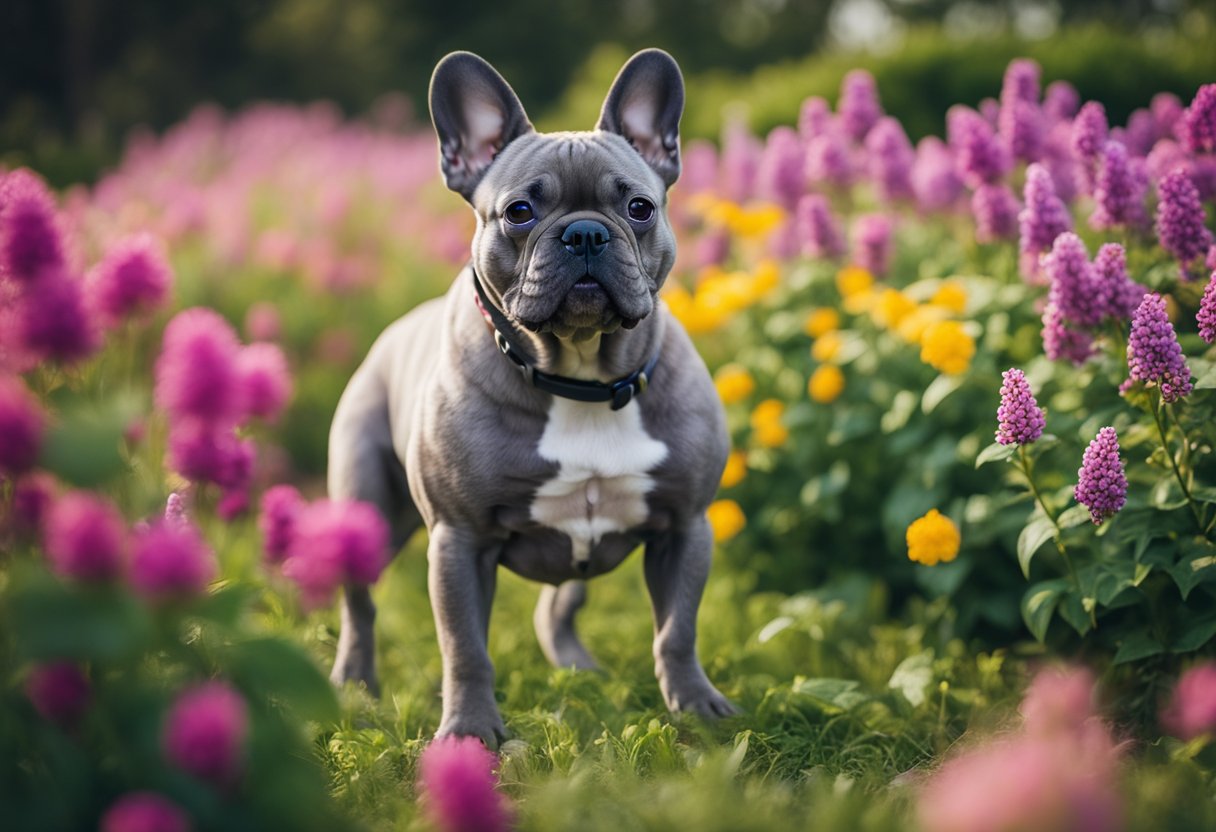
A lilac French Bulldog has diluted brown pigment, but color alone does not determine health, temperament, or breeding quality. Confirm the visible pigment carefully, understand that lilac is outside the current AKC breed standard, and prioritize documented health screening and responsible breeding over rarity claims.



![What Size Crate Does A French Bulldog Need [Discovered]](https://onlyfrenchbulldog.com/wp-content/uploads/2024/06/what-size-crate-does-a-french-bulldog-need-discovered_3133.jpg.webp)
![How Long Does French Bulldogs Live [Uncovered]](https://onlyfrenchbulldog.com/wp-content/uploads/2024/06/how-long-does-french-bulldogs-live-uncovered_3205.jpg.webp)
