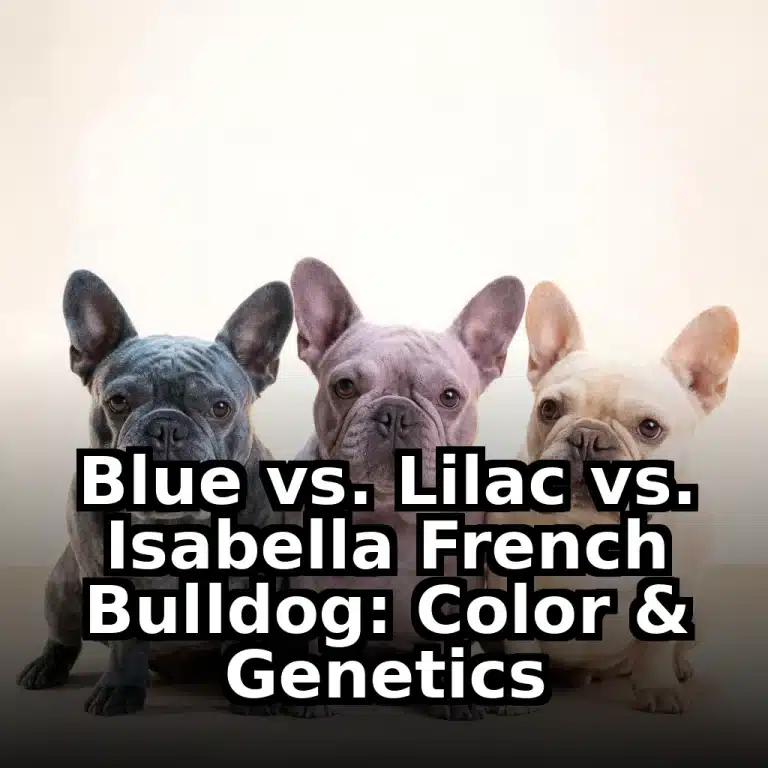
Fawn French Bulldog: Shades, Markings, Genetics and Identification


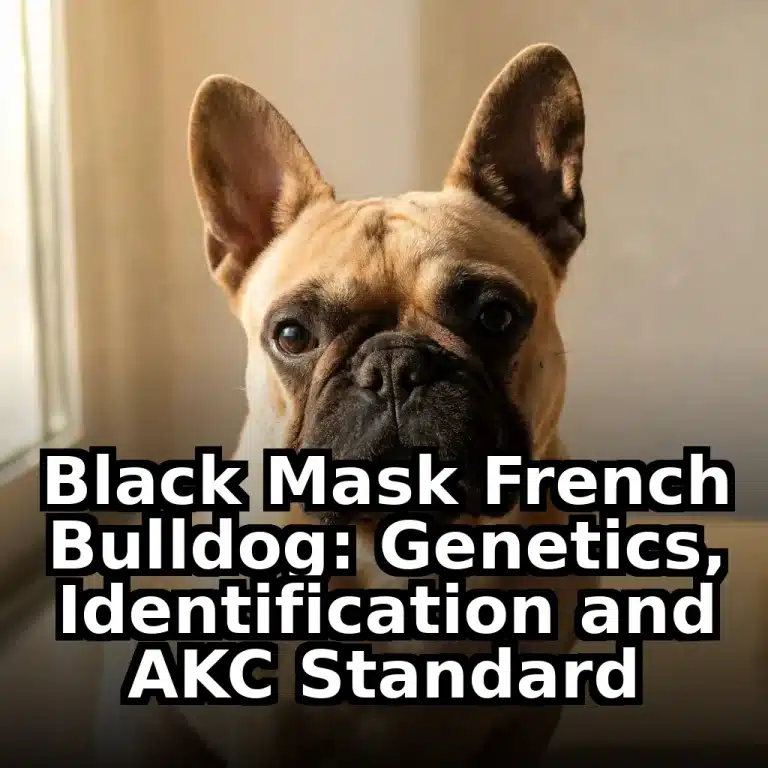
A fawn French Bulldog has a warm coat that can range from pale tan and honey to deep reddish fawn. Some have a distinct black mask, while others have a clear, maskless face.
Fawn is an accepted French Bulldog color, but the word is also used loosely in puppy listings. Learning how to identify the shade, markings, and pigment helps you separate standard fawn from cream, brindle, blue fawn, and other modified colors.
A Fawn French Bulldog has a warm coat ranging from light tan or yellow-beige to deep red fawn. Fawn is an AKC-accepted color, and the coat may include an accepted black mask, black shading, white markings, or pied patterning.
Key identification points:
- The accepted fawn range extends from light fawn through red fawn.
- A black mask is accepted but not required.
- Clear fawn has no visible brindle striping; distinct dark stripes indicate brindle patterning.
- Blue fawn and liver-associated pigment are disqualifying under the breed standard, even when the body looks fawn.
For the wider coat system, compare this appearance with the recognized and marketed variations in our complete guide to French Bulldog colors.
What Is a Fawn French Bulldog?

Fawn describes a range of warm, visibly pigmented coat shades. Depending on the dog, it may look pale tan, yellow-beige, honey, golden, reddish tan, or deep red.
It is not one exact paint-chip color. Two correctly identified fawn Frenchies can look noticeably different while still falling within the accepted range.
Get Weekly Dog Care Tips Free
Join 10,000+ dog owners. Vet-approved advice every week
🔒 No spam. Unsubscribe anytime.
The French Bulldog breed standard accepts fawn from light fawn through red fawn. Black masks, black shading, white markings, piebald, and ticking may also appear with accepted colors.
What Does a Fawn French Bulldog Look Like?

The body coat is normally warm and lighter than the black pigment on the nose, lips, eye rims, and paw pads. The face may have a dark mask or remain the same general shade as the body.
A fawn Frenchie may have:
- A pale tan or yellow-beige body
- A medium honey or golden coat
- A deeper reddish-fawn coat
- A black mask around the muzzle and eyes
- Black shading on the ears or along the back
- A white chest, blaze, feet, or other limited markings
- Large fawn patches on an otherwise white pied coat
Lighting strongly affects warm coat colors. Indoor bulbs may make pale fawn look cream, while phone processing can make golden or red fawn appear unusually orange.
Common Fawn Shades and Markings
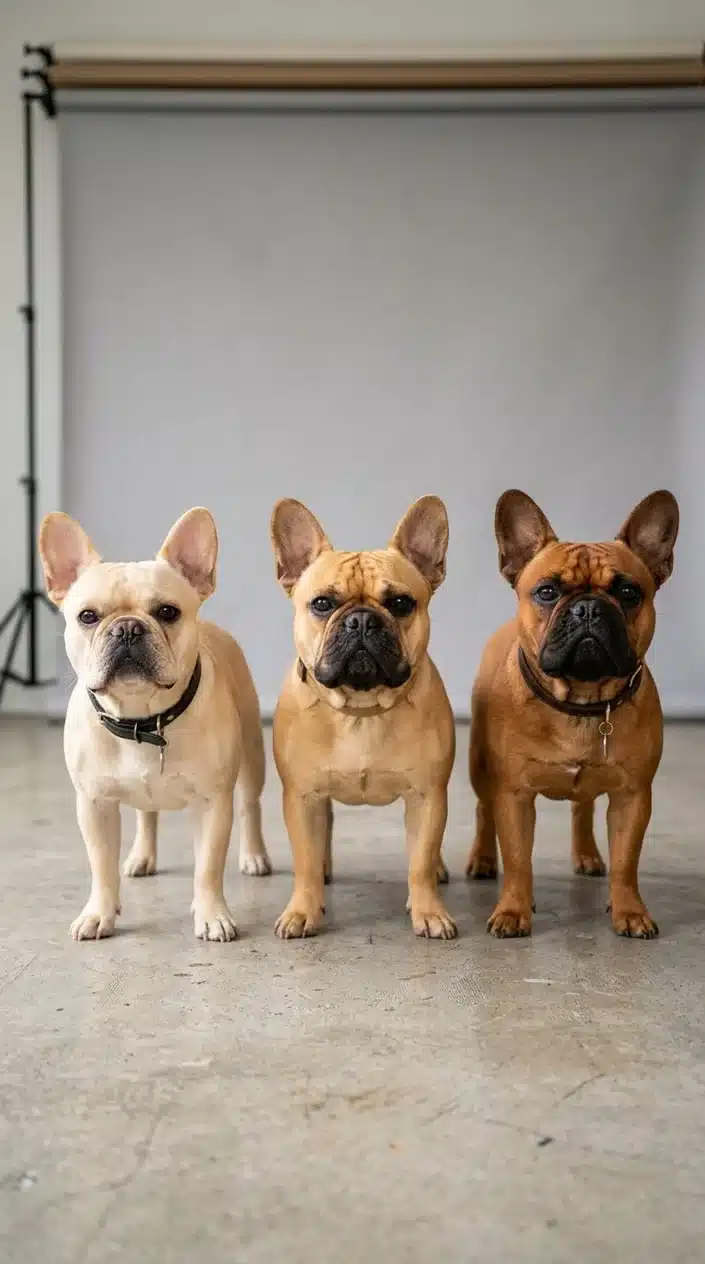
Most fawn labels describe visible shade or markings rather than separate breed types. The boundaries between light, medium, and red fawn are not measured by a universal color scale.
| Appearance | Typical Features | Important Note |
|---|---|---|
| Light fawn | Pale tan, honey, or yellow-beige coat | Can be confused with cream in photographs |
| Golden or medium fawn | Warm tan or golden body | A descriptive shade, not a separate breed type |
| Red fawn | Deep warm reddish-tan coat | Falls within the accepted fawn range |
| Masked fawn | Fawn body with a black facial mask | The mask is a marking, not a base color |
| Maskless fawn | Fawn face without a visible dark mask | May also be called clear fawn |
| Fawn and white | Mostly fawn with limited white markings | Placement varies between dogs |
| White and fawn | Mostly white with fawn patches | Often described as fawn pied |
Light Fawn French Bulldog
Light fawn is the palest end of the visibly fawn range. The coat usually retains a warm tan, honey, or yellow tone rather than looking uniformly ivory.
A black mask or dark facial shading can make the pale body appear even lighter by contrast.
Golden or Medium Fawn French Bulldog
This common description covers warm tan and honey-gold coats between the lightest and reddest shades. “Golden fawn” is useful visually, but it is not a separate official variety.
Red Fawn French Bulldog
Red fawn has a richer reddish or copper-toned background. It remains part of the accepted fawn range when the dog has standard black pigmentation.
A deep shade does not prove rarity, superior pedigree, or better breeding quality.
Fawn French Bulldog With a Black Mask
A black mask consists of dark pigment around the muzzle and may extend toward the eyes, cheeks, lips, or parts of the face. Some dogs also show black shading on the ears.
The size and intensity of the mask vary. It is an accepted marking and does not turn fawn into a separate base color.
Maskless or Clear Fawn French Bulldog
A maskless fawn has no prominent dark facial mask. The face remains closer to the body color, although the nose, lips, and eye rims should still show standard dark pigmentation.
“Clear fawn” may also be used in breeder language. Ask what the seller means instead of assuming the label represents a distinct genetic category.
Fawn and White or White and Fawn
A fawn-and-white Frenchie is mainly fawn with limited white markings. A white-and-fawn dog is mostly white with fawn patches and may be described as fawn pied.
Each colored patch should be checked for striping or dark-tipped hairs because a photograph labeled fawn may actually show brindle or sable-like patterning.
Fawn vs. Cream French Bulldog
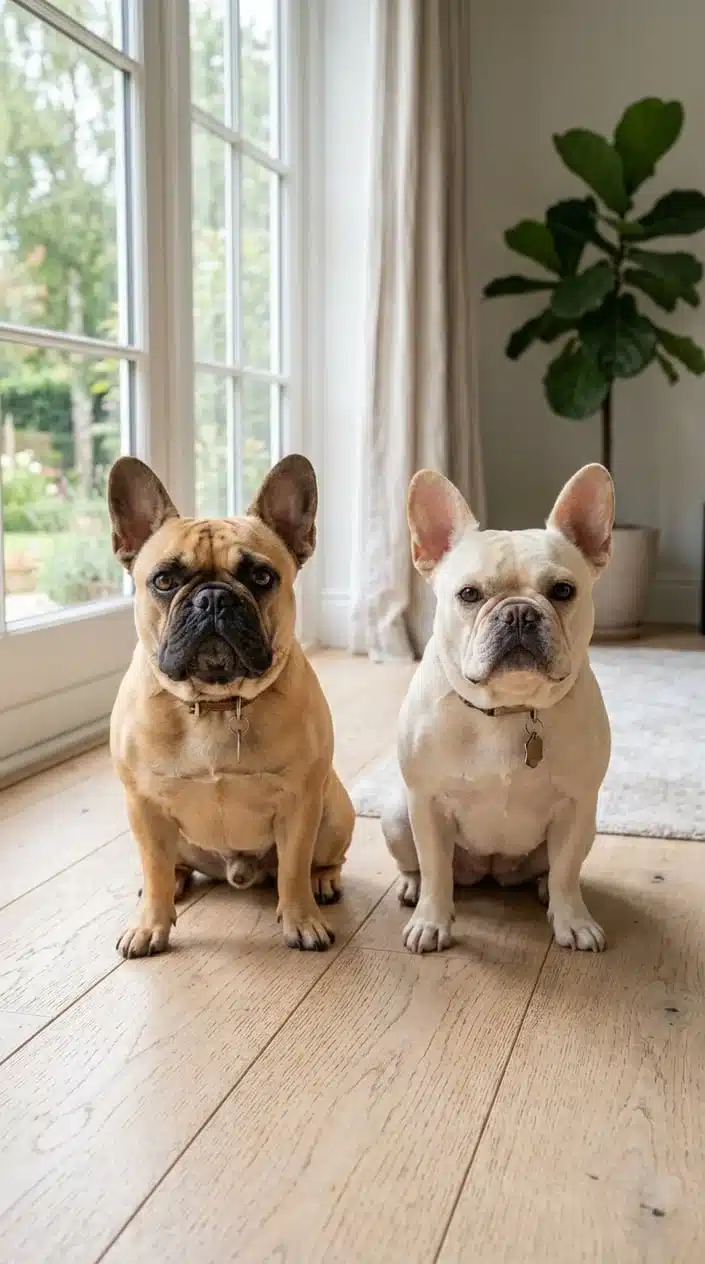
Very light fawn and cream French Bulldogs are commonly confused. Both are accepted appearances, but they are not interchangeable descriptions.
| Feature | Light Fawn | Cream |
|---|---|---|
| Overall appearance | Pale tan, honey, or yellow-beige | More uniform ivory or off-white |
| Warm variation | Often visibly warm or shaded | Usually more even in appearance |
| Black mask | May be visibly present | Usually not visibly expressed through the cream coat |
| Underlying pattern | Fawn expression remains visible | Recessive cream can conceal other coat information |
| Breed-standard status | Accepted | Accepted |
Natural light and unedited photographs help, but appearance alone may not resolve every pale coat. Pedigree information and properly interpreted genetic testing can provide additional evidence when accurate classification matters.
Fawn vs. Sable vs. Brindle
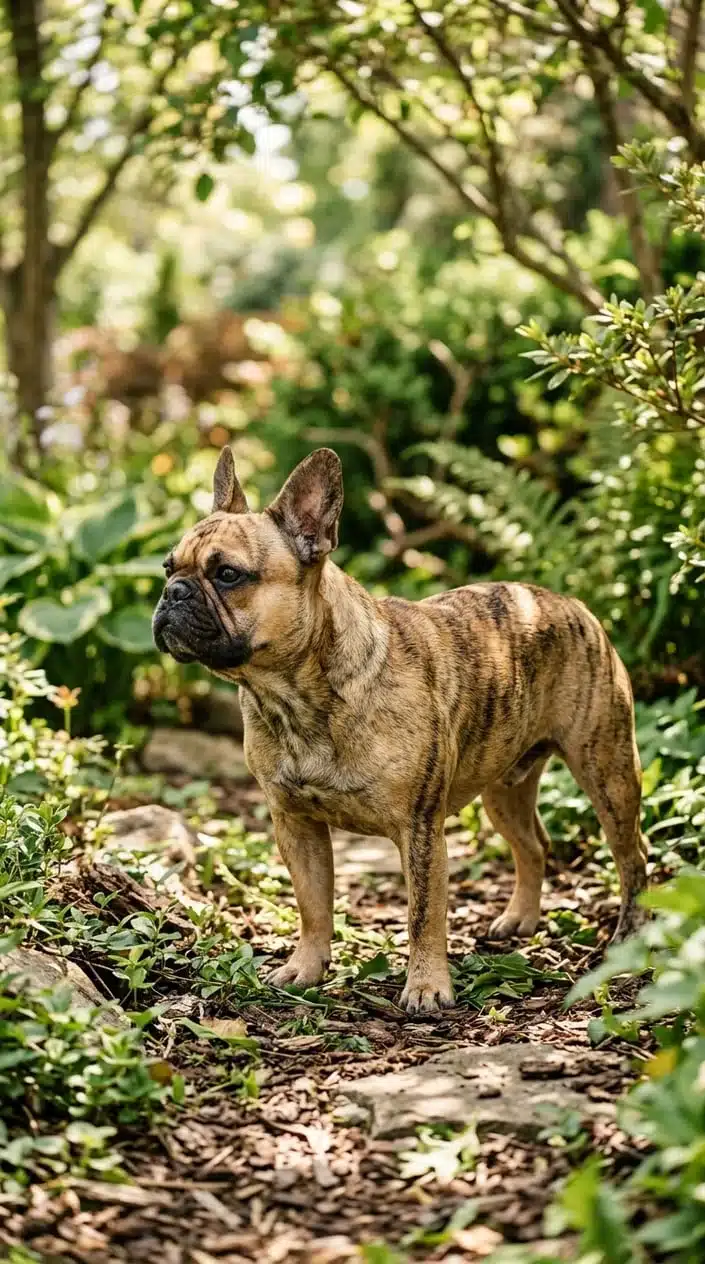
These terms are often mixed together in listings, but they describe different visible coat effects.
| Appearance | What to Look For | Common Identification Problem |
|---|---|---|
| Clear fawn | Warm, mostly even body color without stripes | Dark shading may be mistaken for another pattern |
| Sable-like fawn | Darker-tipped hairs or shaded overlay on a fawn background | Terminology is used inconsistently |
| Brindle | Visible dark stripes or bands over fawn areas | Very subtle stripes may be missed |
| Black brindle | Dense dark striping with only a small fawn trace | May look solid black from a distance |
Brindle is especially relevant because its dark stripes appear over areas that would otherwise express fawn. Our brindle French Bulldog identification guide explains how light, heavy, and black brindle differ.
Sable generally refers to darker-tipped hairs or shading over a fawn-like background. Because breeders and registries may use the word differently, do not rely on the label alone.
Are Fawn French Bulldogs Recognized by the AKC?
Yes. Fawn from light fawn through red fawn is accepted under the American Kennel Club French Bulldog breed standard.
Standard fawn may include a black mask, black shading, white markings, piebald, or ticking. However, a fawn body does not make modified blue, liver, chocolate, lilac, Isabella, or merle pigmentation acceptable.
| Fawn Appearance | Pigment or Pattern | Breed-Standard Status |
|---|---|---|
| Light through red fawn | Standard black pigment | Accepted |
| Masked or maskless fawn | Standard black pigment | Accepted |
| Fawn and white | Standard fawn with white | Accepted |
| White and fawn | Fawn patches on white | Accepted |
| Blue fawn | Diluted gray-blue dark pigment | Disqualifying |
| Chocolate or liver fawn | Brown dark pigment | Disqualifying |
| Lilac or Isabella fawn | Modified dilute brown pigment | Disqualifying |
| Fawn merle | Merle pattern combined with fawn | Disqualifying |
AKC registration and breed-standard eligibility are not the same thing. Registration records ancestry; it does not guarantee that every dog has an accepted color or pattern.
Standard Fawn vs. Blue, Chocolate, Lilac, and Isabella Fawn
A standard fawn Frenchie has normally black eumelanin in the nose, lips, eye rims, mask, and other dark areas. Modified fawn combinations change that normally black pigment.
Blue Fawn
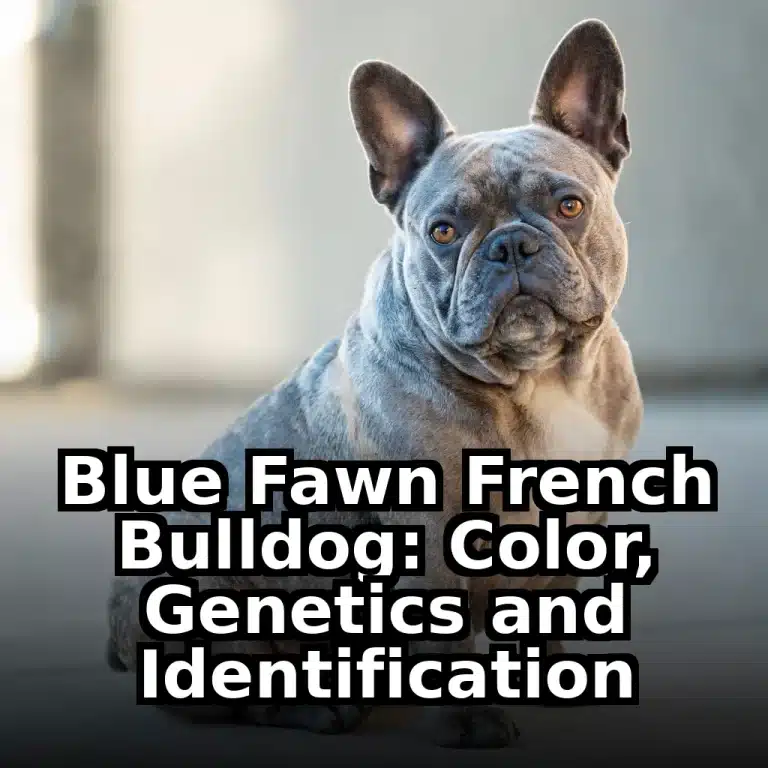
A blue fawn Frenchie has diluted gray-blue pigment instead of standard black. The mask, nose, lips, eye rims, or shading may appear slate gray.
Chocolate or Liver Fawn
Chocolate or liver-related variants change black pigment to brown. The nose and other dark areas may look brown rather than black.
Lilac or Isabella Fawn
These marketed colors generally involve combinations affecting both dark-pigment color and dilution. Terminology varies among breeders, which makes clear documentation more useful than a premium label.
Fawn Merle
Merle creates mottled or patchy pigment effects and is not accepted under the French Bulldog breed standard. Calling the body fawn does not change the status of the merle pattern.
How Fawn Genetics Work
Dog coat color comes from interactions among several genetic locations. It is more accurate to think of fawn as the visible result of multiple pigment and pattern controls than as one simple “fawn gene.”
Phaeomelanin creates the yellow-to-red pigment seen across the fawn body. Intensity-modifying variants help influence whether that pigment appears pale, golden, or deep red.
Eumelanin creates the normally black pigment in the nose, lips, eye rims, paw pads, mask, shading, and brindle stripes. Other variants can change this black pigment to brown or dilute it to gray-blue.
Brindle can add dark stripes over fawn areas. Recessive cream can conceal visible fawn, masks, and other pattern information. White spotting can remove pigment from sections of the coat, leaving fawn only within colored patches.
Can DNA Testing Confirm Fawn?
A reputable coat-color panel can identify variants associated with pigment, pattern, cream, dilution, and brown-related traits. It can help clarify an uncertain appearance or provide information for a breeding program.
Results still require careful interpretation. Laboratories may test different variants, and a color report cannot determine health, breathing quality, structure, temperament, or whether a dog should be bred.
How to Identify a Fawn French Bulldog
Use this process when a coat is very pale, heavily shaded, or labeled with an unfamiliar breeder term.
1. Use Indirect Natural Light
Examine the Frenchie outdoors in open shade or near a bright window. Avoid colored bulbs, deep shadows, harsh sun, and image filters.
2. Identify the Body’s Warm Tone
Look for pale tan, honey, yellow-beige, golden, reddish tan, or red. A uniformly ivory coat may need comparison with cream.
3. Examine the Face
Check whether a black mask surrounds the muzzle, lips, eyes, or cheeks. Record the mask separately from the body shade.
4. Search for Stripes or Dark-Tipped Hairs
Inspect the shoulders, sides, legs, back, face, and underside. Clear fawn lacks visible brindle stripes, while sable-like coats may show darker-tipped hairs.
5. Check the Dark Pigment
Examine the nose, lips, eye rims, and paw pads. Standard fawn has black pigmentation; gray-blue or brown suggests a modified color.
6. Record White Areas Separately
Decide whether the dog is mostly fawn with white markings or mostly white with fawn patches. Inspect every colored patch for hidden brindling.
7. Compare Several Unedited Photographs
Use puppy and adult images taken in different natural-light conditions. One edited photo is not enough for reliable identification.
8. Review Records When Confirmation Matters
Compare the visible coat with pedigree, registration documents, breeder records, and reputable laboratory results. Seek an experienced breed professional or canine geneticist when evidence conflicts.
Do Fawn French Bulldog Puppies Change Color?
A fawn puppy does not normally transform into a completely different genetic color as it matures. However, the visible shade and contrast can change as the puppy coat is replaced by the adult coat.
You may notice:
- A pale coat becoming warmer or slightly deeper
- Dark puppy shading becoming less noticeable
- A black mask appearing stronger or softer by contrast
- Sable-like hair tipping changing as adult hair grows
- Subtle brindle stripes becoming easier to see
- Sun exposure making the coat appear lighter
- Seasonal shedding changing color intensity
- Eye color changing independently of the fawn coat
There is no reliable promise that every fawn puppy will become a specific shade by a fixed age. Genetics, coat development, condition, and lighting all affect the final appearance.
Are Fawn French Bulldogs Rare or More Expensive?
Fawn is an established standard French Bulldog color. A particular shade or marking may be less frequently seen in one breeder’s dogs, but that does not prove breed-wide genetic rarity.
Labels such as rare red fawn, exclusive clear fawn, apricot, caramel, or golden may be descriptive, promotional, or both. Ask for an explanation rather than paying more based only on a name.
Puppy prices vary with location, pedigree, veterinary care, parental screening, breeder practices, contract terms, and demand. A higher price does not prove better health or more responsible breeding.
Do Fawn French Bulldogs Have Special Health Problems?
Standard fawn is not a disease and is not known to cause a unique fawn-specific disorder or lifespan.
Fawn Frenchies share the wider breed’s important health concerns, including breathing difficulty, heat intolerance, spinal disorders, skin disease, eye problems, and joint conditions. These risks matter far more than whether the coat is pale or red.
Modified pigment should be considered separately. Blue fawn involves dilution, and dilute-colored dogs can be susceptible to color dilution alopecia. Not every dilute dog develops it, and ordinary standard fawn is not the cause.
Does Fawn Color Affect Personality?
There is no reliable evidence that light, red, masked, or maskless fawn causes a French Bulldog to be calmer, friendlier, smarter, more aggressive, or easier to train.
Temperament is influenced by broader inherited traits, health, early socialization, maternal care, training, environment, and the individual dog. Coat pigment is not a personality test.
What to Ask a Fawn French Bulldog Breeder
A responsible breeder should be ready to discuss much more than shade, mask, and color DNA.
- What health screening was completed for both parents?
- Can the results be verified independently?
- How were the parents evaluated for breathing and structure?
- What health problems have appeared in the family line?
- Can I see unedited photographs in natural light?
- Can I meet the puppy and mother or see them on a live video call?
- How is the puppy’s color recorded on its paperwork?
- What does each color term in the listing mean?
- Is the price increased mainly because of a shade label?
- What veterinary care has the puppy received?
- What health guarantee and return agreement are included?
- How have the puppies been raised and socialized?
Common Fawn French Bulldog Myths
Every Pale Fawn Frenchie Is Cream
Light fawn usually retains a warm tan, honey, or yellow-beige tone. Cream is generally more uniform and can genetically conceal other visible coat information.
A Black Mask Makes Fawn a Different Color
The mask is a marking over the fawn body. Masked and maskless fawn can both fall within the accepted range.
Blue Fawn Is Just a Shade of Standard Fawn
Blue fawn includes diluted gray-blue pigment instead of standard black pigment. It is not simply a lighter fawn shade.
Red Fawn Is Automatically Rare
Red fawn is the deeper end of the accepted range. A rich shade alone does not prove genetic rarity or responsible breeding.
Fawn Color Predicts Temperament
Coat shade does not reliably predict affection, intelligence, aggression, trainability, or energy level.
AKC Registration Proves the Color Is Standard
Registration records ancestry. It does not guarantee that a dog meets every requirement of the breed standard.
Frequently Asked Questions
What Color Is a Fawn French Bulldog?
A fawn French Bulldog has a visibly warm coat ranging from light tan and honey to golden or deep reddish fawn. Standard dark pigment should be black.
Are Fawn French Bulldogs AKC Recognized?
Yes. Fawn from light fawn through red fawn is accepted, with or without an accepted black mask, black shading, or white markings.
Is a Fawn French Bulldog Rare?
Fawn is an established standard color. A particular shade may look distinctive, but there is no reliable breed-wide evidence that every marketed fawn variation is rare.
What Is a Masked Fawn French Bulldog?
A masked fawn Frenchie has black pigment around the muzzle and sometimes the eyes, cheeks, lips, or ears. The mask is a marking over the fawn body.
What Is a Maskless Fawn French Bulldog?
A maskless or clear fawn Frenchie lacks a prominent black facial mask. Its nose, lips, and eye rims may still have standard black pigmentation.
What Is the Difference Between Fawn and Cream?
Light fawn usually looks warm tan, honey, or yellow-beige, while cream is generally more uniform ivory or off-white. Genetics may be needed when appearance remains unclear.
What Is the Difference Between Fawn and Brindle?
Clear fawn has no visible striping. Brindle displays dark stripes or bands over a fawn background, although very subtle brindling can be difficult to see.
Is Blue Fawn a Standard French Bulldog Color?
No. Blue fawn has diluted gray-blue pigment rather than standard black pigment and is disqualifying under the French Bulldog breed standard.
Do Fawn French Bulldog Puppies Get Darker?
Some appear lighter or deeper as the adult coat develops. Shading, masks, sun exposure, shedding, and photography can also change how the color looks.
Do Fawn French Bulldogs Have More Health Problems?
Standard fawn is not associated with a unique fawn-specific disorder. Breed-wide health risks and responsible parental screening are more important than shade.
Final Thoughts
Fawn French Bulldogs can range from pale honey and golden tan to rich red fawn. They may have a black mask, a clear face, white markings, or large fawn patches on a pied coat.
The best way to identify one is to examine the warm body color, look for brindle stripes or dark-tipped hairs, and check whether the nose and other dark pigment are black. Natural-light photographs and reliable records are more useful than sales labels.
Whether the coat is light, red, masked, or maskless, health and responsible breeding should remain the priority. No shade can replace comfortable breathing, sound structure, verifiable screening, and proper lifelong care.