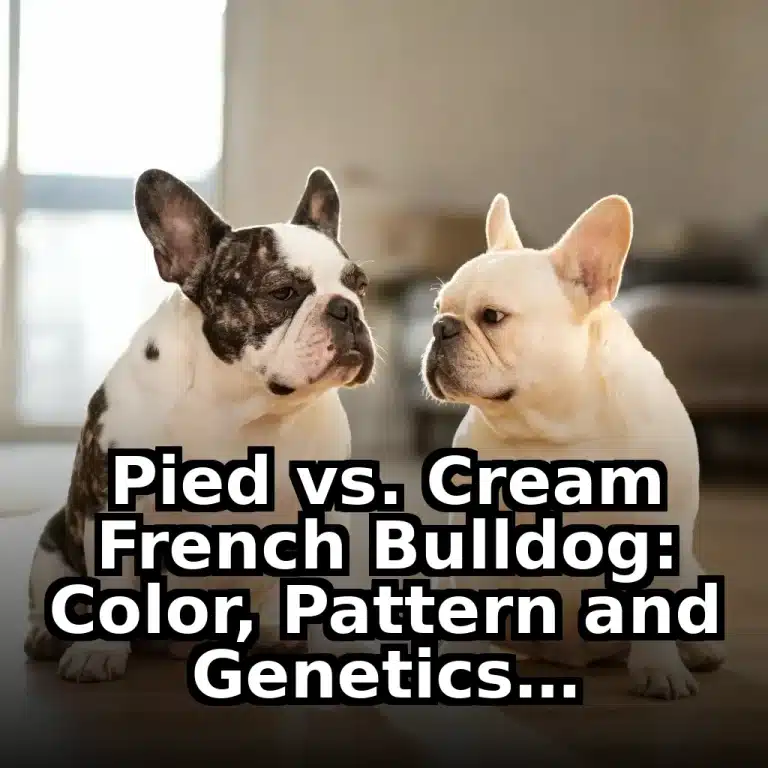
Red Fawn French Bulldog: Color, Genetics and Identification

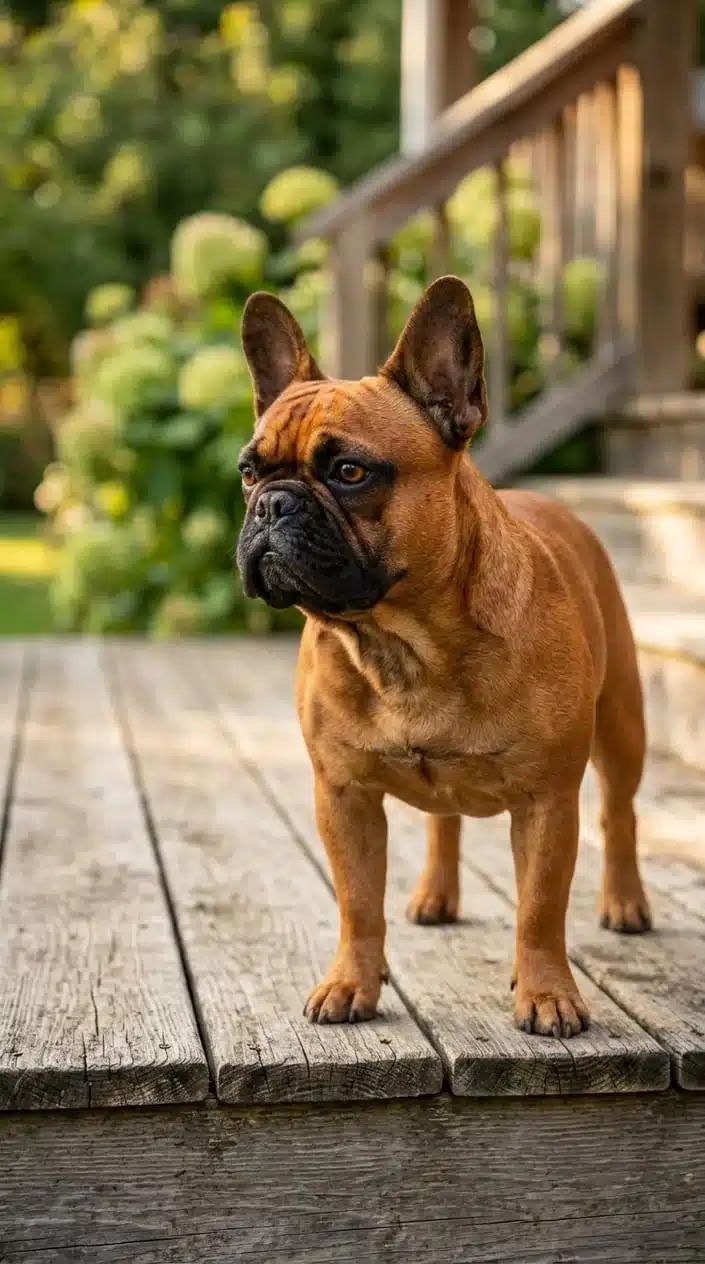
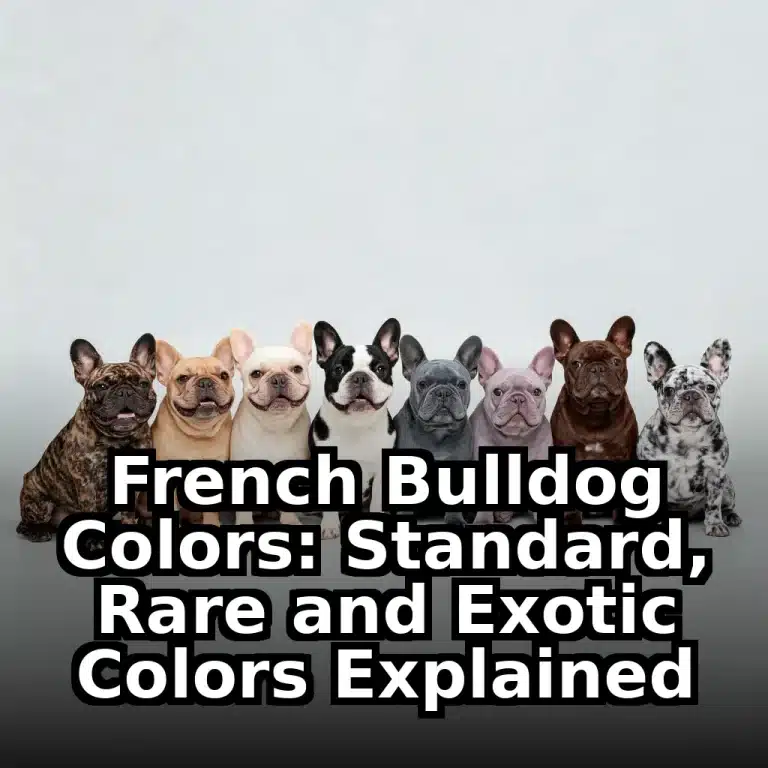
A red fawn French Bulldog has a warm, richly pigmented coat that may look copper, rust, or reddish tan. It sits at the deeper end of the recognized fawn spectrum rather than forming a completely separate or exotic color.
The label can still be confusing. Lighting, black-tipped hairs, brindle stripes, white spotting, and diluted facial pigment can all change how a coat appears in photographs. This guide explains how to identify red fawn accurately and where it fits within the wider French Bulldog color spectrum.
Quick Answer: What Is a Red-Fawn French Bulldog?
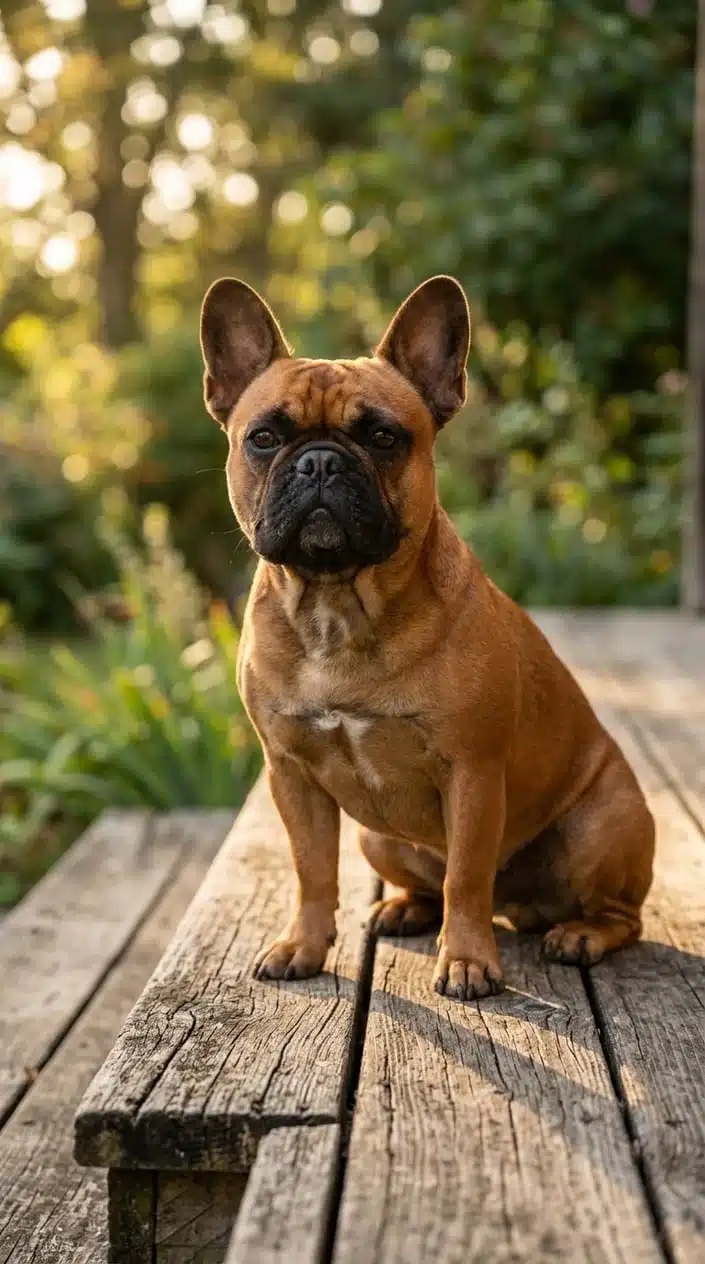
A Red Fawn French Bulldog has a deep, warm Fawn coat that appears copper, rust, or reddish tan. Red Fawn is not a separate rare color; it is the richer end of the AKC-accepted Fawn range, which extends from light Fawn through Red Fawn.
Key identification points:
- Red Fawn describes the depth of the base coat, while a black mask, black shading, white markings, or Piebald describe separate markings or patterns.
- There is no official shade cutoff between Fawn and Red Fawn.
- Natural daylight helps reveal dark-tipped Sable hairs or Brindle stripes that photographs may hide.
- DNA testing can identify selected color variants, but it cannot objectively grade how red the adult coat will appear.
What Does a Red-Fawn French Bulldog Look Like?
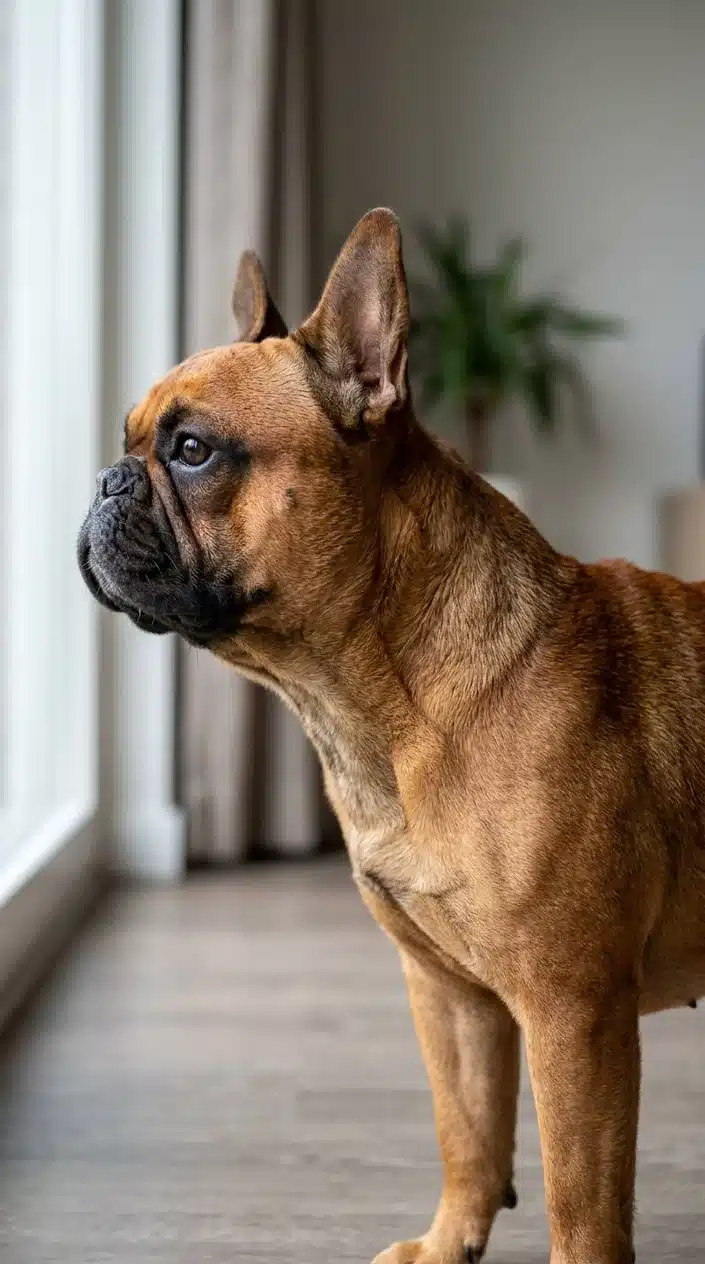
A red-fawn Frenchie has the same compact body, bat ears, short muzzle, and smooth coat expected in the breed. What makes the dog visually distinctive is the depth and warmth of its fawn body hair.
Common Red-Fawn Coat Tones
Common descriptions include deep golden, copper, burnt orange, rust, reddish tan, and mahogany fawn. These are descriptive terms rather than precisely measured color categories.
The coat may be fairly even across the body or show darker hair around the ears, back, or tail. A black facial mask should be evaluated separately from the red-fawn base.
Get Weekly Dog Care Tips Free
Join 10,000+ dog owners. Vet-approved advice every week
🔒 No spam. Unsubscribe anytime.
Why There Is No Universal Shade Boundary
Fawn changes gradually from pale beige through golden tan to deep reddish fawn. No official color meter establishes the exact point at which standard fawn becomes red fawn.
Two knowledgeable people may describe a borderline dog differently. The most accurate conclusion is often that the Frenchie falls on the darker, warmer end of the fawn range.
How Lighting Changes the Apparent Color
Warm indoor bulbs and golden-hour sunlight can make an ordinary fawn coat look much redder. Increased saturation, filters, camera white balance, and even surrounding colors can also distort the shade.
| Appearance | What to Look For | Possible Source of Confusion |
|---|---|---|
| Light fawn | Pale beige, sand, or light honey | May look cream in bright light |
| Standard fawn | Tan, gold, or caramel | Warm lighting can make it look red |
| Red fawn | Deep copper, rust, or reddish tan | Sable hairs or editing may deepen the appearance |
| Sable fawn | Fawn with noticeable dark-tipped hairs | May be advertised as dark red fawn |
| Brindle | Recognizable dark striping over fawn | Light brindling may be missed in photos |
Red fawn describes the richer, warmer end of the fawn spectrum. It does not automatically indicate a separate rare-color gene or an exotic French Bulldog.
Are Red-Fawn French Bulldogs AKC Recognized?
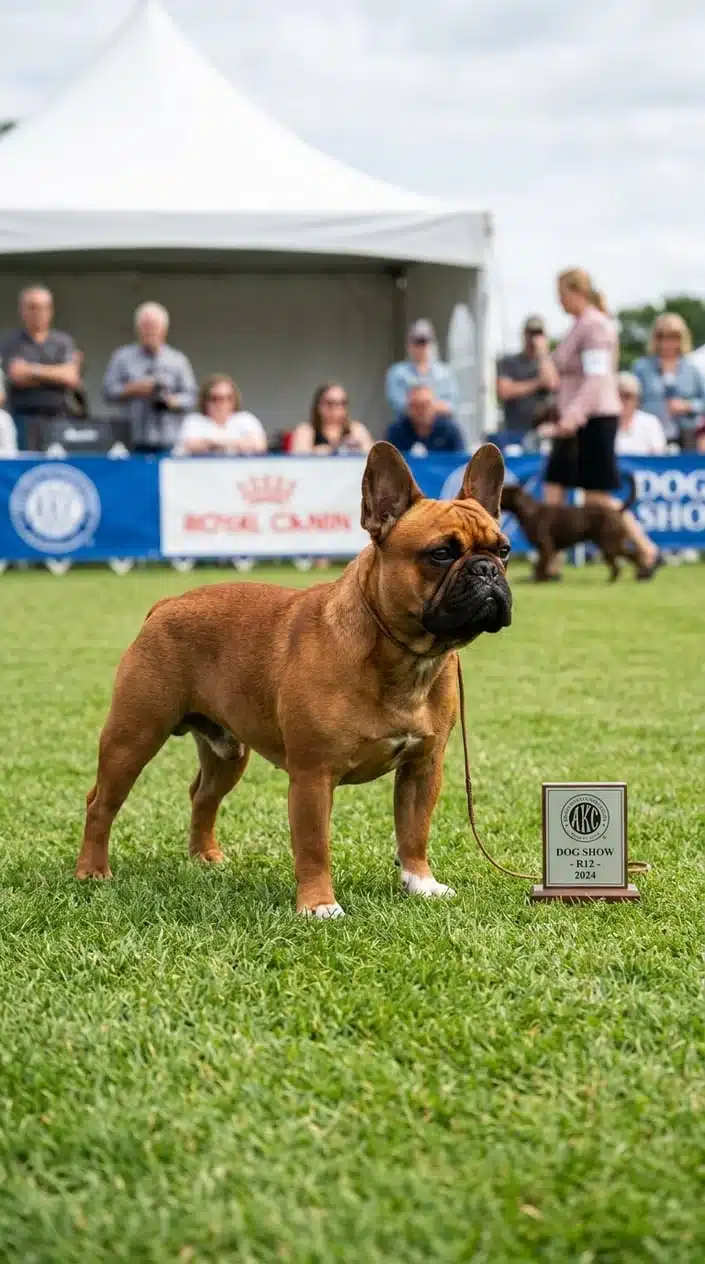
Yes. The French Bulldog breed standard accepts fawn from light fawn through red fawn, along with permitted combinations and markings. Red fawn is therefore recognized within the broader fawn color family.
Is Red Fawn a Separate Registration Color?
The visible description “red fawn” does not necessarily mean it appears as a separate selectable registration color. Registration terminology and a detailed description of the dog’s shade are not always identical.
A seller should not use that administrative difference to claim that red fawn is unrecognized. The French Bull Dog Club of America breed standard explicitly includes the range through red fawn.
Accepted Markings on Red-Fawn Frenchies
A red-fawn Frenchie may display a black mask, black shading, white markings, or a pied pattern. Brindle is also recognized, although a dog with clear brindle striping should be described with that pattern rather than as solid red fawn.
Nose, Lip, and Eye-Rim Pigmentation
Body shade and facial pigment are different features. The nose is generally expected to be black, and dark lips and eye rims support the characteristic Frenchie expression.
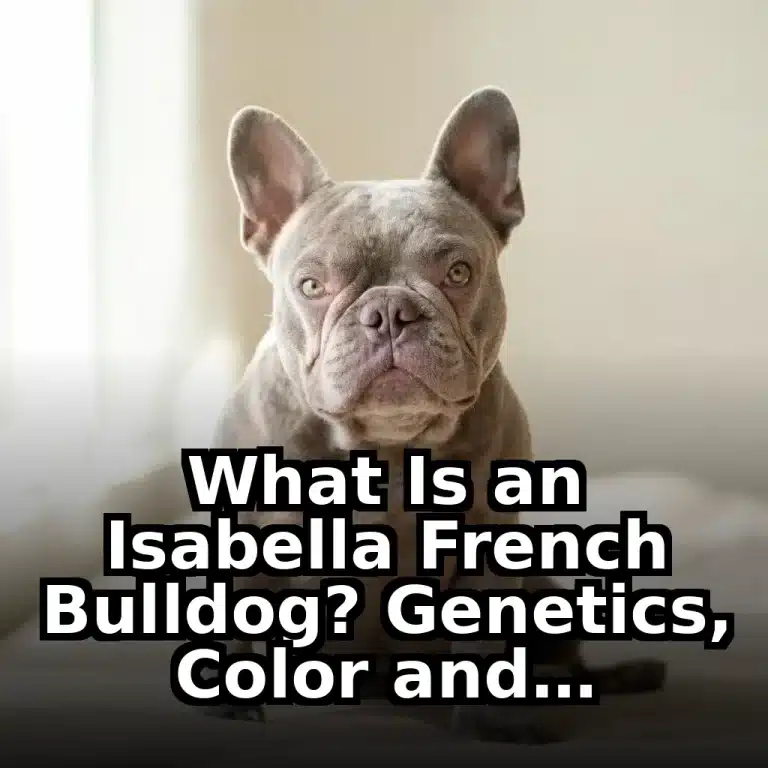
Blue-gray, brown, or lilac-toned nose pigment may indicate another inherited pigment combination. A warm body coat alone does not make every accompanying pigment standard.
Red fawn is included within the accepted fawn range. Recognition still depends on the dog’s complete color, markings, pigment, and other breed-standard requirements.
Red Fawn vs. Regular Fawn French Bulldog
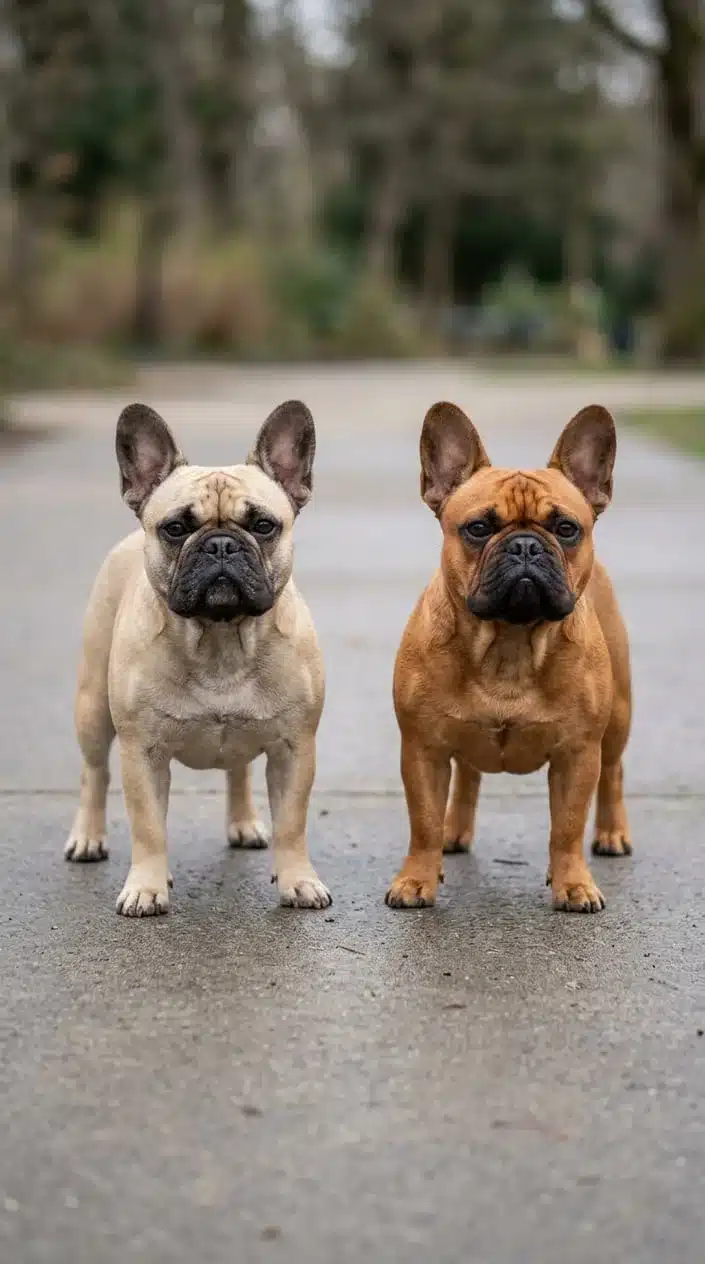
The main difference is visible shade intensity. A typical fawn coat may look beige, golden, or caramel, while red fawn looks deeper, warmer, and more copper-toned.
| Feature | Typical Fawn | Red Fawn |
|---|---|---|
| Overall tone | Beige, tan, gold, or caramel | Copper, rust, or reddish tan |
| Color depth | Light to medium | Usually deeper and warmer |
| Black mask | May be present or absent | May be present or absent |
| White markings | Possible | Possible |
| Breed-standard status | Recognized | Recognized within fawn |
| Exact dividing line | No universal cutoff | No universal cutoff |
Compare dogs under the same indirect daylight and avoid judging from two differently edited images. Our complete Fawn French Bulldog guide explains the full shade range and common markings.
Red Fawn vs. Similar French Bulldog Coats
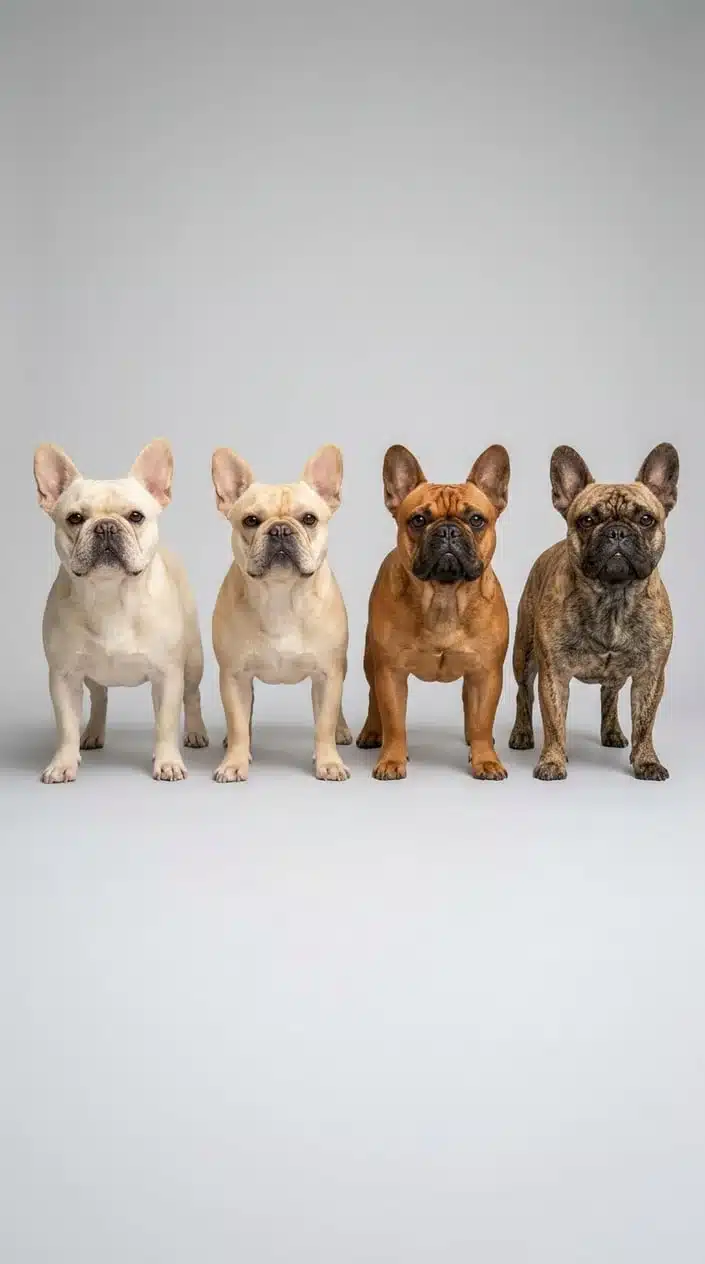
Do not identify red fawn by warmth alone. Hair pattern, white coverage, facial pigment, and dilution all help separate it from similar-looking coats.
| Coat | Typical Appearance | Key Identifier |
|---|---|---|
| Cream | Even ivory or warm off-white | Much less visible tan or red warmth |
| Light fawn | Pale tan, beige, or sandy | Lighter expression within fawn |
| Red fawn | Deep copper, rust, or reddish tan | Rich, warm fawn body color |
| Sable fawn | Fawn with dark-tipped hairs | Individual hairs have darker tips |
| Brindle | Dark stripes over a fawn background | Recognizable striping |
| Diluted fawn | Fawn with altered dark pigment | Blue-gray, brown, or diluted nose and eye-rim pigment |
Red Fawn vs. Cream
Cream is generally ivory or off-white and looks more uniform than red fawn. Very pale fawn may sit close to cream visually, but a true red-fawn coat has obvious copper or reddish warmth. See our Cream French Bulldog guide for a closer comparison.
Red Fawn vs. Sable
Sable describes dark-tipped hairs over a lighter base. These tips may be concentrated on the ears, forehead, neck, shoulders, spine, or tail area.
A richly colored red-fawn dog can still have some shading, so the boundary is not always obvious in photographs. Inspect individual hairs and several body areas rather than relying on a seller’s label.
Red Fawn vs. Brindle
Brindle requires identifiable dark striping over a fawn background. A facial mask, a few dark-tipped hairs, or general shading does not by itself make a red-fawn Frenchie brindle.
If you can see repeated dark stripes, compare them with the examples explained in our Brindle French Bulldog guide.
Red Fawn vs. Diluted Fawn
Dilution changes eumelanin, the pigment that would otherwise appear black. A dog marketed as “blue red fawn,” “chocolate red fawn,” or “lilac red fawn” may have warm body hair but nonstandard diluted facial pigment.
Look at the coat pattern, nose, lips, eye rims, and individual hairs. A warm reddish body does not reveal every color or pattern variant the dog inherited.
Red Fawn With a Black Mask vs. Maskless Red Fawn
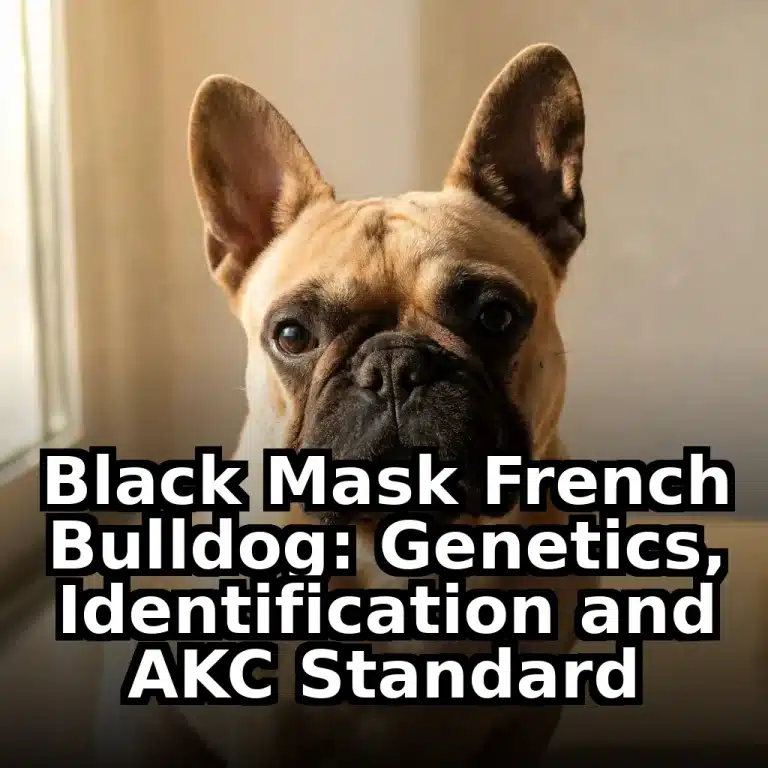
A red-fawn French Bulldog can have a full black mask, a smaller muzzle mask, a partial or interrupted mask, or no visible mask. The mask is a marking and does not create the red-fawn body shade.
Full, Partial, and Interrupted Masks
A full mask places dark hair around the muzzle and may extend toward the eyes, cheeks, or forehead. A partial mask has more limited or uneven coverage, while a white blaze can interrupt pigment that would otherwise cross the face.
What a Maskless Red Fawn Looks Like
A maskless red-fawn Frenchie keeps reddish-fawn hair across most of the face instead of having a concentrated dark hair mask. The dog may still have a black nose, dark lips, and dark eye rims.
A black nose is not proof of a mask because nose leather and coat hair are separate features. Our Black Mask French Bulldog guide explains this distinction in detail.
Can a Red-Fawn French Bulldog Have White Markings?
Yes. A red-fawn Frenchie may have a small white chest patch, white toes, a facial blaze, larger white areas, or a full pied pattern.
Red Fawn and White vs. Red-Fawn Pied
A mostly red-fawn dog with limited white is often described as red fawn and white. A broadly white dog with defined red-fawn patches may be described as white and fawn or red-fawn pied, depending on the registration system and context.
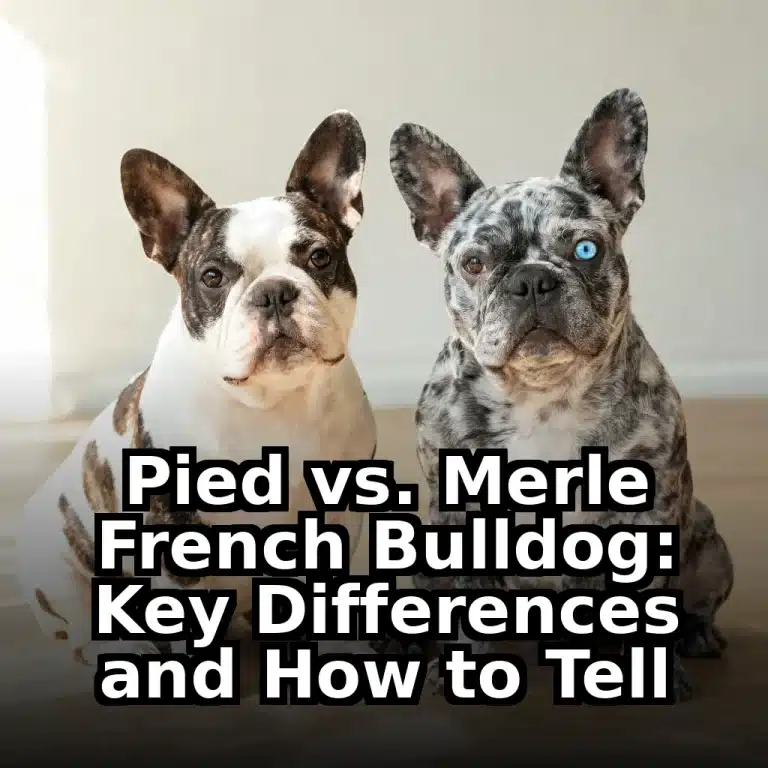
White spotting can also break through a black mask and make it look partial or asymmetrical. Read our Pied French Bulldog guide for pattern identification and our White French Bulldog guide for extensive white coverage.
Red Fawn French Bulldog Genetics Explained
Dog coat color comes from two broad pigment types. Eumelanin produces dark pigment such as black or genetically modified brown and gray, while pheomelanin produces shades ranging from pale yellow to rich red.
How MC1R and ASIP Influence Pigment
The MC1R gene at the E locus helps control whether and where a dog can produce eumelanin. The ASIP gene contributes to fawn and sable-type patterns by influencing the distribution of dark and light pigment.
A mask-associated MC1R variant may produce dark facial hair. Other genes can add brindling, white spotting, brown pigment, or dilution, so the final appearance comes from interacting variants rather than one “red-fawn gene.”
Why Red Intensity Is Complex
The depth of yellow-to-red pigment is multigenic, meaning several genetic regions can contribute. Breed background and additional modifiers also affect what can be seen.
Research on canine pigment intensity explains a substantial part of the variation, but not every difference among individual dogs. Shade descriptions therefore remain partly visual and subjective.
No single routine DNA result can promise an exact copper, rust, or mahogany adult coat. Several genes and the dog’s complete phenotype influence visible intensity.
Can DNA Testing Confirm a Red-Fawn French Bulldog?
A coat-color panel can identify selected variants related to masking, recessive red or cream expression, brown pigment, dilution, brindling, and some white spotting. It can help explain how a visible coat was produced and what a dog may pass to puppies.
It usually cannot issue an objective verdict that a dog is “red enough” to qualify as red fawn. It also cannot guarantee exactly how a young puppy’s adult shade will appear.
| DNA Testing May Help Identify | DNA Testing Cannot Reliably Guarantee |
|---|---|
| Selected mask-associated variants | An exact adult shade |
| Brown or dilution variants | How red a photo will look |
| Some white-spotting variants | A universal red-fawn classification |
| Some pattern information | Breed quality or temperament |
| Variants a parent may pass | Health outside the tests performed |
A color panel can explain selected inherited traits, but it cannot replace natural-light evaluation or define a universal boundary between fawn and red fawn.
Do Red-Fawn French Bulldog Puppies Change Color?
The general fawn base is usually visible when a puppy is young, but its apparent depth can change as the coat and body mature. Puppy fuzz, dark-tipped hairs, lighting, and camera settings may make early photographs misleading.
Changes You May Notice
- The adult coat may look slightly lighter or deeper than the puppy coat.
- Dark shading can become more or less noticeable.
- A mask may look smaller as the muzzle and face grow.
- Season, sun exposure, and coat condition can affect perceived intensity.
- White patches usually remain in approximately the same locations as the dog grows.
No responsible breeder can promise the exact adult shade from a newborn photograph. Ask for unedited pictures of the puppy, parents, and older related dogs under neutral lighting.
A puppy’s general color family may be apparent early, but exact adult intensity cannot be guaranteed. Treat promises of a specific “premium red” result with caution.
How to Identify a Red-Fawn French Bulldog
- View the dog in indirect natural daylight.
- Decide whether the body coat looks beige, golden, copper, rust, or reddish tan.
- Check whether the body color is relatively even.
- Inspect individual hairs for dark tips that may suggest sable shading.
- Look for repeated dark stripes that may indicate brindle.
- Separate any black facial mask from the red-fawn body color.
- Identify white markings and decide whether the dog may be pied.
- Evaluate the nose, lips, and eye rims separately from the body hair.
- Compare unfiltered puppy, parent, and adult photographs taken in similar light.
- Review registration records and relevant laboratory results when accurate classification matters.
Visual inspection cannot reveal every inherited variant, especially when another pattern hides it. Use DNA results as supporting information rather than a substitute for examining the whole dog.
Indirect daylight gives the most useful view of coat warmth and pattern. Avoid judging red intensity from filtered images, warm indoor bulbs, or heavily saturated sales photos.
Does Red-Fawn Color Affect Health?
Red fawn is not a disease and does not independently predict lifespan. A recognized body color also does not prove that a breeder has selected for healthy breathing, sound structure, or good temperament.
Health Screening That Matters More Than Shade
French Bulldogs can face concerns involving breathing, the spine, joints, eyes, heart, skin folds, and heat tolerance. Buyers should request breed-relevant screening documentation and veterinary records rather than relying on coat-color results.
Color testing only answers the specific genetic questions included on the panel. It does not replace respiratory evaluation, orthopedic screening, eye examinations, cardiac assessment, or an honest family health history.
A coat-color panel cannot tell you whether a Frenchie breathes comfortably or has healthy joints, eyes, heart, and spine. Review actual health-screening results.
Does Red-Fawn Color Affect Personality?
No reliable evidence shows that a deeper red-fawn shade makes a Frenchie more affectionate, intelligent, stubborn, energetic, protective, or trainable. Coat shade and temperament are separate traits.
Personality is shaped by inherited temperament, early socialization, training, health, and individual experience. Meet the puppy and parents when possible instead of accepting personality promises based on color.
Are Red-Fawn French Bulldogs Rare?
Red fawn is an established part of the recognized fawn range. A deep shade may be less common in a particular breeder’s program, but that does not prove a universally rare genotype.
Terms such as “rare red,” “deep mahogany,” “premium red,” and “exclusive red fawn” are often marketing language. Symmetry, coat depth, or a dramatic mask does not by itself establish genetic rarity or superior quality.
How Much Does a Red-Fawn French Bulldog Cost?
There is no reliable nationwide price that remains accurate across locations, breeders, and time. A puppy’s price may reflect breeder experience, documented health testing, veterinary care, pedigree, structure, socialization, and local demand.
A large color premium deserves caution because a higher price does not prove health or responsible breeding. Compare documented screening, contract terms, return support, and the condition of the dogs before comparing shade labels.
Choosing a Red-Fawn French Bulldog Puppy Responsibly
- Request unedited photographs taken in indirect natural daylight.
- Ask how the color will be recorded on registration documents.
- Review parent photographs, pedigree information, and adult relatives.
- Request relevant color results if a specific inherited trait matters.
- Verify breed-relevant health screening rather than accepting verbal claims.
- Avoid breeders who guarantee an exact adult shade.
- Reject personality claims based only on coat color.
- Do not accept pressure based on “rare” or “one-of-a-kind” language.
- Ask about any blue-gray, brown, or diluted facial pigment.
- Obtain a written contract and veterinary documentation.
Be cautious if a seller uses rarity and adult-color guarantees to create urgency but cannot show breed-relevant health results, honest registration terminology, or unedited photographs.
Frequently Asked Questions
Is Red Fawn an Official French Bulldog Color?
Red fawn is recognized as the deeper end of the accepted fawn range. It may not appear as a separate registration selection even though the breed standard includes fawn through red fawn.
Are Red-Fawn French Bulldogs AKC Recognized?
Yes, when the dog falls within the accepted fawn range and meets the other color, marking, pigment, and breed-standard requirements. The complete phenotype matters, not just the warm body shade.
What Is the Difference Between Fawn and Red Fawn?
Red fawn is generally deeper, warmer, and more copper or reddish than typical beige, tan, or golden fawn. There is no universal cutoff, so borderline dogs may be labeled differently.
Is Red Fawn the Same as Sable?
Not necessarily. Sable describes noticeable dark-tipped hairs, while red fawn describes the warm depth of the fawn base; one dog may show both features.
Can a Red-Fawn Frenchie Have a Black Mask?
Yes. A red-fawn Frenchie may have a full, partial, or interrupted black mask, or it may be maskless. The mask is a separate facial marking.
Can a Red-Fawn Frenchie Be Maskless?
Yes. A maskless red-fawn dog has reddish-fawn facial hair without a concentrated dark hair mask, although its nose, lips, and eye rims may still be black.
Do Red-Fawn Puppies Get Darker With Age?
Some look slightly different as the adult coat develops, but puppies do not follow one guaranteed darkening pattern. Lighting, shading, coat condition, and facial growth also affect the appearance.
Can DNA Testing Confirm a Red-Fawn Coat?
Testing can identify selected color and pattern variants, but it cannot reliably grade an exact level of redness or guarantee the adult shade. Visual evaluation remains important.
Are Red-Fawn French Bulldogs Rare?
Red fawn is an accepted part of the fawn spectrum, not automatically a rare color. A particularly deep shade may be less common locally, but marketing language does not prove rarity.
Do Red-Fawn French Bulldogs Have Special Health Problems?
Red fawn itself is not a disease and does not create a special personality or lifespan. General French Bulldog health screening matters far more than shade intensity.
Final Takeaway
A red fawn French Bulldog has a rich copper, rust, or reddish-tan coat within the recognized fawn range. Because there is no exact universal shade boundary, identification should combine natural-light viewing with checks for sable hairs, brindle stripes, white spotting, masks, and diluted pigment.
DNA testing can clarify selected inherited traits but cannot grade redness, guarantee an adult shade, or replace health screening. Choose a Frenchie for documented health, sound temperament, responsible breeding, and transparent records—not a dramatic color label.