
Zenrelia Vs Apoquel for Dogs Before You Switch

If your dog is still itching on one medication, getting side effects, or costing more than your budget allows, switching can feel stressful. Zenrelia vs Apoquel for Dogs: What Real Owners Need to Know Before Switching comes down to speed, safety, monitoring, and whether your vet thinks your dog is a good candidate.
Both drugs are prescription itch-control options, but they are not interchangeable in every dog. If you are also comparing injections, this guide on Cytopoint vs Apoquel for dogs can help you place Zenrelia in the bigger picture.
Is Zenrelia better than Apoquel for dogs with allergies?

Zenrelia is not automatically better than Apoquel for every dog with allergies. The better choice depends on your dog's age, infection history, other diseases, and how well each drug controls itch without causing problems.
Both medicines are used for allergic itch, but veterinarians look at more than scratching alone. They also weigh label restrictions, immune effects, and how easy the drug is to use long term.
- Apoquel contains oclacitinib and has been used for years in practice.
- Zenrelia contains ilunocitinib and is a newer JAK inhibitor.
- Both are prescription drugs for pruritus linked to allergic skin disease.
- Neither drug replaces a full workup for fleas, infection, or food allergy.
- Your vet may prefer one option based on age and medical history.
For most owners, the safest switch is the one guided by diagnosis, not by marketing or price alone.
How do Zenrelia and Apoquel actually compare?
Get Weekly Dog Care Tips Free
Join 10,000+ dog owners. Vet-approved advice every week
🔒 No spam. Unsubscribe anytime.
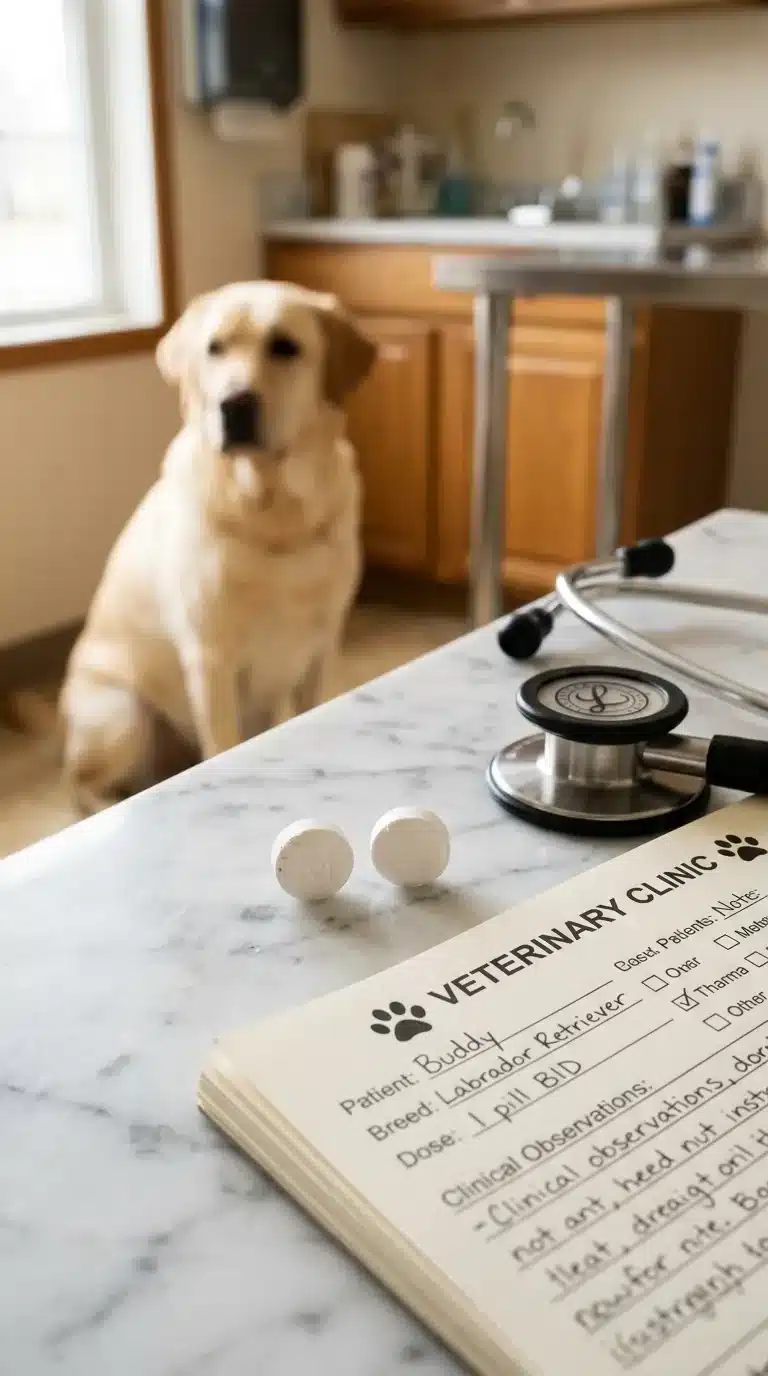
Zenrelia and Apoquel are both oral Janus kinase, or JAK, inhibitors that reduce itch signals. They differ in active ingredient, label details, and the amount of post-launch real-world familiarity many vets have with them.
Apoquel is approved by the U.S. Food and Drug Administration for control of pruritus associated with allergic dermatitis and control of atopic dermatitis in dogs at least 12 months old. Zenrelia is also FDA-approved, but owners should review the current label with their veterinarian because newer products can carry tighter warnings and use limitations.
BEFORE YOU SCROLL PAST
Readers Also Loved:
👉 How To Spot Early Signs Of Canine Dementia In Senior Dogs
| Feature | Zenrelia | Apoquel |
|---|---|---|
| Active ingredient | Ilunocitinib | Oclacitinib |
| Drug class | JAK inhibitor | JAK inhibitor |
| Form | Oral tablet | Oral tablet |
| Main use | Allergic itch control | Allergic itch and atopic dermatitis control |
| Age limits | Check current label with your vet | Not for dogs under 12 months |
| Monitoring focus | Infections, overall health, label cautions | Infections, masses, bloodwork when indicated |
Why owners care about mechanism less than results
Most owners do not care that a pathway is called JAK1 or JAK family signaling. They care whether the dog sleeps, stops chewing paws, and avoids repeat ear or skin infections.
That is why your vet often compares the whole case, not just the active ingredient. A dog with ongoing yeast, a history of demodex, or unexplained lumps may need a different plan before any switch happens.
FDA-approved prescribing information matters more than online opinions because it lists who should avoid the drug, what side effects were seen, and what follow-up is advised.
If your dog's skin is flaky or greasy, symptom control alone may miss the root cause. This article on corn chip smell in dogs explains why odor can point to yeast or bacterial overgrowth rather than simple dryness.
Which one works faster, and what changes should you expect at home?

Both Zenrelia and Apoquel are designed to reduce itch quickly, but individual response can vary within the first days to weeks. The at-home signs that matter most are scratching frequency, sleep, paw licking, skin redness, and whether infections keep returning.
Apoquel prescribing information notes itch reduction can begin within hours in many dogs. For Zenrelia, owners should rely on the current product label and their veterinarian's guidance rather than assuming an identical timeline.
- Track scratching at the same times each day.
- Check paws, ears, belly, and armpits for redness.
- Note sleep quality and nighttime restlessness.
- Watch for vomiting, diarrhea, or low energy after dosing.
- Take weekly photos to spot small skin changes.
What improvement usually looks like
Early improvement often means less frantic scratching, fewer wake-ups overnight, and less chewing on feet. Hair regrowth usually takes longer because inflamed skin needs time to settle.
If the skin still smells bad, looks sticky, or develops new bumps, the drug may not be the main issue. Your dog may need treatment for secondary infection, a diet trial, or flea control even if the itching improves.
Some owners find a simple routine helps them judge progress more clearly, such as logging symptoms near the dog's meds and using a pet medication organizer to avoid missed doses.
BEFORE YOU SCROLL PAST
Readers Also Loved:
👉 How To Care For Your Female Frenchie During Her First Heat
If your dog is still miserable after the first follow-up window your vet gave you, ask whether the diagnosis or the treatment plan needs to change.
What side effects and safety warnings matter most before switching?
Before switching from Apoquel to Zenrelia, or the other way around, the biggest safety questions are infection risk, age restrictions, breeding status, and any history of cancer, serious illness, or immune-related problems. These drugs are not casual over-the-counter swaps.
The FDA-approved Apoquel label warns against use in dogs less than 12 months old and notes it may increase susceptibility to infection and can exacerbate neoplastic conditions. The official labels and client information sheets are the best source for current warnings on Zenrelia as well.
| Safety concern | Why it matters | What to ask your vet |
|---|---|---|
| Young age | Some itch drugs have age limits | Is my dog old enough for this label? |
| Active infection | Immune effects may complicate recovery | Should we treat infection first? |
| Cancer history or masses | Some labels urge caution | Do we need tests before starting? |
| Breeding, pregnancy, lactation | Use may be limited or not recommended | Is there a safer option now? |
| Other medications | Combined effects may change risk | Are there interaction concerns? |
Red flags owners should not ignore
Call your vet promptly for vomiting that keeps going, new skin pustules, facial swelling, hives, marked lethargy, coughing, or sudden behavior changes. Also call if your dog develops an ear flare, hot spot, or fever soon after the switch.
Behavior changes are not always drug related, but they deserve attention. If your dog has become unusually reactive or shut down during medical handling, this piece on how past trauma or mistreatment influences a dog's reaction may help you prepare better for vet visits.
MOST POPULAR THIS WEEK
Readers Also Loved: 👇
👉 How To Stop Dogs From Scratching Ears Raw
- Do not start or stop prescription itch drugs without veterinary advice.
- Do not assume a lower scratch score means the skin infection is gone.
- Do not use leftover tablets from another dog.
- Do not skip rechecks if your vet wants bloodwork or a skin exam.
For direct label details, review the FDA Apoquel information for dog owners and veterinarians. For allergy basics and skin disease guidance, the American Animal Hospital Association offers useful veterinary resources, though your dog's label and vet plan still come first.
How do vets decide whether a dog should switch from Apoquel to Zenrelia?
Vets usually decide on a switch by asking two questions: is the current drug failing, and is the alternative safer or more practical for this dog. If the answer to both is yes, a switch may make sense.
The decision is rarely based on itch alone. Cost, dosing convenience, recurrent infections, side effects, and whether the original diagnosis was complete all matter.
Common reasons a vet may consider switching
- Itch control is incomplete despite correct dosing.
- Your dog gets side effects that outweigh the benefit.
- The current drug no longer fits your budget.
- Your vet wants a label that better matches the case.
- There are concerns about long-term tolerance or practicality.
Sometimes the better answer is not switching between oral drugs at all. A dog with seasonal flares might do better with an injection, skin infection treatment, and stricter flea control instead of another tablet change.
If you are also reviewing non-prescription support, this guide to natural alternatives to Cytopoint and Apoquel for dog skin issues can help you separate supportive care from prescription therapy.
Questions to bring to the appointment
Bring a short symptom log, photos, and a medication list. If your dog has trouble with pills, showing the exact product or treat used at home can save time.
Some owners also bring a few doses hidden in a dog pill pocket so the clinic can confirm whether administration itself is part of the problem.
When allergy drugs seem to stop working, vets often revisit the diagnosis first because fleas, food reactions, mites, and infections can all mimic a medication failure.
What is the safest way to switch from Apoquel to Zenrelia?
The safest way to switch from Apoquel to Zenrelia is to follow your veterinarian's written plan exactly. Do not guess about overlap, washout periods, or dose timing because label guidance and case details can differ.
Some dogs can transition smoothly, while others need infection treatment, skin tests, or a recheck before any change. The goal is not just replacing one pill with another, but avoiding a flare or preventable side effect.
- Confirm the diagnosis. Make sure the itch is really allergy-related and not fleas, mites, ringworm, or infection.
- Review the current label. Ask your vet about age, disease history, pregnancy status, and any drug cautions.
- Get a written schedule. Success looks like clear instructions on stop date, start date, dose, and missed-dose rules.
- Monitor daily. Record itch, sleep, stool, appetite, paw licking, and any skin odor or discharge.
- Attend the recheck. Success looks like fewer symptoms without new infections or notable adverse effects.
What to monitor in the first two weeks
The first two weeks tell you whether the new plan is helping or whether the dog simply needs more skin support. Keep notes on ears, feet, belly, and stool consistency because these are easy to forget later.
Good photos matter more than memory. If your dog wears recovery gear to stop chewing during the switch, a soft soft dog recovery cone can help protect the skin while your vet judges whether the medication is truly working.
What mistakes do owners make when comparing Zenrelia and Apoquel?
The most common mistakes are treating the drugs like simple substitutes and focusing only on itch speed. Real success depends on diagnosis, infection control, and how your dog tolerates the full plan.
- Switching without a diagnosis: The consequence is ongoing scratching from fleas, food allergy, or infection. The fix is a proper skin workup.
- Ignoring age and label limits: The consequence is avoidable risk. The fix is checking the current prescribing information before changing drugs.
- Stopping too early: The consequence is calling a drug a failure before skin inflammation settles. The fix is following your vet's review timeline.
- Missing secondary infections: The consequence is a dog that still licks, smells, and scratches. The fix is treating ears and skin when needed.
- Relying on forums over records: The consequence is a decision based on someone else's dog. The fix is using symptom logs and vet guidance.
The best comparison is not owner story versus owner story. It is your dog's diagnosis, response, and risk profile versus the drug label.
For older pets, a sudden itch change can overlap with other health changes that deserve separate attention. If your dog is senior, this article on early signs of canine dementia in senior dogs may help you spot issues that are not skin-related.
Frequently Asked Questions About Zenrelia vs Apoquel for Dogs: What Real Owners Need to Know Before Switching
Can I switch my dog from Apoquel to Zenrelia overnight?
Can you switch your dog from Apoquel to Zenrelia overnight depends on your veterinarian's plan and the current product labels. Some dogs may transition easily, but others need a different timing schedule or treatment for infection first.
Is Zenrelia safer than Apoquel?
Is Zenrelia safer than Apoquel has no one-size-fits-all answer. Safety depends on your dog's age, health history, infection risk, other medications, and the exact label warnings your vet is using.
Does Zenrelia work faster than Apoquel?
Does Zenrelia work faster than Apoquel is not something owners should assume from online comparisons. Apoquel has established label information on rapid itch relief, while Zenrelia timing should be confirmed from its current prescribing information.
Why is my dog still itchy after switching medications?
Why your dog is still itchy after switching medications often comes down to an incomplete diagnosis or a secondary infection. Fleas, yeast, bacteria, food allergy, and mites can all keep itch going even when the drug is active.
Can dogs take Zenrelia or Apoquel long term?
Can dogs take Zenrelia or Apoquel long term depends on veterinary oversight and how your dog responds. Long-term plans usually involve rechecks, monitoring for infections or masses, and adjusting treatment if the case changes.
Should I ask about Cytopoint instead of switching pills?
Should you ask about Cytopoint instead of switching pills is a fair question if dosing is hard or side effects are a concern. Some dogs do better with an injection-based plan, especially when owners struggle with daily tablets.
Conclusion
The biggest takeaway is simple: switching from Apoquel to Zenrelia should be a medical decision, not a trial-and-error guess. The right choice depends on your dog's diagnosis, label fit, and how the whole skin picture looks, not just the scratching.
One useful action you can take today is to start a seven-day itch log with photos of the paws, ears, belly, and any red spots before your next appointment. If your dog needs daily meds for any condition, keeping the routine calm can matter just as much as the tablet, just like routine matters in unrelated care topics such as how much dogs bleed during their first heat.
Your vet cannot choose well without a clear baseline. Give them that, ask direct questions, and you will make a smarter switch for your dog.


