How to Spot Early Signs of Canine Dementia in Senior Dogs

Watching your dog get older is one of the bittersweet parts of being a pet parent. You notice the gray muzzle, the slower walks, and maybe a few more naps throughout the day. But sometimes what looks like normal aging is actually something deeper — a condition called canine cognitive dysfunction (CCD), which is the dog version of dementia.
The tricky part? The early signs are easy to miss or brush off. Many pet owners tell us they assumed their dog was just slowing down with age, not realizing something neurological was going on. By the time the signs became obvious, the condition had already progressed further than it needed to.
This article will walk you through exactly what to look for, what it means, and what you can do right now to help your senior dog. Whether you have a 10-year-old Lab or an aging French Bulldog, this guide is written to give you clear, honest, and actionable information you can use today.
🛒 What Every Frenchie Owner Needs Right Now
Get Weekly Dog Care Tips Free
Join 10,000+ dog owners. Vet-approved advice every week
🔒 No spam. Unsubscribe anytime.
Common Early Signs of Canine Dementia You Should Know
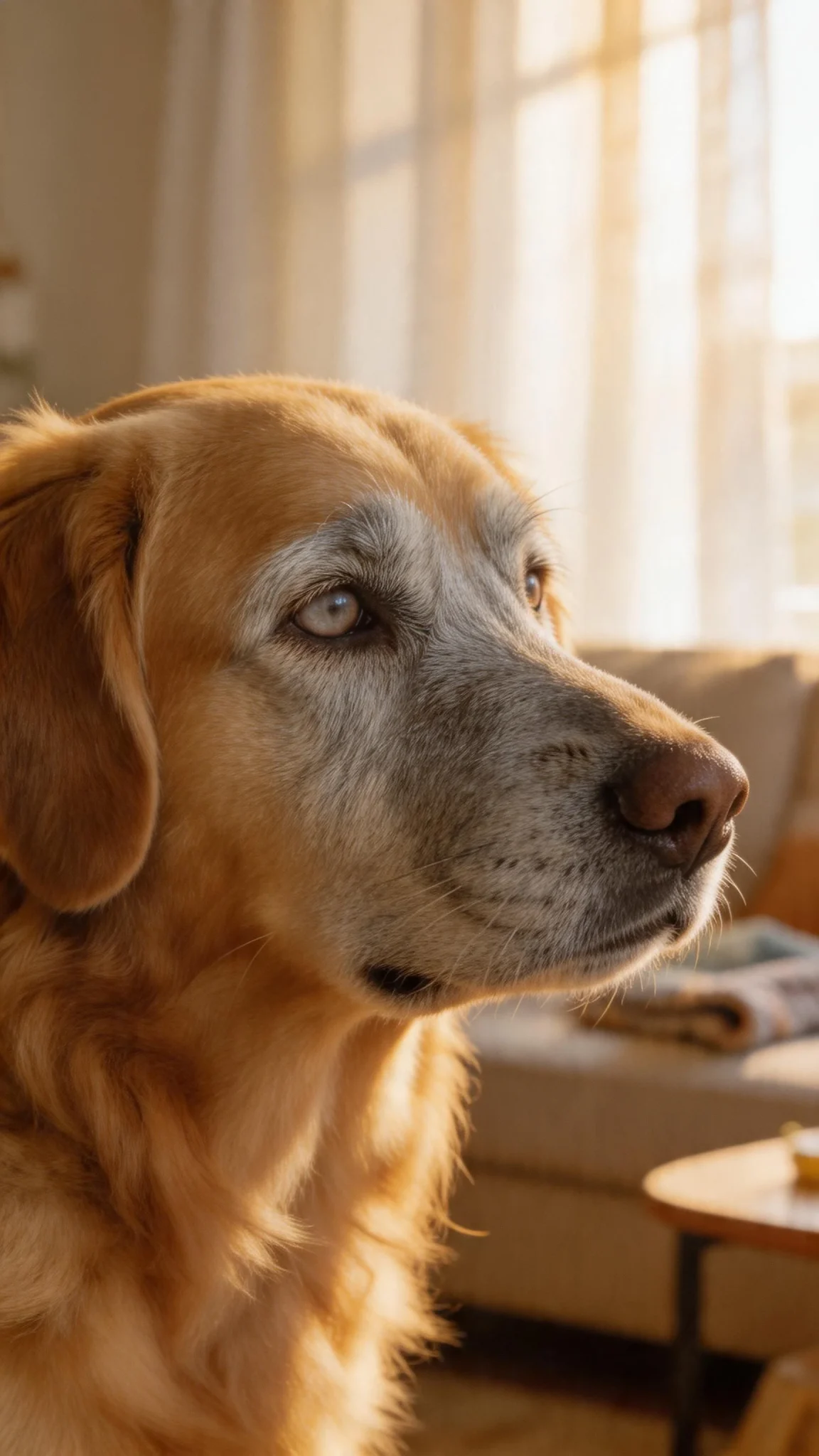
Canine dementia typically affects dogs aged 9 and older, though some breeds can show signs earlier. Research published in Frontiers in Veterinary Science found that nearly 68% of dogs aged 15 to 16 show at least one sign of cognitive dysfunction — yet the condition is widely underdiagnosed.
Here are the key early warning signs to watch for:
- Staring blankly at walls or into space for no obvious reason
- Getting “stuck” in corners or behind furniture and not knowing how to back out
- Forgetting learned commands or house training they have known for years
- Disrupted sleep patterns — waking up restless at night and sleeping more during the day
- Reduced interest in play or greeting family members
- Increased anxiety, pacing, or vocalizing, especially in the evening
- Confusion about familiar routines, like forgetting where the food bowl is
If your dog is showing two or more of these signs regularly, it is worth scheduling a vet appointment. Early diagnosis gives you more options and more time.
Understanding What Canine Cognitive Dysfunction Actually Is

Canine cognitive dysfunction is a progressive neurological condition caused by physical and chemical changes in the brain. Think of it as similar to Alzheimer’s disease in humans. Beta-amyloid plaques build up in the brain, and oxidative stress damages neurons over time. The result is a dog who seems confused, disconnected, or unlike their usual self.
🛒 Vets Use For Their Own Frenchies
Which Dogs Are Most at Risk
Any senior dog can develop CCD, but large breeds tend to show signs earlier because they age faster overall. Dogs over 11 years old are in the highest-risk group. Spayed or neutered dogs, dogs with prior health issues, and dogs who have had limited mental stimulation throughout their lives may also be more vulnerable.
In our experience, French Bulldogs and other brachycephalic breeds that already deal with neurological sensitivities can be especially worth monitoring closely as they age. If your dog also deals with chronic discomfort or inflammation — like ongoing skin issues that require treatments such as those discussed in our guide on Cytopoint vs Apoquel for dogs — that underlying stress on the body may compound cognitive aging.
How CCD Differs From Normal Aging
Normal aging in dogs means moving a little slower, having less energy, and needing more sleep. Canine dementia goes further. The difference is that CCD affects behavior, memory, and awareness — not just physical energy levels. A dog who is simply aging will still recognize you, still follow their routine, and still respond to their name. A dog with early CCD may do none of those things reliably.
The DISHA Framework — A Practical Tool for Spotting Symptoms
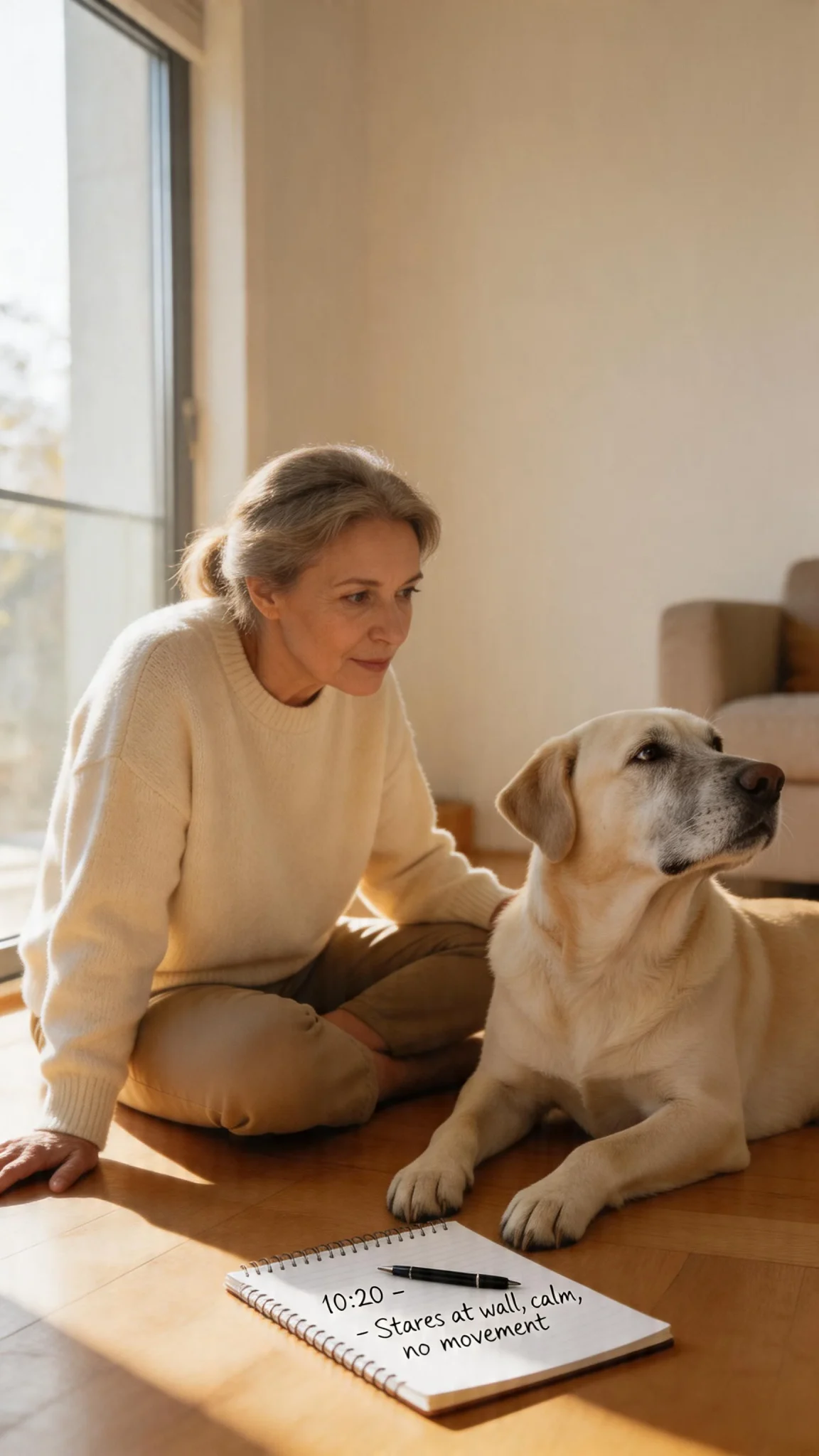
Veterinarians commonly use the DISHA model to categorize signs of canine cognitive dysfunction. It stands for Disorientation, Interactions, Sleep-wake changes, House soiling, and Activity level changes. Using this framework helps you have a more productive conversation with your vet.
Disorientation
Your dog may seem lost in familiar spaces. One of our readers described her 13-year-old Golden Retriever standing in the backyard and staring at the fence as if he had never seen it before — for several minutes at a time. He would also walk into rooms and then seem confused about why he was there. These are classic early disorientation signs.
Interaction Changes
A dog with early dementia may stop seeking out affection, stop greeting you at the door, or seem emotionally flat. On the flip side, some dogs become clingy and anxious. Any sudden change in how your dog interacts with people or other pets deserves attention.
Sleep-Wake Cycle Disruption
This is one of the most common early signs. Your dog may sleep heavily during the day and then pace, whine, or seem restless all night. This overnight restlessness is exhausting for both the dog and the family. A supportive orthopedic dog bed placed in a calm area can sometimes help settle a restless senior dog at night.
House Soiling
If your house-trained dog suddenly starts having accidents indoors, do not automatically assume it is a physical bladder issue. CCD can cause dogs to forget their training entirely. This sign alone sends many owners to the vet, and it is often the moment the CCD diagnosis is first considered.
Activity Level Changes
Watch for a dog who stops doing things they used to love — fetching, greeting visitors, sniffing on walks. Decreased activity combined with aimless pacing or repetitive movements is a red flag worth noting.
How to Monitor Your Senior Dog at Home

You do not need expensive equipment to start tracking your dog’s cognitive health. What you need is consistency and observation.
- Keep a behavior journal. Write down specific incidents — date, time, what happened, and how long it lasted. This gives your vet real data instead of vague impressions.
- Film the behavior. Dogs often act completely normal at the vet. A short phone video of your dog staring blankly or getting stuck in a corner is far more useful than a verbal description.
- Use a cognitive scoring checklist. Ask your vet for a validated tool like the Canine Cognitive Dysfunction Rating Scale. Some clinics offer these as printable handouts.
- Do a monthly awareness test. Call your dog’s name from another room once a month and note the response. Check if they remember where their food bowl is, their favorite toy, or the path to the door.
- Track sleep patterns. Note how many times your dog wakes at night and whether the pattern is worsening over time.
What we have found works best is combining a video record with a simple weekly checklist. It takes about five minutes a week and gives you a much clearer picture of whether things are stable or progressing.
What Your Vet Will Do — And What You Can Ask For

When you visit your vet with concerns about canine dementia, they will typically start by ruling out other conditions. Hypothyroidism, urinary tract infections, pain, vision loss, and hearing loss can all mimic dementia symptoms. This is why a thorough physical and blood panel is the first step, not a dementia diagnosis.
Once other causes are ruled out, your vet may diagnose CCD based on your dog’s history and symptom pattern. There is currently no single definitive test for CCD, so behavioral history is critical — which is exactly why keeping that journal matters so much.
🛒 Frenchie Owners Are Grabbing These Too
Treatment and Management Options
There is no cure for canine cognitive dysfunction, but there are real ways to slow progression and improve quality of life:
- Selegiline (Anipryl) — the only FDA-approved medication for CCD in the US. It works best in mild to moderate cases.
- Prescription diets formulated with antioxidants and omega-3 fatty acids, such as Hill’s b/d or Royal Canin’s Mature Consult.
- Supplements like SAMe, melatonin for sleep, and medium-chain triglyceride (MCT) oil have shown some benefit in studies. A senior dog cognitive support supplement can be a helpful addition alongside vet-prescribed treatment.
- Mental enrichment — puzzle feeders, new smells, short training sessions, and gentle new experiences help keep the brain active.
- Environmental modifications — nightlights, consistent furniture placement, and interactive puzzle feeders can reduce confusion and anxiety at home.
Keeping your dog’s overall health in good shape also matters. If your senior dog has recurring ear issues or skin problems alongside cognitive changes, addressing those separately — as covered in our guide on how to stop dogs from scratching ears raw — helps reduce overall stress on the body.
Practical Lifestyle Adjustments That Make a Real Difference
Medication and vet care are one part of the picture, but what you do at home every single day has a huge impact on a dog with early CCD.
Keep Routines Consistent
Dogs with dementia rely heavily on routine because it compensates for what their memory can no longer do. Feed at the same time every day. Walk the same routes. Keep furniture in the same positions. Even small changes can cause significant confusion and anxiety for a dog whose brain is already struggling.
Gentle Mental Stimulation Daily
Short, low-pressure mental activities — sniff walks, hiding small treats around the house, or a simple five-minute training refresher — can stimulate neural activity without overwhelming your dog. Think of it as gentle exercise for the brain. A snuffle mat for dogs is an affordable, easy way to add nose-work enrichment into your dog’s daily routine.
Nighttime Support
If your dog is restless at night, try adding a dim plug-in nightlight near their sleeping area. Darkness can worsen confusion in dogs with CCD. A familiar item with your scent — like an old T-shirt — in their sleeping space can also reduce overnight anxiety.
If your dog shows signs consistent with Malassezia or other skin conditions that cause nighttime discomfort, treating those issues can also reduce overnight restlessness that might otherwise be attributed to CCD alone.
Frequently Asked Questions About How to Spot Early Signs of Canine Dementia in Senior Dogs
At What Age Do Dogs Typically Develop Dementia?
Most cases of canine cognitive dysfunction are diagnosed in dogs aged 9 and older, with prevalence increasing sharply after age 11. Some studies suggest that by age 15, more than two-thirds of dogs show at least one sign. Large breeds tend to show signs earlier than small breeds because they age faster overall.
Can Canine Dementia Be Prevented?
There is no guaranteed prevention, but lifelong mental stimulation, regular exercise, a high-quality diet rich in antioxidants and omega-3 fatty acids, and routine veterinary care all appear to reduce the risk or delay onset. Keeping your dog mentally and physically active throughout their life is the single best thing you can do.
Is My Dog in Pain If They Have CCD?
CCD itself is not considered painful in the way a physical injury is. However, the confusion and disorientation can cause significant anxiety and distress. Managing that anxiety — through routine, enrichment, medication if needed, and a calm home environment — is a key part of caring for a dog with cognitive dysfunction.
How Quickly Does Canine Dementia Progress?
Progression varies widely between individual dogs. Some dogs remain stable with mild symptoms for years, especially with treatment and lifestyle support. Others progress more quickly over months. This is why early detection matters so much — catching it early gives you more tools and more time to slow things down.
Should I Still Walk My Dog If They Have Early Dementia?
Yes, absolutely. Gentle regular exercise supports brain health and helps regulate sleep-wake cycles. Keep walks calm, familiar, and predictable. Avoid new chaotic environments that could increase confusion. Short daily walks on familiar routes are ideal.
Can Other Health Issues Mimic Dementia Symptoms in Dogs?
Yes, and this is why a vet visit is essential before assuming CCD. Conditions like hypothyroidism, Cushing’s disease, urinary tract infections, hearing or vision loss, chronic pain, and even certain medications can produce similar behavioral changes. Your vet will want to rule these out first with bloodwork and a physical exam.
Your Dog Deserves Early, Attentive Care
Spotting early signs of canine dementia is not about being an anxious owner — it is about being an attentive one. The earlier you recognize the signs, the sooner you can work with your vet on a plan that keeps your dog comfortable, engaged, and connected to the life they love. CCD is not a reason to give up hope. It is a reason to pay closer attention and act sooner.
Start today by spending five minutes watching your senior dog’s behavior and writing down anything that seems off or different from six months ago. That simple step could be the beginning of catching something early enough to make a real difference. You know your dog better than anyone — trust that instinct, and do not wait for the signs to become impossible to ignore.