
How Long Does Zenrelia Take to Work in Dogs With Allergies?

Your dog is scratching constantly, chewing their paws, and losing sleep — and so are you. You’ve started Zenrelia and now the question burning in your mind is: how long does Zenrelia take to work in dogs with allergies? The answer depends on a few key factors, but most dogs begin showing signs of relief faster than owners expect.
Zenrelia (oclacitinib) is a JAK inhibitor approved by the FDA for controlling allergic and atopic dermatitis in dogs. Understanding its timeline helps you set realistic expectations and catch early signs of improvement before you give up too soon.
How Long Does Zenrelia Take to Work in Dogs With Allergies?

Zenrelia typically starts reducing itch and allergy symptoms in dogs within 4 hours of the first dose. Most dogs show noticeable improvement within 1 to 3 days. Full control of chronic atopic dermatitis may take up to 30 days of consistent twice-daily dosing during the initial treatment phase.
- First signs of itch relief: within 4–12 hours of initial dose
- Visible comfort improvement: usually within 24–72 hours
- Significant skin lesion reduction: often by day 7–14
- Full therapeutic effect for chronic cases: up to 30 days
- Maintenance dosing switches to once daily after the first 14 days
- Response varies by allergy type, severity, and individual dog
What Is Zenrelia and How Does It Control Allergies?
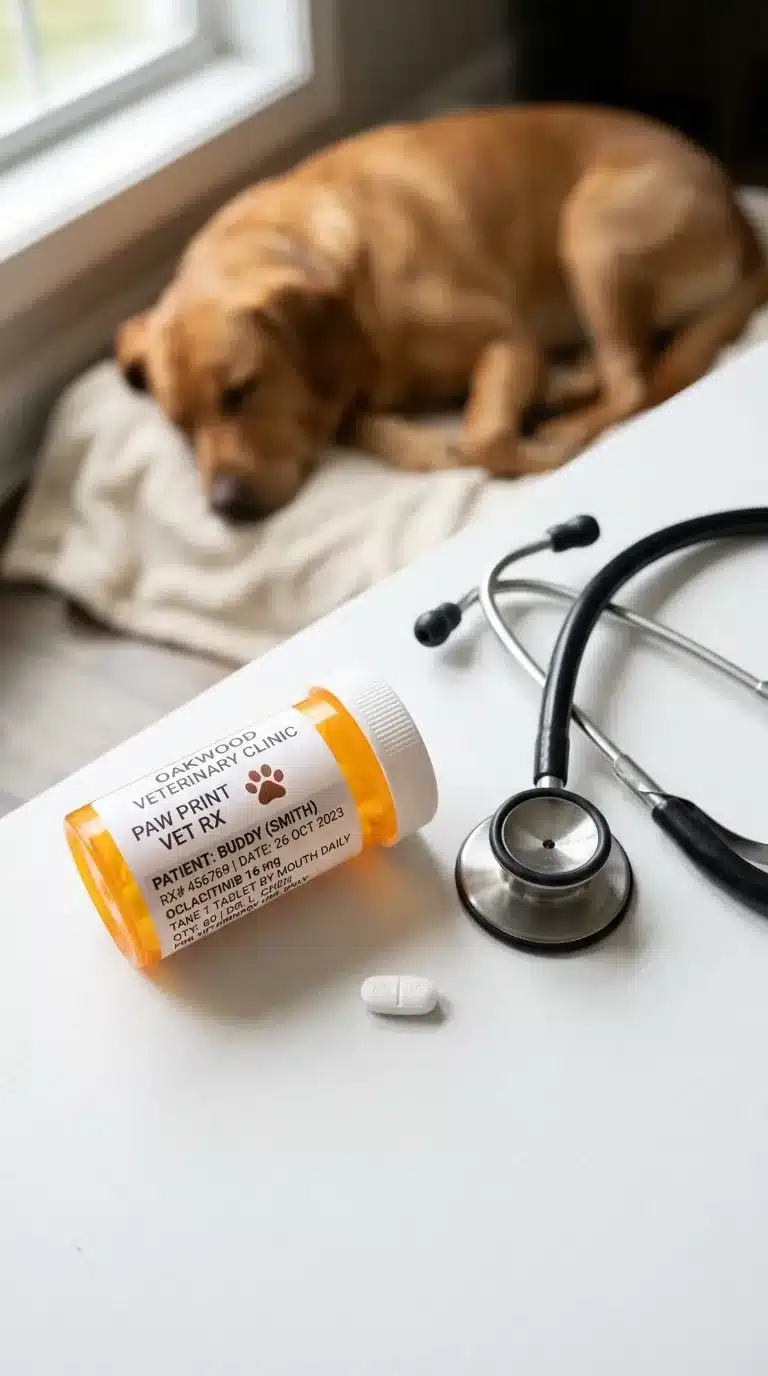
Zenrelia is an oclacitinib tablet manufactured by Elanco, approved by the U.S. FDA in 2024 as a generic alternative to Apoquel. It works by blocking Janus kinase (JAK) enzymes — specifically JAK1 — that drive the itch and inflammation signals associated with allergic skin disease.
By targeting the JAK pathway directly, Zenrelia interrupts the itch-scratch cycle at a cellular level rather than just masking symptoms.
Get Weekly Dog Care Tips Free
Join 10,000+ dog owners. Vet-approved advice every week
🔒 No spam. Unsubscribe anytime.
This mechanism is why the drug acts so quickly compared to older allergy treatments like steroids, which require longer ramp-up periods. If you’re weighing options for your dog, the comparison between Cytopoint vs. Apoquel for dogs covers how JAK inhibitors stack up against monoclonal antibody treatments.
“Oclacitinib has demonstrated rapid onset of action, with significant reductions in pruritus scores observed within 24 hours in controlled clinical studies.” — FDA Freedom of Information Summary, Apoquel (oclacitinib) NADA 141-444
Zenrelia is approved for dogs aged 12 months and older. It controls itch caused by allergic dermatitis and atopic dermatitis — two of the most common reasons dogs scratch obsessively.
BEFORE YOU SCROLL PAST
Readers Also Loved:
👉 How To Spot Early Signs Of Canine Dementia In Senior Dogs
The Zenrelia Dosing Timeline: What to Expect Week by Week
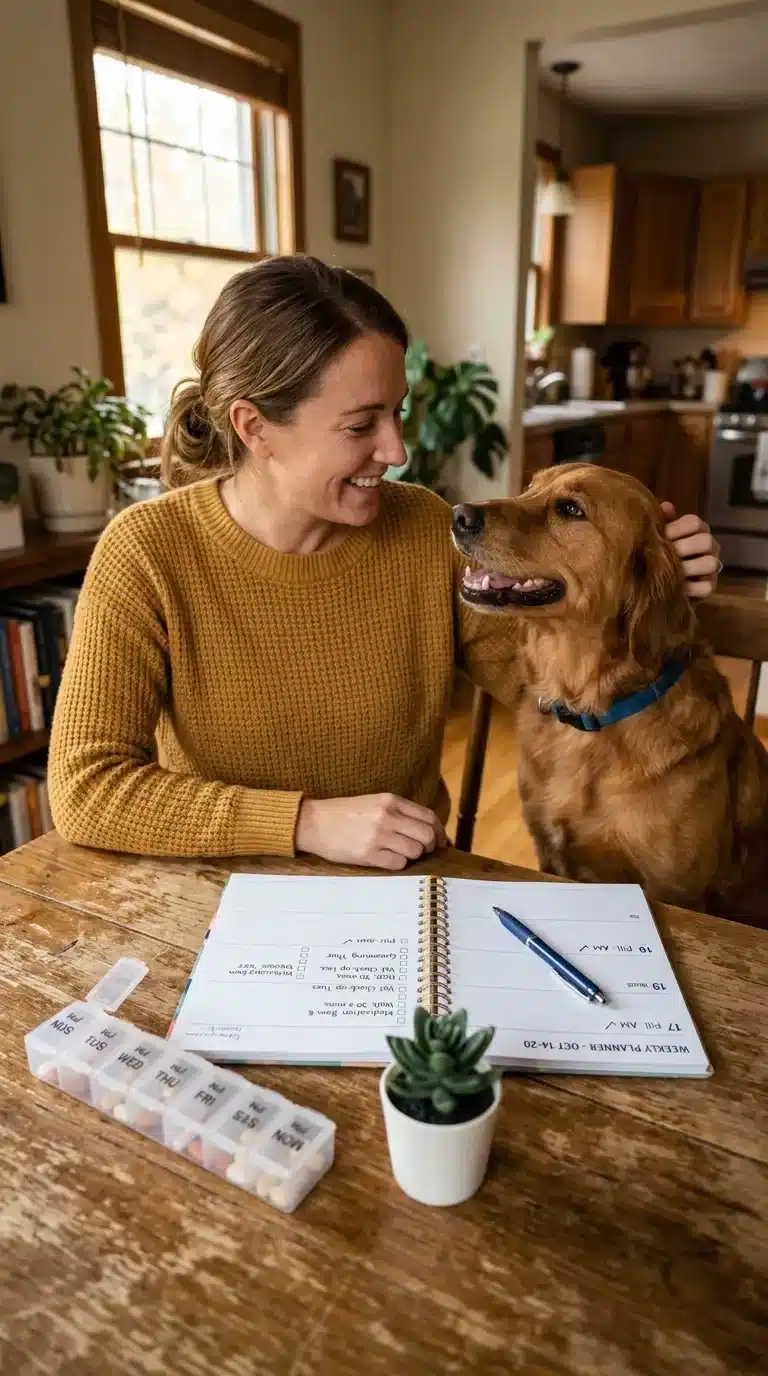
The Zenrelia treatment schedule follows a structured two-phase approach. Knowing what each phase looks like helps you track whether the medication is working as expected.
Phase 1: The First 14 Days
During weeks one and two, Zenrelia is given twice daily (approximately every 12 hours). This loading phase builds therapeutic drug levels and produces the fastest relief.
- Hours 4–12: Itch signaling begins to drop; your dog may scratch less noticeably
- Day 1–3: Most dogs show visible comfort improvements — less pawing, less face-rubbing
- Day 7–14: Skin redness and hot spots often start to resolve as inflammation decreases
Phase 2: Day 15 Onward
After 14 days, dosing drops to once daily for long-term management. Some dogs with mild seasonal allergies may only need treatment during their peak allergy season. Dogs with year-round atopic dermatitis typically stay on maintenance dosing continuously.
If your dog is still scratching heavily at day 14, contact your vet before assuming the drug isn’t working — some dogs need a dosage reassessment based on body weight. Using a well-fitted dog recovery cone collar during the early treatment days can prevent your dog from worsening skin damage while Zenrelia kicks in.
Factors That Affect How Quickly Zenrelia Works
Not every dog responds on the same timeline. Several variables influence how fast — and how completely — Zenrelia controls allergy symptoms.
| Factor | Faster Response | Slower Response |
|---|---|---|
| Allergy severity | Mild to moderate | Severe or chronic |
| Allergy type | Environmental (seasonal) | Food-triggered or mixed |
| Skin infection present | No secondary infection | Active bacterial/yeast infection |
| Dog’s age | Younger adults | Senior dogs with comorbidities |
| Dosing consistency | Given same time daily | Missed or inconsistent doses |
Secondary skin infections are one of the most overlooked reasons Zenrelia appears to work slowly. Oclacitinib controls the immune-driven itch, but it won’t clear a bacterial or yeast infection on its own. Your vet may prescribe a concurrent antibiotic or antifungal in those cases.
If your dog has a secondary infection alongside allergies, treating both conditions simultaneously gives Zenrelia the best chance of working on schedule.
Environmental allergies — like reactions to grass pollen or dust mites — tend to respond faster than food allergies, because removing the trigger isn’t necessary for the drug to act. If your dog is a French Bulldog or another brachycephalic breed prone to skin folds, learning to identify and treat environmental allergies in French Bulldogs can help you support Zenrelia’s effectiveness at home.
BEFORE YOU SCROLL PAST
Readers Also Loved:
👉 How To Care For Your Female Frenchie During Her First Heat
Monitoring Progress: Signs Zenrelia Is Working
Tracking your dog’s response doesn’t require lab work — behavioral and physical signs tell a clear story. Knowing what to look for prevents both premature discontinuation and missing a lack of response.
Positive Signs Within the First Week
- Scratching frequency drops noticeably during the day
- Dog sleeps through the night without waking to scratch
- Paw chewing and face rubbing become less obsessive
- Skin redness starts to fade at previously inflamed sites
- Dog seems generally more comfortable and less restless
Signs That Warrant a Vet Call
- No change in scratching intensity after 5–7 days
- New skin lesions or open sores appearing after starting treatment
- Vomiting, diarrhea, or lethargy that begins after the first dose
- Ear infections developing or worsening (common alongside atopic dermatitis)
Keeping a simple photo log of your dog’s skin every 3–4 days gives your vet useful visual data. A pack of pet grooming wipes used daily on skin fold areas can also reduce allergen accumulation and support healing while Zenrelia works systemically.
One thing worth noting separately: a persistent corn chip smell in dogs often signals a yeast overgrowth in the paws — a common secondary issue in allergic dogs that Zenrelia alone won’t address.
Common Mistakes That Delay Zenrelia Results
Even when Zenrelia is the right medication, certain owner and management errors slow or mask the drug’s effectiveness.
- Skipping doses: Missing even one dose in the two-week loading phase can drop blood levels and delay the onset of full itch control. Set a phone reminder to maintain a consistent 12-hour schedule.
- Expecting instant elimination of symptoms: Zenrelia reduces itch rapidly, but inflamed, thickened skin takes longer to heal. Early scratch reduction is success — full skin recovery follows later.
- Not addressing secondary infections: Giving Zenrelia while an untreated bacterial or yeast skin infection is active leads to partial results. Always confirm with your vet whether antibiotics or antifungals are needed alongside Zenrelia.
- Overlooking food allergens: If your dog’s allergies are food-driven, Zenrelia controls the itch but the underlying trigger remains. A concurrent food elimination trial gives a fuller picture of what’s causing the reaction.
- Stopping at the first improvement: Some owners discontinue treatment once scratching drops, only to see symptoms return within days. Follow the full prescribed course unless your vet advises otherwise.
How Zenrelia Compares to Other Allergy Treatments on Speed
Understanding where Zenrelia sits in the treatment timeline helps you choose the right tool — or know what to add if Zenrelia needs support.
MOST POPULAR THIS WEEK
Readers Also Loved: 👇
👉 How To Stop Dogs From Scratching Ears Raw
| Treatment | Onset of Action | Notes |
|---|---|---|
| Zenrelia (oclacitinib) | 4–12 hours | Daily oral tablet; FDA-approved generic |
| Apoquel (oclacitinib) | 4–12 hours | Same active ingredient; brand version |
| Cytopoint (lokivetmab) | 24–48 hours | Monthly injection; targets IL-31 |
| Prednisone (steroid) | 12–24 hours | Fast but significant long-term side effects |
| Immunotherapy (allergy shots) | 6–12 months | Addresses root cause; slow build-up required |
| Antihistamines | 1–2 hours | Limited efficacy in dogs for atopic disease |
Zenrelia and Apoquel share identical active ingredients and timelines because they are bioequivalent — Zenrelia is simply the FDA-approved generic form. A high-quality omega-3 fish oil supplement for dogs used alongside Zenrelia can support skin barrier repair, which may help your dog’s coat and skin recover faster once the itch cycle is broken.
For senior dogs who develop allergy-like itching later in life, it’s worth ruling out neurological or age-related changes. The guide on spotting early signs of canine dementia in senior dogs outlines behavioral shifts that can sometimes be confused with allergy-driven restlessness.
Frequently Asked Questions About How Long Does Zenrelia Take to Work in Dogs With Allergies?
Can Zenrelia start working the same day you give it?
Yes, Zenrelia can begin reducing itch signals within 4 hours of the first dose. Most owners notice their dog scratching less within the first day, though full symptom control develops over 1–2 weeks.
What if my dog isn’t better after 2 weeks on Zenrelia?
If your dog shows no meaningful improvement after 14 days, contact your vet. An untreated secondary infection, incorrect dosing, or an unidentified food allergen may be limiting the drug’s effectiveness.
Is Zenrelia the same as Apoquel for dogs?
Zenrelia and Apoquel contain the same active ingredient — oclacitinib — and have the same onset time of 4–12 hours. Zenrelia is the FDA-approved generic version, typically available at a lower cost.
Does Zenrelia need to be given with food?
Zenrelia can be given with or without food. Giving it with a small meal may reduce the chance of stomach upset, which is a mild but possible side effect in some dogs during early treatment.
How long does a dog need to stay on Zenrelia?
Dogs with seasonal allergies may only need Zenrelia during their peak allergy period. Dogs with year-round atopic dermatitis are often kept on once-daily maintenance dosing long-term under veterinary supervision.
Can Zenrelia be used for puppies?
Zenrelia is approved for dogs 12 months of age and older. It has not been evaluated for safety in dogs under one year, so it should not be used in puppies without specific veterinary guidance.
The Bottom Line on Zenrelia’s Timeline
Zenrelia starts working within hours — most dogs show measurable itch relief within the first day. The complete picture, including skin healing and long-term allergy control, develops over 2 to 4 weeks with consistent dosing.
The single most useful action you can take today is to call your vet, confirm there are no secondary infections complicating the response, and set a daily phone alarm to maintain your dog’s dosing schedule. Consistency is what turns a fast-acting drug into lasting relief.
Your dog can’t tell you they’re feeling better in words — but a quieter night and calmer paws say everything. For a deeper understanding of your dog’s overall health needs alongside allergy treatment, explore how to identify and treat environmental allergies in French Bulldogs for breed-specific guidance that applies broadly to atopic dogs of any breed.
For authoritative prescribing information, consult the FDA Approved Animal Drug Products database or speak directly with a licensed veterinarian.


