
How to Identify and Treat Environmental Allergies in French Bulldogs

Watching your beloved French Bulldog itch, sneeze, or look uncomfortable can feel overwhelming, especially when you aren’t sure what’s causing the problem. You want your furry friend to be happy, healthy, and free from discomfort, but environmental allergies can sometimes stand in the way.
Environmental allergies are a common issue for French Bulldogs. Their sensitive skin and unique anatomy make them more likely to react to everyday things like pollen, dust, grasses, and even certain cleaning products. Spotting the signs and knowing what to do can make a big difference in your Frenchie’s quality of life.
This guide will help you quickly recognize the signs of environmental allergies in your French Bulldog and walk you through the most effective ways to treat and manage them—keeping your pup comfortable and healthy all year round.
🛒 What Every Frenchie Owner Needs Right Now
Get Weekly Dog Care Tips Free
Join 10,000+ dog owners. Vet-approved advice every week
🔒 No spam. Unsubscribe anytime.
Identifying and Managing Environmental Allergies in French Bulldogs
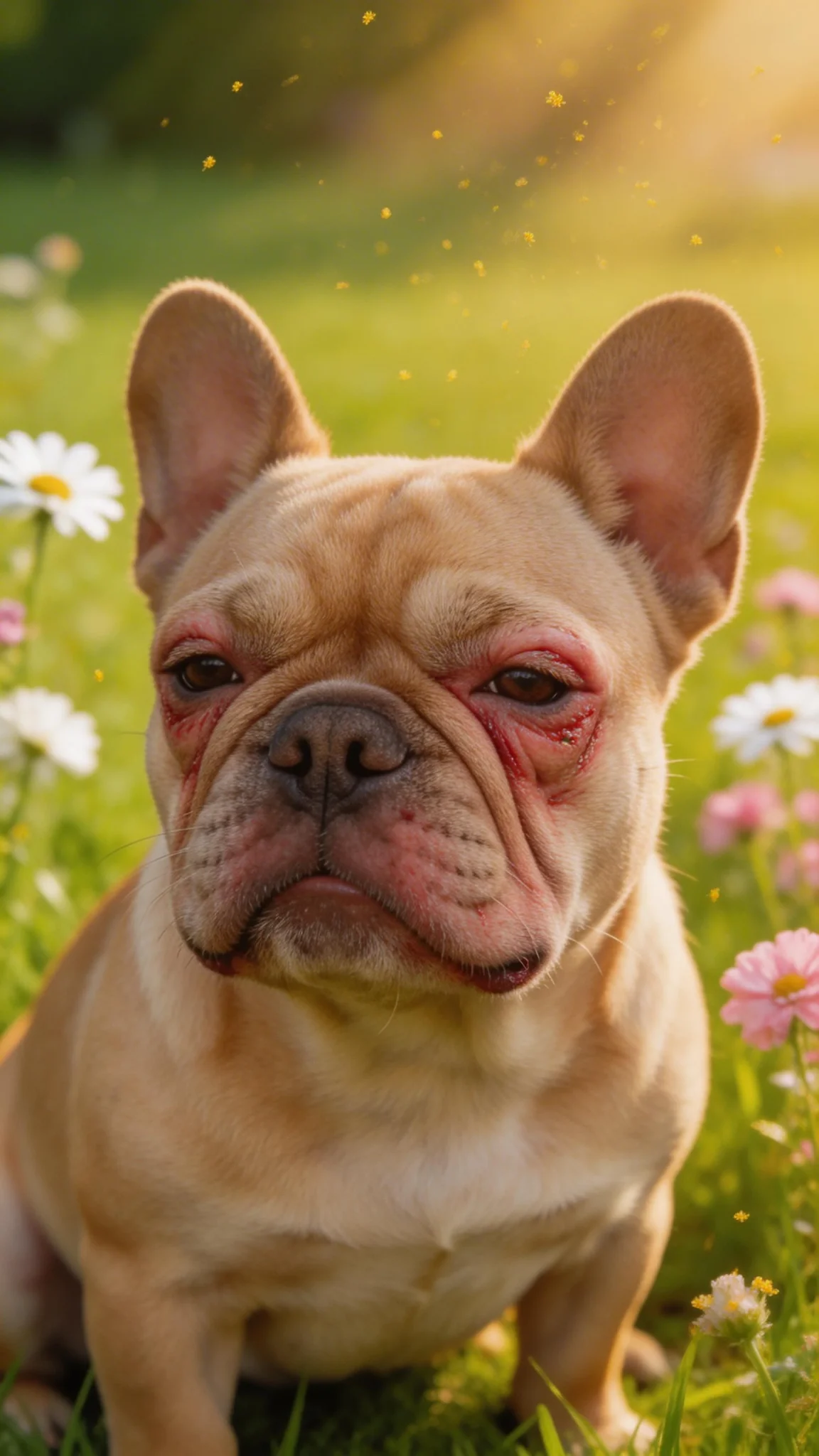
Environmental allergies appear as itching, red skin, sneezing, or watery eyes. If you notice these signs in your French Bulldog, acting quickly can bring much-needed relief. Here’s what you need to know and do:
- Common symptoms: Itchy skin, frequent scratching, red or inflamed areas, licking paws, runny eyes, sneezing, chronic ear infections.
- Immediate relief: Gently wipe your dog’s fur and paws after outdoor walks to remove allergens.
- Avoid triggers: Stay indoors on high pollen days or after lawn mowing.
- Topical products: Use pet-safe allergy sprays or hypoallergenic dog shampoos to soothe the skin.
- Clean environment: Wash bedding and vacuum often to reduce indoor allergens.
- Veterinary support: Talk to your vet quickly if symptoms are severe or persistent.
- Do not self-medicate: Never give your dog over-the-counter human allergy meds without consulting your vet.
Why French Bulldogs Are Prone to Environmental Allergies
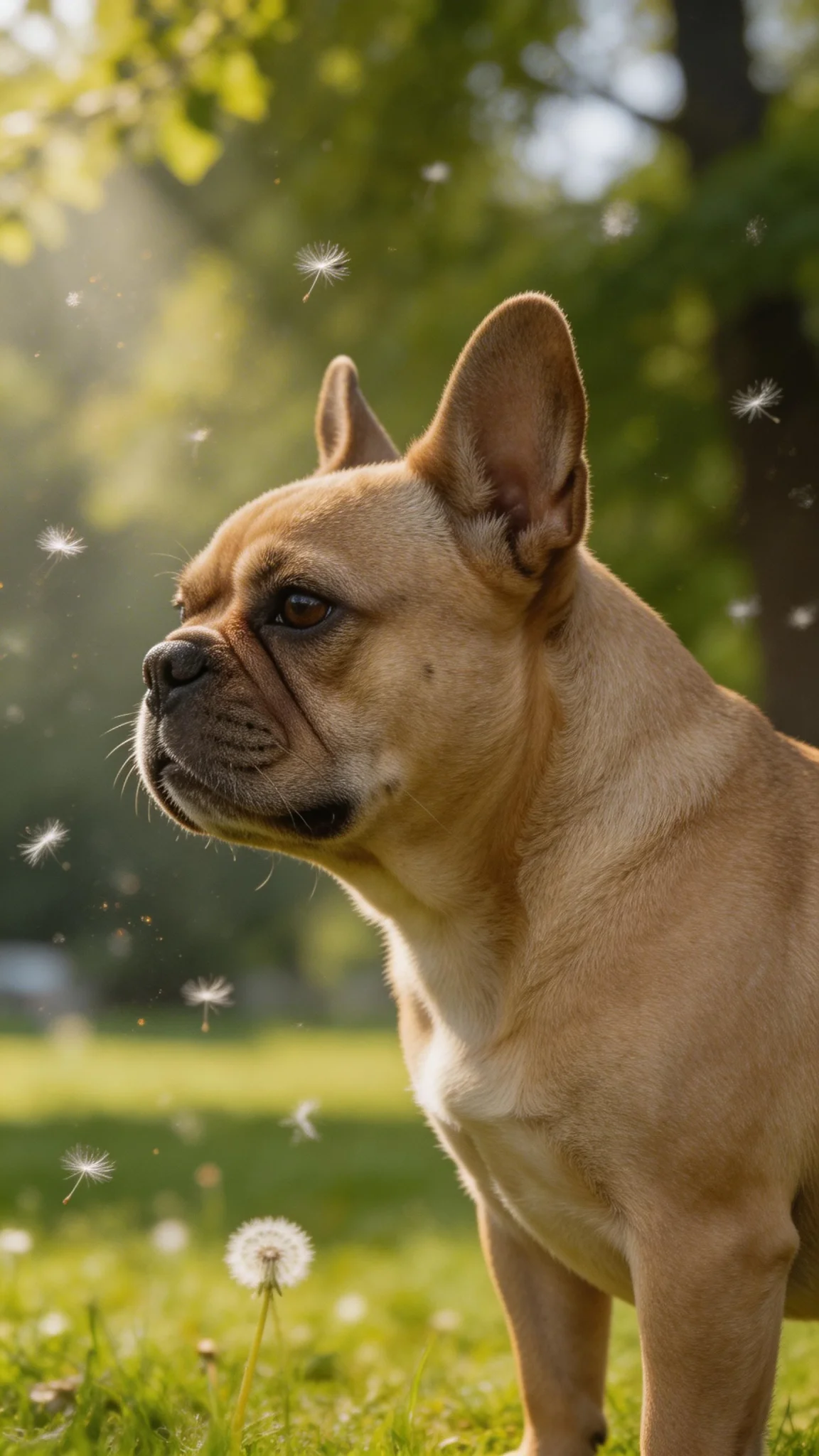
French Bulldogs are adorable, but their unique features also make them more likely to experience environmental allergies. Their short coats offer less protection from allergens like pollen, dust, and mold, and their skin folds can trap irritants, making symptoms worse.
If you’re already concerned about Frenchie health, you might want to check out more about common health problems in French Bulldogs and how allergies can impact their daily lives.
Common Environmental Allergy Triggers
- Pollen from grass, trees, and weeds (especially in spring and summer)
- Dust mites found in carpets, bedding, and furniture
- Mold spores, often more common in damp areas
- Chemicals in cleaning products or lawn fertilizers
- Pet dander from other animals
Unlike food allergies, environmental allergies show up seasonally or after certain exposures. Indoors, it’s the everyday stuff like dust or household cleaners that can cause a reaction.
🛒 Vets Use For Their Own Frenchies
Recognizing the Signs: How Allergies Show Up in Your Frenchie
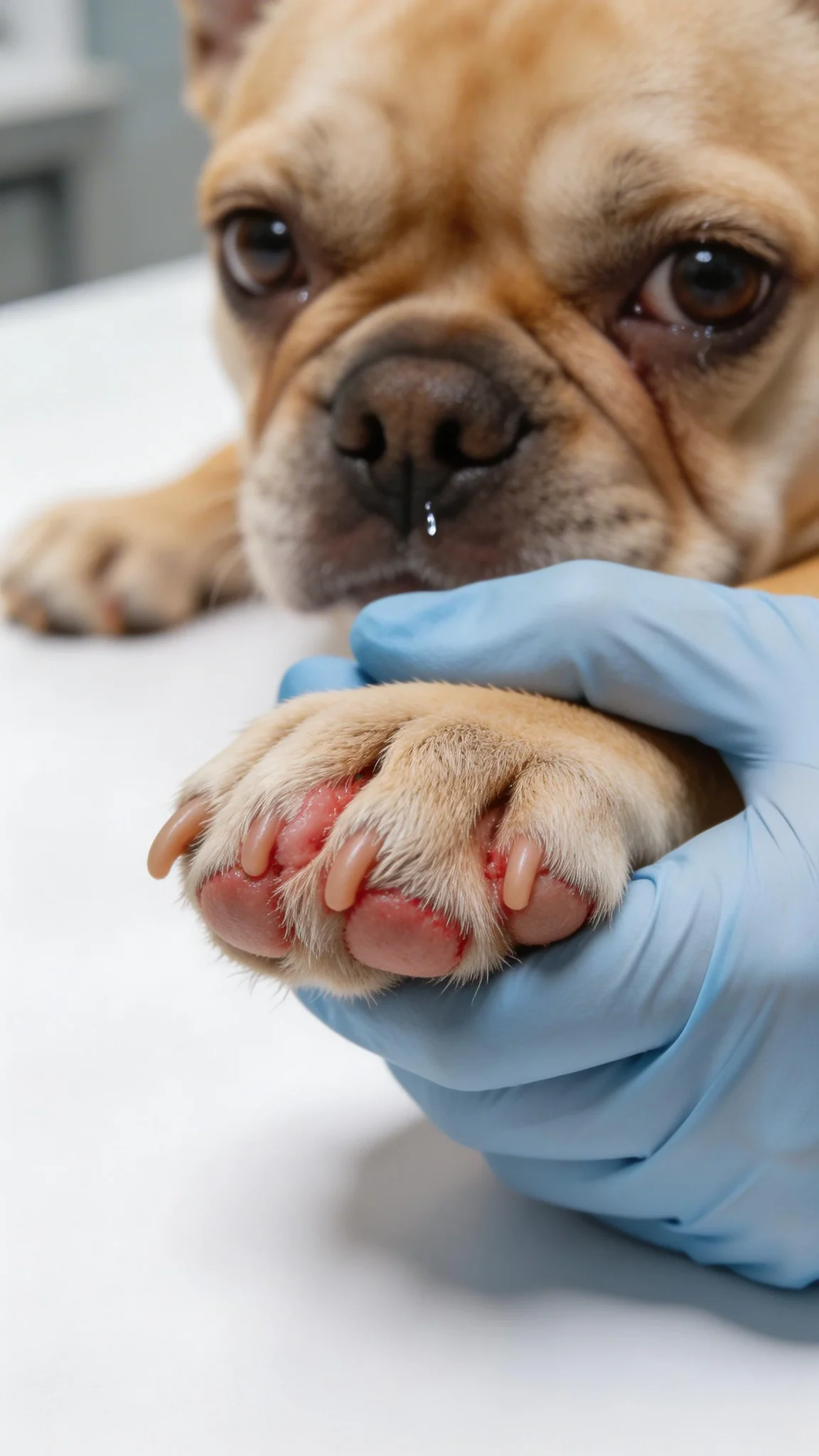
Sometimes it’s easy to overlook allergy symptoms as simple quirks. But with French Bulldogs, even mild signs can become more serious if left untreated. Look out for these symptoms:
- Constant licking or chewing at paws: Allergens on the ground can irritate delicate paw pads.
- Red, inflamed skin: Especially inside ears, armpits, or skin folds.
- Frequent head shaking or scratching at ears: Allergies can lead to repeated ear infections.
- Teary, watery, or reddish eyes.
- Repeated sneezing or nasal discharge.
- Noticeable hair loss or bald patches.
Some symptoms may overlap with other issues, so if you’re unsure, ask your vet for advice—and remember, allergies can also make your Frenchie more prone to secondary infections.
Treatment Options for Environmental Allergies

The good news: Environmental allergies are manageable! Here’s how you can help your Frenchie feel better:
Veterinary Diagnosis
If you suspect allergies, your veterinarian will likely start with a physical exam, history, and sometimes allergy testing. This ensures you’re addressing the true root of the issue.
Topical Treatments
- Medicated baths: Washing your Frenchie weekly with a soothing allergy relief shampoo can remove allergens and calm the skin.
- Moisturizing sprays and balms: Use a gentle, pet-safe allergy spray for hot spots or irritated skin.
- Ear cleaners: Clean ears regularly with a gentle dog ear solution to prevent infections from itching.
Oral Medications (By Prescription)
- Antihistamines or anti-itch tablets (prescribed by your vet)
- Corticosteroids (for short-term severe symptoms)
- Newer medications like Apoquel or Cytopoint, which target itch at the source
Never give your dog human medication unless your veterinarian specifically tells you it’s safe.
Environmental Management
- Wipe your dog’s paws and coat after every walk—fragrance-free pet wipes can help.
- Wash bedding, toys, and blankets at least weekly in hot water.
- Vacuum and dust your home regularly, especially your Frenchie’s favorite spots.
- Consider an air purifier to help reduce airborne allergens like pollen and dust mites.
Immunotherapy (Allergy Shots or Drops)
Some French Bulldogs benefit from allergy shots, a long-term solution that gradually trains the immune system to stop overreacting. Your vet may recommend this based on test results and symptom severity.
Diet and Gut Health for Allergy Support
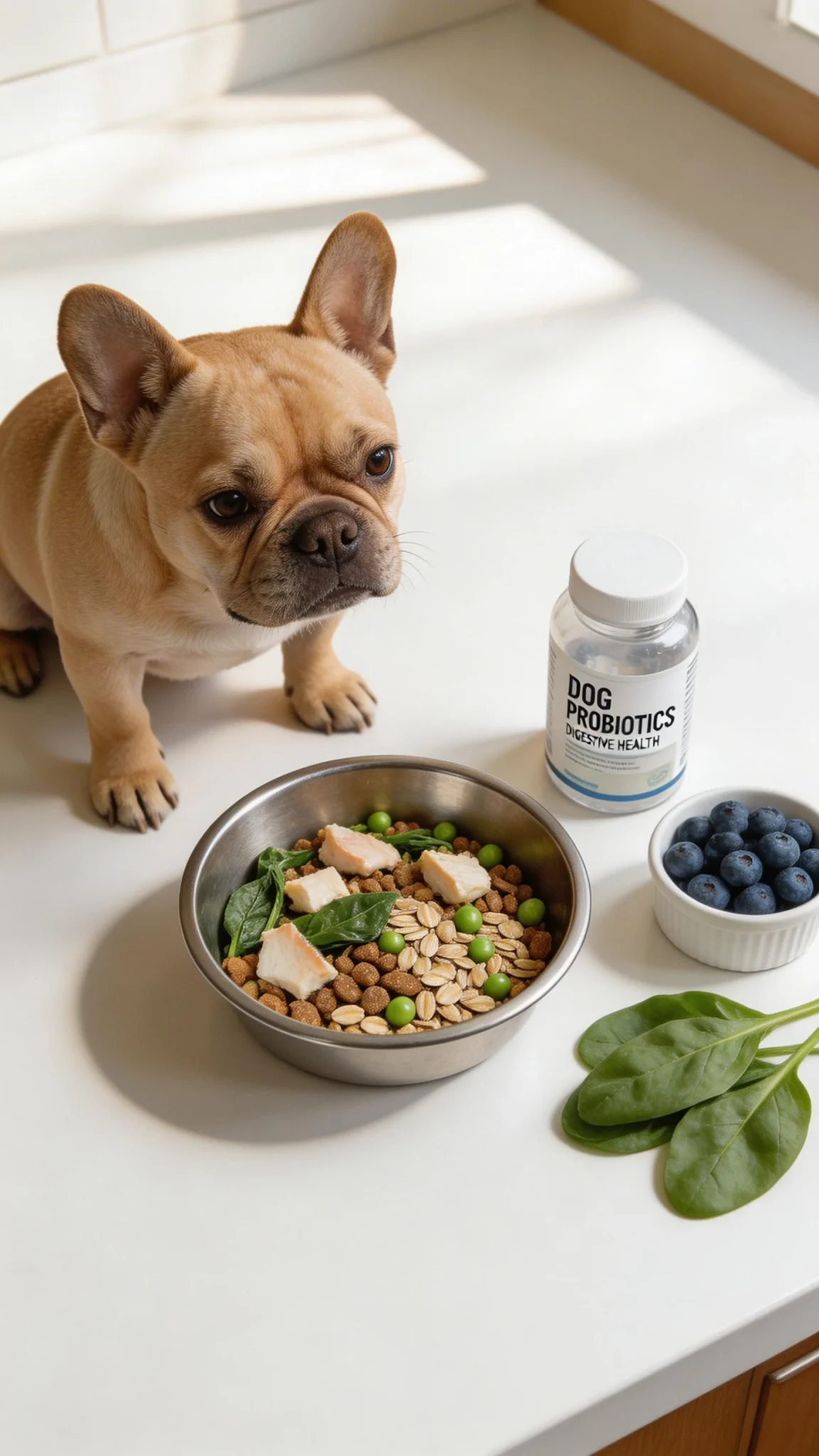
While food isn’t always the source of environmental allergies, proper nutrition boosts your dog’s immune system and skin health, helping them recover faster from allergic flare-ups.
- Switch to a high-quality, allergy-friendly food if your vet recommends it.
- Try adding omega-3 supplements, which can reduce inflammation from allergies.
- Homemade options, like those in these homemade French Bulldog recipes, sometimes work well for dogs with extra-sensitive skin.
Make any diet changes slowly and under your vet’s guidance to avoid stomach upset. If you’re unsure what your Frenchie can safely eat during allergy season, explore tips on safe foods for French Bulldogs.
Step-by-Step Allergy Action Plan for French Bulldogs
When your Frenchie’s allergies flare up, a clear plan makes all the difference. Follow these steps for both quick relief and long-term management:
- Observe and Record: Write down symptoms, when they occur, and anything unusual about the environment or weather.
- Limit Exposure: Cut down walks or outdoor playtime on high pollen days; avoid recently fertilized lawns.
- Wipe Off Allergens: After each walk, use a damp cloth or dog grooming wipe to clean your dog’s fur, legs, and feet.
- Clean Living Spaces: Wash your dog’s bedding and vacuum thoroughly every week.
- Apply Soothing Topicals: Use pet-safe sprays or balms on irritated skin as recommended by your vet.
- Seek Veterinary Help: Visit your vet for prescription meds or advanced therapies if symptoms persist or worsen.
Common Mistakes and Best Practices for Allergy Management
What to Avoid
- Don’t use harsh or fragranced cleaning chemicals where your dog sleeps.
- Never use human allergy medication (like Benadryl) without guidance—it can be dangerous in the wrong dose.
- Avoid bathing your Frenchie too often, which can strip natural oils and worsen irritation.
What Works Best
- Keep a regular grooming schedule, paying close attention to skin folds and paw pads.
- Consult your vet before any significant diet or treatment changes.
- Stay consistent—long-term allergy management works better than stop-and-start treatment.
For Frenchies with unique coats (like merle patterning), you might want to know what makes merle French Bulldogs unique, as coat type can influence grooming and allergy care.
Expert Tips and Trending Data
New research in 2025 shows that over 30% of French Bulldogs in the U.S. are affected by at least one type of environmental allergy—making this problem more common than most owners realize.
- Veterinary dermatologists recommend regular paw cleaning and air purifiers as the top home strategies for allergic dogs.
- Many Frenchies who start allergy management early enjoy fewer flare-ups as they age.
Allergy management is not a one-size-fits-all approach. Your Frenchie may need adjustments in care as the seasons or environment change—and that’s completely normal.
Frequently Asked Questions About How to Identify and Treat Environmental Allergies in French Bulldogs
What Are the Most Common Environmental Allergies in French Bulldogs?
Pollen, dust mites, mold spores, and certain cleaning chemicals are the top triggers. These allergens can cause skin, ear, and respiratory symptoms in your French Bulldog.
🛒 Frenchie Owners Are Grabbing These Too
How Can I Tell If My French Bulldog Has Environmental Allergies vs. Food Allergies?
Environmental allergies are usually seasonal or triggered by outdoor time, while food allergies tend to cause problems year-round and are linked to what your dog eats. Both require vet diagnosis for certainty.
Can Environmental Allergies Affect My French Bulldog’s Breathing?
While rare, severe allergies can cause breathing difficulties—especially in brachycephalic (flat-faced) breeds like Frenchies. Always seek immediate veterinary help if your dog is struggling to breathe.
Is It Safe to Give My French Bulldog Over-the-Counter Medicine Like Benadryl?
You should never give your Frenchie human medications without your veterinarian’s approval. Dosage and safety vary widely in dogs.
Will My French Bulldog’s Allergies Go Away With Age?
Most French Bulldogs manage lifelong environmental allergies, but with the right steps, daily symptoms can be greatly reduced. Some dogs experience milder allergies as they age, while others need ongoing support.
Are Certain Types of French Bulldogs More Prone to Allergies?
Frenchies with lighter coats, skin folds, or a family history of allergies may be more sensitive. You can learn more about breed differences and allergy impact in this guide about French Bulldogs and people with allergies.
Conclusion
No one likes to see their sweet French Bulldog struggle with itching, discomfort, or respiratory issues. The good news is, with the right approach, you can manage environmental allergies and help your Frenchie lead a happy, playful life.
If you notice any symptoms, start by taking practical steps at home—clean your dog after walks, create an allergy-safe environment, and partner with your vet. Even small changes can make a big difference, so take one action today for your Frenchie’s comfort. You’ve got this, and your pup will thank you with plenty of cuddles and tail wags!


