Why Does My Dog Cry When Peeing? Causes and Solutions

Does your dog whimper or cry out when going potty? This can be alarming and heartbreaking to witness. It’s normal to feel worried and want answers fast when your pup seems to be in pain, especially during something as basic as peeing.
Your dog’s tears could be a sign that something is wrong—and sometimes it needs quick attention. Urination pain is never normal for dogs and can be caused by a variety of issues, from mild discomfort to more serious health problems.
In this article, you’ll learn why dogs cry when urinating, possible causes, what you can do at home, and when it’s time to head to the vet. We’ll walk you step-by-step through the solutions so both you and your pup can feel better soon.
🛒 What Every Frenchie Owner Needs Right Now
Get Weekly Dog Care Tips Free
Join 10,000+ dog owners. Vet-approved advice every week
🔒 No spam. Unsubscribe anytime.
What It Means If Your Dog Cries When Peeing
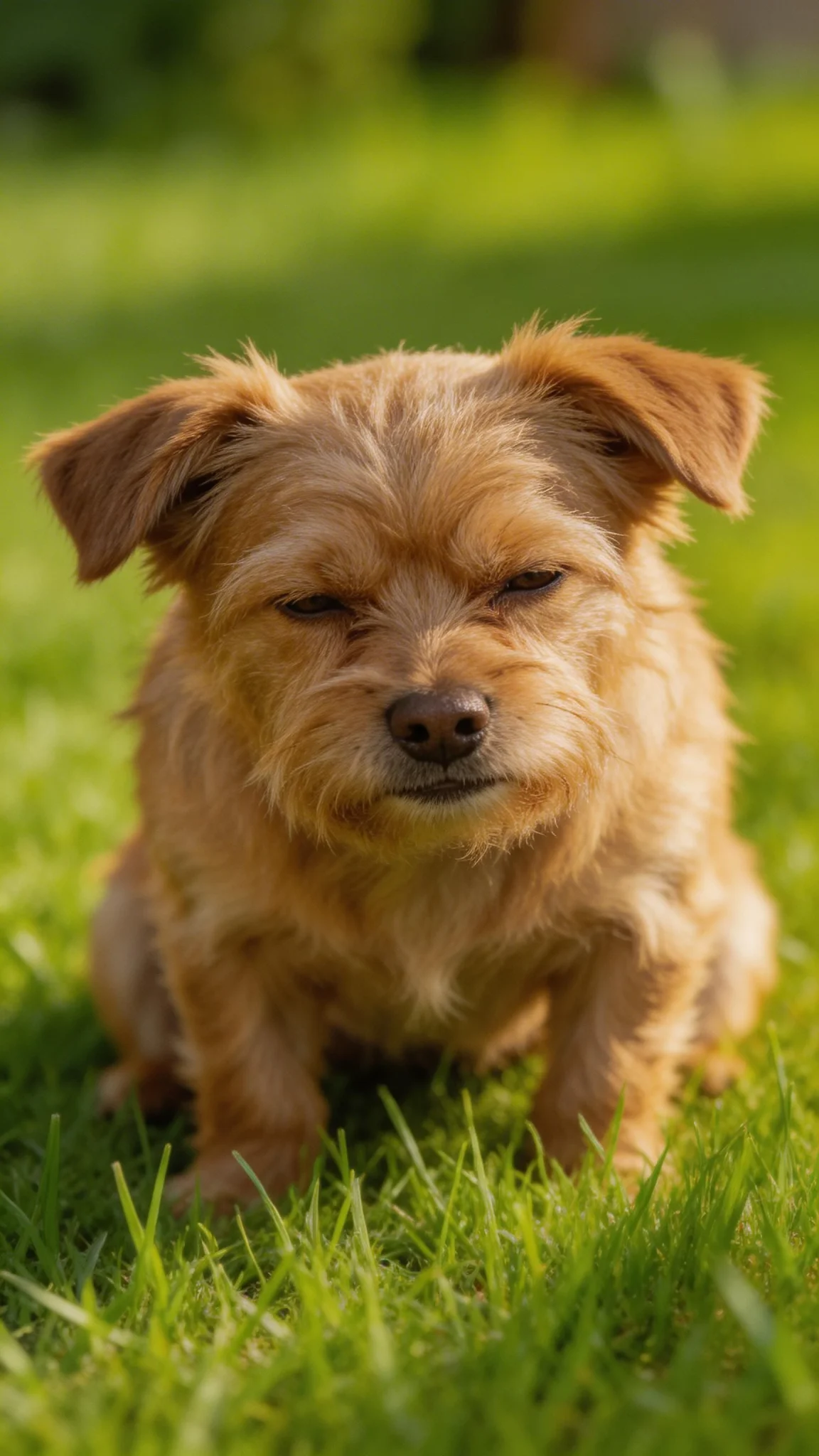
If your dog cries, whines, or whimpers while peeing, it’s a sign of pain or discomfort. This usually means there’s a medical issue that needs to be addressed. Common causes include urinary tract infections, bladder stones, infections, or even injuries.
- Pain while peeing is never normal for dogs.
- Urinary tract infections (UTIs) are a very common cause.
- Bladder or kidney stones can block or irritate the urinary tract.
- Other possible causes: injuries, crystals, tumors, or anatomical issues.
- Puppies and senior dogs may be more sensitive to infections.
- See your vet as soon as possible if your dog cries when peeing.
What you should do immediately:
- Check for blood or strange color in your dog’s urine.
- Note how frequently your dog is trying to pee or if they’re straining.
- Keep your dog hydrated but avoid giving any human medication.
- Contact your vet right away for diagnosis and treatment options.
Common Causes of Painful Urination in Dogs
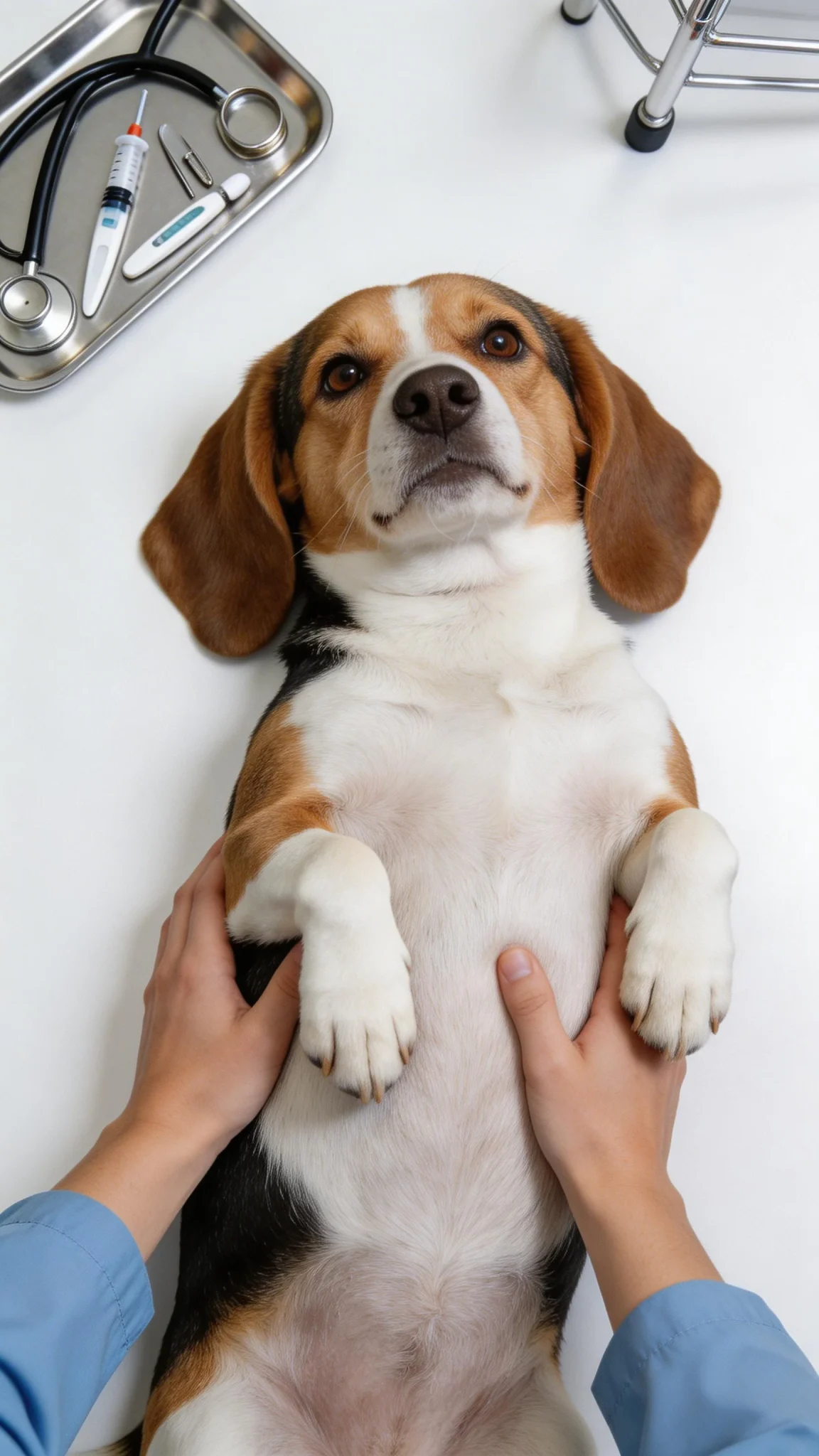
It helps to know what could be causing your dog’s discomfort. Here are the most common reasons dogs cry while urinating:
Urinary Tract Infection (UTI)
UTIs are painful infections in the bladder, urethra, or kidneys. Female dogs are more prone, but it can happen to any breed, age, or gender.
🛒 Vets Use For Their Own Frenchies
- Frequent urination, crying or whimpering, and sometimes accidents in the house.
- May see cloudy or strong-smelling urine.
- Often treatable with the right antibiotics from your vet.
Keep in mind, if your dog is also obsessively licking their paws, this behavior could be a sign of discomfort or anxiety as well. Learn more about why dogs lick their paws and what you can do to help.
Bladder or Kidney Stones
Stones or “uroliths” can form anywhere in the urinary tract. They irritate or block the flow of urine, causing significant pain or even a dangerous blockage.
- Frequent, painful urination, blood in urine, or no urine at all.
- Some stones may require surgery or special diets for prevention.
Consider using a dog urine test kit if you want to monitor your pet’s urine health at home—just be sure to follow up with your veterinarian for proper treatment.
Urinary Crystals
Certain minerals can crystallize in your dog’s urine. Like stones, these can cause pain, inflammation, or blockages.
- Your vet will diagnose crystals and may recommend a special diet.
- Prescription urinary food (like urinary health dog food) can help dissolve crystals and support recovery.
Infections or Inflammation
Bacterial, fungal, or even viral infections can make urination painful. This includes inflammation of the bladder (cystitis) or other parts of the lower urinary tract.
- Dogs may strain, cry, or have accidents.
- Treatment usually involves medication, rest, and increased hydration.
Tumors or Polyps
While less common, abnormal growths can block or irritate the urinary tract, causing pain during urination. Early diagnosis is important for the best outcome.
Injury, Trauma, or Anatomical Issues
Physical injuries or certain genetic conditions (like a narrow urethra) can make peeing uncomfortable or even impossible.
- Puppies born with anatomical defects may cry due to discomfort early in life.
- Recent falls, accidents, or play injuries can also cause pain while peeing.
Less Common Causes to Consider
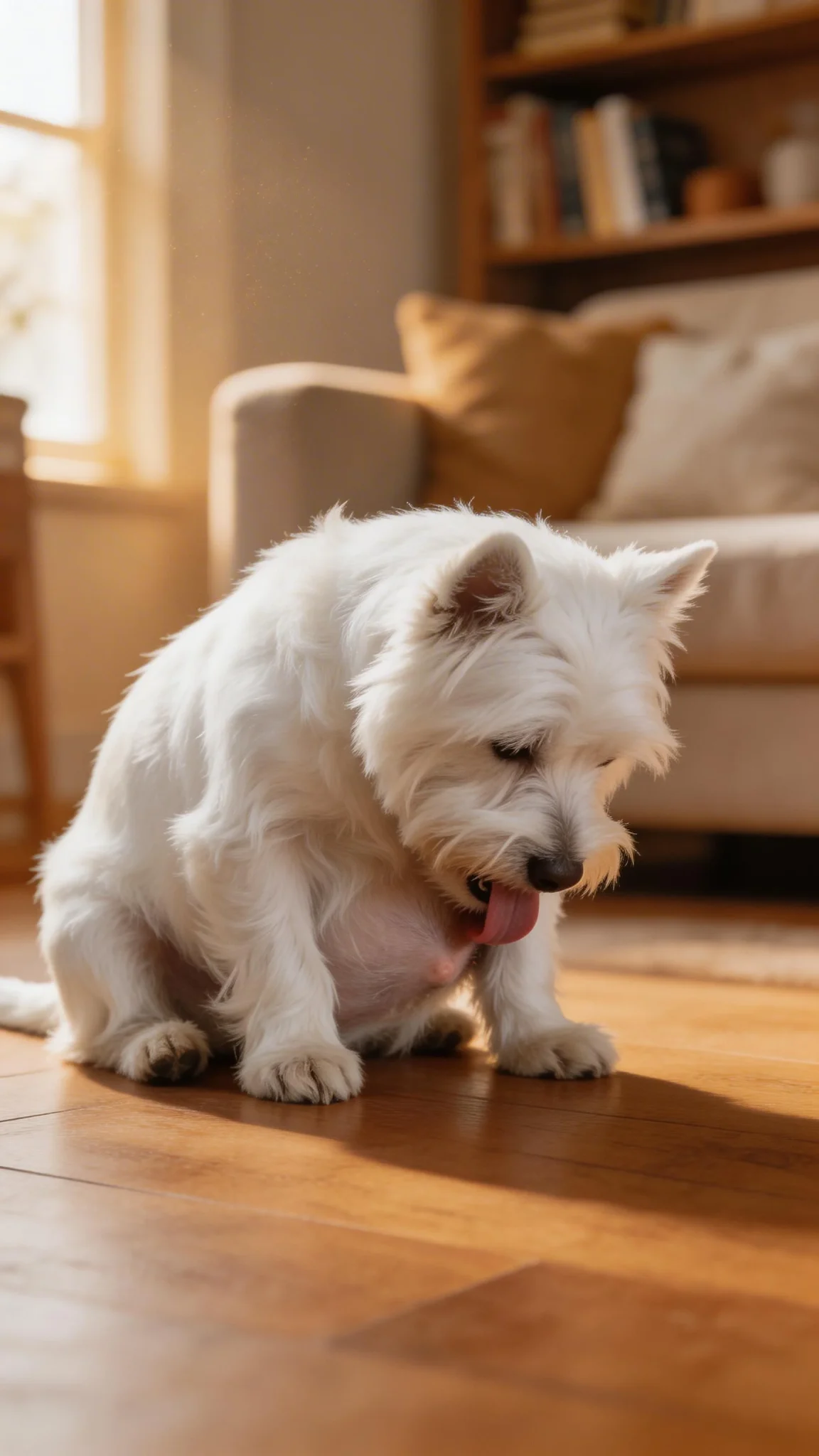
If your dog’s crying doesn’t fit the most common causes, keep these possibilities in mind:
- Spay or neuter complications: Swelling or infection post-surgery can lead to discomfort (learn when it’s not ideal to spay your dog here).
- Prostate disease: Especially in older male dogs, this can affect urination comfort.
- Foreign objects: Debris or even ticks (see what ticks look like on dogs) can cause inflammation or secondary infection.
- Behavioral stress: Dogs sometimes vocalize due to anxiety or fear, but if only seen during urination, medical issues are far more likely.
Symptoms to Watch For Alongside Crying
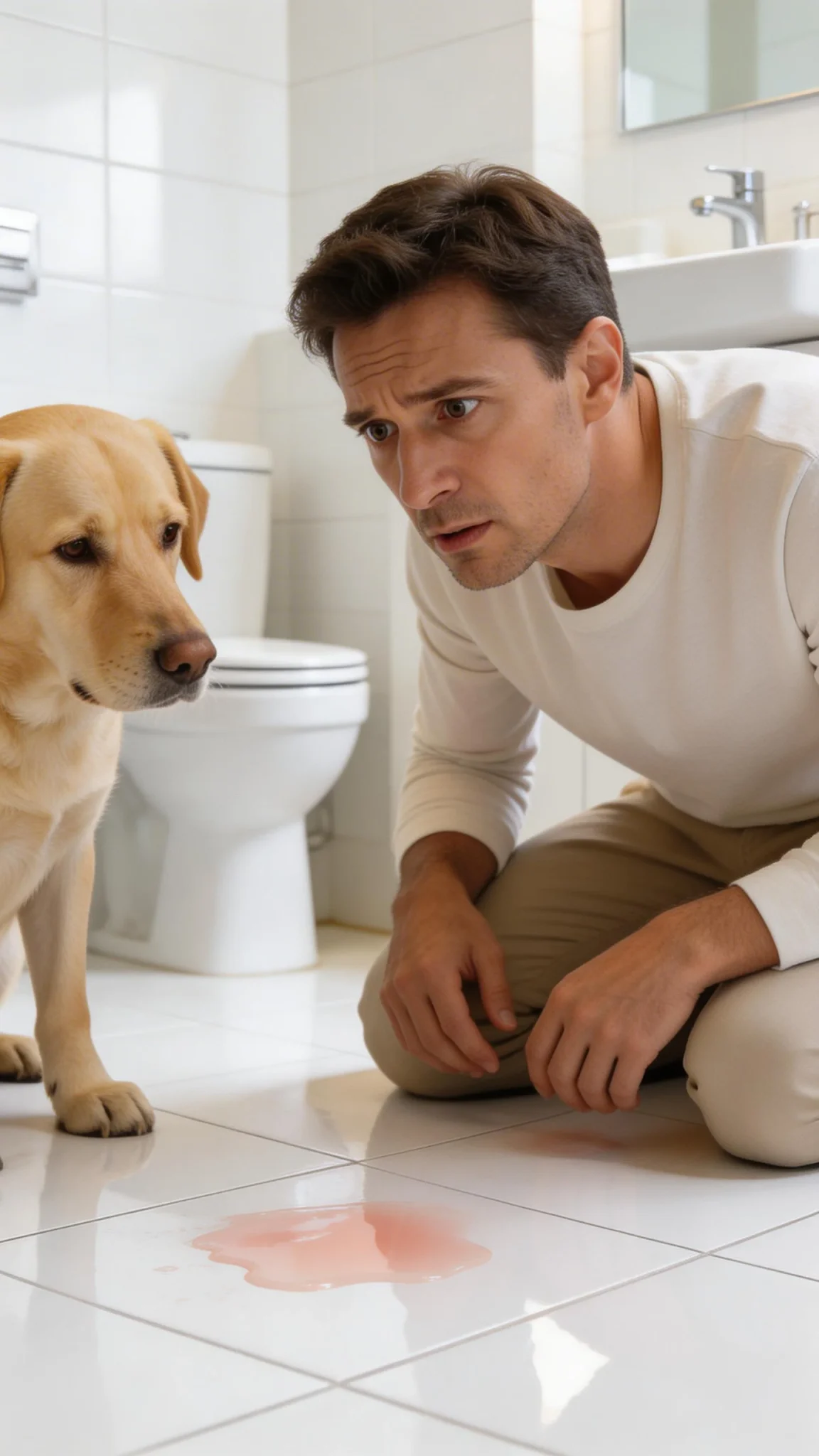
Your dog may show additional symptoms you shouldn’t ignore:
- Frequent attempts to pee with little or no urine output
- Blood in urine or dark/smelly urine
- Increased licking of the genital area
- Accidents indoors, even for housetrained dogs
- Loss of appetite, lethargy, or vomiting
- Signs of pain in the belly or back
If you see any combination of these symptoms, call your vet promptly. Urinary blockages can be fatal within hours.
Treatment Options for Dogs Crying When Peeing
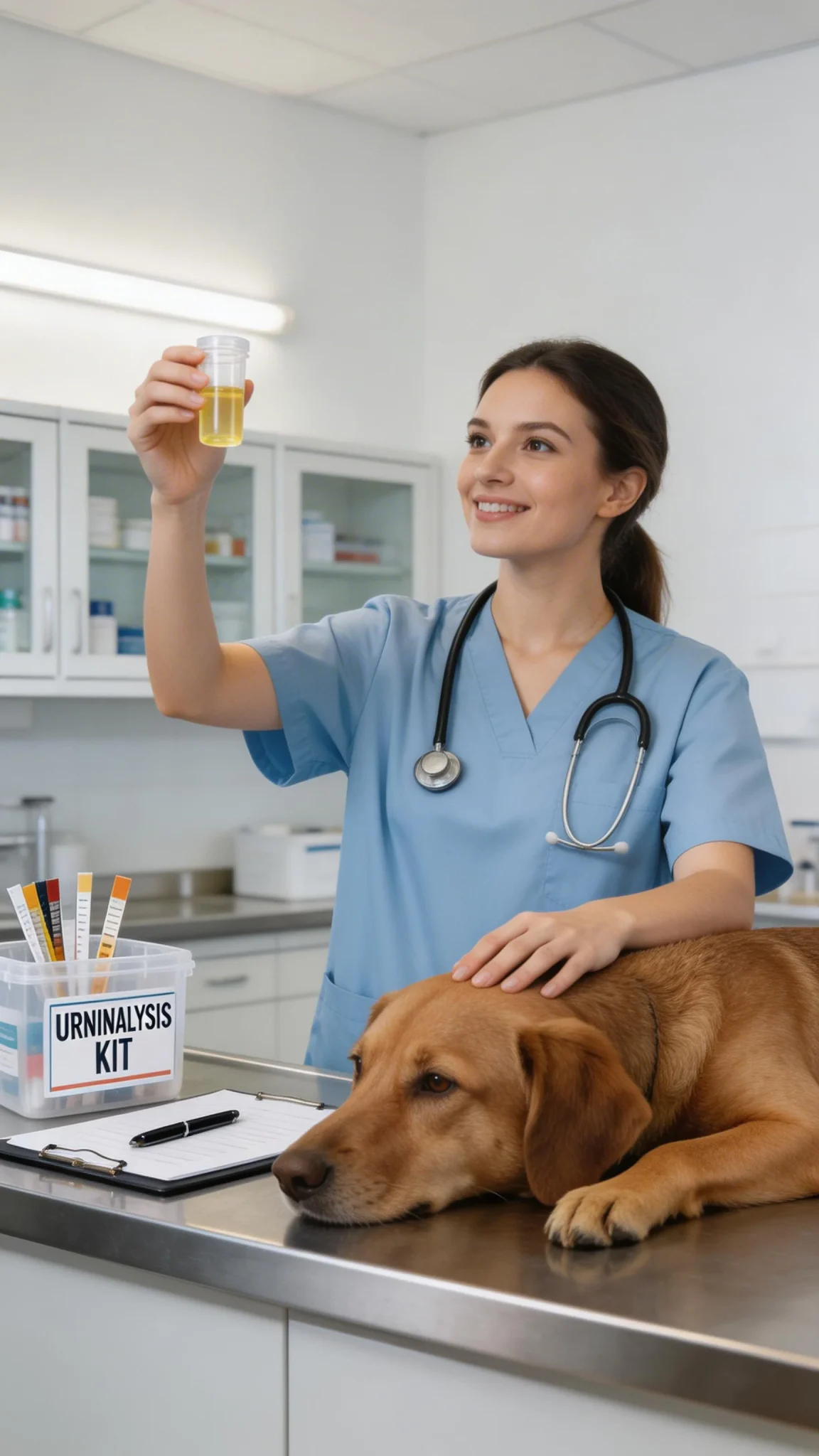
The right treatment for your dog depends on the underlying cause. Here’s what you can expect from your vet and at home:
Diagnosis
- Your vet will likely do a physical exam and urine test (urinalysis).
- X-rays or ultrasound can check for stones, crystals, or tumors.
- Blood tests rule out kidney or other organ problems.
Never give your dog over-the-counter human medicine for pain unless your vet specifically tells you to. Some medications can be toxic to dogs.
Medical Treatment
- UTIs: Antibiotics and pain relief, prescribed by your vet.
- Stones/crystals: Diet change, medication, or surgery in severe cases.
- Tumors/polyps: Surgery, chemotherapy, or specialized care.
- Infections: May require longer course of antibiotics or antifungals.
- In some cases, catheterization or emergency surgery might be needed to unblock urine flow.
Home Care and Support
- Keep your dog hydrated; plenty of fresh water helps flush the urinary system.
- Encourage frequent potty breaks to prevent urine buildup.
- Maintain a clean living area — especially after accidents, use an enzyme urine cleaner to prevent scent marking and reinfection.
- Track your dog’s symptoms, pee schedule, and behavior during recovery.
- Use vet-recommended dog cranberry supplements to support urinary health (if your vet agrees).
If your dog is restless at night due to discomfort, consider tips in managing nighttime stress and discomfort in dogs.
🛒 Frenchie Owners Are Grabbing These Too
Step-By-Step: What To Do If Your Dog Cries When Peeing
- Observe and Record: Track your dog’s urination habits (frequency, color, amount, any blood, vocalization).
- Check for Additional Symptoms: Note vomiting, lethargy, fever, or trouble walking.
- Keep Your Dog Comfortable: Encourage drinking water and offer potty breaks often.
- Prevent Accidents: Use disposable dog pee pads if your pup can’t hold it.
- Call the Vet: Provide all observations and ask for an urgent appointment.
- Follow Vet Instructions: Give medications as directed and monitor recovery.
Practical Scenarios: When to Worry and What To Expect
Here are some examples you might see:
- Puppy straining and whimpering every time it pees: This could be a UTI, especially if female or if there’s blood. Quick vet care leads to fast relief.
- Older male dog with weak urine stream and crying: Could be prostate enlargement or stones—see your vet ASAP.
- Crying, then no urine output: Emergency! This may signal a blockage (especially in male dogs), which needs immediate veterinary attention.
Mistake to Avoid: Don’t assume it will “go away on its own.” Prolonged pain or blockage can cause lasting damage or even be life-threatening. The sooner you address urinary pain, the better the outcome for your dog.
Enhancing your dog’s environment with enrichment items, like a homemade dog snuffle mat, can ease anxiety during recovery periods and keep them engaged while at home.
Expert Insights and The Latest Stats
According to the American Kennel Club, urinary tract infections are among the top five most common health concerns in dogs every year. In 2025, veterinary clinics reported that dogs with UTIs or urinary stones made up about 15% of urgent walk-in visits.
Dr. Lisa Oxford, DVM, explains: “If your dog is vocalizing while urinating, it’s pain—period. Any delay in care can result in complications, from kidney infections to blockages, so act quickly if you notice this sign.“
Supporting urinary tract health with proper hydration and preventive care is crucial for all dog breeds, especially those who may be prone to these issues.
Frequently Asked Questions About Why Does My Dog Cry When Peeing? Causes and Solutions?
Is It an Emergency If My Dog Cries When Urinating?
Yes, painful urination can quickly become serious, especially if paired with lack of urine production, blood in urine, vomiting, or weakness. Always consult your vet when you see these signs.
Can Dog UTIs Go Away on Their Own?
Most canine urinary tract infections need antibiotics prescribed by a vet. Waiting can allow the infection to spread, leading to worse symptoms or even kidney damage.
What Can I Give My Dog at Home for Urinary Pain?
There are no safe OTC pain relievers you should give without veterinary approval. Keep your dog comfortable, offer fresh water, and get a vet diagnosis.
How Can I Prevent UTIs or Stones in the Future?
Offer plenty of water, encourage regular potty breaks, and feed a balanced diet to keep your dog’s urinary tract healthy. Your vet may recommend special diets or cranberry supplements in some cases.
Are Certain Dog Breeds More Prone to Urinary Issues?
Breeds like French Bulldogs, Dalmatians, and Mini Schnauzers can be more susceptible due to anatomy or genetics. Always watch for early warning signs in these breeds.
Should I Be Concerned About Repeated Urination Accidents?
Yes. Repeated accidents paired with crying, straining, or blood are cause for concern and should be evaluated by your veterinarian right away.
Conclusion
If your dog cries when peeing, it’s a sign that something’s wrong—usually a medical cause like an infection, stones, or injury. Acting quickly will give your dog the best chance at a quick, healthy recovery.
The first step you can take today: monitor your dog’s bathroom habits and call your vet with your observations. With prompt care and a little extra love, your pup will be back to their happy self soon. Keep an eye on their health, and don’t hesitate to ask for help when you notice something unusual—your dog’s comfort and happiness are worth it.