DHPP vs. DHLPP Dog Vaccines: Differences and Timing

If you have ever stared at your puppy’s vaccine records wondering what DHPP vs. DHLPP dog vaccines actually means, you are not alone. These two combinations look almost identical on paper, but they protect your dog against different threats.
Choosing the wrong schedule or missing a component can leave your dog vulnerable to serious, preventable diseases. The American Veterinary Medical Association estimates that vaccines prevent millions of dog illnesses every year across the United States.
This article breaks down exactly what each vaccine covers, how the timing works, and what questions to ask your vet at your dog’s next appointment.
🛒 What Every Frenchie Owner Needs Right Now
Get Weekly Dog Care Tips Free
Join 10,000+ dog owners. Vet-approved advice every week
🔒 No spam. Unsubscribe anytime.
What Is the Difference Between DHPP and DHLPP Vaccines?
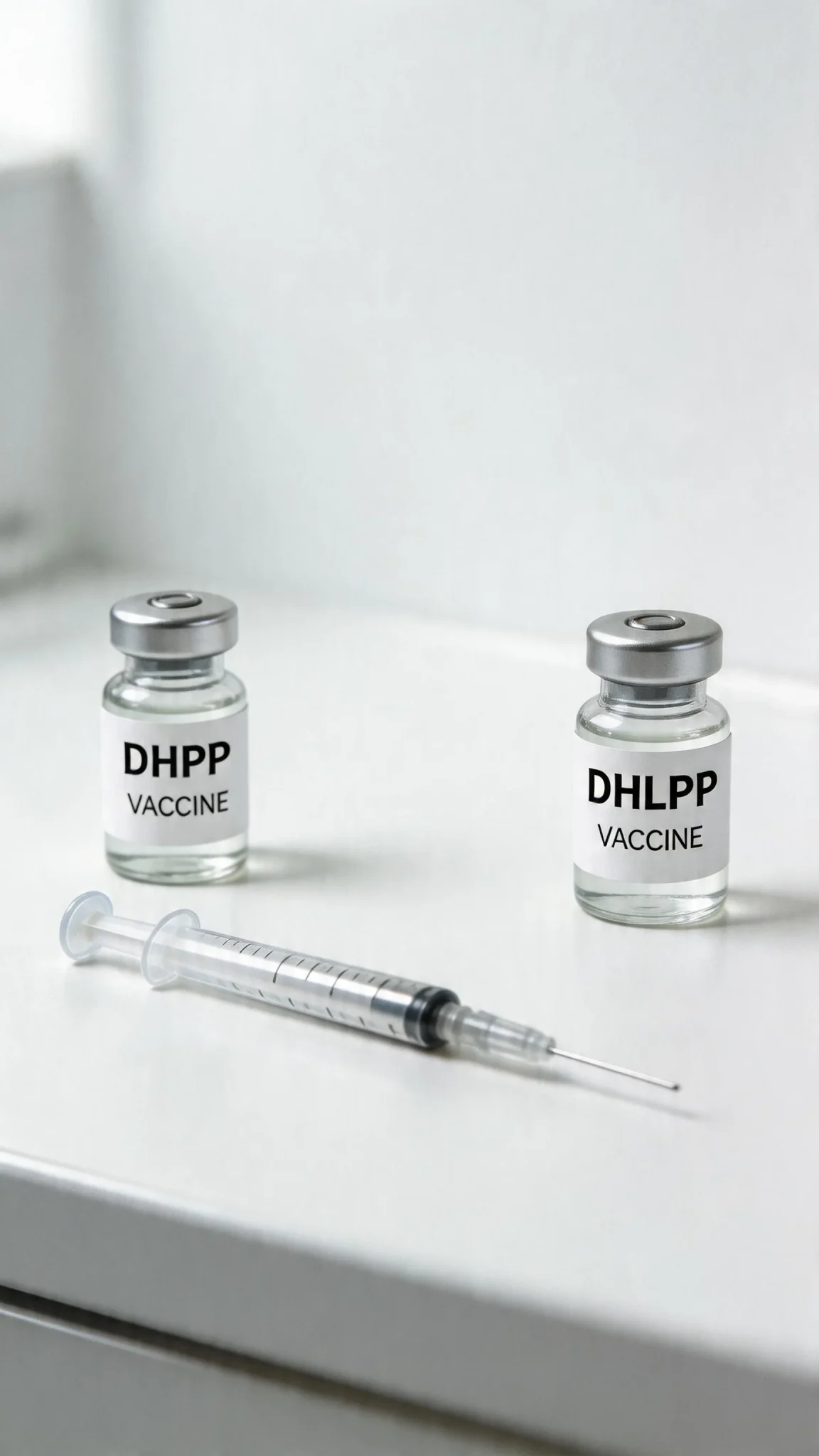
DHPP and DHLPP are both combination vaccines for dogs, but DHLPP adds one extra protection: leptospirosis. That single letter “L” makes a meaningful difference depending on where you live and how your dog spends time outdoors.
- DHPP covers: distemper, hepatitis, parainfluenza, and parvovirus
- DHLPP covers: distemper, hepatitis, leptospirosis, parainfluenza, and parvovirus
- The “L” stands for leptospirosis — a bacterial infection spread through water
- Both vaccines protect against the same four core diseases
- Leptospirosis risk varies significantly by geographic region
- Your vet recommends the right combo based on your dog’s lifestyle
In our experience, many dog owners in rural or flood-prone areas need DHLPP more urgently than urban pet owners. A dog that hikes near streams or drinks from puddles faces a much higher leptospirosis risk than one that stays in a city apartment.
Breaking Down What Each Letter Covers
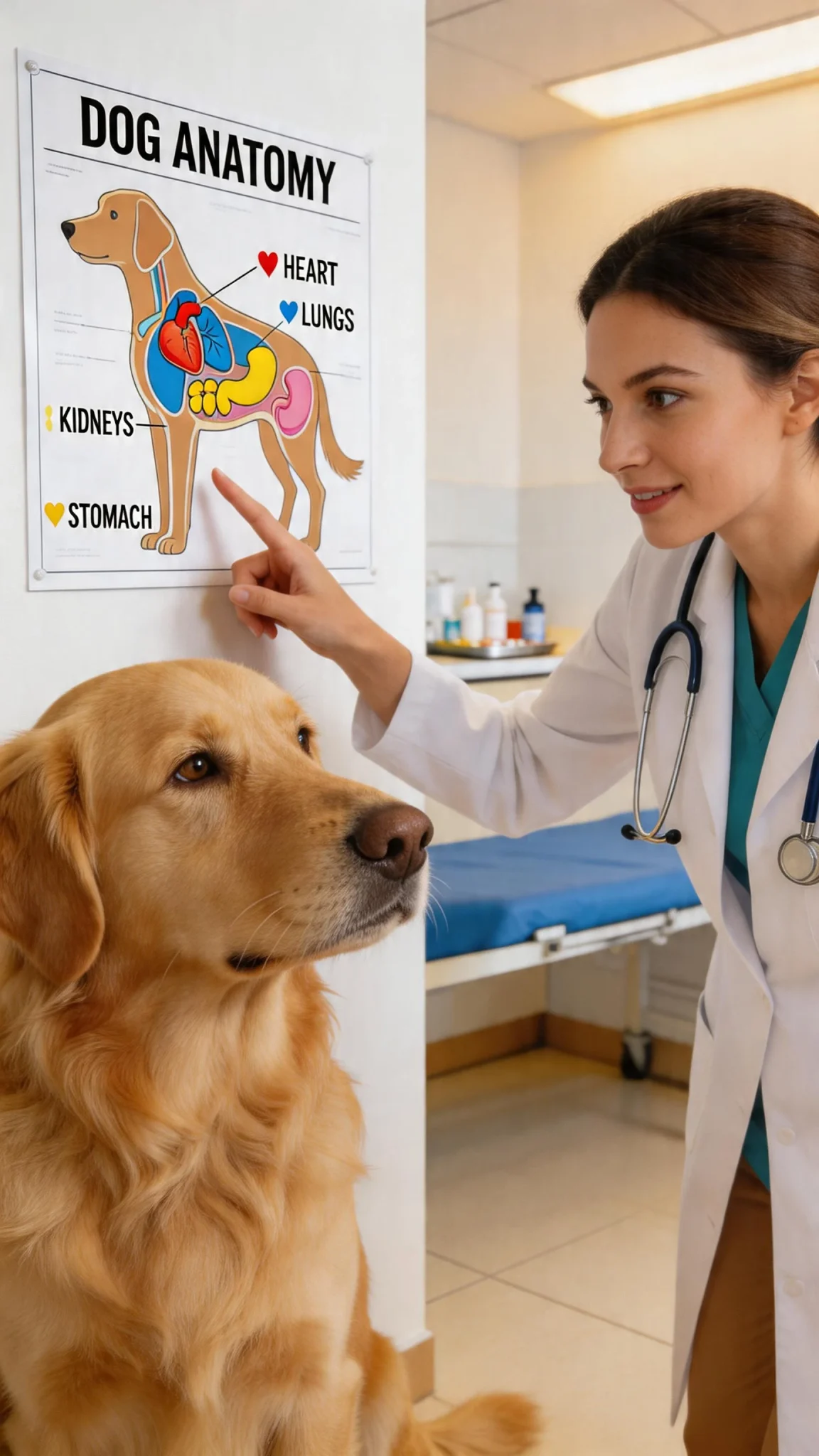
Every letter in these vaccine names stands for a specific disease your dog’s immune system learns to fight. Understanding each one helps you see why these vaccines matter so much for your dog’s long-term health.
Distemper (D)
Canine distemper is a severe viral disease that attacks the respiratory, gastrointestinal, and nervous systems. Without vaccination, distemper carries a fatality rate of up to 50% in adult dogs and even higher in puppies.
🛒 Vets Use For Their Own Frenchies
Hepatitis (H)
The “H” refers to canine adenovirus type 1, which causes infectious canine hepatitis and damages the liver. The vaccine uses adenovirus type 2 to also protect against respiratory infections, giving your dog double coverage.
Parainfluenza (P)
Parainfluenza is one of the main causes of kennel cough, a highly contagious respiratory illness. Dogs that visit dog parks, groomers, or boarding facilities face the highest exposure risk.
Many of our readers tell us their dogs picked up kennel cough before they realized the parainfluenza component needed a booster. Staying on schedule with your vet prevents that frustrating situation entirely.
Parvovirus (P)
Canine parvovirus is one of the most dangerous diseases on this list, with survival rates dropping sharply without treatment. The virus survives in soil for up to one year, making vaccination the single most reliable defense available.
Leptospirosis (L)
Leptospirosis is a bacterial disease spread through the urine of infected wildlife like raccoons, deer, and rats. Leptospirosis is also a zoonotic disease, meaning it can spread from dogs to humans, which makes the DHLPP option especially valuable for families.
If you also want to stay on top of other outdoor health threats, learning what a tick looks like on a dog is another smart step for active dogs.
DHPP and DHLPP Vaccine Timing and Schedule

The timing of these vaccines follows a specific schedule designed to build strong immunity as your puppy’s immune system matures. Missing or delaying doses can leave dangerous gaps in your dog’s protection.
Puppy Vaccination Schedule
- 6 to 8 weeks old: Give the first DHPP dose to start building core immunity early.
- 10 to 12 weeks old: Administer the second dose to reinforce the immune response from the first shot.
- 14 to 16 weeks old: Give the third dose, which is critical because maternal antibodies fully fade around this age.
- 12 to 16 months old: Provide a booster approximately one year after the final puppy dose.
What we have found works best is keeping a simple vaccine log in your dog’s health folder so you never lose track of timing between appointments.
Adult Dog Booster Schedule
After the one-year booster, most veterinarians recommend DHPP boosters every one to three years for adult dogs. The exact frequency depends on your vet’s recommendation, your dog’s health history, and your state’s local disease risks.
The leptospirosis component in DHLPP typically requires an annual booster because immunity fades faster than core vaccine protection. Talk to your vet about whether your dog needs the “L” added every year based on their lifestyle.
For context, a Labrador named Cooper in rural Tennessee received DHLPP annually starting at 12 weeks and stayed completely healthy through 9 years of hiking trips near rivers. His owner credited consistent annual boosters as the key factor.
Should Your Dog Get DHPP or DHLPP?
The core four diseases covered by DHPP are considered essential vaccines for every dog in the United States, regardless of lifestyle. The decision between DHPP and DHLPP comes down to your dog’s specific environment and daily habits.
Your dog likely needs DHLPP if they:
🛒 Frenchie Owners Are Grabbing These Too
- Spend time near lakes, rivers, streams, or flooded areas
- Live in a rural area with wildlife like deer, raccoons, or rodents
- Drink from puddles, ponds, or outdoor water sources
- Live in states like Florida, Hawaii, or the Pacific Northwest with higher lepto rates
- Have regular contact with other dogs at parks or boarding facilities
If your dog is strictly indoors and lives in a dry urban environment, your vet may recommend DHPP without the leptospirosis component. Always let your vet make the final call based on a full lifestyle assessment.
Just as timing matters for vaccines, timing matters for other health decisions too — understanding when you should not spay your dog is another example where rushing the schedule causes problems.
What to Expect After Your Dog Gets Vaccinated
Most dogs handle DHPP and DHLPP vaccines without any serious issues, but mild reactions are completely normal. Knowing what to watch for helps you stay calm and catch anything that needs attention.
Common mild reactions after vaccination include soreness at the injection site, mild lethargy for 24 to 48 hours, and a slight reduction in appetite. These responses simply mean your dog’s immune system activated and started building protection.
We have seen this consistently with dogs that receive the leptospirosis component for the first time — they tend to show slightly more fatigue than with DHPP alone. This is normal and typically resolves within two days.
Seek veterinary care immediately if your dog shows facial swelling, hives, vomiting, or difficulty breathing within 30 minutes of vaccination. These signs may indicate a rare allergic reaction that needs fast treatment.
Supporting your dog’s recovery with natural oils for dog skin and coat health can also be part of a solid overall wellness routine.
Expert Insights on Dog Vaccine Protocols
Dr. W. Jean Dodds, a leading veterinary immunologist and founder of Hemopet, has advocated for individualized vaccine protocols tailored to each dog’s age, health, and lifestyle since the 1990s. She recommends that vets assess titer testing as an alternative to automatic annual boosters for core vaccines in healthy adult dogs.
The American Animal Hospital Association (AAHA) classifies distemper, parvovirus, and adenovirus as core vaccines that every dog should receive regardless of lifestyle. The AAHA’s 2022 Canine Vaccination Guidelines list leptospirosis as a non-core vaccine recommended based on geographic risk and exposure potential.
According to the Merck Veterinary Manual, leptospirosis cases in dogs have increased in urban environments over the past decade, partly because rat populations carry the bacteria in city sewer systems. This trend makes the DHLPP discussion relevant even for city dog owners today.
Frequently Asked Questions About DHPP vs. DHLPP Dog Vaccines: Understanding Differences and Timing
Can I Switch My Dog From DHPP to DHLPP Mid-Schedule?
Yes, your vet can add the leptospirosis component at any point in your dog’s vaccine schedule. The first time a dog receives the “L” component, it requires two doses given two to four weeks apart to build full protection.
Does the Leptospirosis Vaccine Cause More Side Effects?
The leptospirosis component has historically been linked to slightly higher rates of mild reactions compared to the core four vaccines. Most reactions remain minor, like temporary soreness or fatigue, and serious reactions are rare with modern formulations.
How Much Do DHPP and DHLPP Vaccines Cost in the USA?
DHPP vaccines typically cost between $20 and $50 per dose depending on your vet’s location and practice fees. DHLPP runs slightly higher, usually $30 to $60 per dose, because the leptospirosis antigen adds production cost.
Are There Dog Vaccine Record Organizers Worth Using?
Keeping a dedicated health record for your dog makes tracking vaccine due dates much easier and prevents missed boosters. Many pet owners use a simple binder or a dog health record book to log every vet visit and vaccine date.
Can Adult Dogs Start the DHPP Series If They Were Never Vaccinated?
Yes, unvaccinated adult dogs can start DHPP at any age and typically need two doses given three to four weeks apart. Your vet determines the exact protocol based on the dog’s current health status and medical history.
Is a Titer Test a Valid Alternative to Boosters?
A titer test measures your dog’s existing antibody levels to check if immunity from previous vaccines remains strong enough. Some vets accept positive titer results as sufficient for core vaccines, but leptospirosis titers are not considered reliable enough to replace annual boosters.
Summary: Protecting Your Dog With the Right Vaccine Choice
DHPP covers four essential diseases every dog needs protection from, while DHLPP adds leptospirosis coverage for dogs with higher environmental exposure. Talking to your vet about your dog’s specific lifestyle is the fastest way to determine which combination makes sense.
Book a vaccine review appointment this month and bring a list of where your dog walks, swims, or socializes — your vet can make a clear recommendation in minutes. Staying current on vaccines is one of the most effective things you can do to keep your dog healthy for years to come.
While you are building a strong wellness routine, consider exploring pumpkin dog treat recipes for a healthy, gut-friendly snack your dog will love after their next vet visit. You might also find it helpful to read about how to stop a dog from licking paws at night if post-vaccine skin sensitivity becomes an issue.
A dog cooling mat for recovery and a dog first aid kit are also practical items to have ready on vaccine day. Your dog counts on you to stay informed, and you are clearly doing exactly that.