What Can Dogs With Liver Disease Eat When They Refuse Food?

Your dog has liver disease, and now they’re turning their nose up at every bowl you put down. That combination — a sick dog who won’t eat — is one of the most stressful situations a pet owner can face.
Nutrition is a core part of managing liver disease, so a dog who refuses food isn’t just frustrating — it’s a real medical concern. Understanding what can dogs with liver disease actually eat when they refuse food starts with knowing why they stop eating in the first place.
Nausea, toxin buildup, and the smell of certain proteins can all kill appetite in dogs with compromised liver function. The good news is there are specific foods and strategies that can break through that resistance.
What Can Dogs With Liver Disease Actually Eat When They Refuse Food?
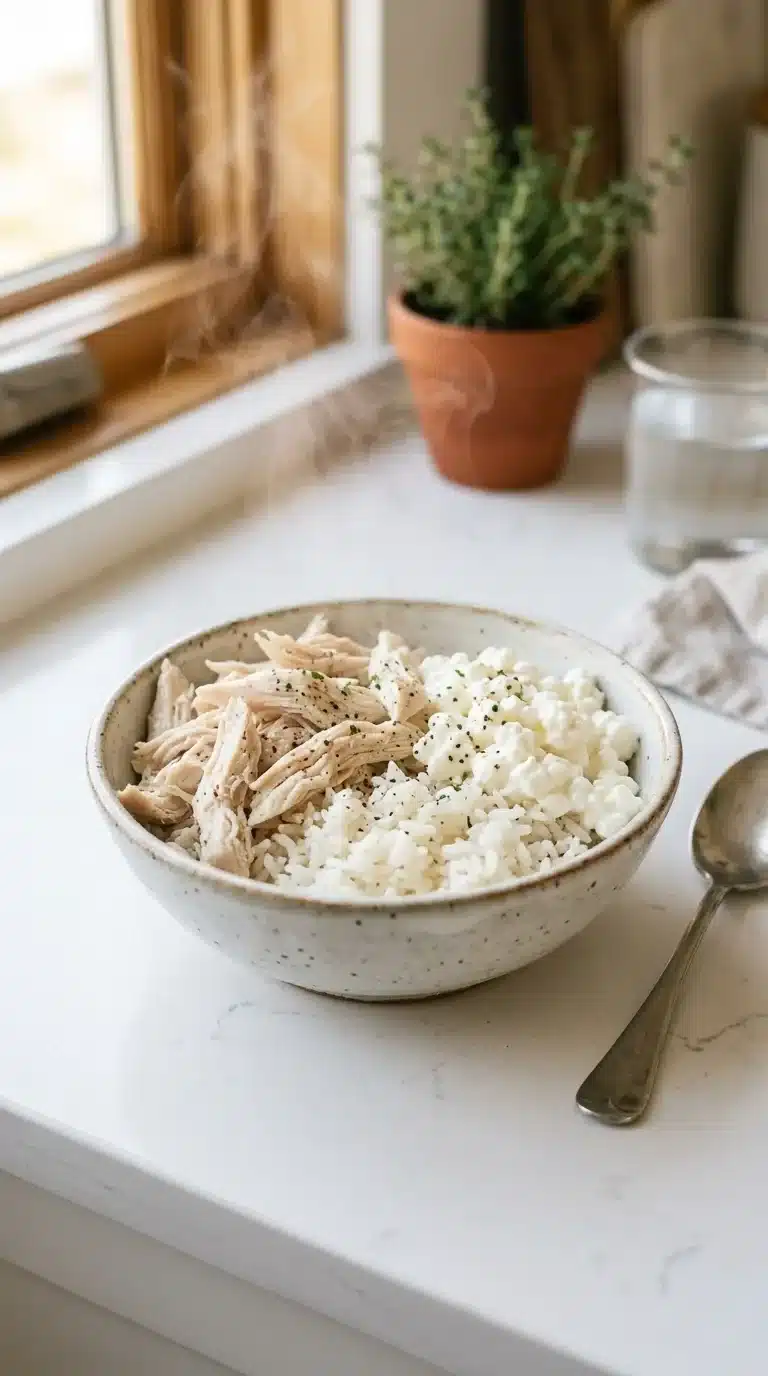
Dogs with liver disease who refuse food can often be tempted with small portions of highly digestible, low-to-moderate protein foods such as cooked egg whites, boiled chicken, white rice, or cottage cheese. The liver needs reduced workload, so easily digestible foods with controlled protein quality matter more than total protein elimination. Warming food slightly and offering tiny amounts frequently often overcomes food refusal.
- Cooked egg whites: high biological value protein, easy to digest, low ammonia load.
- Boiled skinless chicken breast: lean, palatable, and gentle on a stressed liver.
- White rice or plain cooked pasta: provides calories without taxing liver metabolism.
- Low-fat cottage cheese: accepted by many reluctant dogs, moderate protein quality.
- Plain canned pumpkin (not pie filling): supports digestion and adds mild flavor appeal.
- Veterinary hepatic diets: specifically formulated and clinically tested for liver support.
Why Dogs With Liver Disease Lose Their Appetite

Loss of appetite in dogs with liver disease is largely driven by hepatic encephalopathy and nausea. When the liver can’t filter ammonia properly, ammonia accumulates in the bloodstream and directly suppresses appetite in the brain.
Get Weekly Dog Care Tips Free
Join 10,000+ dog owners. Vet-approved advice every week
🔒 No spam. Unsubscribe anytime.
Secondary nausea from bile acid disruption makes food smells aversive. A dog that seems picky is often genuinely nauseated, not stubborn.
According to the American College of Veterinary Internal Medicine, hepatic encephalopathy — caused by ammonia buildup from impaired liver detoxification — is one of the primary reasons dogs with liver disease show reduced food intake and behavioral changes.
Some medications used to treat liver disease, including lactulose and certain antibiotics, can also suppress appetite as a side effect. Always discuss appetite changes with your veterinarian alongside any medication adjustments.
BEFORE YOU SCROLL PAST
Readers Also Loved:
👉 How To Spot Early Signs Of Canine Dementia In Senior Dogs
Addressing the underlying nausea is often the first step — food choice alone won’t fix appetite suppression caused by toxin buildup.
The Best Foods for Dogs With Liver Disease Who Won’t Eat

High-Quality, Low-Ammonia Proteins
The liver processes protein byproducts, so protein quality matters more than quantity. High biological value proteins — those the body uses efficiently with less metabolic waste — are the right starting point.
- Egg whites: Highest biological value of any food protein; produce minimal ammonia.
- Dairy proteins (cottage cheese, ricotta): Palatable, digestible, and often accepted by reluctant eaters.
- Chicken or turkey breast: Lean poultry is widely recommended by veterinary nutritionists for hepatic diets.
- Fish (cod, tilapia): Easily digestible; omega-3s in some fish may support liver cell health.
Red meats like beef or lamb are higher in ammonia-producing amino acids and are generally avoided during active liver disease flares.
Carbohydrates and Calorie Sources
When a dog won’t eat protein-heavy food, plain carbohydrates can maintain caloric intake while giving the liver a break. White rice, plain boiled pasta, and boiled sweet potato are all reasonable short-term calorie bridges.
For dogs who accept fruit, small amounts of blueberries offer antioxidants alongside calories. You can find guidance on how dogs handle blueberries safely before adding them to a liver-disease diet.
Carrots, lightly steamed, are another low-calorie option that many dogs accept even when refusing other foods. Detailed notes on how dogs tolerate carrots can help you decide if they fit your dog’s current plan.
Veterinary Hepatic Diets
Prescription hepatic diets — such as Royal Canin Hepatic or Hill’s Prescription Diet l/d — are specifically formulated to reduce the liver’s metabolic workload. These diets have been studied in clinical settings and remain the gold standard recommendation from veterinary internists.
The challenge is palatability. Some dogs refuse these diets initially, especially if nausea is severe. Warming the food to body temperature (around 99–101°F) and offering it in small amounts every 2–3 hours often improves acceptance.
BEFORE YOU SCROLL PAST
Readers Also Loved:
👉 How To Care For Your Female Frenchie During Her First Heat
A quality veterinary hepatic dog food should only be used under veterinary supervision — the protein and mineral ratios are specifically calibrated for liver support.
How to Get a Dog With Liver Disease to Actually Eat
Getting food into a dog with liver disease often requires changing how you offer it, not just what you offer. These steps work together — skipping any one can undermine the others.
- Ask your vet about anti-nausea medication first. Maropitant (Cerenia) is commonly prescribed for dogs with liver disease and can make a dramatic difference in food acceptance. Without managing nausea, no food strategy works reliably.
- Warm the food slightly. Heat food to about 100°F — close to body temperature. This increases aroma and palatability. Cold food from the fridge often gets rejected outright.
- Offer tiny portions every 2–3 hours. A full bowl can overwhelm a nauseated dog. A tablespoon of warm egg white or chicken often gets eaten when a full meal does not.
- Try a new bowl or location. Dogs sometimes associate their usual feeding spot or bowl with nausea. A flat plate in a different room can remove that conditioned aversion.
- Add a small amount of low-sodium chicken broth. Drizzling warm, unsalted broth over food dramatically improves palatability for many reluctant eaters. Avoid broths with onion, garlic, or high sodium.
- Hand-feed if needed. Offering small bites from your hand activates social bonding and can overcome reluctance when bowl-feeding fails. Success looks like the dog taking food voluntarily and keeping it down without retching.
If your dog refuses all food for more than 24–48 hours, contact your veterinarian. Prolonged anorexia in a dog with liver disease can accelerate liver deterioration.
Foods to Avoid When Your Dog Has Liver Disease
Certain foods can actively worsen liver disease, and some are surprisingly common in well-meaning home-cooked diets. Knowing what to cut is as important as knowing what to offer.
| Food to Avoid | Why It’s Harmful | Safer Alternative |
|---|---|---|
| Red meat (beef, lamb) | High ammonia-producing amino acids | Egg whites, chicken breast |
| High-fat foods | Stress bile production, worsen nausea | Low-fat cottage cheese, plain rice |
| Organ meats (liver, kidney) | Extremely high in copper, toxic to diseased livers | Lean white meat only |
| Salty foods or broths with sodium | Worsens fluid retention (ascites) | Homemade unsalted broth |
| Supplements with copper or iron | Accumulate in damaged liver tissue | Vet-approved supplements only |
Avoiding these mistakes aligns directly with guidance from the American College of Veterinary Internal Medicine, which emphasizes copper restriction as a key dietary modification for dogs with chronic hepatitis.
MOST POPULAR THIS WEEK
Readers Also Loved: 👇
👉 How To Stop Dogs From Scratching Ears Raw
If you’re already making some of these errors, you’re not alone — many stem from well-intentioned choices. Reviewing common dog owner mistakes that can shorten your dog’s life can help you spot other patterns worth adjusting.
Common Mistakes When Feeding a Dog With Liver Disease
- Eliminating all protein: Zero-protein diets cause muscle wasting and are not recommended. The fix is switching to high-quality, low-ammonia protein sources — not cutting protein entirely.
- Feeding large meals: Big portions spike ammonia production. Feed 4–6 small meals daily to keep ammonia levels steadier throughout the day.
- Using human supplements without vet approval: Milk thistle, SAMe, and zinc supplements are sometimes recommended for canine liver support — but dosing matters. Incorrect doses can be counterproductive or harmful. Always confirm with your vet before adding anything.
- Relying on treats as main nutrition: When a dog refuses meals but accepts treats, owners often over-rely on snacks. Most commercial treats are nutritionally incomplete and can be high in fat, sodium, or copper.
- Skipping the vet visit when appetite drops: Food refusal lasting more than 24 hours in a dog with known liver disease warrants a call — not a wait-and-see approach. Appetite changes can signal disease progression.
For dogs who need broader dietary guidance beyond liver disease, the overview of what dogs can safely eat is a useful reference point for building a balanced home-cooked meal plan.
Supporting Appetite With Safe Supplements
A few supplements have genuine veterinary support for liver disease and may help stimulate appetite indirectly by supporting liver function. S-Adenosylmethionine (SAMe) and milk thistle (silymarin) are the two most studied.
A 2012 study published in the Journal of Veterinary Internal Medicine found that SAMe supplementation improved markers of oxidative stress in dogs with chronic liver disease. This doesn’t cure the condition, but reduced oxidative burden can reduce nausea and improve willingness to eat.
A SAMe supplement formulated for dogs differs from human versions in enteric coating and dosing — use a veterinary-specific product, not a human pharmacy version.
Zinc acetate is another supplement sometimes prescribed by veterinary hepatologists, particularly for copper storage diseases. It works by blocking copper absorption in the gut. This is a prescription-level decision, not a home remedy.
Always clear any supplement with your veterinarian before starting. Some products marketed for liver health — including certain herbal blends — contain ingredients that can interact with medications or worsen specific liver conditions.
Frequently Asked Questions About What Can Dogs With Liver Disease Actually Eat When They Refuse Food?
Can I feed my dog with liver disease homemade food instead of prescription diet?
Yes, homemade food can work for dogs with liver disease, but it must be formulated by a board-certified veterinary nutritionist. Homemade diets without professional balancing often lack key nutrients or contain harmful levels of copper and fat.
How often should I feed a dog with liver disease who keeps refusing food?
Dogs with liver disease who refuse food should be offered 4–6 small meals per day rather than 1–2 large ones. Smaller, more frequent meals reduce ammonia spikes and are less overwhelming to a nauseated dog.
Is chicken and rice safe for a dog with liver disease?
Plain boiled chicken breast and white rice are generally safe short-term options for dogs with liver disease. They are low in fat, easy to digest, and produce less metabolic waste than red meats — making them a common starting point during flares.
Can a dog with liver disease eat eggs?
Cooked egg whites are one of the best protein sources for dogs with liver disease because they have the highest biological value and produce minimal ammonia. Avoid feeding the yolk in large amounts, as it is high in fat.
What should I do if my dog with liver disease hasn’t eaten in 24 hours?
If your dog with liver disease hasn’t eaten in 24 hours, contact your veterinarian the same day. Prolonged food refusal can worsen liver function and may indicate nausea or disease progression that requires medical intervention.
Are fruits like blueberries or pineapple okay for dogs with liver disease?
Small amounts of antioxidant-rich fruits like blueberries may be safe for some dogs with liver disease, but always confirm with your vet first. High-sugar fruits should be limited, and no fruit should replace a nutritionally balanced hepatic diet. You can review how dogs handle pineapple or check whether oranges are appropriate for dogs before introducing citrus.
The Most Important Step You Can Take Today
Managing what dogs with liver disease actually eat when they refuse food comes down to one principle: reduce the liver’s workload while keeping calories coming in. High-quality protein in small, frequent portions — warmed, varied, and backed by anti-nausea support from your vet — is the framework that works.
The single most useful action you can take today is calling your veterinarian to ask specifically about anti-nausea medication and a referral to a veterinary nutritionist. Food choices matter, but they work best when nausea is treated at the same time.
Your dog is depending on you to advocate for that combination of medical and nutritional care — and you’re already doing the right thing by asking the right questions.