Can Ehrlichiosis Cause Bloody Diarrhea and Vomiting in Dogs

Your dog is vomiting, has bloody diarrhea, and you recently noticed a tick on them. That combination is alarming — and it should be. Can ehrlichiosis cause bloody diarrhea and vomiting in dogs? Yes, and understanding exactly how helps you act fast enough to make a difference.
Ehrlichiosis is a tick-borne bacterial infection that can quietly destroy a dog’s immune system from the inside. The gastrointestinal symptoms often appear alongside fever and lethargy, making it easy to confuse with other conditions.
If your dog is also showing unusual discharge, weight loss, or bleeding from the nose or gums, that raises the urgency considerably. This article covers what ehrlichiosis does to a dog’s digestive system, when symptoms appear, and what steps to take right now.
Can Ehrlichiosis Cause Bloody Diarrhea and Vomiting in Dogs?
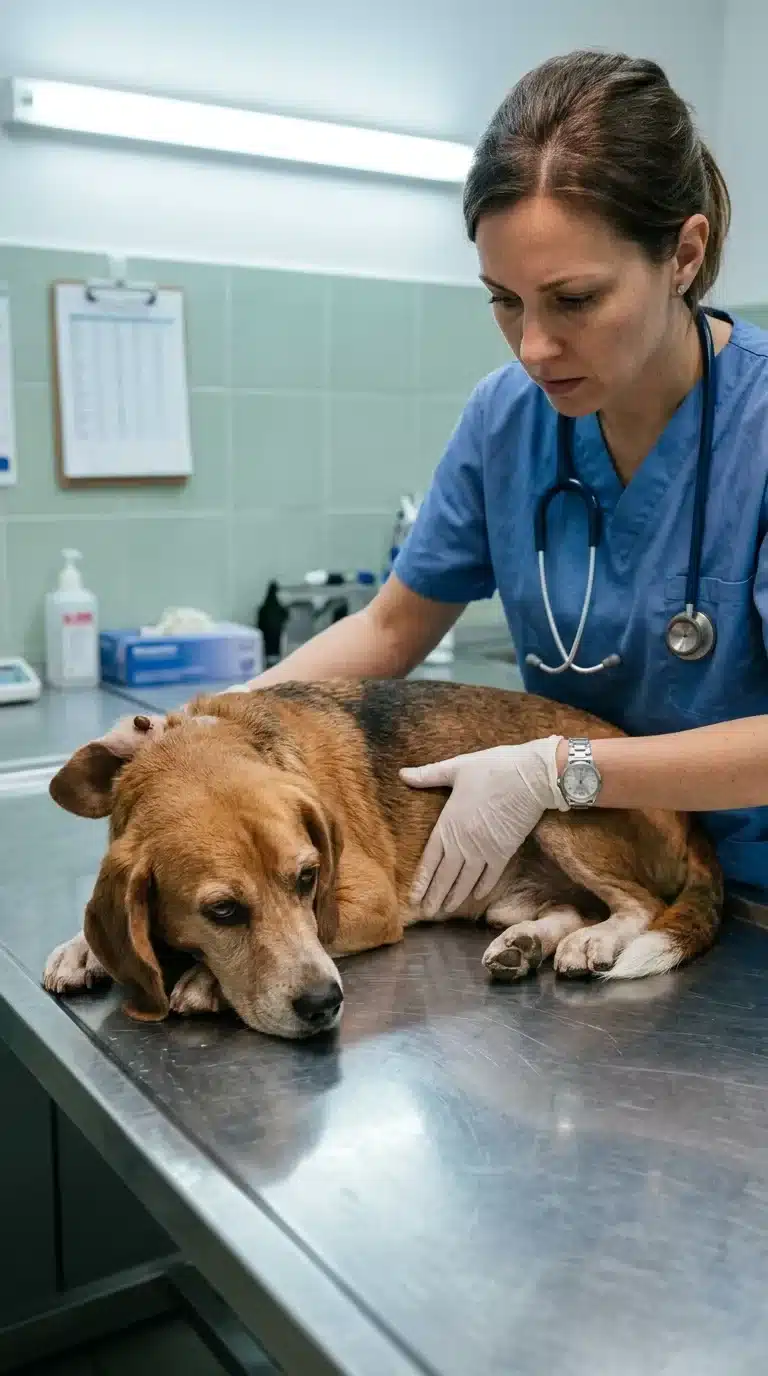
Yes, ehrlichiosis can cause bloody diarrhea and vomiting in dogs. The bacteria Ehrlichia canis — transmitted primarily by the brown dog tick — triggers widespread inflammation and platelet destruction, which can result in gastrointestinal bleeding, vomiting, and bloody stool. These symptoms are most severe during the acute and chronic phases of infection.
- Bloody diarrhea results from platelet destruction and internal bleeding along the GI tract.
- Vomiting is a common acute-phase symptom, often appearing within 1–3 weeks of a tick bite.
- Ehrlichiosis is caused by Ehrlichia canis, spread mainly by the brown dog tick (Rhipicephalus sanguineus).
- Thrombocytopenia (low platelet count) is the mechanism behind most bleeding symptoms.
- Symptoms can appear in three phases: acute, subclinical, and chronic — each with different severity.
- Early diagnosis and doxycycline treatment dramatically improve outcomes.
How Ehrlichiosis Damages the Digestive System
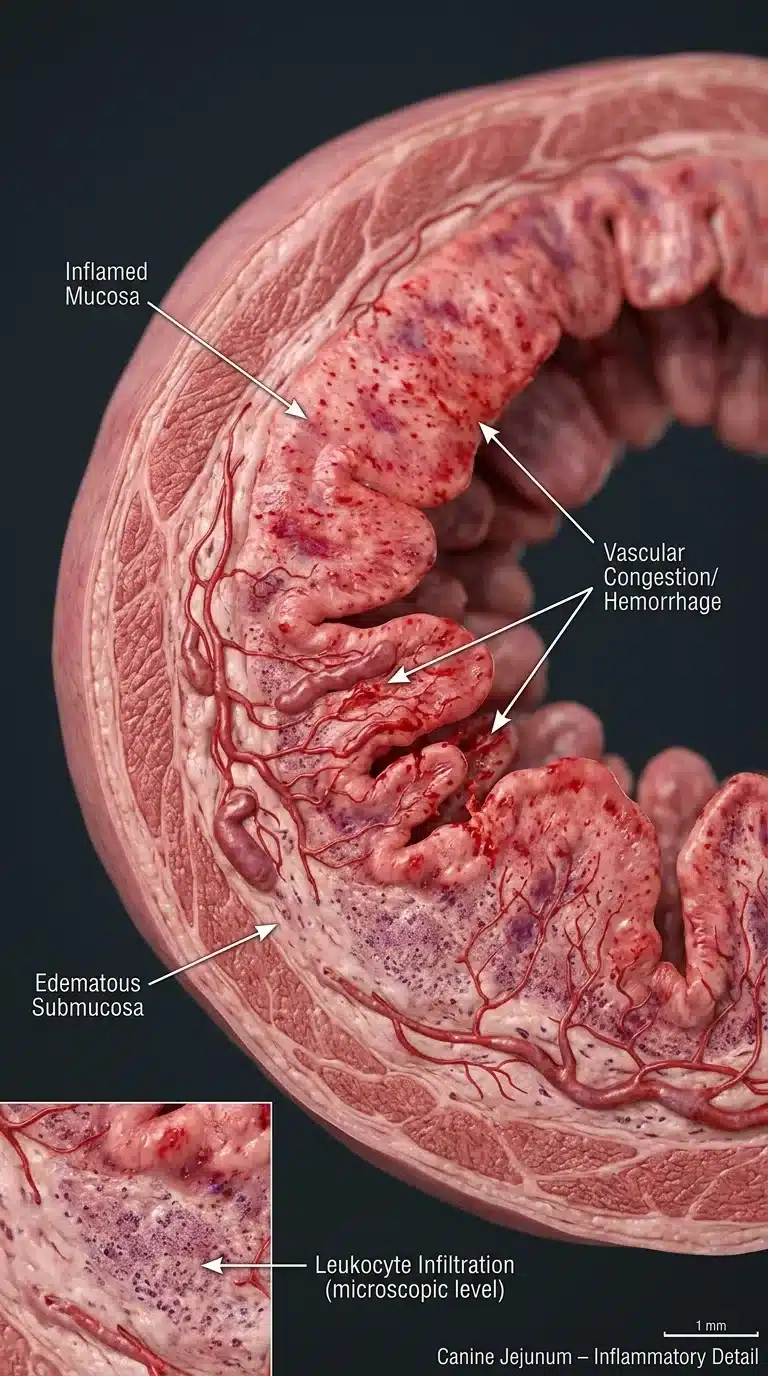
Ehrlichiosis does not attack the stomach and intestines directly. Instead, Ehrlichia canis infects white blood cells called monocytes, triggering an immune response that damages blood vessels throughout the body, including those lining the GI tract.
Get Weekly Dog Care Tips Free
Join 10,000+ dog owners. Vet-approved advice every week
🔒 No spam. Unsubscribe anytime.
The result is internal bleeding that shows up as bloody diarrhea, vomiting blood (hematemesis), or dark tarry stools. According to the Merck Veterinary Manual, thrombocytopenia (dangerously low platelet count) is one of the most consistent findings in dogs with ehrlichiosis and directly causes spontaneous bleeding.
Low platelets mean blood cannot clot properly — any irritation along the gut lining can become a bleed.
BEFORE YOU SCROLL PAST
Readers Also Loved:
👉 How To Spot Early Signs Of Canine Dementia In Senior Dogs
What Happens to Platelets
Platelets are destroyed faster than the body can replace them when Ehrlichia is active. The spleen enlarges trying to compensate, which can cause abdominal discomfort and reduced appetite.
Bleeding is not limited to the digestive tract. Dogs may also show nosebleeds, blood in the urine, and pinpoint hemorrhages (petechiae) on the skin or gums — all caused by the same platelet collapse driving the GI symptoms.
Stages of Ehrlichiosis and When GI Symptoms Peak
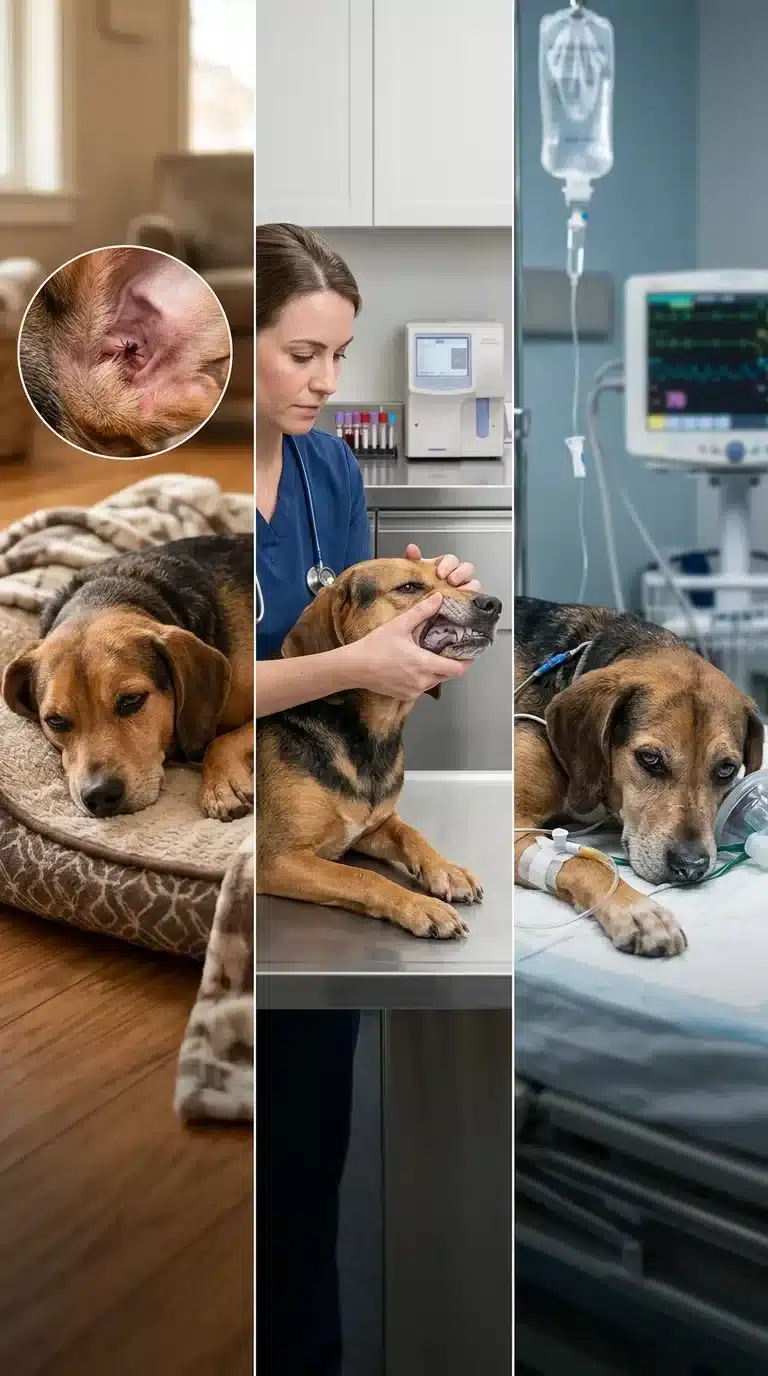
Ehrlichiosis progresses through three distinct phases, and the timing of bloody diarrhea and vomiting tells you a lot about where your dog is in the disease. Recognizing each stage helps you and your vet make faster decisions.
| Phase | Timeline | Key GI Symptoms | Severity |
|---|---|---|---|
| Acute | 1–4 weeks post-bite | Vomiting, diarrhea, reduced appetite | Moderate |
| Subclinical | Weeks to months | Often none visible | Hidden — dangerous |
| Chronic | Months to years | Bloody diarrhea, weight loss, severe bleeding | Severe |
The subclinical phase is the most deceptive. Dogs appear normal, but the bacteria is still active and platelet counts continue dropping. Many dogs are not diagnosed until the chronic phase, when bloody diarrhea and hemorrhaging become impossible to ignore.
Dogs that reach the chronic phase have a significantly worse prognosis. The American Veterinary Medical Association (AVMA) notes that chronic ehrlichiosis can cause bone marrow suppression, meaning the body loses the ability to produce blood cells altogether.
Other Symptoms That Appear Alongside GI Signs
Bloody diarrhea and vomiting rarely appear alone with ehrlichiosis. They usually show up alongside a cluster of other warning signs that, taken together, point strongly toward a tick-borne disease.
- Fever (often 103°F–106°F) — one of the earliest and most consistent signs
- Lethargy and weakness — dogs may refuse to move or play
- Loss of appetite — often severe enough to cause rapid weight loss
- Nosebleeds (epistaxis) — a hallmark sign of platelet problems
- Swollen lymph nodes — felt under the jaw, behind the knees, or in the groin
- Ocular discharge or eye inflammation — Ehrlichia can affect the eyes directly
- Neurological signs — in severe cases, wobbling, seizures, or head tilt
If your dog has vomiting and bloody diarrhea combined with fever and a tick exposure history, do not wait to see if it resolves on its own. That combination warrants a same-day vet call.
How Vets Diagnose Ehrlichiosis
Diagnosing ehrlichiosis requires specific blood tests because the symptoms overlap heavily with other conditions like parvovirus, pancreatitis, and other tick-borne diseases. Your vet will not be able to confirm it by symptoms alone.
BEFORE YOU SCROLL PAST
Readers Also Loved:
👉 How To Care For Your Female Frenchie During Her First Heat
Diagnostic Tests Used
- Complete blood count (CBC) — reveals thrombocytopenia, anemia, and low white blood cell counts typical of ehrlichiosis.
- Ehrlichia antibody titer test — detects antibodies the immune system made against Ehrlichia canis; may be negative in very early infection.
- PCR (polymerase chain reaction) test — detects bacterial DNA directly in the blood; more accurate in early acute-phase infections.
- Blood chemistry panel — evaluates kidney and liver function, which can both be affected by the infection.
- 4Dx or similar snap tests — in-clinic tests that screen for multiple tick-borne diseases simultaneously, including Ehrlichia.
Your vet may start treatment before full results come back if the clinical picture is strong enough. Doxycycline is the standard first-line antibiotic, and response to treatment within 24–48 hours is itself considered diagnostic evidence.
Early blood testing is the single most effective step toward catching ehrlichiosis before it reaches the chronic phase.
Treatment and What to Expect at Home
Doxycycline is the established treatment for ehrlichiosis in dogs, typically given for 28 days. The American College of Veterinary Internal Medicine supports this protocol as the standard of care based on clinical outcomes research.
Most dogs improve noticeably within 24–72 hours of starting doxycycline if caught in the acute phase. Vomiting usually subsides first, followed by a gradual return of appetite. Bloody diarrhea may persist for a few more days as gut inflammation resolves.
Giving doxycycline with a small amount of food reduces stomach upset — a pill pocket treat for dogs makes the process easier and helps ensure the full dose is consumed. Never skip doses or stop early, even if your dog looks better.
MOST POPULAR THIS WEEK
Readers Also Loved: 👇
👉 How To Stop Dogs From Scratching Ears Raw
Supportive Care During Recovery
Dogs with severe GI bleeding may need IV fluids, anti-nausea medication, or a temporary bland diet to help the gut heal. Your vet may prescribe a probiotic to restore normal gut flora after antibiotic use.
A gastrointestinal support dog food can help ease the transition back to normal eating during recovery. Keeping your dog calm and limiting exercise also supports healing while platelet counts normalize.
Avoiding common dog owner mistakes like delaying vet visits or stopping antibiotics early is especially important with ehrlichiosis, where incomplete treatment can lead to relapse.
Preventing Ehrlichiosis: Tick Control Comes First
Ehrlichiosis is entirely preventable with consistent tick control. The brown dog tick can complete its entire life cycle indoors, making year-round prevention necessary even for dogs that rarely go outside.
- Use a vet-approved tick preventative monthly — oral products like afoxolaner (NexGard) and fluralaner (Bravecto) are highly effective against brown dog ticks.
- Check your dog’s skin after any time outdoors, especially around the ears, neck, and between toes.
- Treat your home and yard if a tick infestation is suspected — brown dog ticks colonize furniture and walls.
- Use a tick remover tool to extract any ticks safely, grasping close to the skin and pulling straight out without twisting.
Dogs that spend time in wooded or grassy areas, travel to tick-endemic regions, or live in warm climates face the highest risk. The Centers for Disease Control (CDC) identifies the Gulf Coast, mid-Atlantic, and southeastern United States as high-activity zones for Ehrlichia canis.
Monitoring your dog’s behavior for subtle changes like hiding more or reacting differently to touch can be an early clue something is wrong — understanding how dogs signal distress helps you catch illness earlier.
Common Mistakes Dog Owners Make With Ehrlichiosis
- Waiting it out: Assuming bloody diarrhea is just a stomach bug delays diagnosis into the more dangerous subclinical phase. Any blood in stool combined with fever and tick exposure requires same-day veterinary attention.
- Stopping antibiotics early: Dogs often feel better within days, but stopping doxycycline before the full 28 days allows bacteria to survive and leads to relapse — sometimes worse than the original infection.
- Skipping tick prevention in winter: Brown dog ticks survive indoors year-round. Seasonal prevention gaps create windows of vulnerability that tick-borne diseases exploit.
- Treating GI symptoms without testing: Giving anti-diarrheal medications without a diagnosis masks symptoms and can delay identifying the underlying bacterial infection. A diagnosis first, treatment second approach saves time overall.
- Missing the subclinical phase: Annual wellness blood panels catch falling platelet counts before dogs show visible symptoms. Skipping routine bloodwork means ehrlichiosis is often found only once dogs are seriously ill.
Frequently Asked Questions About Can Ehrlichiosis Cause Bloody Diarrhea and Vomiting in Dogs
How quickly do GI symptoms appear after a tick bite?
GI symptoms from ehrlichiosis typically appear 1–3 weeks after an infected tick bite, during the acute phase. Vomiting usually appears before bloody diarrhea and may be the first noticeable sign.
Can a dog have ehrlichiosis without a visible tick?
Yes — ticks are often too small to notice, especially in long-coated dogs. A dog can have ehrlichiosis without any recalled tick exposure, which is why blood testing matters when symptoms appear.
Is ehrlichiosis contagious between dogs?
Ehrlichiosis is not directly contagious between dogs. Transmission requires a tick bite from an infected tick — dogs in the same household are only at shared risk if ticks are present in the environment.
Can ehrlichiosis be mistaken for parvovirus?
Ehrlichiosis can look like parvovirus because both cause vomiting, bloody diarrhea, and lethargy. Blood tests easily distinguish them — parvo shows on a specific antigen test, while ehrlichiosis shows characteristic changes in platelet and white blood cell counts.
What is the survival rate for dogs with ehrlichiosis?
Dogs treated during the acute phase recover fully in most cases. Chronic-phase ehrlichiosis carries a significantly worse prognosis, particularly when bone marrow suppression has developed — making early detection the most important factor in survival.
Can I use any over-the-counter remedies while waiting for a vet appointment?
Avoid giving anti-diarrheal or anti-vomiting medications without veterinary guidance, as they can mask diagnostic clues. Keeping your dog hydrated with small amounts of water is the safest step while arranging care. For general dog health questions, knowing which human products are safe for dogs — and which are not — prevents accidental harm during a health crisis.
Take Action Before the Symptoms Worsen
Ehrlichiosis can absolutely cause bloody diarrhea and vomiting in dogs, and those symptoms signal that the disease has moved well beyond its earliest, most treatable stage. The fastest path to a good outcome is a same-day vet visit, a full blood panel, and starting doxycycline without delay.
The one action you can take today: call your vet and request a tick-borne disease panel if your dog has any combination of vomiting, bloody stool, fever, or recent tick exposure. That single test can catch ehrlichiosis while it is still easy to treat.
Staying consistent with year-round tick prevention — and scheduling annual wellness bloodwork — keeps your dog out of danger before symptoms ever appear. Your dog cannot tell you a tick bit them three weeks ago. The blood test can.