Natural Alternatives to Cytopoint and Apoquel for Dog Skin Issues

If your dog is always scratching, chewing, or has irritated skin, it’s heartbreaking to watch. You want them comfortable—but maybe you aren’t excited about using Cytopoint or Apoquel forever. Many dog parents start searching for safer, gentler, or more natural ways to help get their pup’s skin under control.
Maybe you’ve seen Apoquel and Cytopoint work wonders, or perhaps you’re worried about side effects or costs over time. Skin troubles are common—itchiness, hot spots, paw licking, redness. But there are alternative paths! Whether you’re looking to supplement medication, switch entirely, or just understand more, it’s smart to explore all the options.
This guide will walk you through natural alternatives for dog skin issues. You’ll learn what actually works, how to use remedies safely, and when to loop in your vet for the best results. Let’s find some real relief for your pup, together.
🛒 What Every Frenchie Owner Needs Right Now
Get Weekly Dog Care Tips Free
Join 10,000+ dog owners. Vet-approved advice every week
🔒 No spam. Unsubscribe anytime.
Quick Answer: What Are Natural Alternatives to Cytopoint and Apoquel?

Natural alternatives to Cytopoint and Apoquel for dog skin issues can include dietary adjustments, supplements, topical treatments, and lifestyle changes. These approaches focus on soothing the skin, supporting the immune system, and reducing inflammation without prescription medications.
- Omega-3 fatty acid supplements can decrease inflammation and itchiness.
- Hypoallergenic or limited-ingredient diets address food sensitivities.
- Natural topical sprays with oatmeal, aloe, or coconut oil calm irritated areas.
- Regular baths with moisturizing, unscented dog shampoos help remove allergens and soothe skin.
- Environmental changes, like frequent washing of bedding, limit exposure to allergens.
- Herbal supplements such as quercetin or licorice root (with guidance) can help some dogs.
- Veterinarian consultation is important to safely customize a plan for your dog.
Understanding Dog Skin Issues: What’s Actually Going On?

Before you pick a new remedy or supplement, it helps to know why your dog is itchy in the first place. Not all skin problems have the same cause, and solutions can vary a lot.
- Environmental allergies: Pollen, dust mites, mold, or grass can trigger itching and rashes.
- Food allergies or sensitivities: Even quality foods sometimes contain ingredients that spark a reaction.
- Parasites: Fleas, mites, and ticks can lead to intense scratching.
- Skin infections: Bacterial or fungal infections often follow after too much licking or chewing.
- Underlying health conditions: Sometimes, chronic skin issues point to immune problems or hormonal imbalances.
Always rule out serious problems (like mange or infections) before leaning on natural remedies. If your dog’s skin is open, bloody, or getting worse fast, talk to your vet right away.
Why Do Some Dogs React Poorly to Apoquel or Cytopoint?

Apoquel and Cytopoint both focus on stopping itch and inflammation, but some owners notice side effects. Others just want a more holistic approach. Here’s what you should know:
🛒 Vets Use For Their Own Frenchies
- Apoquel can sometimes cause digestive upset, low white blood cells, or increased infection risk after long use.
- Cytopoint is an injection usually given every 4-8 weeks. Most dogs do well, but some see less effect over time.
- Neither fixes the root cause—they help with symptoms.
- Some pet parents seek solutions for everyday management or prefer more natural interventions.
For a direct comparison, check out Cytopoint Vs Apoquel For Dogs: Which Is Better?.
Natural Supplements and Diet Tweaks for Dog Skin Health

Nutrition and the right supplements are major tools against itchy, inflamed skin. You don’t have to overhaul everything at once; sometimes, small changes make a big difference.
- Omega-3 fatty acids from fish oil or krill oil reduce inflammation and coat dryness (see options on Amazon).
- Probiotics support healthy gut bacteria, which may influence immune responses (dog probiotic powders).
- Switching to a novel protein or limited-ingredient diet: Try duck, rabbit, or venison in place of chicken or beef (
see foods). - Collagen and bone broth may promote skin healing for some pups (bone broth).
- For more ideas, read about the best natural oils for dog skin and ears.
Before adding new supplements, especially herbs, talk to your vet to avoid drug interactions or overdoses.
Safe and Soothing Natural Topicals
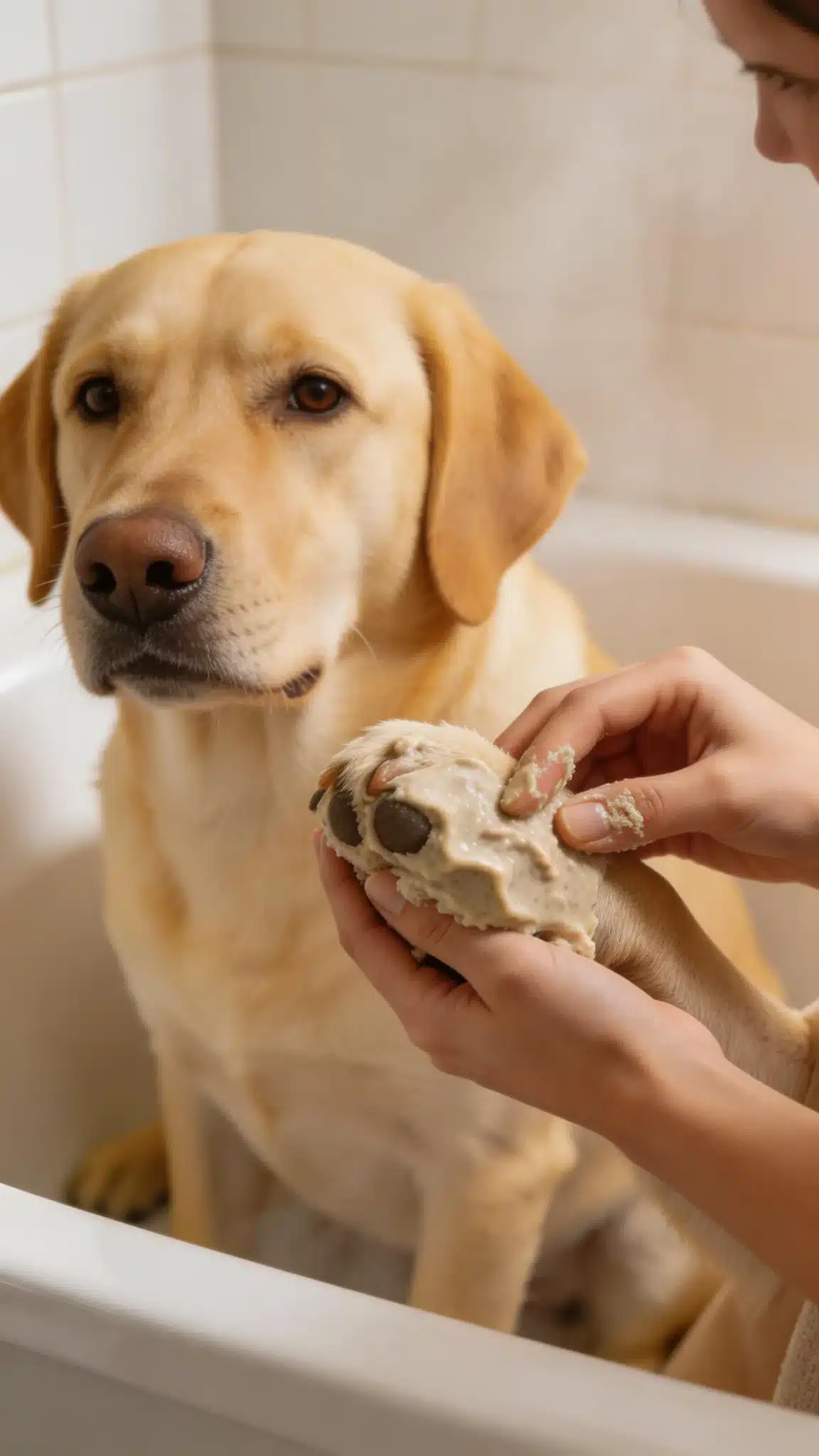
Topical relief can immediately calm irritated skin, hot spots, or itchy paws. It’s a great first step—just make sure your dog doesn’t have raw, open wounds before applying anything.
- Oatmeal shampoos and rinses hydrate and soothe (look for unscented dog formulas).
- Aloe vera gel (pure, without alcohol added) cools and helps healing.
- Coconut oil can be massaged onto troubled spots—just a thin layer (try this).
- Calendula or chamomile sprays: Known for natural, gentle calming abilities.
- Check out how to stop a dog from licking paws at night for more paw-specific tips.
Do a small patch test before full use, and stop if irritation increases.
Environmental Changes That Make a Real Difference
Sometimes, the surfaces your dog touches and the air they breathe are the source of skin issues. You can shift things at home for surprising improvement.
- Wash bedding, blankets, and toys weekly to remove allergens.
- Vacuum and mop often, especially in allergy season.
- Use air purifiers if pollen or dust mites are a problem (see air purifiers).
- Wipe down your dog with a damp cloth after outside play.
- Limiting walks during peak pollen times can help too.
Many French Bulldog owners have found relief by making small changes like these—especially for persistent paw licking (see reasons and natural solutions here).
Expert Tips and When to Call Your Vet
Expert insight: According to the American College of Veterinary Dermatology, about 10–15% of all dogs suffer from some form of allergic or chronic skin disease. Dr. Karen Becker, a well-known holistic vet, recommends a layered approach—diet, environment, topicals, and targeted supplements—for best results.
- If you don’t see improvement after 2–3 weeks, consult your vet for next steps.
- Serious symptoms to watch: hot skin, odor, bleeding, eye trouble, fast spreading rashes.
- “Natural” doesn’t always mean safe—always avoid human creams unless your veterinarian okays them.
- Keep records of what you tried and changes you see (daily photos help!).
If your dog’s symptoms seem to fit a specific problem, such as ticks, check out what a tick looks like on a dog for a helpful visual guide.
Frequently Asked Questions About Natural Alternatives to Cytopoint and Apoquel
Can Natural Remedies Really Help Dog Skin Issues?
Yes, many dogs show significant improvement with diet changes, natural supplements, and gentle topical remedies. But, results may be slower than with prescription drugs, and not all causes respond to natural solutions.
Are Omega-3 Supplements Safe for All Dogs?
Omega-3s are generally safe but can interact with blood thinners or cause digestive upset in some dogs. Always start with a low dose and watch for side effects. Consult your vet if your dog has any health concerns.
Can I Use Coconut Oil for Hot Spots?
Yes, pure coconut oil is often safe for small, mild hot spots. Use a very thin layer. If the area becomes more irritated or infected, stop and contact your veterinarian.
How Long Does It Take to See Results from Natural Alternatives?
Some natural remedies, like topical sprays or oatmeal baths, work within hours. Dietary changes or supplements usually need 2–6 weeks for visible improvement. Be patient and track symptoms.
🛒 Frenchie Owners Are Grabbing These Too
Should I Stop Using Apoquel or Cytopoint Cold Turkey?
It’s best to consult your veterinarian before stopping any prescription medication. They can help you taper off safely or monitor for flare-ups.
Can I Use More Than One Natural Remedy at Once?
Some can be combined, like supplements and topical treatments, but always introduce new things one at a time. This way, you’ll know what works and what might cause a reaction.
Conclusion
There are many gentle, natural options to help your dog’s skin—whether you’re looking to skip or supplement Cytopoint or Apoquel. Small food changes, safe topicals, cleaner environments, and targeted supplements can all play a role in healthier, happier skin for your canine best friend.
Your next step: Try one safe, natural option from this list that fits your dog’s needs. Track their progress, and connect with your vet if you’re unsure. Your dog deserves comfort—and you deserve peace of mind!