
French Bulldog Food Allergies: 8 Common Triggers, Symptoms and Diet Trial

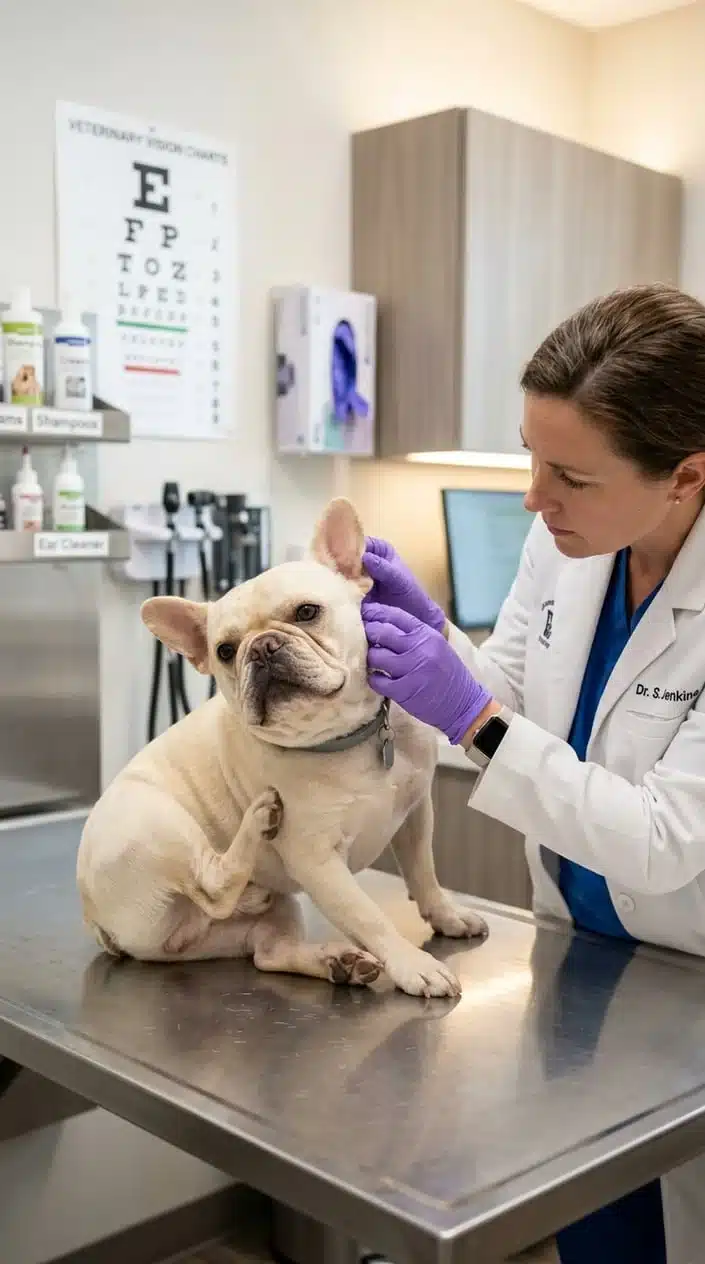
Food allergies can make a French Bulldog itchy and uncomfortable, but food is not the cause of every skin or stomach problem. Environmental allergens, fleas, mites, contact irritation, infections, and digestive disorders can produce similar signs.
The safest way to investigate a suspected food allergy is with your veterinarian. Symptoms and ingredient lists provide clues, but they cannot identify the trigger by themselves.
Possible French Bulldog food-allergy symptoms include year-round itching, paw licking, recurring ear inflammation, red skin, repeated skin infections, vomiting, diarrhea, gas, or frequent stools.
- Beef, dairy, chicken, eggs, wheat, soy, lamb, and fish are possible triggers, but almost any dietary protein can cause a reaction.
- Symptoms alone cannot confirm a food allergy because environmental allergies, parasites, and infections can look similar.
- A strict elimination diet followed by a controlled food challenge is the reliable diagnostic approach.
Food Allergy vs. Food Intolerance
A food allergy involves an immune response to a dietary component, usually a protein. A food intolerance is an adverse reaction that does not involve the same immune mechanism and may relate to digestion, an ingredient’s properties, or another health issue.
| Condition | Possible Signs | How It Is Investigated |
|---|---|---|
| Food allergy | Itching, ear inflammation, skin infections, vomiting, or diarrhea | Elimination diet followed by a controlled food challenge |
| Food intolerance | Gas, soft stools, vomiting, diarrhea, or abdominal discomfort | Diet history, examination, and an appropriate diet trial |
| Environmental allergy | Paw licking, itchy ears, face rubbing, belly redness, and recurring infections | Clinical workup after competing causes are addressed |
Our main guide to French Bulldog allergies explains how food, environmental triggers, infection, parasites, and irritation can overlap.
Eight Possible Food Triggers in French Bulldogs

The foods below are possible triggers—not ingredients every Frenchie must avoid. Frequently reported ingredients are also commonly used in dog food, so exposure is part of the picture. A label cannot prove which ingredient caused a reaction.
1. Beef
Beef is widely used in food, treats, chews, and flavored products. It should only be removed as part of a planned diet trial rather than on suspicion alone.
Free French Bulldog Care Tips Every Week!
Health, feeding, training and Frenchie secrets — straight to your inbox, completely free!
🔒 No spam. Unsubscribe anytime.
2. Dairy
Dairy can cause different adverse reactions. Lactose intolerance commonly produces gas or diarrhea, while an allergy involves an immune response to milk proteins and may also affect the skin.
3. Chicken
Chicken is a possible allergen, but most French Bulldogs can eat it without an allergic reaction. Do not assume chicken is responsible simply because a Frenchie is itchy.
4. Chicken Eggs
Egg proteins can trigger some dogs. Chicken meat and egg are not identical allergens, so a reaction to one does not automatically prove a reaction to the other.
5. Wheat
Wheat can cause food allergy, but animal proteins are often more important suspects. Grain-free food is not a valid allergy test because it may contain a previously eaten protein.
6. Soy
Soy protein appears in some foods and treats. It can cause a reaction in an individual dog, but it should not be broadly excluded without a structured plan.
7. Lamb
Lamb is only a novel protein for a particular Frenchie if that dog has never consumed it in food, treats, chews, or flavorings.
8. Fish
Fish can provide useful nutrients, but it is not automatically hypoallergenic. A previously exposed Frenchie can potentially react to it like another dietary protein.
French Bulldog Food-Allergy Symptoms
| Body Area | Possible Signs | Other Causes to Consider |
|---|---|---|
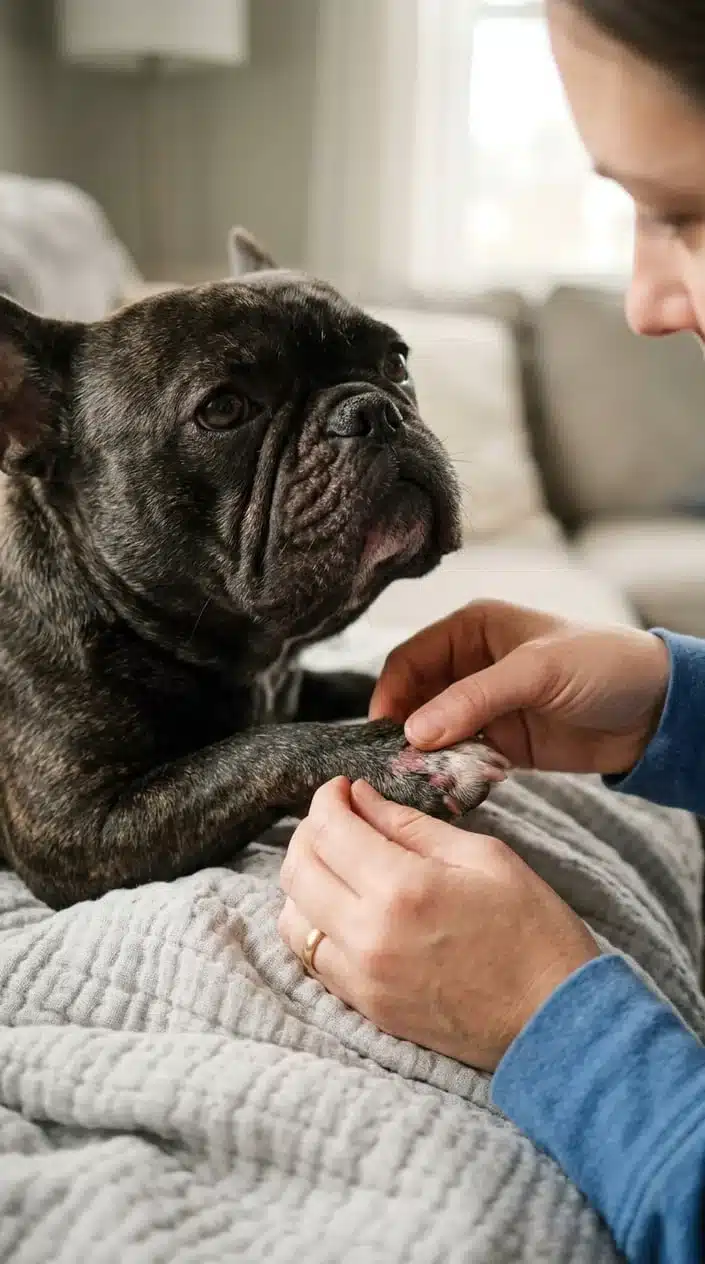
| Paws | Licking, chewing, redness, staining, or swelling | Environmental allergy, irritation, injury, or foreign material |
| Ears | Itching, head shaking, redness, odor, or recurring infection | Yeast, bacteria, mites, moisture, or foreign material |
| Face and folds | Face rubbing, redness, moisture, odor, or hair loss | Fold irritation, infection, eye problems, or environmental allergy |
| Belly and groin | Redness, bumps, itching, or darkened skin | Contact irritation, parasites, infection, or environmental allergy |
| Digestive system | Vomiting, diarrhea, gas, soft stools, or frequent bowel movements | Food intolerance, parasites, infection, or another digestive disorder |
Persistent licking can damage the skin and encourage infection. Our guide to why dogs lick their paws explains why allergy is only one possible cause. The appearance and location of a French Bulldog skin rash can also help your veterinarian separate allergy from infection, parasites, and fold irritation.
Signs That Make Food Allergy More Suspicious

- Itching that continues throughout the year
- Recurring ear inflammation or infection
- Persistent paw licking affecting more than one paw
- Repeated yeast or bacterial skin infections
- Itchy skin with vomiting, diarrhea, gas, or frequent stools
- Symptoms that improve during treatment but quickly return
These are clues, not confirmation. A Frenchie can also have food and environmental allergies at the same time.
Food Allergy vs. Environmental Allergy

| Feature | Food Allergy | Environmental Allergy |
|---|---|---|
| Timing | Usually year-round while the trigger is eaten | May be seasonal or year-round |
| Common areas | Paws, ears, face, belly, groin, or generalized skin | Paws, ears, face, armpits, belly, and groin |
| Digestive signs | May occur but are not always present | Less directly associated |
| Diagnosis | Elimination diet followed by a controlled challenge | Clinical diagnosis; testing may guide immunotherapy |
| Management | Avoid the confirmed dietary trigger | Reduce exposure and control inflammation |
Because the symptoms overlap, food allergy cannot be separated from atopy by looking at the skin alone. Read how veterinarians assess environmental allergies in French Bulldogs when pollen, mold, or dust mites may be involved.
How Veterinarians Diagnose a Food Allergy
1. Collect a Complete Diet History
Record every food, treat, chew, supplement, table scrap, flavored medication, and previous diet. This helps identify hidden exposures and genuinely novel options.
2. Examine the Whole Dog
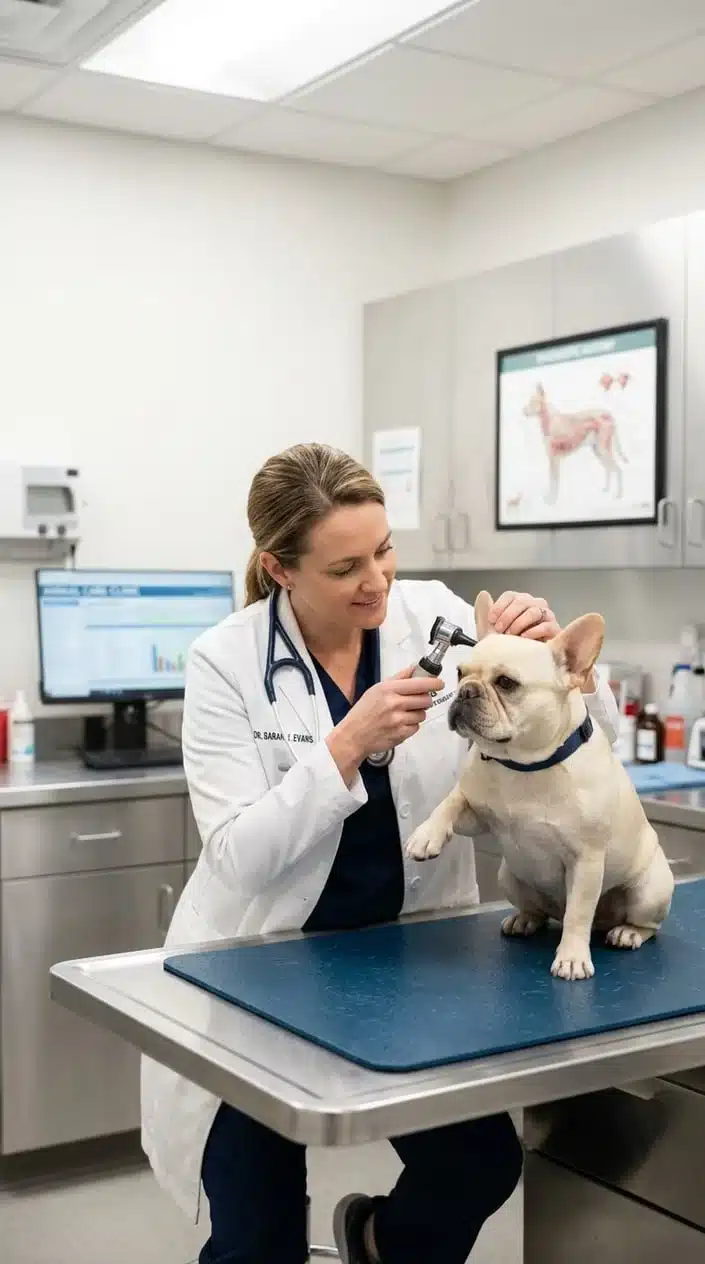
The veterinarian checks the skin, ears, paws, and digestive symptoms while looking for infection, parasites, painful lesions, and other explanations. Cytology may be needed when yeast or bacteria are suspected.
3. Select an Elimination Diet
A prescription hydrolyzed diet or carefully selected novel-protein diet may be recommended based on the dog’s previous exposures and nutritional needs.
4. Feed It Exclusively
The chosen food must be the only permitted nutrition for the veterinary-recommended period. Skin trials commonly require at least eight weeks, although the veterinarian may adjust the duration.
5. Reintroduce the Previous Diet
Improvement during elimination raises suspicion but does not confirm the cause. A controlled challenge with the previous food tests whether symptoms return.
6. Challenge Individual Ingredients
When appropriate, separate ingredient challenges can identify the exact trigger and prevent unnecessary long-term restrictions.
Blood, saliva, hair, and many mail-order food-sensitivity tests cannot reliably diagnose a canine food allergy. Results may lead to unnecessary restrictions while the real cause remains untreated.
A controlled elimination-and-challenge diet remains the practical reference method.
Hydrolyzed vs. Novel-Protein Diets
| Feature | Hydrolyzed Diet | Novel-Protein Diet |
|---|---|---|
| How it works | Proteins are broken into smaller components intended to reduce immune recognition | Uses a protein the individual dog has not previously eaten |
| When selected | When diet history is complicated or several proteins were fed | When a reliable, genuinely new protein can be identified |
| Main limitation | Requires strict feeding and veterinary selection | A protein is not novel if it appeared in food, treats, chews, or flavorings |
| Diagnostic advantage | Prescription diets have tighter ingredient controls | Veterinary diets may reduce cross-contact risk compared with retail products |
Do not improvise a homemade elimination diet. If one is medically appropriate, request a balanced recipe from a board-certified veterinary nutritionist.
What Can Ruin a Food Trial?
- No table scraps or bites from human meals
- No regular treats unless specifically approved
- No unapproved rawhide, flavored chews, or dental products
- Prevent access to another pet’s food
- Check toothpaste, supplements, and pill pockets for proteins or flavorings
- Ask about flavored medications and chewable parasite preventives
- Use only an approved portion of the trial diet as rewards
- Prevent access to dropped food, trash, and food offered by visitors
Even a small exposure may cause symptoms or make the result difficult to interpret. Everyone in the household should understand the rules.
What Not to Do
- Do not switch foods randomly every few weeks.
- Do not assume chicken is the problem.
- Do not use grain-free food as an allergy test.
- Do not trust hair, saliva, or commercial food-sensitivity tests.
- Do not automatically replace chicken with another previously eaten protein.
- Do not feed an unbalanced homemade elimination diet.
- Do not ignore recurring infections while focusing only on food.
Managing a Confirmed Food Allergy
Once a controlled challenge confirms the problem, long-term management centers on consistently avoiding the proven trigger while feeding a complete and balanced diet. Check meals, treats, chews, supplements, dental products, rewards, and flavored medication.
Food avoidance does not automatically treat an active ear or skin infection. Your veterinarian may also prescribe ear treatment, medicated skin products, antibiotics, antifungal medication, or itch control based on test results.
If chicken is properly confirmed as the trigger, our guide to food for French Bulldogs with chicken allergies can help you discuss suitable options with your veterinarian. It should not replace the diagnostic trial.
Frenchies with gas, loose stools, or vomiting but no clear skin pattern may have an intolerance or another digestive problem. Our sensitive-stomach food guide may help after conditions needing specific treatment are excluded.
When to Contact a Veterinarian
- Persistent or intense itching
- Recurring ear inflammation or infection
- Open sores, bleeding, hair loss, or strong odor
- Repeated vomiting or diarrhea
- Weight loss or reduced appetite
- Painful or swollen paws
- Symptoms that repeatedly return after treatment
Seek urgent care for breathing difficulty, collapse, pale gums, severe weakness, or rapidly spreading facial swelling. Repeated vomiting, bloody diarrhea, marked dehydration, or inability to keep water down also needs prompt assessment.
Frequently Asked Questions
Are French Bulldogs Commonly Allergic to Chicken?
Chicken can cause food allergy in an individual Frenchie, but it should not be blamed automatically. A controlled elimination-and-challenge trial is needed to confirm its role.
How Can I Tell If My Frenchie Has a Food Allergy?
Year-round itching, paw licking, recurring ear trouble, skin infections, and digestive signs raise suspicion. These overlap with other conditions, so an appropriate diet trial is necessary.
How Long Does a Food-Elimination Trial Take?
Skin-focused trials commonly require at least eight weeks of strict feeding, although your veterinarian may recommend a different duration. The challenge phase is still needed to confirm the diagnosis.
Can a Blood Test Diagnose Food Allergies?
Commercial blood, saliva, and hair tests do not reliably confirm canine food allergy. Elimination followed by reintroduction is the accepted practical approach.
Is Grain-Free Food Better for an Allergic French Bulldog?
Not automatically. A grain-free diet may contain the same animal proteins your Frenchie has eaten before. Choose a diagnostic diet with veterinary guidance.
Can Food Allergies Cause Ear Infections?
Food allergy can inflame the ear canal and encourage secondary infection. Pain, odor, discharge, or head shaking requires examination because mites and foreign material can look similar.
Can Food Allergies Cause Paw Licking?
Yes, but paw licking can also result from environmental allergy, irritation, infection, injury, pain, or trapped debris.
What Treats Can Be Used During an Elimination Diet?
Use only veterinarian-approved rewards. Pieces of the prescribed trial food may be reserved as treats; ordinary treats and flavored chews can invalidate the trial.
Bottom Line
French Bulldog food allergies can cause skin, ear, paw, and digestive problems, but those signs are not unique to food. The ingredient most often blamed is not necessarily the true trigger.
A complete diet history, examination, treatment of infections, strict elimination diet, and controlled food challenge provide the clearest answer. Avoid random diet changes and work with your veterinarian to keep the trial complete and useful.
This article provides general educational information and is not a substitute for veterinary examination, diagnosis, or treatment.


![How Much Does French Bulldogs Weigh [Resolved]](https://onlyfrenchbulldog.com/wp-content/uploads/2024/06/how-much-does-french-bulldogs-weigh-resolved_3178-768x550.jpg.webp)

