
Natural Ways to Support a Dog With Elevated Liver Enzymes

Getting a blood test back showing elevated liver enzymes is one of the more unsettling moments you can face as a dog owner. Your mind jumps straight to worst-case scenarios, but elevated enzymes do not always mean severe disease.
Natural ways to support a dog with elevated liver enzymes — through diet changes, targeted supplements, and toxin reduction — can make a real difference alongside veterinary care. This article breaks down what actually works, what to avoid, and how to put a practical plan together.
What Are the Best Natural Ways to Support a Dog With Elevated Liver Enzymes?

The most effective natural ways to support a dog with elevated liver enzymes include feeding a low-fat, moderate-protein diet, adding evidence-backed supplements like milk thistle, reducing household toxin exposure, and keeping stress low while the liver heals. These steps work best as a complement to veterinary diagnosis, not a replacement for it.
- Switch to a liver-friendly diet low in fat and copper.
- Add milk thistle (silymarin) — the most studied herbal liver support for dogs.
- Remove household chemicals, pesticides, and processed treats from your dog’s environment.
- Support gut health with probiotics, since gut-liver communication is direct.
- Keep exercise gentle to reduce metabolic strain on the liver.
- Schedule follow-up bloodwork to track enzyme trends over time.
Why Do Dogs Get Elevated Liver Enzymes?
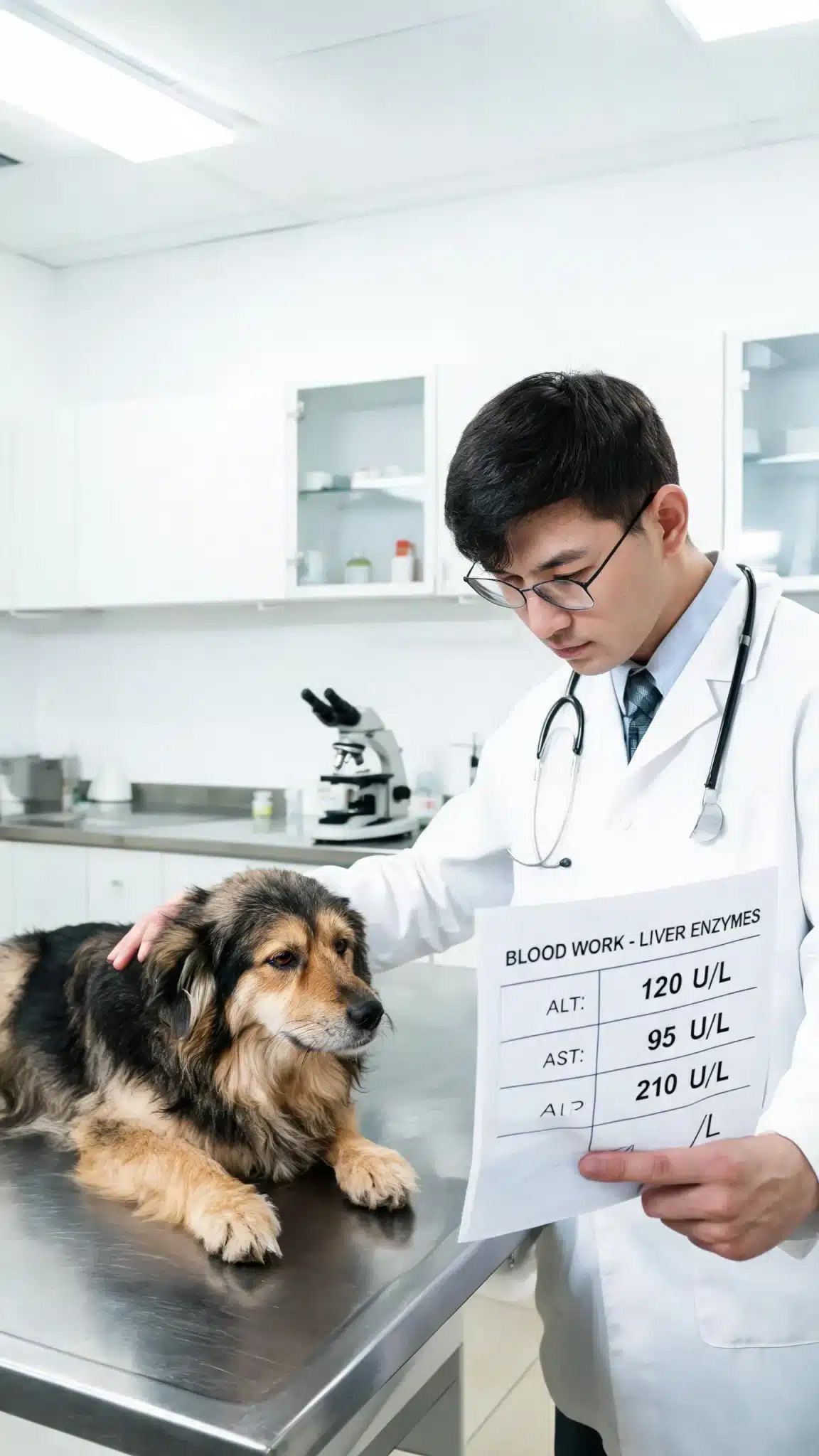
Elevated liver enzymes in dogs usually signal that liver cells are under stress or being damaged — but the cause can range from a single bad meal to a chronic disease. The two enzymes vets check most often are ALT (alanine aminotransferase) and ALP (alkaline phosphatase).
ALT rises when liver cells are actively injured. ALP can elevate from liver issues, bone disease, or even long-term steroid use — so context matters enormously.
Common causes include toxin ingestion, fatty liver disease, infections, breed-specific copper storage disorders, and certain medications.
- Toxins: xylitol, certain mushrooms, blue-green algae, and some flea treatments
- Diet: high-fat meals that overload liver metabolism
- Medications: long-term NSAIDs, phenobarbital, or corticosteroids
- Breed risk: Bedlington Terriers, Labrador Retrievers, and Dobermans are prone to copper storage disease
- Infections: leptospirosis, hepatitis viruses, and tick-borne diseases
If your dog is on long-term medication, speak with your vet before making any supplement changes. Some natural compounds interact with drugs processed by the liver.
BEFORE YOU SCROLL PAST
Readers Also Loved:
👉 How To Spot Early Signs Of Canine Dementia In Senior Dogs
How Diet Changes Support Liver Health in Dogs
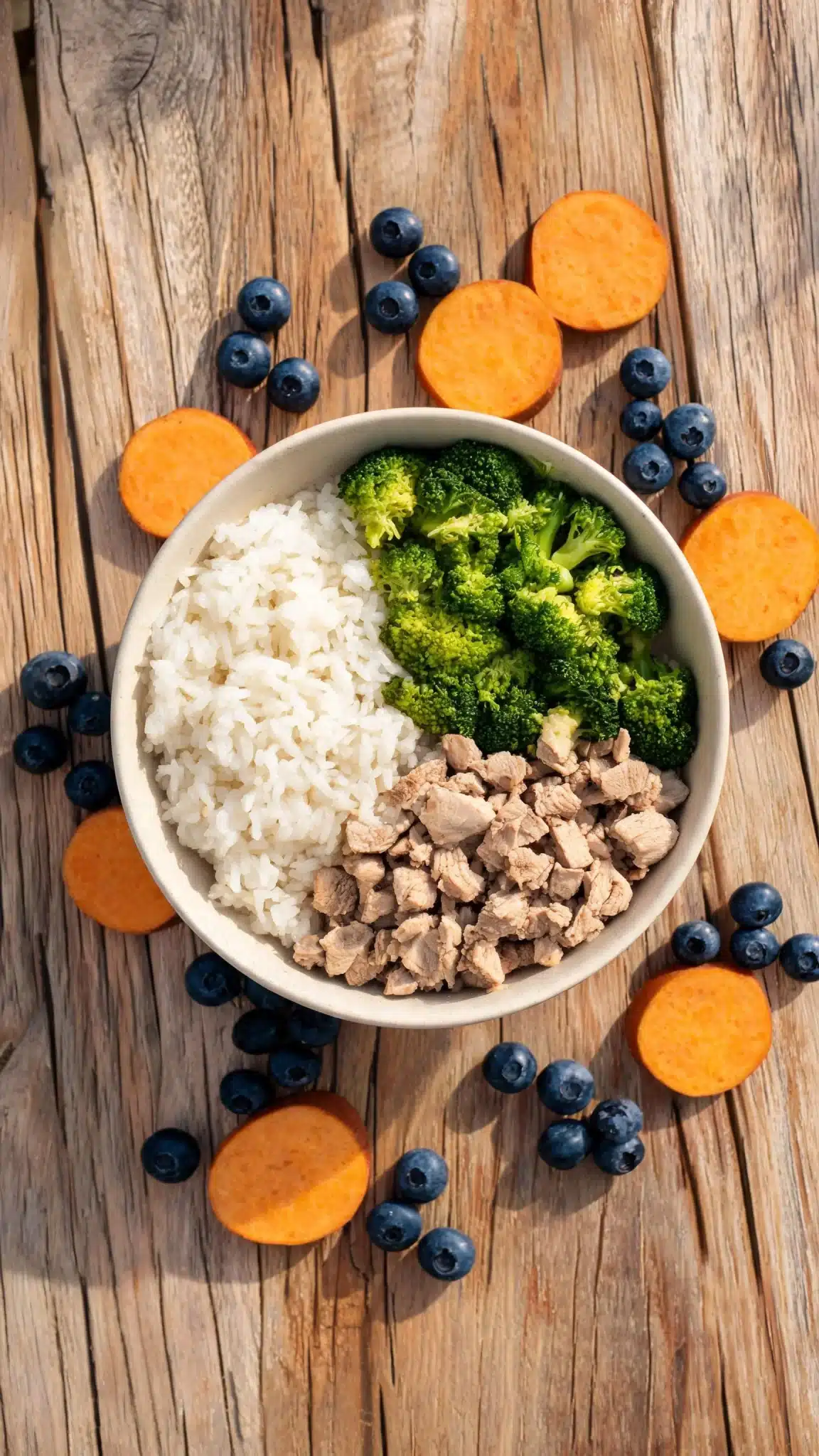
Diet is one of the most direct levers you have for reducing the liver’s workload. The goal is to feed nutrients the liver can process easily while cutting anything that forces it to work harder.
Reduce Fat and Copper Intake
High dietary fat increases the liver’s metabolic burden and can worsen fatty infiltration. Most vets recommend keeping fat below 15% on a dry matter basis for dogs with active liver issues.
Copper accumulates in the liver and is a known driver of chronic hepatitis in genetically susceptible dogs, according to the American College of Veterinary Internal Medicine (ACVIM). Avoiding organ meats, shellfish, and high-copper commercial kibbles is a practical first step.
Choose Moderate, High-Quality Protein
Cutting protein entirely is an outdated approach. The liver needs amino acids to regenerate, and protein restriction only makes sense in advanced cases with hepatic encephalopathy.
Lean proteins — chicken breast, turkey, and white fish — are easier to process than red meat. Adding a hydrolyzed protein dog food for liver support can further reduce the digestive and detox load on stressed liver cells.
Fresh, lightly cooked food is generally easier on the liver than ultra-processed kibble loaded with preservatives and fillers.
Add Antioxidant-Rich Foods
Blueberries, cooked sweet potato, and cooked broccoli all contain antioxidants that help neutralize oxidative stress in liver tissue. Keep portions small — these are additions, not meal replacements.
Avoid grapes, raisins, onions, garlic, and avocado, all of which carry documented toxicity risks for dogs. If your dog has ever gotten into something harmful, the guide on how much chocolate is dangerous for dogs by weight gives a useful framework for thinking about toxin thresholds.
BEFORE YOU SCROLL PAST
Readers Also Loved:
👉 How To Care For Your Female Frenchie During Her First Heat
Which Supplements Have the Strongest Evidence for Canine Liver Support?
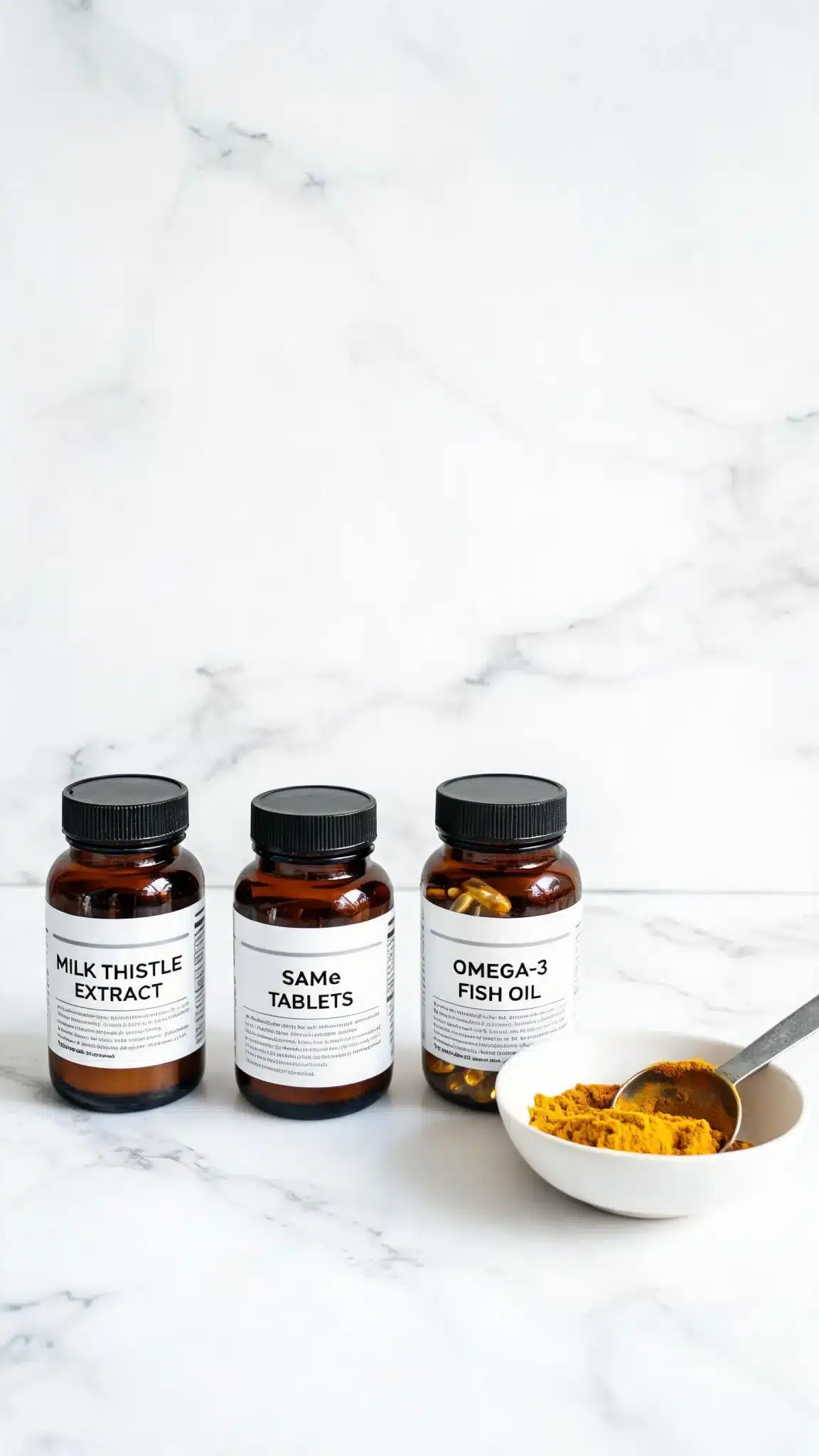
Several supplements have genuine research supporting their use in dogs with elevated liver enzymes. Not all herbal remedies are created equal — some are well-studied, others are marketing noise.
| Supplement | Active Compound | Evidence Level | Typical Use |
|---|---|---|---|
| Milk Thistle | Silymarin | Strong — multiple veterinary studies | Daily, ongoing |
| SAMe (S-adenosylmethionine) | SAMe | Strong — used in veterinary protocols | Daily, ongoing |
| Vitamin E | Alpha-tocopherol | Moderate — ACVIM-referenced antioxidant | With food daily |
| Dandelion Root | Inulin, taraxacin | Low — traditional use, limited canine trials | Cautious use only |
Milk Thistle (Silymarin)
Milk thistle is the most widely recognized herbal supplement for liver support in dogs. Silymarin, its active compound, has shown hepatoprotective effects in multiple veterinary studies by reducing oxidative damage to liver cells.
A typical dose cited in veterinary literature is 50–250 mg of standardized silymarin per day, depending on body weight — but always confirm the dose with your vet. Look for a milk thistle supplement formulated specifically for dogs to avoid human-product fillers.
SAMe and Vitamin E
SAMe supports glutathione production — the liver’s primary internal antioxidant. The ACVIM Consensus Statement on liver disease recommends SAMe and Vitamin E together as part of supportive care for chronic hepatitis in dogs.
These two work synergistically: Vitamin E protects cell membranes while SAMe replenishes intracellular antioxidant reserves. Both are available over the counter, but enteric-coated SAMe tablets have better absorption than standard forms.
MOST POPULAR THIS WEEK
Readers Also Loved: 👇
👉 How To Stop Dogs From Scratching Ears Raw
Do not start multiple supplements at once — introduce one at a time so you can track what helps and what causes side effects.
How to Reduce Environmental Toxin Load on Your Dog’s Liver
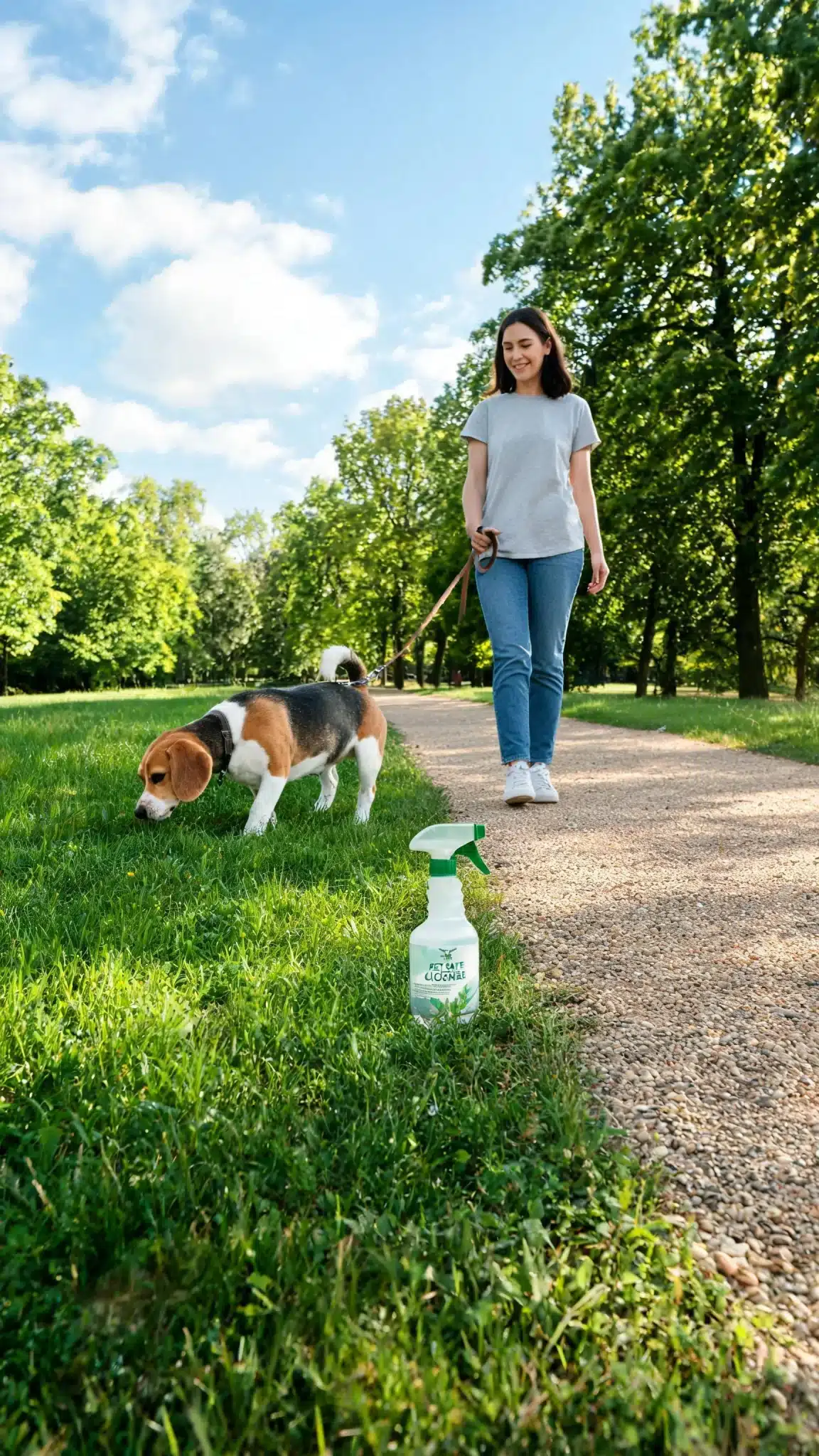
The liver processes every chemical your dog encounters — inhaled, absorbed through skin, or swallowed. Reducing that chemical burden gives the liver more capacity to heal.
- Lawn chemicals: Keep dogs off treated grass for at least 48 hours post-application.
- Flea and tick products: Discuss safer alternatives with your vet, especially for dogs with known liver issues.
- Cleaning products: Switch to pet-safe, fragrance-free floor cleaners — dogs absorb residue through their paws.
- Plastic food bowls: BPA and phthalates leach into food and water; stainless steel or ceramic is safer.
- Processed treats: Many contain artificial preservatives like BHA and BHT, which are metabolized by the liver.
If your dog is dealing with multiple health challenges at once, it may be worth exploring natural alternatives to common medications that add to liver burden, since some long-term drug protocols affect enzyme levels.
“The liver is the body’s primary detox organ. Reducing the incoming toxic load is just as important as adding hepatoprotective supplements.” — Dr. Susan Ettinger, DVM, DACVIM (Oncology), as quoted in veterinary integrative medicine discussions.
Water quality also matters. Tap water in some regions contains heavy metals and chlorine byproducts. A filtered water source can reduce one more item on your dog’s detox list.
How to Monitor Progress Naturally at Home
Natural support strategies take weeks to months to show measurable results in bloodwork. Knowing what to watch for at home helps you stay informed between vet visits.
- Track energy levels daily. A dog whose liver is improving will gradually regain normal activity and play drive. Sudden fatigue or new lethargy is a red flag to call the vet.
- Monitor appetite and weight. Unintended weight loss or complete appetite loss can signal worsening liver function. Weigh your dog weekly using the same scale.
- Check for visible symptoms. Yellowing of the eyes or gums (jaundice), bloating, and increased thirst all warrant immediate veterinary attention — do not wait for a scheduled visit.
- Keep a supplement log. Note what you started, when, and any changes in your dog’s behavior or stool. This log becomes valuable data for your vet at the recheck appointment.
- Schedule repeat bloodwork at 8–12 weeks. Enzyme trends over time tell a more complete story than a single reading.
If your dog’s overall health is declining despite natural interventions, a deeper diagnostic workup — including liver ultrasound or biopsy — may be necessary to rule out structural disease. Just as you would research vaccine timing and protocols to protect long-term health, staying on top of scheduled diagnostics is part of responsible liver management.
Some dogs also show skin changes when liver function is compromised, including coat dullness and hair loss in patches on the back — another signal worth tracking and reporting to your vet.
Common Mistakes When Supporting a Dog With Elevated Liver Enzymes
- Mistake: Cutting protein too aggressively. This can slow liver regeneration and cause muscle wasting. Fix: keep moderate, high-quality lean protein unless your vet specifically advises otherwise.
- Mistake: Stacking multiple supplements at once. Too many compounds at once overwhelm the liver further and make it impossible to know what is working. Fix: introduce one supplement at a time, spaced two weeks apart.
- Mistake: Assuming “natural” means safe in any dose. Dandelion root and certain herbal blends can interact with liver enzymes. Fix: run every supplement past your vet before starting.
- Mistake: Skipping follow-up bloodwork because the dog “seems fine.” Liver disease is often silent until it is advanced. Fix: keep all scheduled rechecks even when symptoms have resolved.
- Mistake: Switching to a raw diet without veterinary guidance. Raw diets for dogs with liver disease require careful macronutrient management. Fix: work with a veterinary nutritionist if you want to go the raw route.
For dogs already dealing with other inflammatory conditions, a targeted approach to natural oils can reduce systemic inflammation without adding unnecessary supplements to an already stressed liver.
Frequently Asked Questions About Natural Ways to Support a Dog With Elevated Liver Enzymes
Can elevated liver enzymes in dogs go back to normal naturally?
Yes, elevated liver enzymes in dogs can return to normal with appropriate dietary changes, toxin reduction, and supplements — especially when the cause is mild and caught early. Repeat bloodwork at 8–12 weeks typically shows whether the strategy is working.
Is milk thistle safe for dogs with high liver enzymes?
Milk thistle is generally considered safe for dogs with elevated liver enzymes and is widely used in veterinary integrative medicine. Always use a dog-specific formulation and confirm the dose with your vet based on your dog’s weight and health status.
What foods should a dog with elevated liver enzymes avoid?
Dogs with elevated liver enzymes should avoid high-fat foods, organ meats high in copper, shellfish, processed treats with artificial preservatives, and any known liver toxins like grapes, xylitol, and onions. A low-fat, lean-protein diet reduces the liver’s metabolic workload.
How long does it take for a dog’s liver enzymes to come down?
With consistent dietary changes and supplements, liver enzyme levels in dogs often begin improving within 6–12 weeks. Full normalization can take three to six months depending on the underlying cause and severity of the elevation.
Do I still need a vet if I am using natural liver support for my dog?
Veterinary oversight remains essential even when using natural liver support, because elevated enzymes can signal serious underlying conditions that require diagnosis. Natural approaches work best as a complement to, not a replacement for, professional veterinary care.
Can stress affect a dog’s liver enzyme levels?
Chronic stress can raise cortisol levels in dogs, and prolonged cortisol elevation is known to increase ALP in bloodwork. Keeping your dog’s environment calm and predictable supports both hormonal balance and liver health.
Supporting Your Dog’s Liver: The Bottom Line
The single most important step you can take is to combine veterinary diagnosis with a consistent natural support plan — diet first, targeted supplements second, and toxin reduction throughout. None of these strategies works in isolation, but together they give the liver the conditions it needs to heal.
Start today by reviewing your dog’s current food label for fat content and copper levels. That one change, made with guidance from your vet, can put your dog on a measurably better path before the next blood draw. For additional reading on liver health in dogs, the American College of Veterinary Internal Medicine publishes consensus guidelines that are freely available online.


