
Natural Arthritis Remedies for Dogs That Work

Natural arthritis remedies for dogs that actually work at home can make daily life easier for both you and your dog. If your dog moves slower, hesitates at stairs, or struggles after naps, you are not alone.
Arthritis affects many older dogs, but younger dogs can develop joint pain too after injury, excess weight, or breed-related joint problems. Early home support often helps dogs stay active longer and feel more comfortable between vet visits.
This guide shows you which natural remedies help most at home, how to use them safely, and when to call your veterinarian. You will also learn simple routines that support joints without overdoing exercise.
Natural Arthritis Remedies For Dogs That Actually Work At Home
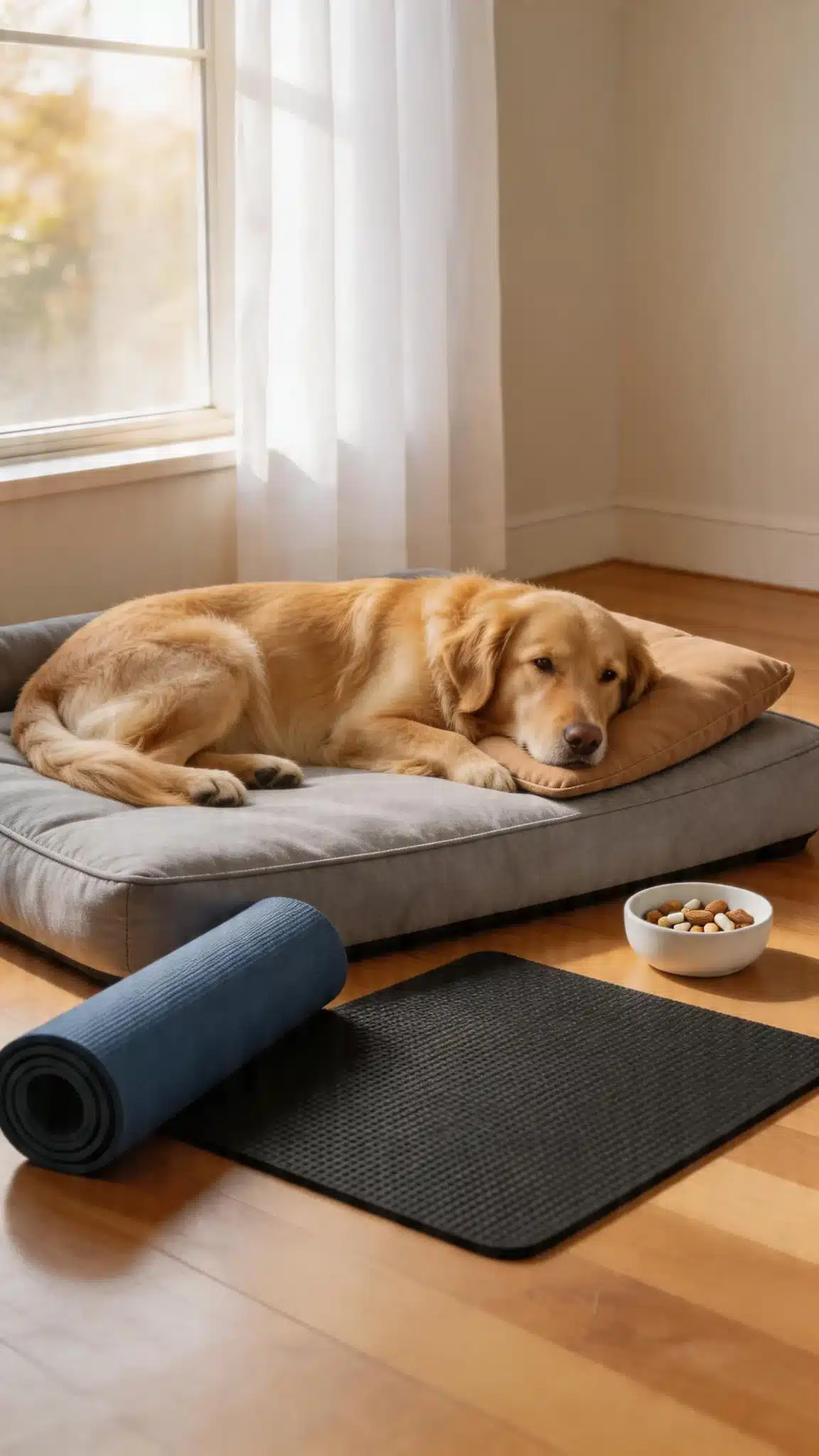
The best natural arthritis remedies for dogs combine weight control, gentle movement, joint-friendly bedding, heat, traction, and vet-approved supplements. Home care works best when you use several small changes together instead of relying on one fix.
- Keep your dog lean to reduce joint stress.
- Use short, steady walks instead of long outings.
- Add rugs or runners on slippery floors.
- Choose an orthopedic bed with good support.
- Ask your vet about fish oil and glucosamine.
- Use warm compresses before light activity.
- Raise food and water bowls if bending hurts.
Why Dogs With Arthritis Hurt More At Home Than You Think

Dogs with arthritis often look stiffest at home because they rest more there and then have to get moving again. Joint inflammation makes the first few steps after sleep harder than the middle of a walk.
Get Weekly Dog Care Tips Free
Join 10,000+ dog owners. Vet-approved advice every week
🔒 No spam. Unsubscribe anytime.
Cold floors, stairs, slippery surfaces, and carrying extra weight all add stress to sore joints. Your home setup can either ease pain or quietly make it worse every day.
In our experience, many owners focus on medicine first and miss the daily triggers hiding in plain sight. A slick kitchen floor can challenge an arthritic dog more than a 10-minute walk on grass.
Take Bella, a 10-year-old Lab from Ohio, who slipped near her water bowl several times each week. After her family added washable runners and moved her bed away from tile, she stood up more easily within four days.
Common Signs Your Dog Needs More Joint Support
Watch for slower rising, limping after rest, bunny hopping, reluctance to jump, and licking sore joints. Some dogs also seem grumpy when touched because pain lowers their patience.
Building on what we covered about home triggers, senior changes can overlap with other age-related issues. If your dog seems confused along with stiff, this guide on early signs of canine dementia in senior dogs can help you sort the difference.
🛒 What Every Frenchie Owner Needs Right Now
Home Changes That Reduce Joint Pain Fast
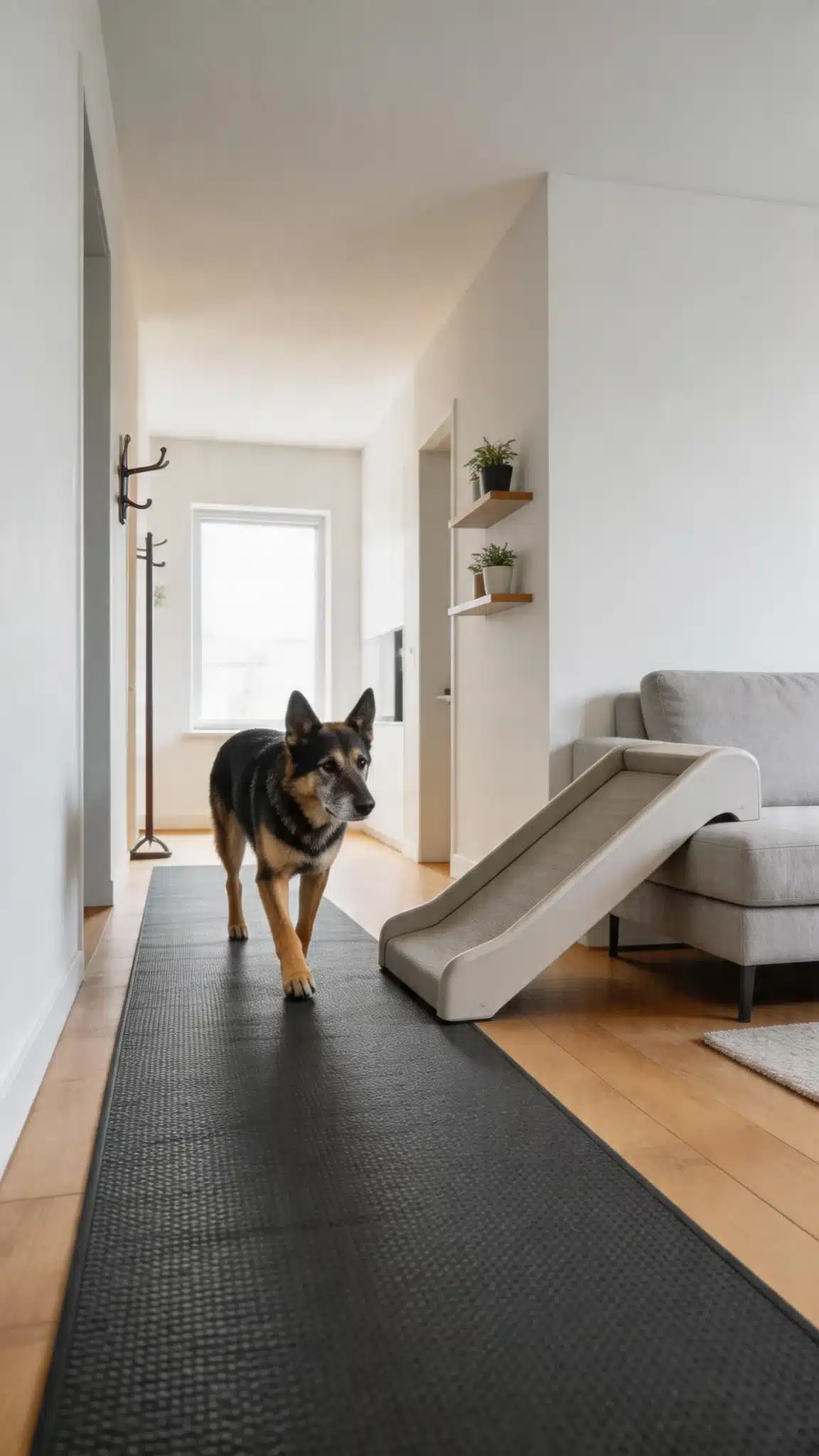
The fastest home wins usually come from reducing strain during normal movement. Dogs feel the difference when standing, turning, and lying down become easier.
Start with traction on every route your dog uses often, especially between bed, food, water, and the door. Area rugs, yoga mats, and non-slip runners help protect hips, knees, elbows, and wrists.
An orthopedic dog bed supports joints better than a thin pad on hard flooring. What we have found works best is a bed thick enough that your dog never bottoms out onto the floor.
Raised bowls can help dogs with neck, shoulder, or elbow pain, but only if the height fits your dog. Ask your vet before changing bowl height if your dog has a deep chest or history of bloat.
Jake, a 72-pound Boxer in Arizona, stopped pacing at night after his owner switched him to an orthopedic bed and added a foam ramp to the couch. He still had arthritis, but he slept six straight hours instead of waking every hour.
Simple Tools That Help At Home
- Dog ramp for couches, beds, or cars
- Non-slip dog socks for polished floors
- Heated pet pad with chew-resistant cord
- Washable runners through high-traffic pathways
- Harness with lift support for stairs
As the home changes section showed, comfort matters most when your dog uses support all day, not just during walks. If your dog also startles easily or resists touch, past stress can play a role, and this article on how past trauma or mistreatment influences a dog’s reaction may help.
Best Natural Supplements For Canine Arthritis

Some supplements help canine arthritis, but quality and dosing matter. Always ask your veterinarian before adding a supplement, especially if your dog takes pain medicine, blood thinners, or has liver, kidney, or stomach issues.
Fish oil has some of the strongest support for arthritis comfort in dogs. Omega-3 fatty acids EPA and DHA may help reduce inflammation, and many vets recommend them as part of a long-term plan.
Glucosamine and chondroitin may help some dogs, though results vary and usually take several weeks. Green-lipped mussel and undenatured type II collagen also show promise in some studies and veterinary practice.
We have seen this consistently with bigger dogs over age eight: owners give up too soon. Natural joint supplements usually need four to eight weeks before you can judge whether they help.
🛒 Vets Use For Their Own Frenchies
Max, an 11-year-old Golden Retriever in North Carolina, improved after six weeks on a vet-approved fish oil and joint chew. His owner tracked a drop from eight minutes to three minutes for getting comfortable at bedtime.
Supplements Worth Asking Your Vet About
- Fish oil for dogs with listed EPA and DHA
- Glucosamine and chondroitin chews
- Green-lipped mussel powder or capsules
- Undenatured type II collagen
- Turmeric only with veterinary guidance
Skip human products that contain xylitol, added sweeteners, or unsafe flavorings. Never guess on dose because too much fish oil can cause stomach upset and may affect clotting.
Building on what we covered about supplements, dogs with sensitive skin sometimes react to additives or fillers. This guide on natural alternatives for dog skin issues can help if your dog needs simpler ingredients.
Movement, Massage, And Heat That Help Without Overdoing It

Arthritic dogs need movement, but they need the right kind. Long weekend hikes often backfire, while short daily walks and gentle range-of-motion work usually help more.
Aim for consistent, low-impact exercise on level ground. Two or three short walks each day often beat one long walk because they keep joints moving without causing a flare.
Warmth can loosen stiff muscles before activity. Use a warm, not hot, compress for five to ten minutes on sore areas if your dog enjoys it and your vet approves.
Massage can help circulation and relaxation when you use soft pressure around sore muscles, not hard pressure on joints. Many of our readers tell us their dogs stretch more easily after a five-minute massage session.
Luna, a 9-year-old Pit Bull mix in Michigan, did best with three eight-minute walks and a warm towel on her hips before the morning outing. Her owner stopped trying one long afternoon walk, and Luna limped less by the second week.
Signs You Are Doing Too Much
- Limping gets worse after exercise
- Your dog lags behind sooner than usual
- Heavy panting continues long after stopping
- Stiffness increases the next morning
- Your dog avoids the leash or hides
Mental enrichment also matters because bored dogs often pace, overreact, or move in awkward bursts. For low-impact activity, try food puzzles or learn how to make a dog snuffle mat at home.
How To Build A Daily At-Home Arthritis Routine
A simple routine helps you notice patterns and keeps your dog from doing too much on good days. Consistency beats intensity when you manage arthritis at home.
- Check your dog each morning for stiffness, limping, and appetite changes. Write down one pain score from one to five.
- Use a warm compress for five to ten minutes before the first walk if your dog likes it. Keep the walk short and steady.
- Feed measured meals and avoid extra treats that add weight quickly. Even one extra pound can matter for small dogs.
- Give supplements exactly as your vet directs. Use a phone reminder so doses stay consistent.
- Offer rest on a supportive bed in a warm area away from drafts. Make water easy to reach.
- Take two more short walks or potty breaks on non-slip paths. Skip fetch, jumping, and sudden turns.
- Track evening comfort, including stairs, lying down, and getting up. Review your notes weekly for trends.
Charlie, a 13-year-old Beagle in Florida, improved most after his owner started a written routine. Her daily notes showed rainy days and long car rides caused his worst flare-ups, which helped her plan better.
Expert Insights On Natural Arthritis Care For Dogs
Veterinary experts often agree on one major point: body weight changes joint pain more than most owners expect. Dr. Susan O. Huntington and other veterinary nutrition experts have long emphasized lean body condition for dogs with osteoarthritis.
A well-known study in Labrador Retrievers, published in the Journal of the American Veterinary Medical Association, found that dogs fed to stay lean developed chronic disease later and lived longer than control-fed littermates. That finding supports weight control as a practical home remedy.
Dr. Jennifer Coates, DVM, has also written that omega-3 fatty acids can support dogs with osteoarthritis when used under veterinary guidance. Fish oil does not replace treatment, but it can be a useful part of a home plan.
In our experience, the best results come when owners combine expert-backed basics instead of chasing miracle cures. A lean body, safe exercise, traction, warmth, and vet-approved supplements usually beat trendy fixes.
Ranger, a 95-pound German Shepherd in Colorado, lost seven pounds over four months with his veterinarian’s plan. His owner reported fewer slips, easier car entry, and less need for help rising each morning.
When Home Remedies Are Not Enough
Natural remedies can help a lot, but they cannot fix every cause of pain. Some dogs need prescription pain relief, rehab, laser therapy, injections, or imaging to rule out torn ligaments, spinal disease, or cancer.
Call your veterinarian fast if your dog cries out, stops bearing weight, refuses food, develops swelling, or suddenly worsens. Those signs point beyond routine arthritis soreness and need prompt medical attention.
If your dog already takes medication, ask before adding herbs or supplements. As the supplement section showed, mixing products can create stomach issues or interfere with prescribed treatment.
Milo, a 7-year-old French Bulldog in Texas, seemed to have simple arthritis until his dragging back feet worsened. His exam showed a spinal issue that needed a different treatment plan than home remedies alone.
Some owners also confuse skin irritation or odd odors with joint discomfort because dogs lick sore areas. If that sounds familiar, this article on corn chip smell in dogs may help you sort what is normal and what is not.
Frequently Asked Questions About Natural Arthritis Remedies For Dogs That Actually Work At Home
Can I Treat My Dog’s Arthritis Naturally Without A Vet?
You can support mild arthritis at home, but your vet should confirm the cause of pain first. Limping can also come from injuries, spinal problems, infections, or cancer.
What Is The Best Natural Anti-Inflammatory For Dogs?
Fish oil with EPA and DHA has some of the best support for joint inflammation in dogs. Ask your vet for the right product and dose for your dog’s size and health history.
Does Heat Or Ice Work Better For Arthritic Dogs?
Most arthritic dogs do better with gentle heat before activity because warmth reduces stiffness. Ice fits sudden injuries or swelling better than long-term arthritis stiffness.
How Long Do Natural Remedies Take To Help?
Home changes like rugs and better bedding may help within days. Supplements often take four to eight weeks before you can judge the result.
Should I Still Walk My Dog If They Have Arthritis?
Yes, but keep walks short, regular, and low impact unless your vet says otherwise. Too little movement can worsen stiffness, while too much can trigger a flare.
Can Weight Loss Really Make A Big Difference?
Yes, extra weight puts more force on already sore joints every single day. Even modest weight loss can improve mobility and comfort.
Conclusion
Natural arthritis remedies for dogs that actually work at home focus on the basics that reduce strain every day. Weight control, traction, supportive bedding, steady exercise, warmth, and vet-approved supplements give many dogs real relief.
Start today by adding one non-slip path from your dog’s bed to the door and tracking stiffness for one week. If your dog needs extra support, your veterinarian can help you turn these home steps into a safe long-term plan.


