How Often Should You Deworm Puppies Birth to One Year

How often should you deworm puppies birth to one year? If you just brought home a young dog, that question matters right away.
Puppies pick up worms easily from their mother, soil, fleas, and even shared spaces. A smart deworming schedule helps protect growth, digestion, energy, and your family’s health.
This guide gives you a clear age-by-age puppy deworming plan, signs to watch, and when to call your vet. If you are still choosing a pup, our guide to available puppies for sale in Florida can help you ask better health questions.
How Often Should You Deworm Puppies Birth To One Year
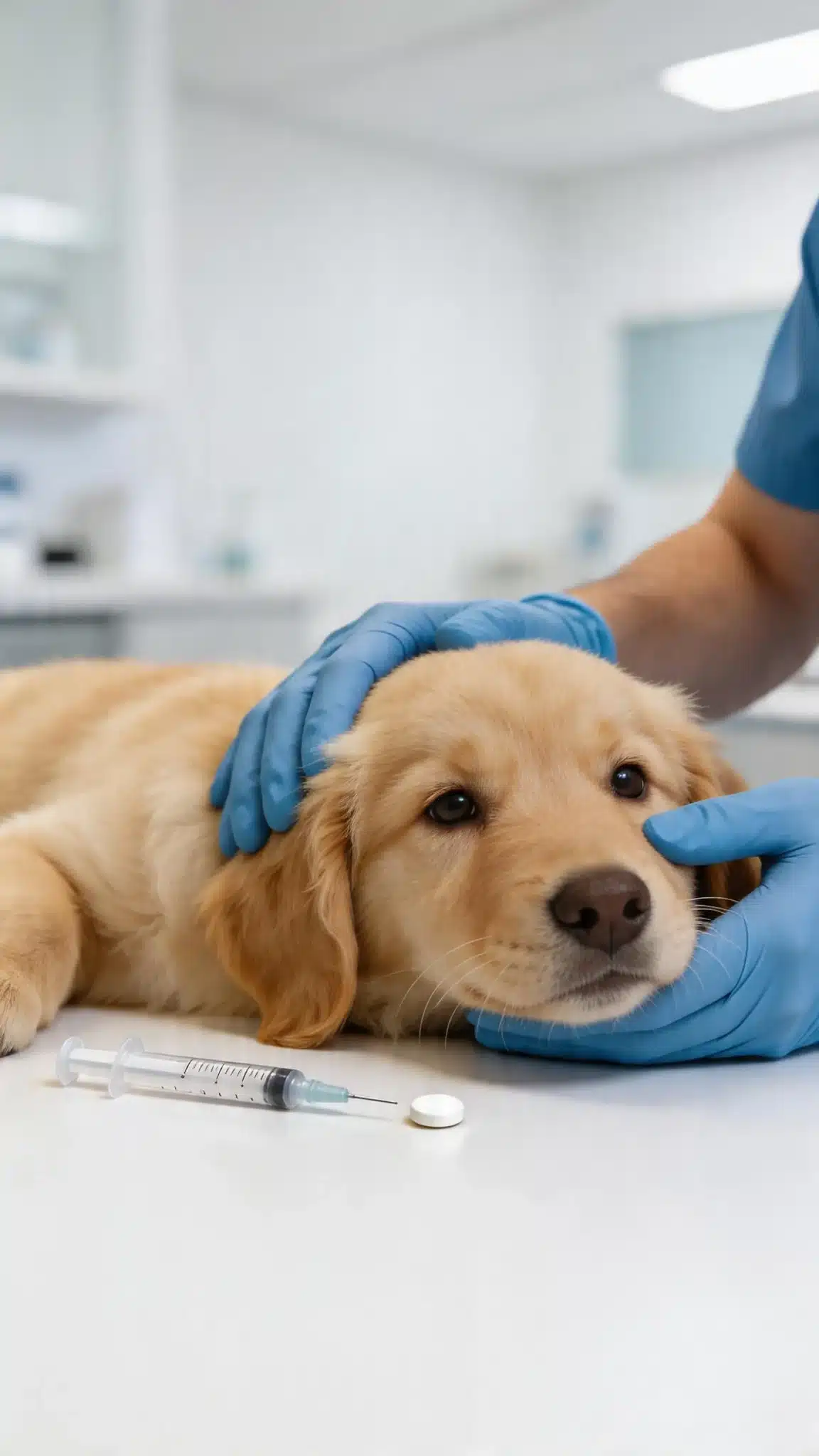
Puppies usually need deworming every two weeks from 2 weeks to 12 weeks old, then monthly until 6 months. After that, most dogs move to a vet-based schedule, often every 3 months or a monthly heartworm preventive that also covers intestinal worms.
- 2 weeks old: first deworming often starts.
- Every 2 weeks until 12 weeks old.
- Monthly from 3 to 6 months old.
- Many vets recheck stool samples during puppy visits.
- After 6 months, schedule depends on risk and lifestyle.
- Monthly preventives may cover several common worms.
- Always use your veterinarian’s exact product and timing.
Why Puppies Need Deworming So Early

Puppies face a much higher worm risk than adult dogs. Roundworms and hookworms commonly pass from the mother before birth or through nursing.
Even clean homes do not remove that early exposure. Young puppies can carry worms before you ever see symptoms, which makes early treatment a basic part of care.
In our experience, first-time owners often expect worms only in neglected dogs. Healthy-looking litters can still test positive, especially for roundworms.
Get Weekly Dog Care Tips Free
Join 10,000+ dog owners. Vet-approved advice every week
🔒 No spam. Unsubscribe anytime.
A breeder in Ohio named Karen told us her 6-week-old litter of five looked perfect, yet three puppies had roundworms on a routine fecal exam. After timely deworming, all five gained weight normally by their 8-week checkup.
Common Worms Seen In Puppies
Most puppies in the United States get checked for roundworms, hookworms, whipworms, and tapeworms. Some areas also raise concern for Giardia or coccidia, though those are different parasites and need different treatments.
Roundworms and hookworms matter most in early puppyhood because they can affect growth and stool quality fast. Heavy infections may also lead to weakness, potbellies, vomiting, or anemia.
🛒 What Every Frenchie Owner Needs Right Now
Puppy Deworming Schedule By Age
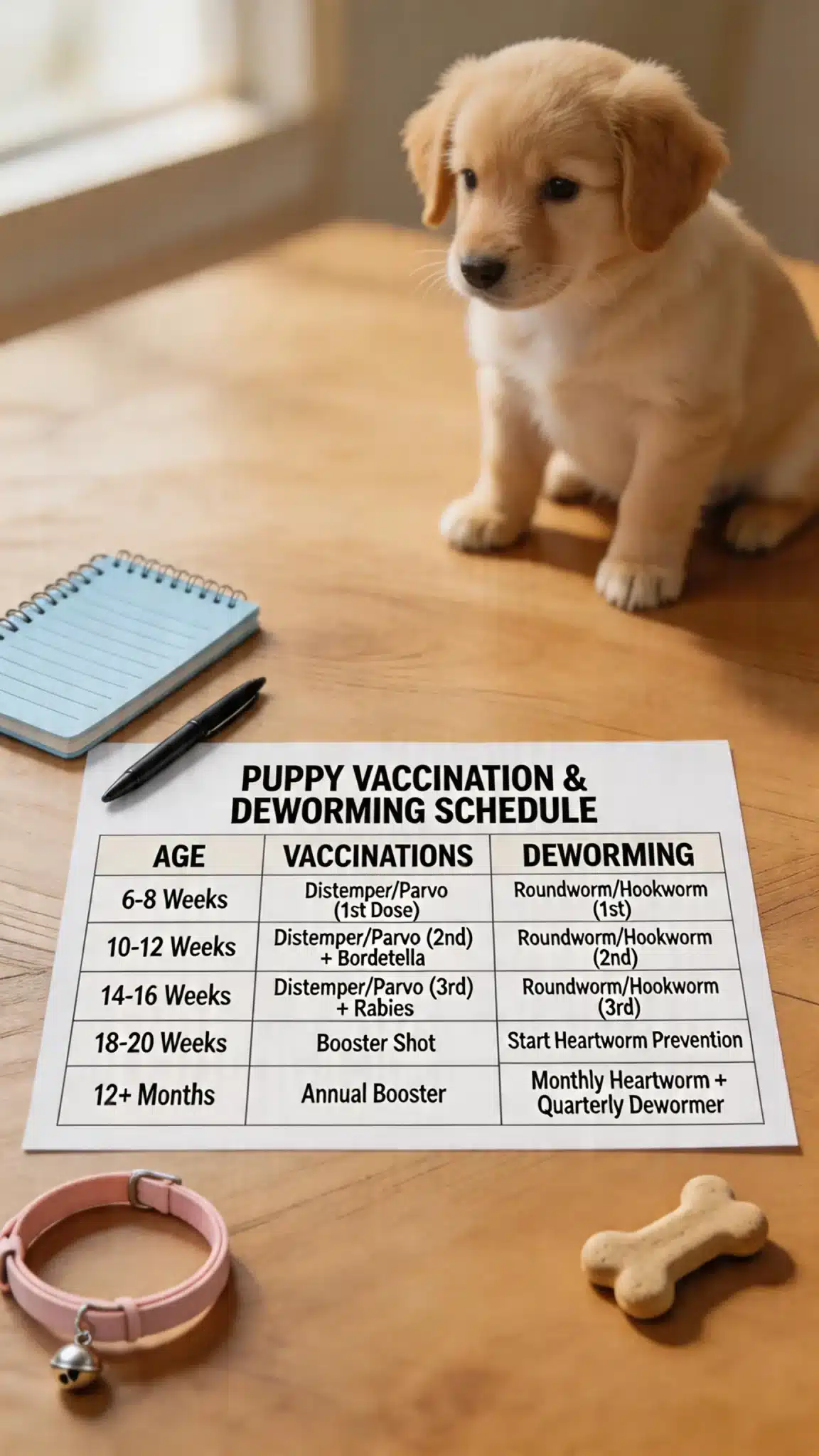
The basic timeline stays fairly consistent, but your veterinarian may adjust it for breed size, health history, or test results. What we have found works best is following a simple age calendar and writing each dose down.
Birth To 2 Weeks
Most puppies do not receive routine deworming at birth. Vets usually begin around 2 weeks because that timing better matches common worm life cycles.
2 To 12 Weeks
From 2 weeks through 12 weeks, puppies often get dewormed every 2 weeks. That usually means doses at 2, 4, 6, 8, 10, and 12 weeks.
This frequent schedule targets worms as they mature inside the body. It also lowers the chance that a growing puppy falls behind from nutrient loss.
3 To 6 Months
After 12 weeks, most puppies shift to monthly deworming until 6 months old. Your vet may pair this with vaccines, fecal checks, and a monthly preventive.
Many of our readers tell us this stage feels easier because visits become more predictable. If your pup has loose stool during this period, this article on dog diarrhea while acting normal can help you decide what deserves a call.
6 To 12 Months
From 6 months to 1 year, many dogs move to a risk-based plan. Some stay on monthly parasite prevention, while others deworm every 3 months if their vet recommends it.
A Labrador puppy named Milo stayed on a monthly broad-spectrum preventive from 8 weeks to 12 months. His owner brought fecal samples at 16 weeks and 9 months, and both came back clear.
Signs Your Puppy Might Have Worms

Worms do not always cause obvious symptoms, especially early on. That is one reason routine treatment and stool testing matter so much.
Watch your puppy’s energy, appetite, weight gain, and stool. Building on what we covered about early exposure, even mild changes can point to parasites in a young pup.
🛒 Vets Use For Their Own Frenchies
- Bloated or potbellied belly.
- Diarrhea or soft stool.
- Vomiting.
- Visible worms in stool.
- Slow weight gain.
- Dull coat.
- Low energy.
- Pale gums with hookworms.
- Scooting, especially with tapeworms.
We have seen this consistently with rescue puppies that arrive stressed from transport. A 10-week-old Frenchie named Benny had no appetite loss, but stool testing after mild diarrhea found hookworms and roundworms.
When Symptoms Mean Urgent Care
Call your vet quickly if your puppy vomits repeatedly, seems weak, has bloody diarrhea, or shows pale gums. Very young puppies can get dehydrated and anemic faster than most owners expect.
If your puppy collapses, struggles to breathe, or cannot keep water down, seek emergency care now. Heavy worm loads can turn serious fast in small puppies.
How Vets Choose The Right Dewormer

Not every dewormer treats every parasite, so product choice matters. Your vet picks a medication based on age, weight, symptoms, and fecal exam results.
Many puppy dewormers target roundworms and hookworms first. Tapeworm treatment often needs a different medication, especially if fleas caused the problem.
In our experience, owners get into trouble when they use random leftovers or guess the dose. The right medicine at the right weight is safer and works better.
A family in Texas used an old product meant for a larger dog on their 9-pound puppy, Daisy. Their veterinarian corrected the plan, treated her safely, and had her back to normal within days.
Products You May Hear About
Your vet may prescribe pyrantel pamoate, fenbendazole, or praziquantel, depending on the parasite. Some monthly preventives also cover common intestinal worms and heartworm prevention in one dose.
If your vet wants stool samples at home, a dog stool sample kit can make collection easier. For owners tracking doses, a pet health record book helps you avoid missed treatments.
How To Keep Puppies From Getting Worms Again
Deworming kills current parasites, but it does not stop new exposure. Puppies can pick up worms again from contaminated soil, fleas, feces, or other animals.
What we have found works best is combining treatment with simple home habits. Clean routines lower reinfection risk and support your puppy’s immune system while they grow.
- Pick up stool from your yard every day. Worm eggs can survive in the environment.
- Wash bedding weekly in hot water. Clean crates and pens after accidents.
- Use flea control on schedule. Fleas often spread tapeworms.
- Bring fresh stool samples to vet visits. Testing catches parasites treatment can miss.
- Keep your puppy from eating feces outdoors. Many puppies try, so stay close.
- Ask your vet about monthly prevention. One product may cover heartworm, hooks, rounds, and more.
A breeder in North Carolina reduced repeat roundworm cases in a litter room by changing cleanup from every other day to twice daily. She also washed blankets each week and saw clear fecal tests by 12 weeks.
For cleaning fur around accidents, a pack of puppy grooming wipes can help between baths. A flea comb for dogs also helps you spot tapeworm-linked flea problems early.
Step-By-Step Deworming Plan From Birth To One Year
Use this simple plan to stay organized during your puppy’s first year. Many of our readers tell us a written schedule removes a lot of stress.
- Ask for the breeder or rescue health record before pickup. Confirm any deworming dates already completed.
- Schedule your first vet visit within a few days of bringing your puppy home. Bring a fresh stool sample if you can.
- Follow deworming every 2 weeks from 2 to 12 weeks old. Mark each dose on your calendar.
- Switch to monthly deworming from 3 to 6 months if your vet advises it. Pair it with vaccine appointments.
- Start or continue monthly flea and heartworm prevention. Ask whether it also covers intestinal worms.
- Recheck stool samples when your vet recommends. Puppies can still test positive after treatment.
- At 6 months, review lifestyle risks with your veterinarian. Daycare, dog parks, hunting, and yard habits all matter.
- Choose your long-term plan for 6 to 12 months. That may mean monthly prevention or periodic deworming with testing.
If you recently adopted and want a broad puppy-care checklist, our piece on where to adopt American Bully puppies covers questions to ask about early health records. New owners also enjoy planning details like French Bulldog puppy names once the medical basics are handled.
Expert Insights On Puppy Deworming
The Companion Animal Parasite Council, often called CAPC, advises routine fecal exams and broad parasite prevention based on a pet’s age and risk. Their maps and guidance help veterinarians track parasite trends across the United States.
Dr. Michael Dryden, a veterinary parasitologist at Kansas State University, has long emphasized that puppies face heavy parasite exposure early in life. His work supports regular testing and prevention rather than waiting for obvious symptoms.
The American Veterinary Medical Association notes that some parasites, including roundworms and hookworms, can spread from pets to people. That matters most for children, who often play where infected soil or feces may be present.
We have seen this consistently in multi-dog homes where one missed stool cleanup leads to repeat exposure. A family with two puppies in Arizona cleared recurring hookworms only after treating both dogs and tightening yard sanitation for 30 days.
If your vet recommends monthly chewables, you might compare options like a dog medication organizer. For yard cleanup, a dog pooper scooper set makes daily removal easier.
Frequently Asked Questions About How Often Should You Deworm Puppies Birth To One Year
Can I Deworm A Puppy Without Going To The Vet?
You can buy some over-the-counter products, but guessing often leads to missed parasites or wrong dosing. Your vet gives the safest plan based on weight, age, and stool testing.
Do Indoor Puppies Still Need Deworming?
Yes, indoor puppies still need routine deworming because many worms pass from the mother before you bring them home. Indoor living lowers risk later, but it does not erase early exposure.
How Do I Know If The Dewormer Worked?
Your puppy may improve in appetite, stool quality, and energy, but symptoms alone do not confirm success. A follow-up fecal exam gives the clearest answer.
What If I Miss A Scheduled Deworming Dose?
Call your veterinarian and give the missed dose only if they approve the timing. Then restart the schedule they recommend, because timing affects how well treatment works.
Can Worms Cause Diarrhea In Puppies?
Yes, roundworms and hookworms often cause loose stool or diarrhea in puppies. If the problem continues, our guide on when diarrhea matters may help you judge next steps.
Should I Delay Deworming Around Spay Or Neuter Surgery?
Your veterinarian will usually coordinate both treatments safely based on your puppy’s health. If you are planning surgery timing, this article on when not to spay your dog covers useful questions to ask.
Conclusion
The best answer to how often should you deworm puppies birth to one year is simple: every 2 weeks until 12 weeks, monthly until 6 months, then follow your vet’s risk-based plan. Consistency matters more than guessing.
Take one step today by checking your puppy’s records and booking a fecal exam if you do not have a clear schedule. You have got this, and your vet can help you keep your puppy healthy through the whole first year.