Signs Of A Dog Having A Stroke: Act Fast

Signs Of A Dog Having A Stroke can appear fast and feel terrifying when your dog suddenly cannot stand, walk straight, or focus. If you see these changes, you need clear steps right away.
This topic matters because a stroke can look like seizures, poisoning, or vestibular disease, and each problem needs urgent veterinary care. Fast action can protect your dog from falls, dehydration, and delayed treatment.
This guide will help you spot the most likely warning signs, respond safely, and know what your veterinarian may do next. You will also learn which symptoms need emergency care without waiting.
Signs Of A Dog Having A Stroke And What To Do Right Away
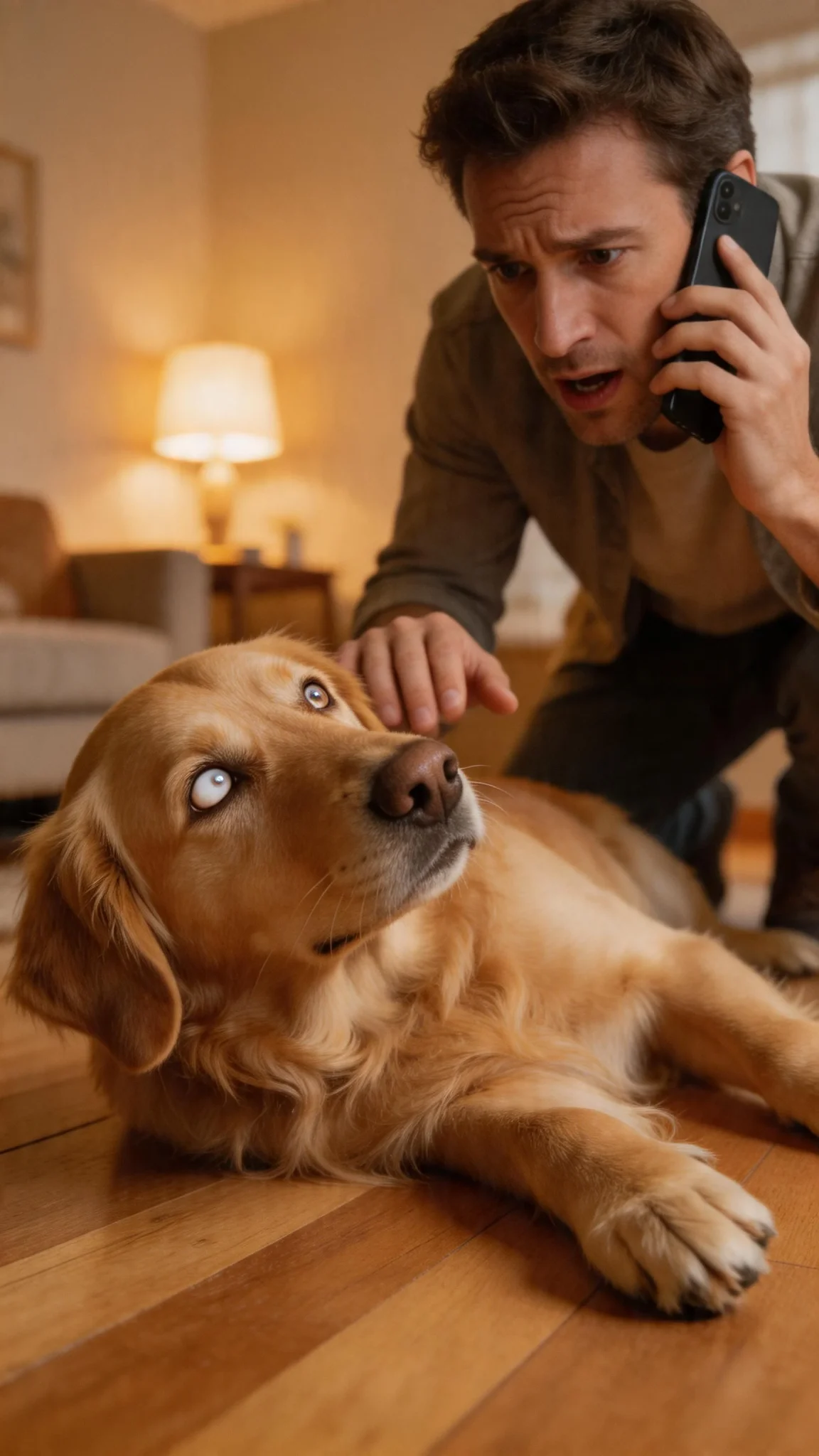
Possible signs of a dog stroke include sudden loss of balance, head tilt, abnormal eye movement, weakness, collapse, and confusion. Call an emergency veterinarian immediately, keep your dog still, and transport them safely.
- Sudden stumbling or falling
- Head tilt that starts quickly
- Eyes flicking side to side
- Weakness on one side
- Confusion or not recognizing you
- Collapse or trouble standing
- Call the vet before you leave
What A Stroke Looks Like In Dogs
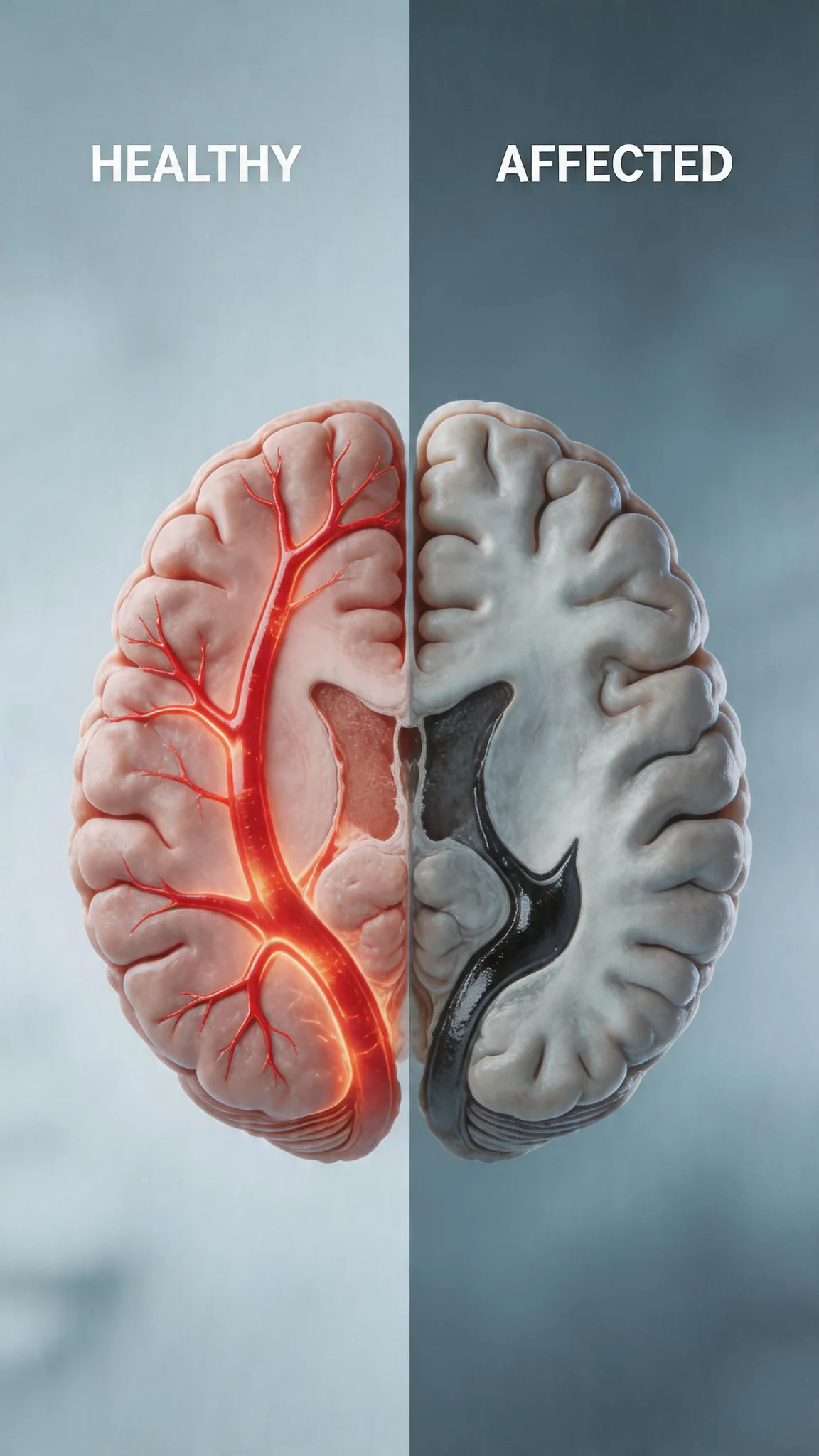
A stroke happens when blood flow to part of the brain stops or bleeding occurs in the brain. That brain area then loses oxygen, and symptoms often start without warning.
Get Weekly Dog Care Tips Free
Join 10,000+ dog owners. Vet-approved advice every week
🔒 No spam. Unsubscribe anytime.
In our experience, owners usually notice movement changes first, not pain. A dog may walk in circles, lean hard to one side, or seem suddenly dizzy.
Common Signs You Might Notice
Look for abrupt changes that develop within minutes or a few hours. The key clue is sudden neurologic change, not a slow decline over weeks.
- Loss of balance or tipping over
- Head tilt
- Rapid eye movement, called nystagmus
- Weakness in one leg or one side
- Collapse
- Disorientation or staring
- Trouble walking in a straight line
Some dogs also vomit, pant, or seem anxious because they feel dizzy. Those signs overlap with inner ear disease, which makes a same-day vet exam essential.
Luna, a 12-year-old French Bulldog in Ohio, suddenly leaned left and could not climb one porch step. Her owner got her to an emergency clinic in 35 minutes, and the team ruled out low blood sugar and poisoning.
If your dog also seems generally sore or guarded, this guide on silent signs your dog is in pain can help you describe the full picture to your vet.
🛒 What Every Frenchie Owner Needs Right Now
Conditions That Can Look Like A Stroke
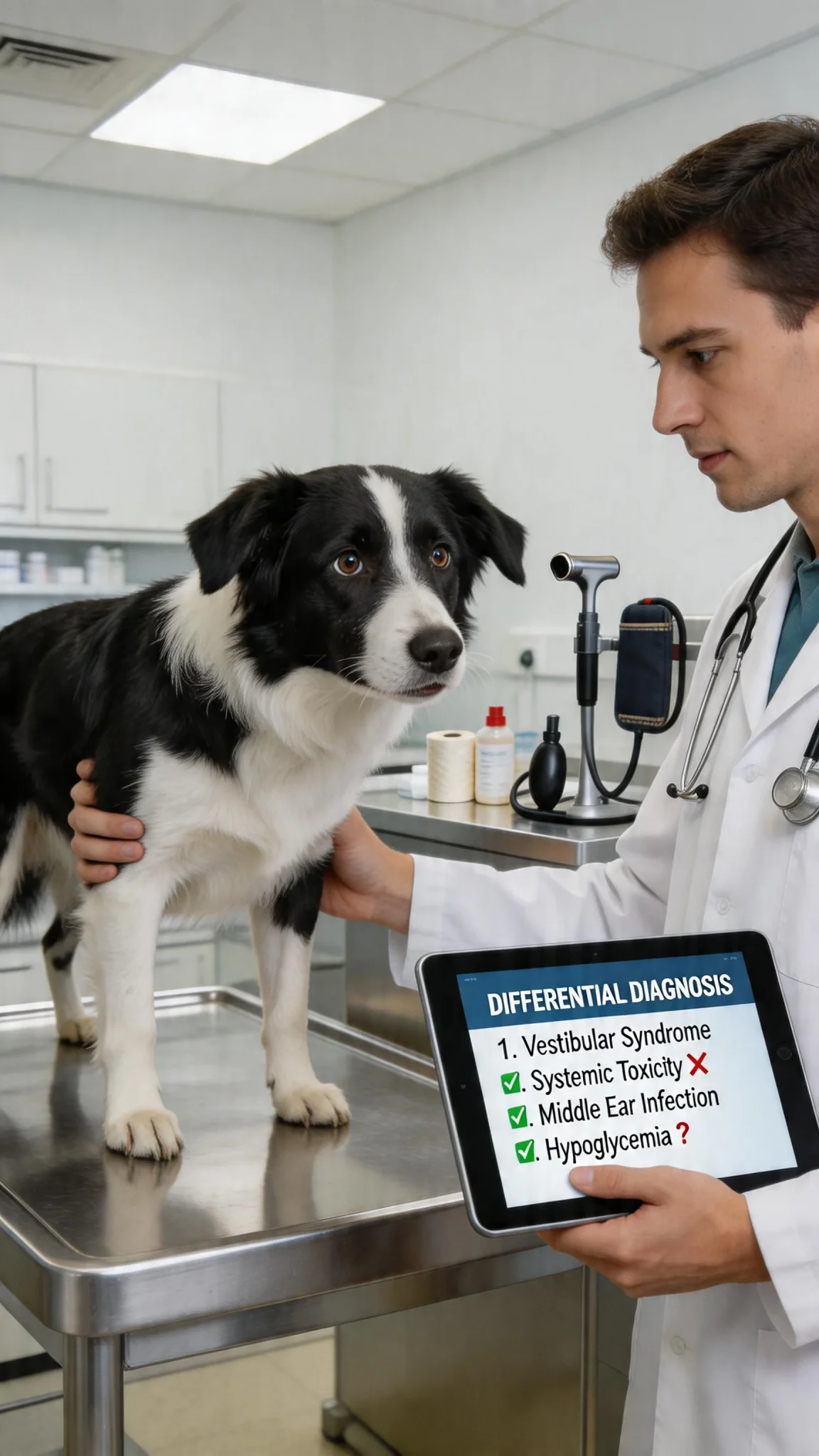
Several emergencies can mimic a stroke in dogs. That is why you should never diagnose this at home, even if the signs seem obvious.
Building on what we covered about sudden neurologic changes, the biggest look-alike is vestibular disease. It can cause head tilt, falling, eye flicking, and vomiting, especially in older dogs.
Stroke Vs Vestibular Disease
Vestibular disease affects balance and often looks dramatic, but many dogs recover well with supportive care. A stroke may also improve, yet the treatment plan depends on the true cause.
Many of our readers tell us they assumed a head tilt always meant ear trouble. That can happen, but severe dizziness can also come from a brain event, toxin, infection, or tumor.
Other Problems Your Vet Must Rule Out
- Seizures or post-seizure disorientation
- Low blood sugar
- Poisoning
- Brain tumor
- Inner ear infection
- Head trauma
- Severe dehydration or heat illness
Cooper, age 9, arrived at a Texas clinic after stumbling and staring into corners. Testing showed marijuana toxicity, not a stroke, and he improved with monitoring over one night.
If your dog got into something dangerous, review how much chocolate is dangerous by weight before you call the clinic, because the amount and time matter.
Some owners confuse sudden weakness with an orthopedic injury. If your dog favors one front limb but stays alert and balanced, compare the signs with front leg limping causes.
What To Do Immediately If You Think Your Dog Had A Stroke
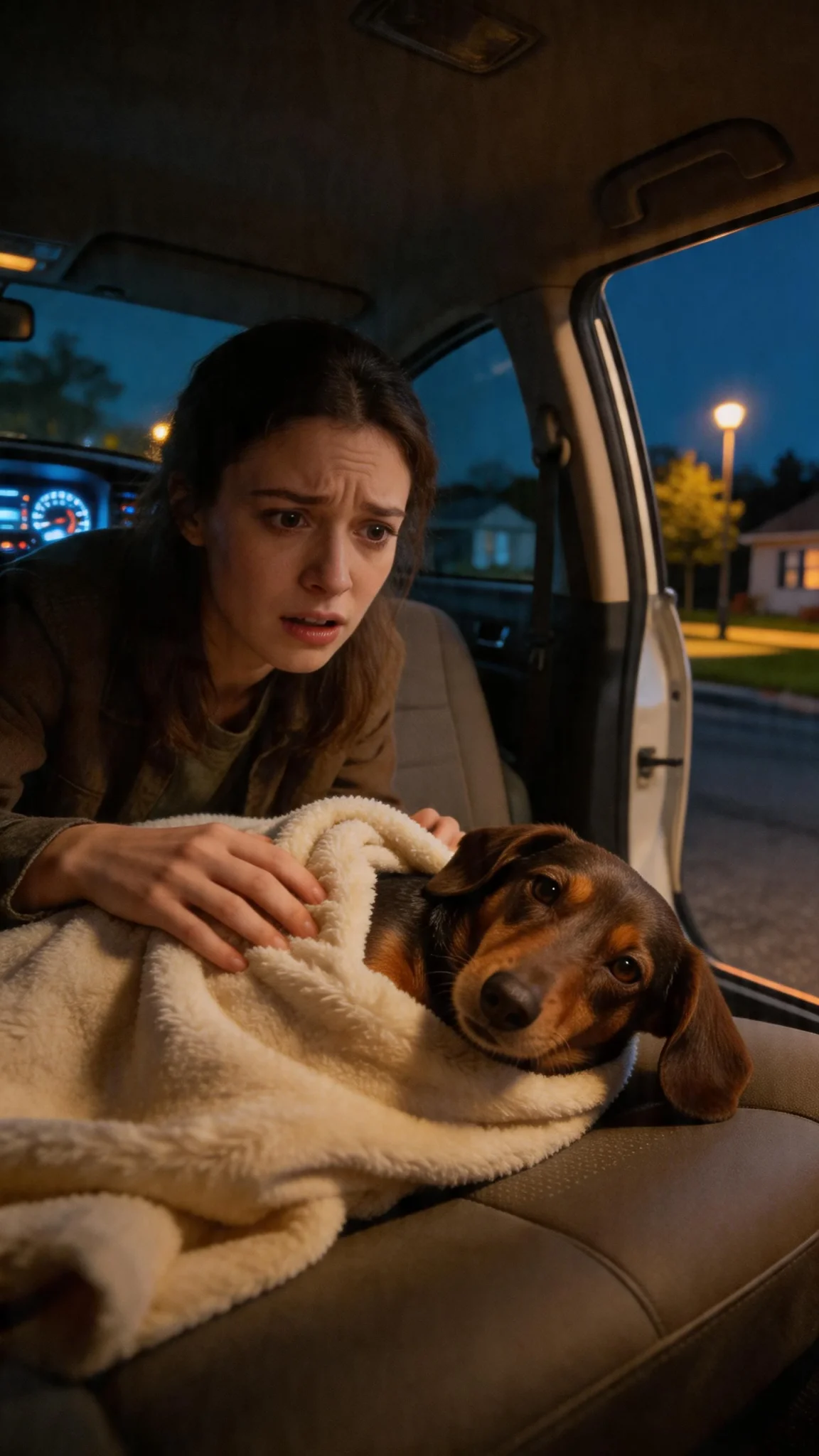
Your first job is to keep your dog safe and get veterinary help fast. Do not wait to see if the signs pass on their own.
What we have found works best is a calm, simple response. Call the nearest emergency clinic, say the symptoms started suddenly, and ask if they are ready for immediate intake.
Step-By-Step Actions
- Move your dog away from stairs, pools, and furniture edges. Keep the room quiet and dim.
- Do not offer food, treats, or medications unless your vet tells you to. Swallowing may be unsafe.
- If your dog cannot walk, use a towel sling under the chest or hips. Support the head and neck.
- Place small dogs in a secure crate with towels for padding. Use a flat board or blanket stretcher for larger dogs.
- Record the exact time symptoms started or when you first noticed them. This helps your veterinarian judge the timeline.
- Take a 15 to 30 second video if you can do it safely. Video often helps vets see eye movement, circling, or collapse.
- Drive to the clinic with one person monitoring your dog. Keep the car cool and avoid loud music.
Do not try to “test” your dog by making them walk. Extra movement can lead to falls, panic, and injury.
🛒 Vets Use For Their Own Frenchies
Bruno, a 28-pound Boston Terrier, started falling at 8:10 p.m. His owner used a dog lift harness to guide him safely into the car and reached the ER in 22 minutes.
For transport, a padded portable dog crate can help small dogs stay protected. A waterproof dog blanket also helps if your dog drools, vomits, or loses bladder control.
What Your Veterinarian Will Likely Do
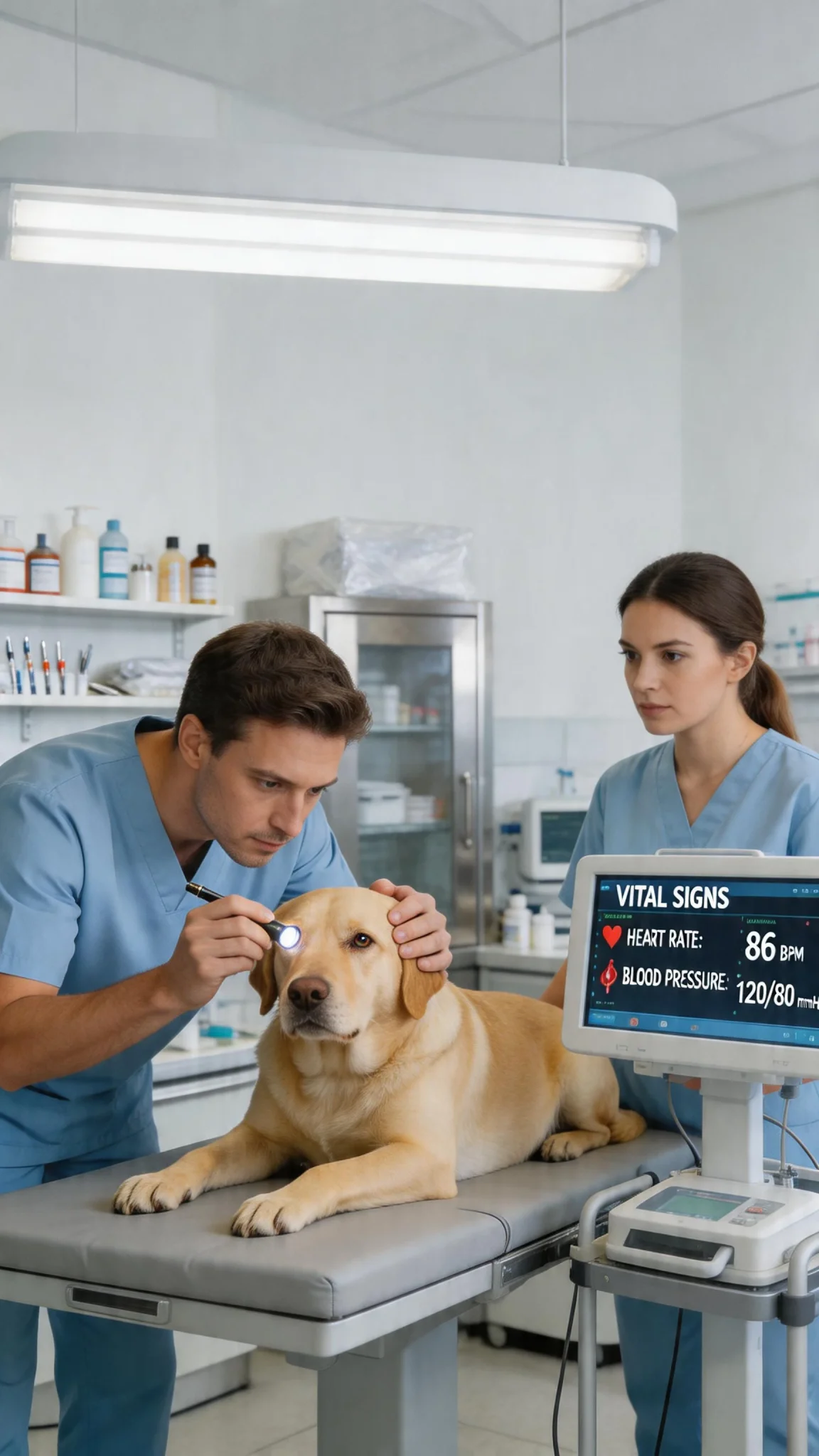
At the clinic, your veterinarian will first stabilize your dog and check blood sugar, temperature, heart rate, and blood pressure. They will also look for eye movement changes, weakness patterns, and signs of toxin exposure.
We have seen this consistently: owners feel better once they know the first goal is not a fancy scan. The first goal is keeping your dog breathing, hydrated, and safe while the team narrows the cause.
Common Tests And Treatments
- Neurologic exam
- Bloodwork and blood pressure check
- Urinalysis
- X-rays in some cases
- MRI or CT if available and appropriate
- IV fluids if needed
- Anti-nausea medication and nursing care
Many general clinics cannot confirm a stroke without advanced imaging. MRI remains the best tool for many brain problems, but your vet may start treatment before imaging if your dog needs support now.
Maya, a 10-year-old mixed breed in Florida, had sudden nystagmus and vomiting. Her primary vet stabilized her, then referred her for MRI the next morning, which helped separate vestibular disease from a brain lesion.
Helpful home gear can make recovery easier after discharge. Owners often use a orthopedic dog bed and non-slip dog socks to reduce slipping on hardwood floors.
Recovery, Prognosis, And Home Care
Some dogs improve within days, while others need weeks of support. Recovery depends on the cause, the brain area affected, your dog’s age, and any other illness like kidney disease or high blood pressure.
In our experience, the first 72 hours tell you a lot about progress. Dogs that start eating, tracking your face, and standing with help during that window often continue improving.
How To Help At Home
- Follow every medication instruction exactly
- Use rugs on slick floors
- Block stairs with gates
- Help your dog outside with a sling
- Offer water often in small amounts
- Keep meals simple and easy to reach
- Track changes in a notebook
Watch for pressure sores if your dog lies on one side for long periods. Turn them gently every few hours if your vet recommends it.
Charlie, an 11-year-old Pug, needed seven days of assisted walking after a sudden neurologic event. By week three, he could cross his kitchen on his own and no longer needed a sling indoors.
Senior dogs can show confusion from more than one cause, so compare behavior changes with early signs of canine dementia. If your dog develops skin rubbing or patchy fur loss from lying down more, this guide on hair loss in patches may help you catch skin issues early.
A no-spill dog water bowl can make drinking easier for unsteady dogs. Some owners also add a dog recovery harness for bathroom trips.
Expert Insights On Dog Strokes
Veterinary neurologists often stress that a “stroke” is less common than owners think, while vestibular disease appears more often in emergency practice. Both still need prompt evaluation because the symptoms overlap heavily.
Dr. Karen Muñana, a veterinary neurologist at North Carolina State University, has explained in teaching materials that vestibular signs can mimic central brain disease. That is one reason neurologic exams and imaging matter so much.
Dr. Jerry Klein, Chief Veterinary Officer for the American Kennel Club, notes that canine strokes do happen and may relate to conditions like Cushing’s disease, kidney disease, hypertension, or clotting disorders. His guidance supports urgent veterinary assessment when signs begin suddenly.
One useful data point comes from referral neurology practice rather than broad national tracking. Published veterinary literature describes stroke in dogs as uncommon, which means good diagnosis matters more than guessing based on internet videos.
As the recovery section showed, underlying disease can shape outcome. If your dog has chronic health needs, keeping vaccines and routine checkups current also helps your vet spot broader patterns, and this overview of DHPP vs DHLPP vaccine timing can support those conversations.
Frequently Asked Questions About Signs Of A Dog Having A Stroke — What To Do Immediately
Can A Dog Recover From A Stroke?
Yes, many dogs improve, especially with fast veterinary care and strong home support. Recovery depends on the cause, severity, and other health problems.
How Fast Should I Get My Dog To A Vet?
Go immediately, even if your dog seems slightly better after a few minutes. Sudden balance loss, head tilt, collapse, or abnormal eye movement counts as urgent.
Should I Give My Dog Food Or Water Right Away?
Do not give food until a vet advises you, because swallowing may be unsafe. You can offer tiny sips of water only if your dog is alert and can swallow normally.
Can Stress Cause A Stroke In Dogs?
Stress alone does not usually cause a stroke in dogs. Underlying diseases like high blood pressure or clotting problems play a much bigger role.
Is Old Dog Vestibular Disease The Same As A Stroke?
No, they are different problems, but they can look very similar at home. Your veterinarian may need an exam and sometimes imaging to tell them apart.
What If I Cannot Lift My Dog Safely?
Use a blanket as a stretcher or a towel sling under the chest and hips. Call the clinic from the parking lot if you need staff help getting your dog inside.
Conclusion
Sudden stumbling, head tilt, eye flicking, collapse, or confusion can signal a dog stroke or another neurologic emergency. The safest response is to call a vet right away and transport your dog carefully.
Today, save the number and address of your nearest emergency animal hospital in your phone. That one step can save precious time if your dog ever shows these signs.
If life changes force hard care decisions after a serious illness, this guide on preparing your dog for rehoming offers compassionate, practical planning.