How Often Should You Bathe An American Bully?

You just brought home your American Bully, or maybe you’ve had one for years and you’re still second-guessing your grooming routine. Either way, the question comes up constantly: how often should you bathe an American Bully? Get it wrong in one direction and you’re dealing with a smelly, itchy dog. Get it wrong in the other and you’re stripping the natural oils that keep that short coat healthy.
American Bullies have a short, tight coat that looks low-maintenance — and in many ways it is — but their skin is a different story. This breed is genetically predisposed to skin sensitivities, allergies, and moisture-trapping skin folds that create real problems if bathing frequency and technique aren’t dialed in. The right schedule depends on several factors, none of which are guesswork.
This article covers the recommended bathing frequency, what changes that frequency, the products that work best, and the mistakes that silently damage your Bully’s coat and skin over time. If you’re also curious about things not to do with an American Bully, bathing errors are high on that list.
How Often Should You Bathe an American Bully?
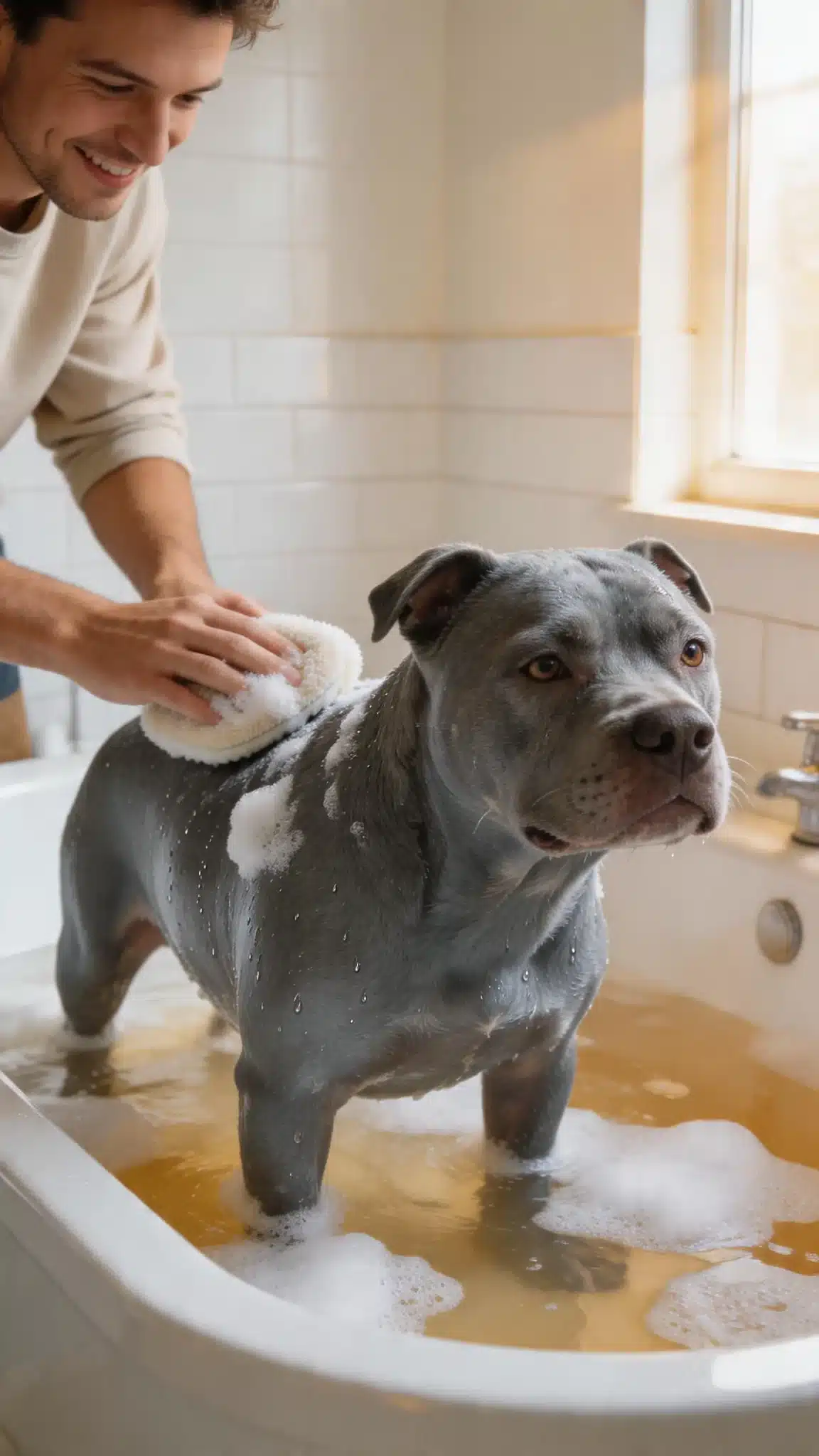
Most American Bullies should be bathed once every four to six weeks under normal conditions. This frequency keeps the coat clean without stripping the natural sebum that protects the skin. Dogs with skin allergies, active outdoor lifestyles, or visible skin fold issues may need baths every two to three weeks — but no more frequently without a veterinarian’s guidance.
- Standard recommendation: every 4–6 weeks for a healthy, indoor American Bully
- Active or outdoors dogs: every 2–3 weeks may be appropriate
- Dogs with skin allergies: follow a vet-prescribed schedule, often every 2 weeks with medicated shampoo
- Skin fold cleaning: every 1–2 weeks regardless of full bath schedule
- Over-bathing risk: stripping natural oils causes dry skin, flaking, and increased itch
- Under-bathing risk: odor, bacterial buildup, and worsening of existing skin conditions
Why the American Bully’s Coat and Skin Change the Equation
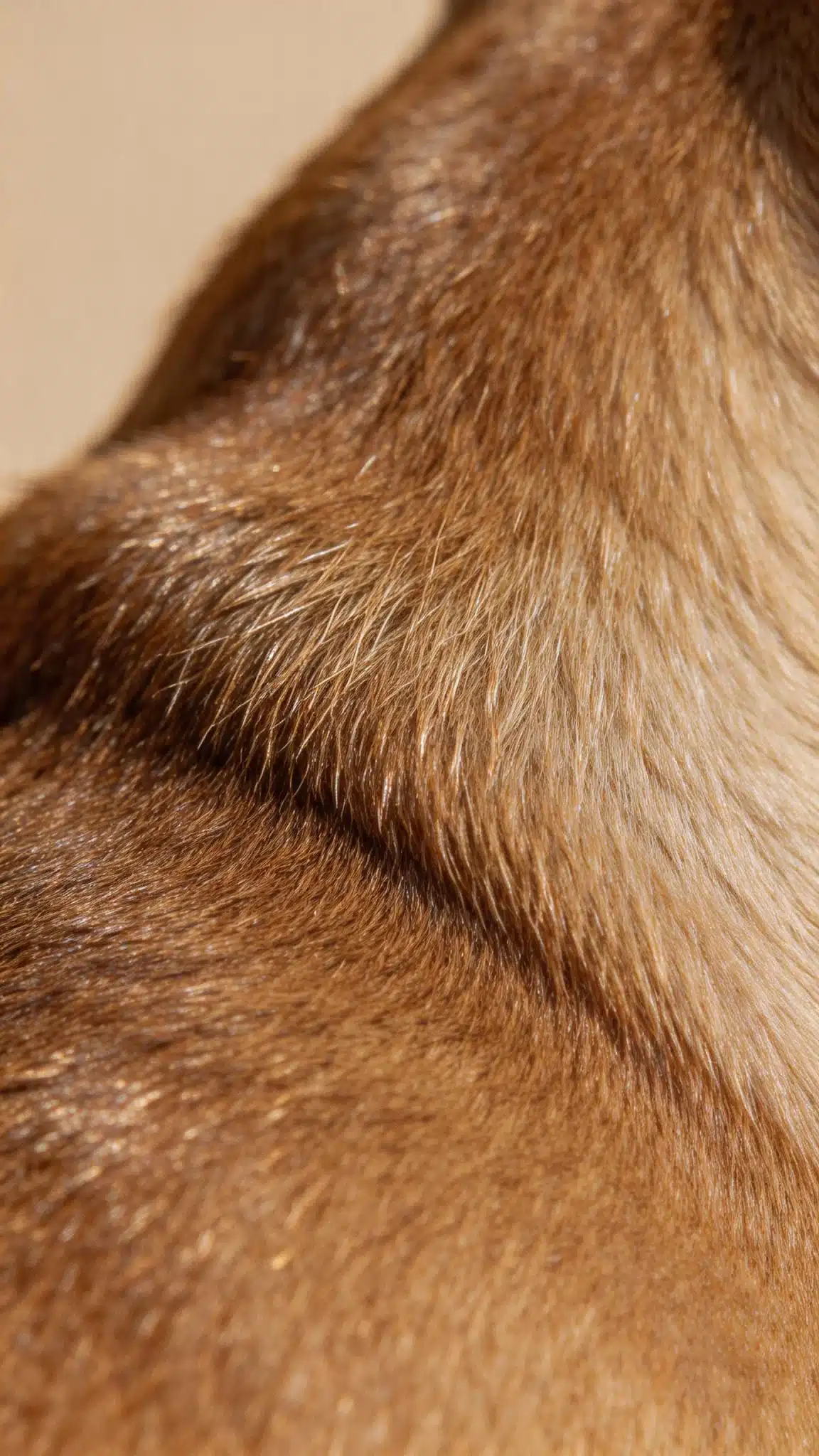
The American Bully’s short, single-layer coat sheds moderately and doesn’t trap dirt the way double-coated breeds do. That’s the good news. The challenge is the skin underneath — particularly for dogs with pronounced chest, neck, and facial folds.
Get Weekly Dog Care Tips Free
Join 10,000+ dog owners. Vet-approved advice every week
🔒 No spam. Unsubscribe anytime.
Skin folds create warm, moist pockets where bacteria and yeast thrive. The American Kennel Club notes that brachycephalic and muscular breeds with skin folds require more attention to skin hygiene than their smooth-faced counterparts. Yeast infections in skin folds are one of the most common dermatological complaints in bully-type breeds, and bathing frequency plays a direct role in preventing them. If you’re already dealing with recurring yeast issues, the guide on whether you can use human yeast creams on dogs is worth reading before you reach for the medicine cabinet.
Beyond folds, American Bullies are among the breeds most commonly diagnosed with environmental and food allergies, which often manifest as skin irritation. According to veterinary dermatologist Dr. Ursula Oberkirchner, writing in the Veterinary Dermatology journal (2016), short-coated muscular breeds show elevated rates of atopic dermatitis compared to long-coated breeds, partly because allergens contact skin more directly without a dense coat acting as a barrier.
BEFORE YOU SCROLL PAST
Readers Also Loved:
👉 How To Spot Early Signs Of Canine Dementia In Senior Dogs
Factors That Should Adjust Your Bathing Schedule
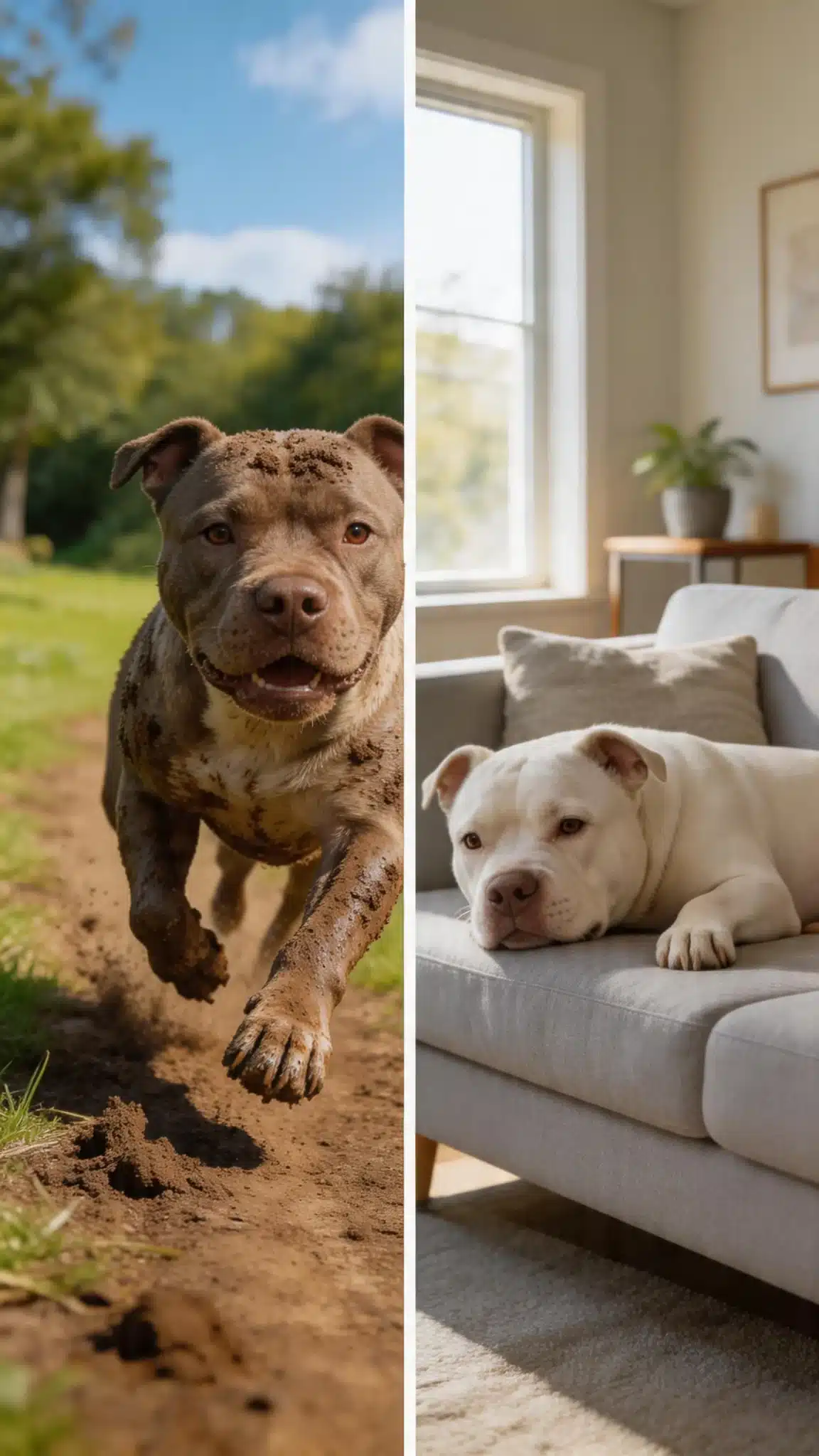
A single universal number doesn’t cover every dog. Several real-world variables push that 4–6 week baseline in either direction.
Activity Level and Environment
A Bully that spends most of the day indoors on a clean surface stays cleaner longer. A dog that runs trails, swims, or rolls in grass needs more frequent washing — not because the coat looks dirty, but because allergens, bacteria, and environmental debris settle into the coat and contact the skin. For dogs that swim regularly, a rinse with clean water after each swim reduces chlorine or bacteria exposure without the full disruption of a shampoo bath.
Skin and Allergy Status
Dogs diagnosed with atopic dermatitis often benefit from more frequent bathing with a veterinary-prescribed shampoo. A 2014 study published in Veterinary Dermatology found that twice-weekly bathing with a lipid-replenishing shampoo significantly reduced clinical signs of atopic dermatitis in dogs over a six-week period. This is a medically supervised protocol — not a reason to start bathing your healthy dog twice a week on your own. If your Bully is scratching, losing fur, or developing hot spots, a vet visit comes before any change in bathing frequency. Conditions like environmental allergies sometimes require targeted treatment; the comparison of Apoquel vs Cytopoint for ear itching in bully breeds may be relevant if your dog’s itch is allergy-driven.
Age
Puppies under 8 weeks should not be bathed at all unless medically necessary — they cannot regulate body temperature reliably. Between 8 and 12 weeks, a single gentle bath to introduce the process is fine. After 12 weeks, you can begin a regular schedule. If you’re still in the early stages with your dog, the resource on the best places to adopt American Bully puppies also covers early care expectations.
Coat and Odor
A healthy American Bully shouldn’t have a strong odor between baths. If yours does — even right after a bath — that’s a signal worth investigating. Persistent odor often points to a yeast or bacterial skin infection, ear infection, or dental issue rather than a grooming gap. Bathing more often won’t fix an underlying infection; it may actually make it worse by disrupting the skin’s pH balance.
How to Bathe an American Bully Properly
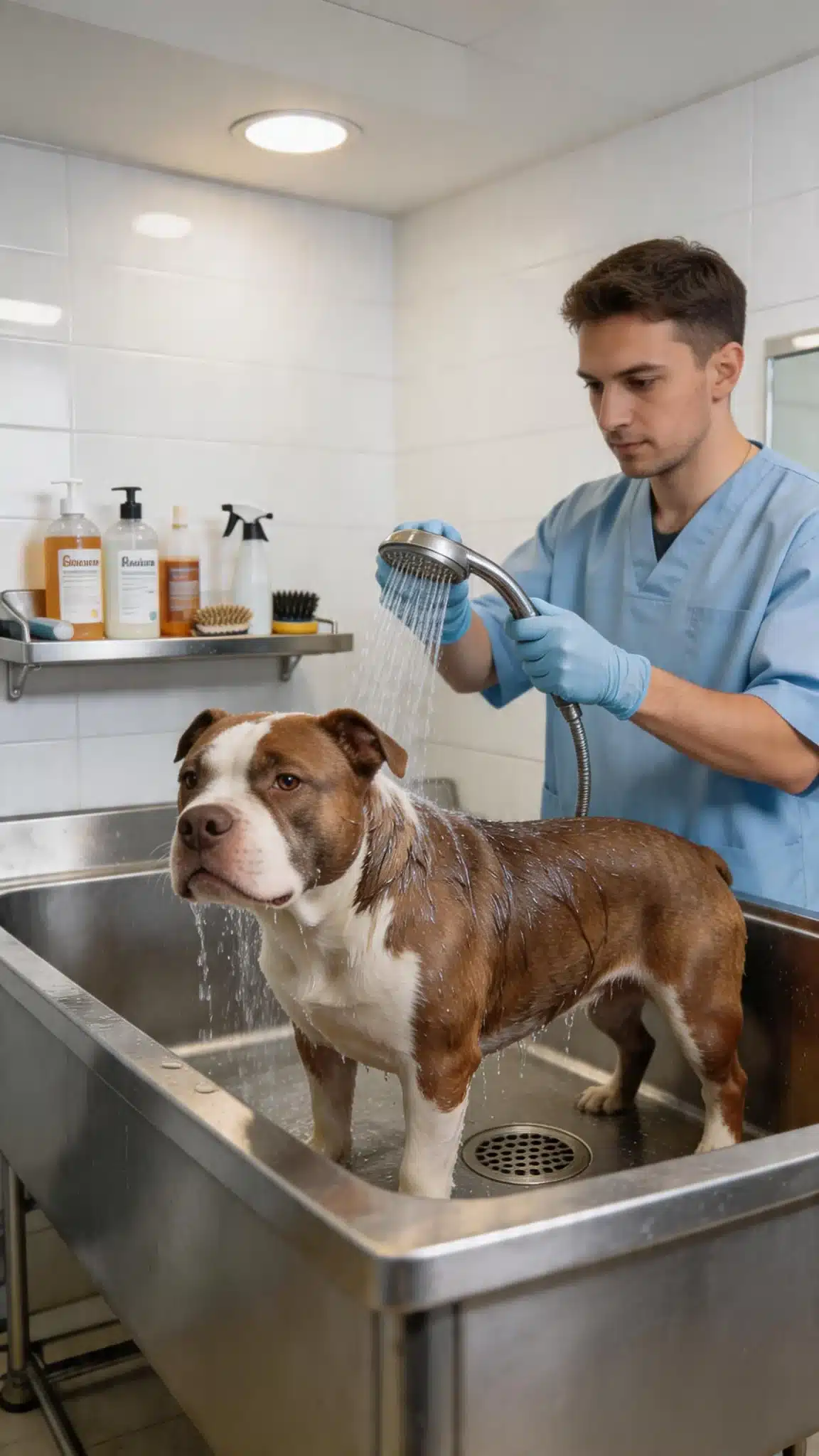
Frequency matters, but technique matters just as much. A bath done poorly — wrong water temperature, wrong shampoo, incomplete rinsing — causes more harm than skipping a week.
- Brush first. Run a rubber curry brush or soft-bristle brush through the coat to remove loose hair and surface debris. This takes 2–3 minutes and improves shampoo penetration.
- Wet thoroughly with lukewarm water. Water that’s too hot opens the pores and can irritate sensitive skin. Lukewarm (around 98–100°F) is the target. Success here means the coat is saturated all the way to the skin, not just the top layer.
- Apply a dog-appropriate shampoo. Work in from the neck down, lathering gently. Avoid the eyes and ear canals. For most healthy Bullies, an oatmeal-based dog shampoo for sensitive skin is a safe, effective choice that supports the skin barrier without harsh detergents.
- Clean skin folds separately. Use a damp cloth or dog-specific skin fold wipes to gently wipe inside each fold. These areas need to be cleaned and then fully dried — moisture left in folds is the primary cause of fold dermatitis.
- Rinse completely. Shampoo residue is one of the most common causes of post-bath itching. Rinse until the water runs completely clear and you can’t feel any slipperiness on the coat.
- Dry thoroughly. Pat dry with a towel, then use a low-heat dryer if your dog tolerates it. Pay extra attention to skin folds, armpits, and groin — any area where moisture gets trapped. A low-heat dog grooming dryer works well for this.
- Finish with a coat conditioner if needed. Dogs with dry or flaky skin benefit from a leave-in or rinse-out conditioner formulated for dogs. Apply after the final rinse before drying.
Common Bathing Mistakes That Harm American Bullies
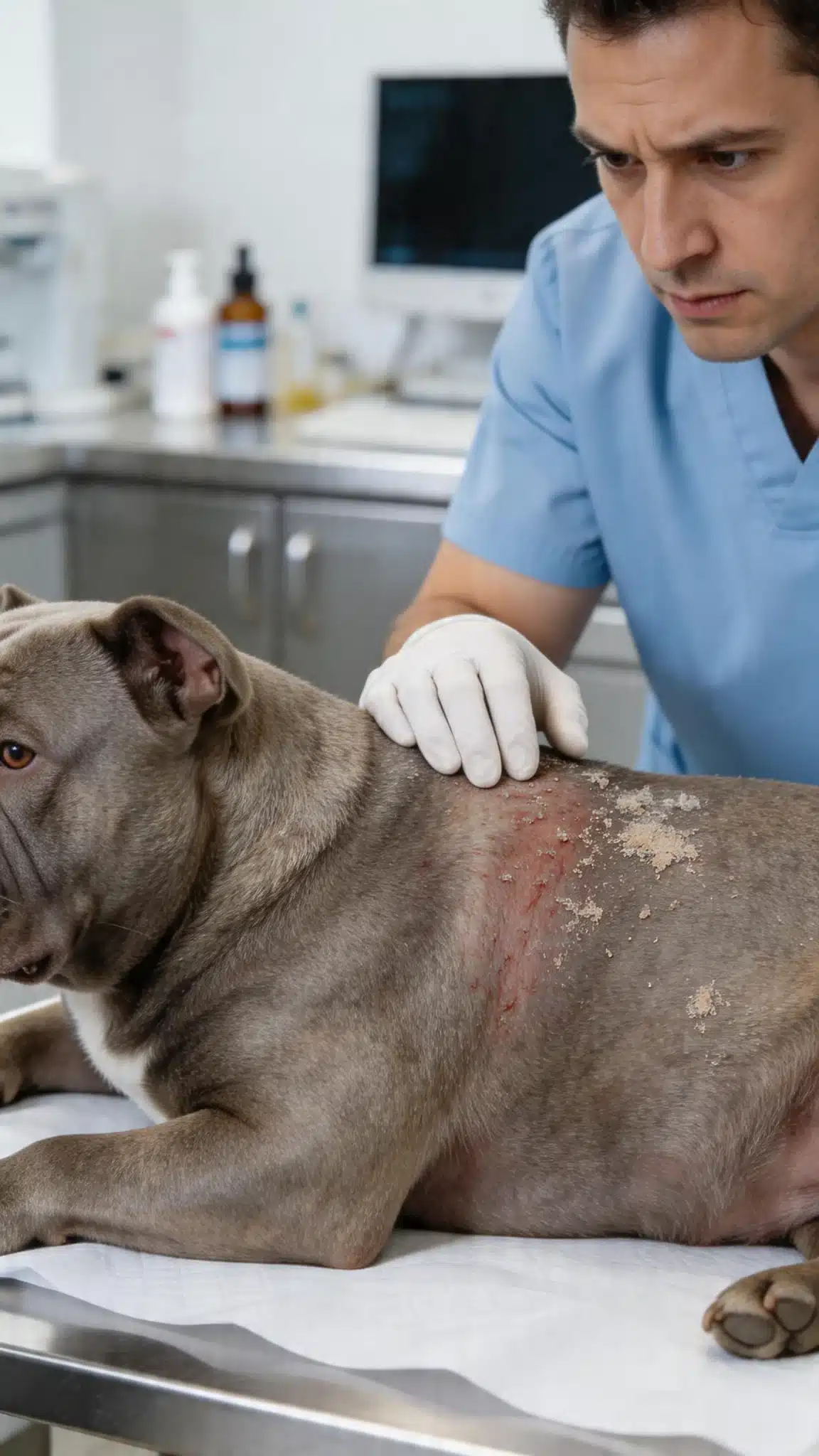
Most grooming problems don’t come from bad intentions — they come from small, repeatable errors that accumulate over time.
Mistake 1: Using human shampoo. Human skin has a pH of around 5.5. Dog skin sits between 6.2 and 7.4. Human shampoos — including “gentle” baby shampoos — disrupt a dog’s skin barrier over time, increasing susceptibility to infections. Always use a shampoo formulated specifically for dogs.
BEFORE YOU SCROLL PAST
Readers Also Loved:
👉 How To Care For Your Female Frenchie During Her First Heat
Mistake 2: Bathing too frequently without cause. Weekly baths strip the natural oils that maintain coat shine and skin moisture. Unless prescribed by a vet, more than once every two weeks is generally counterproductive for a healthy Bully.
Mistake 3: Skipping the fold cleaning between baths. Skin folds need attention on their own schedule — roughly every one to two weeks — even when a full bath isn’t due. Leaving folds uncleaned between full baths is how fold dermatitis develops.
Mistake 4: Incomplete drying. Leaving moisture in the coat or skin folds creates exactly the conditions that bacteria and yeast need. Every bath should end with a thorough dry, not just a quick towel rub.
Mistake 5: Ignoring what the coat and skin are telling you. Persistent flaking, redness, odor after bathing, or hair loss are not normal. These are signals of an underlying problem — one that a change in shampoo or bathing frequency alone won’t fix. A vet visit is the appropriate next step.
What Products Work Best for American Bullies
The product aisle is overwhelming, but for American Bullies the priorities are simple: gentle on skin, effective at cleaning, and free of harsh sulfates or artificial fragrances that trigger reactions in sensitive dogs.
MOST POPULAR THIS WEEK
Readers Also Loved: 👇
👉 How To Stop Dogs From Scratching Ears Raw
Veterinary dermatologists generally recommend shampoos containing colloidal oatmeal, ceramides, or phytosphingosine for dogs prone to skin sensitivity. Phytosphingosine specifically helps restore the skin’s natural microbial balance — a meaningful benefit for a breed that deals with bacterial and yeast overgrowth. For dogs with confirmed allergies, your vet may prescribe a medicated shampoo containing chlorhexidine, miconazole, or ketoconazole. These are not over-the-counter decisions.
For between-bath maintenance, dog-safe deodorizing grooming sprays can freshen the coat without water. They’re useful after outdoor activity or between scheduled baths, but they are not a substitute for an actual bath.
Frequently Asked Questions About How Often Should You Bathe an American Bully?
Can I bathe my American Bully once a week?
Bathing an American Bully once a week is generally too frequent for a healthy dog without a specific medical reason. Weekly bathing strips natural skin oils, which can lead to dryness, flaking, and increased skin sensitivity. Unless a veterinarian has prescribed a weekly medicated bath for a diagnosed skin condition, stick to every four to six weeks.
What happens if I don’t bathe my American Bully often enough?
Not bathing your American Bully often enough allows dirt, allergens, and bacteria to accumulate on the skin and in the coat. This can cause odor, itching, and in dogs with skin folds, an elevated risk of bacterial or yeast infections. Most Bullies need a bath at least once every six weeks as a baseline minimum.
Is dry shampoo safe for American Bullies?
Dry shampoo designed for dogs is generally safe for occasional use between regular baths. However, dry shampoo should not replace water baths — it doesn’t remove the allergens, bacteria, or oils that accumulate in the coat and skin folds. Use it as a short-term freshening tool, not a grooming replacement.
How do I clean my American Bully’s skin folds between baths?
Cleaning your American Bully’s skin folds between baths requires a soft damp cloth or dog-specific fold cleaning wipes. Gently wipe inside each fold to remove moisture, debris, and bacteria. Follow immediately by patting the area dry — leaving folds damp after cleaning defeats the purpose and promotes infection. Do this every one to two weeks.
Why does my American Bully still smell after a bath?
If your American Bully smells shortly after a bath, the cause is rarely the bath itself. Persistent odor usually points to a skin infection (bacterial or yeast), ear infection, anal gland issues, or dental disease. Bathing more frequently will not resolve these problems and may worsen skin conditions. A veterinary exam is the right first step.
At what age can I start bathing an American Bully puppy?
You can start bathing an American Bully puppy once they are at least 8 weeks old, and only if necessary before 12 weeks. Young puppies cannot regulate body temperature well, so keep baths brief, use lukewarm water, and dry them completely and quickly. The first few baths are as much about getting the puppy comfortable with the process as they are about cleanliness.
Does bathing frequency change if my Bully has allergies?
Yes — bathing frequency often does change for American Bullies with confirmed allergies. Research published in Veterinary Dermatology supports more frequent therapeutic bathing (sometimes twice weekly) with lipid-replenishing or medicated shampoos for atopic dogs. This is a protocol set by a veterinarian, not a self-prescribed routine. If your dog shows signs of allergies, get a diagnosis before adjusting the schedule. You may also want to review the options for managing allergy-related itching in bully breeds.
The Right Bathing Routine Makes a Real Difference
The single most important takeaway: for most American Bullies, a bath every four to six weeks is the right baseline — not more, not less, unless a specific health condition changes that math. Frequency without good technique still leads to problems, so use the right products, rinse completely, and always dry thoroughly, especially in skin folds.
Start today by noting when your Bully last had a bath and scheduling the next one on your calendar. If you notice anything unusual — persistent odor, redness, flaking, or itching — that’s a cue for a vet visit rather than another scrub. Consistent, thoughtful grooming is one of the simplest ways to keep your American Bully comfortable and healthy for the long run. For a broader look at keeping your dog in top shape, the guide on <a href=”https://onlyfrenchbulldog.com/dog-basics/things-not-to-do-with-an-american-b