How Long Do Lab Mix Dogs Usually Live? Full Guide

You just adopted a Lab mix, or maybe you’re thinking about it, and the first thing you want to know is how much time you’ll have together. It’s a fair question — and the answer depends on more than just breed. How long do Lab mix dogs usually live? Most owners are pleasantly surprised by the answer.
Lab mixes tend to live longer than many people expect. The combination of genetics, size, and lifestyle all play a role in shaping their lifespan.
This guide breaks down the real numbers, what influences longevity, and what you can do starting today to help your dog live a longer, healthier life. If you’ve ever wondered how lifespan compares across different breeds, understanding Lab mix longevity gives you a solid benchmark — just as knowing how long French Bulldogs live helps Frenchie owners plan ahead.
How Long Do Lab Mix Dogs Usually Live?

Lab mix dogs usually live between 10 and 14 years, with many reaching the higher end of that range when well cared for. The exact lifespan depends heavily on which breed was mixed with the Labrador Retriever, the dog’s size, and individual health factors.
- Average lifespan: 10–14 years for most Lab mixes
- Pure Labrador Retrievers average 10–12 years, per the American Kennel Club
- Smaller Lab mixes (under 40 lbs) often live 12–15 years
- Larger Lab mixes (over 80 lbs) may average closer to 9–11 years
- Mixed-breed dogs may benefit from hybrid vigor, reducing inherited disease risk
- Spayed or neutered Lab mixes statistically live longer than intact dogs
Does Being a Mixed Breed Actually Help Longevity?

Mixed-breed dogs often outlive their purebred counterparts, and science supports this. A 2013 study published in The Veterinary Journal found that mixed-breed dogs lived an average of 1.2 years longer than purebred dogs across a large population sample.
This advantage is sometimes called hybrid vigor — the idea that genetic diversity reduces the chance of inheriting two copies of a harmful recessive gene. Labradors carry known risks for hip dysplasia, obesity, and exercise-induced collapse, and mixing with a healthier breed can reduce those odds.
“Crossbreeding increases genetic diversity, which can lower the frequency of inherited disease alleles and contribute to improved overall health outcomes.” — The Veterinary Journal, 2013 study on purebred vs. mixed-breed longevity
BEFORE YOU SCROLL PAST
Readers Also Loved:
👉 How To Spot Early Signs Of Canine Dementia In Senior Dogs
That said, hybrid vigor is not guaranteed. If both parent breeds share the same health risks, a mix won’t necessarily escape them.
How the Other Breed Affects a Lab Mix’s Lifespan

The breed mixed with a Labrador plays a big role in the final lifespan. Some mixes consistently live longer; others carry health baggage that can shorten the years.
Common Lab Mixes and Their Expected Lifespans
| Lab Mix | Other Breed | Avg. Lifespan | Key Health Notes |
|---|---|---|---|
| Labradoodle | Poodle | 12–14 years | Low inherited disease risk |
| Labsky | Siberian Husky | 10–14 years | Hip dysplasia risk in both breeds |
| Boxador | Boxer | 10–13 years | Boxer’s cancer risk is a factor |
| Huskador | Husky | 10–13 years | Generally healthy, active dogs |
| Beagador | Beagle | 12–15 years | Beagles are long-lived; a strong pairing |
| Bullador | English Bulldog | 9–12 years | Bulldog breathing issues can reduce lifespan |
Mixes with smaller, longer-lived breeds — like Beagles or Poodles — tend to produce dogs that regularly reach 13 or 14 years. Mixes with breeds prone to cancer or respiratory issues carry more risk.
If you’re comparing Lab mix lifespans to other popular breeds, it’s worth noting that how long French Bulldogs live is typically shorter — averaging just 10–12 years, largely due to brachycephalic health complications.
Size and Weight: The Biggest Lifespan Predictor in Dogs

Body size is one of the strongest predictors of canine lifespan, according to research published in The American Naturalist (2013). Larger dogs age faster at a cellular level and face more strain on joints and organs over time.
Labrador Retrievers are medium-to-large dogs, typically weighing 55–80 lbs. When mixed with a smaller breed, the resulting dog often lives several years longer than a full-sized Lab.
- Under 20 lbs: Can live 14–16 years
- 20–50 lbs: Typical range is 12–15 years
- 50–90 lbs: Usually 10–13 years
- Over 90 lbs: Often 8–11 years
A Lab mix with a Golden Retriever, for example, will likely land in the 55–80 lb range — and owners should plan for a lifespan of roughly 10–12 years. Keeping your dog at a healthy weight with a large-breed formula food directly affects how many of those years feel good.
Key Health Factors That Shorten or Extend a Lab Mix’s Life
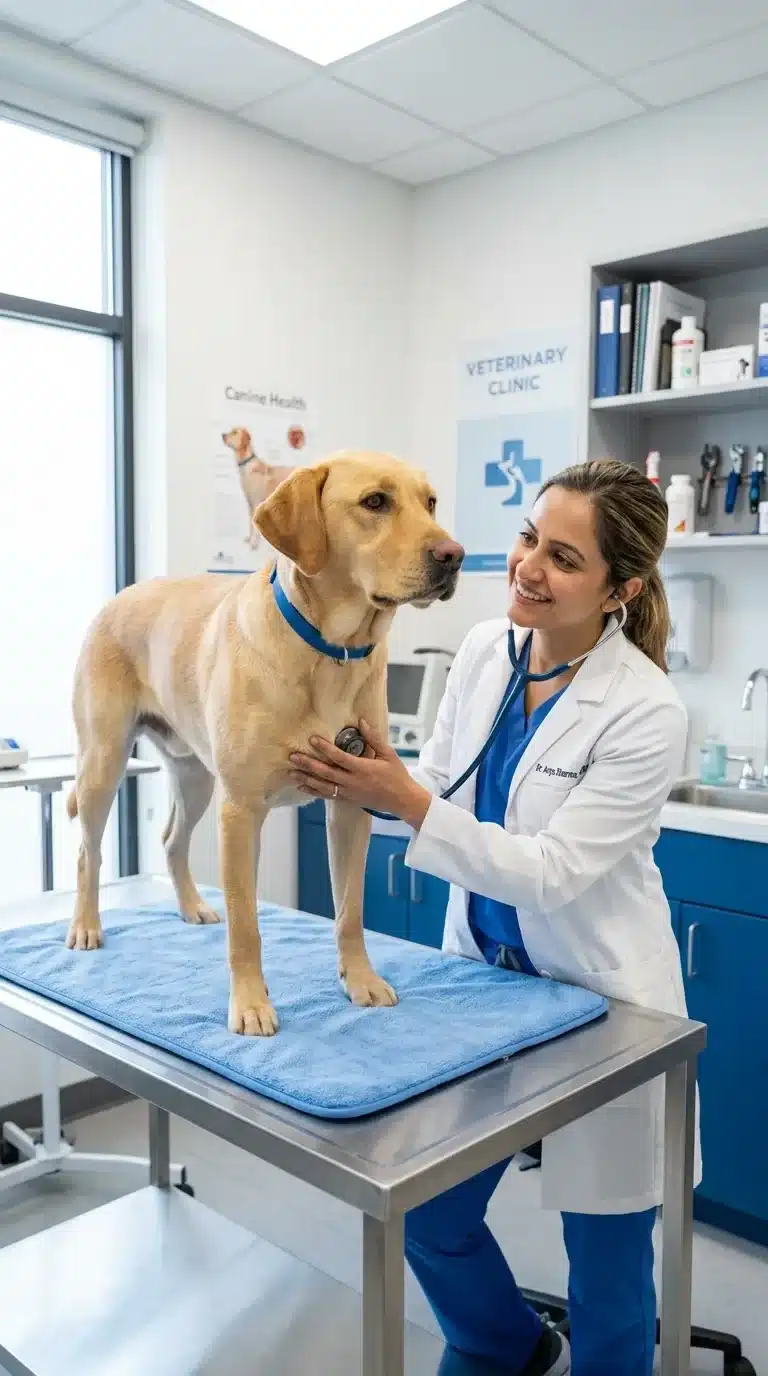
Genetics set the ceiling, but daily care determines whether your dog reaches it. Several controllable factors have a measurable impact on lifespan.
BEFORE YOU SCROLL PAST
Readers Also Loved:
👉 How To Care For Your Female Frenchie During Her First Heat
Preventive Veterinary Care
The American Veterinary Medical Association (AVMA) recommends annual wellness exams for adult dogs and twice-yearly checkups for seniors over age 7. Catching conditions like hypothyroidism, joint disease, or early tumors early dramatically changes outcomes.
Labrador Retrievers have a genetic predisposition to obesity, and Lab mixes may inherit this tendency. Obesity in dogs is linked to shorter lifespans, increased cancer risk, and early-onset arthritis, according to the VCA Animal Hospitals.
Spay and Neuter Status
A 2013 study in PLOS ONE by researchers at the University of Georgia found that sterilized dogs lived an average of 1.5 years longer than intact dogs. The reduction in reproductive cancers accounts for most of that difference.
Spaying or neutering your Lab mix is one of the highest-impact health decisions you can make.
Exercise and Mental Stimulation
Labs are working dogs, and their mixes typically inherit high energy levels. Regular exercise — at least 45–60 minutes daily for adult Lab mixes — supports healthy weight, cardiovascular health, and cognitive function. A durable interactive puzzle toy for large breeds can help meet mental stimulation needs on rest days.
MOST POPULAR THIS WEEK
Readers Also Loved: 👇
👉 How To Stop Dogs From Scratching Ears Raw
Dogs who experience neglect or trauma in early life may develop chronic stress responses that affect long-term health. Understanding how past trauma influences a dog’s reactions is especially relevant for rescue Lab mixes.
Dental Health
Periodontal disease affects over 80% of dogs by age 3, according to the American Animal Hospital Association (AAHA). Chronic dental disease allows bacteria to enter the bloodstream, contributing to heart, kidney, and liver damage over time. Brushing your Lab mix’s teeth three to four times per week or using VOHC-approved dental chews for large breeds makes a real difference.
Warning Signs That Your Lab Mix May Be Aging Faster
Some Lab mixes age gradually and gracefully. Others show early signs of decline that, if caught quickly, can be slowed with the right interventions.
- Unexplained weight gain or loss: Can indicate thyroid disease, diabetes, or cancer — all common in older Labs
- Limping or stiffness after rest: Early sign of hip dysplasia or osteoarthritis, both prevalent in Labrador lineage
- Increased thirst and urination: Classic warning signs of kidney disease or Cushing’s disease
- Lumps or bumps on the skin: Labs and many Lab mixes have elevated rates of lipomas and mast cell tumors
- Behavioral changes or confusion: May signal canine cognitive dysfunction — the dog equivalent of dementia
The Cornell University College of Veterinary Medicine advises that dogs showing two or more of these signs simultaneously should be evaluated by a veterinarian promptly, not at the next scheduled annual visit.
For context on how different breeds age, how long a French Bulldog will live is often affected by respiratory and spinal issues — a different aging pattern than what Lab mix owners typically encounter.
Common Mistakes That Shorten a Lab Mix’s Life
- Overfeeding: Labs are notoriously food-motivated, and free-feeding causes rapid weight gain. Use a measured cup and follow feeding guidelines by weight, not by begging. Obesity reduces canine lifespan by up to 2.5 years, according to a Purina-funded 14-year life study.
- Skipping dental care: Owners often overlook teeth until a dog needs an extraction under anesthesia. Start brushing early — and use AAHA-approved dental products.
- Waiting too long for vet visits: Annual exams feel routine until they catch a tumor or thyroid problem early. Senior Lab mixes (7+) need biannual visits, not just yearly ones.
- Ignoring joint symptoms: Many owners assume limping is “just aging.” Starting joint supplements like glucosamine and chondroitin — with your vet’s guidance — at age 5 or 6 is far more effective than waiting for severe arthritis.
- Under-exercising high-energy mixes: A bored, sedentary Lab mix gains weight, loses muscle mass, and develops behavioral problems. All three shorten healthy lifespan.
For more breed-specific lifespan comparisons, how long French Bulldogs tend to live offers a useful point of contrast against the typically longer-lived Lab mix.
Frequently Asked Questions About How Long Do Lab Mix Dogs Usually Live?
Do Lab mixes live longer than purebred Labradors?
Lab mixes often live slightly longer than purebred Labradors, especially when mixed with a longer-lived breed. Purebred Labs average 10–12 years; many Lab mixes reach 12–14 years with good care.
What is the oldest age a Lab mix can live to?
Some Lab mixes have been documented living to 16 or 17 years, though this is uncommon. Reaching 14–15 years is achievable for smaller Lab mixes with excellent health management and regular veterinary care.
Does the size of a Lab mix affect how long it lives?
Yes, size is one of the strongest predictors of lifespan in dogs. Smaller Lab mixes — under 40 lbs — typically live 2–4 years longer than larger Lab mixes over 80 lbs.
What health problems most commonly shorten a Lab mix’s life?
Cancer, hip dysplasia leading to mobility loss, obesity-related conditions, and kidney disease are the most common causes of early death in Lab mixes. Regular screening and weight management address most of these risks.
At what age is a Lab mix considered a senior dog?
Most veterinarians, including those at VCA Animal Hospitals, classify medium-to-large dogs as seniors at age 7. At that point, twice-yearly vet visits and senior bloodwork panels become standard recommendations.
Does diet affect how long a Lab mix lives?
Diet significantly affects Lab mix lifespan. Feeding an AAFCO-approved food appropriate for your dog’s age and size, maintaining a healthy weight, and avoiding chronic overfeeding are among the most impactful longevity factors.
The Bottom Line on Lab Mix Lifespan
Most Lab mix dogs live between 10 and 14 years, with smaller mixes and those paired with long-lived breeds regularly reaching the top of that range. Genetics matter — but daily choices matter more than most owners realize.
The single most effective action you can take today: book a wellness exam if your Lab mix hasn’t had one in the past year, and ask your vet specifically about weight management and joint health screening. Those two conversations alone can add years to your dog’s life.
Your Lab mix brings energy, loyalty, and enthusiasm every single day. With the right care, you get more of those days — and so does your dog.