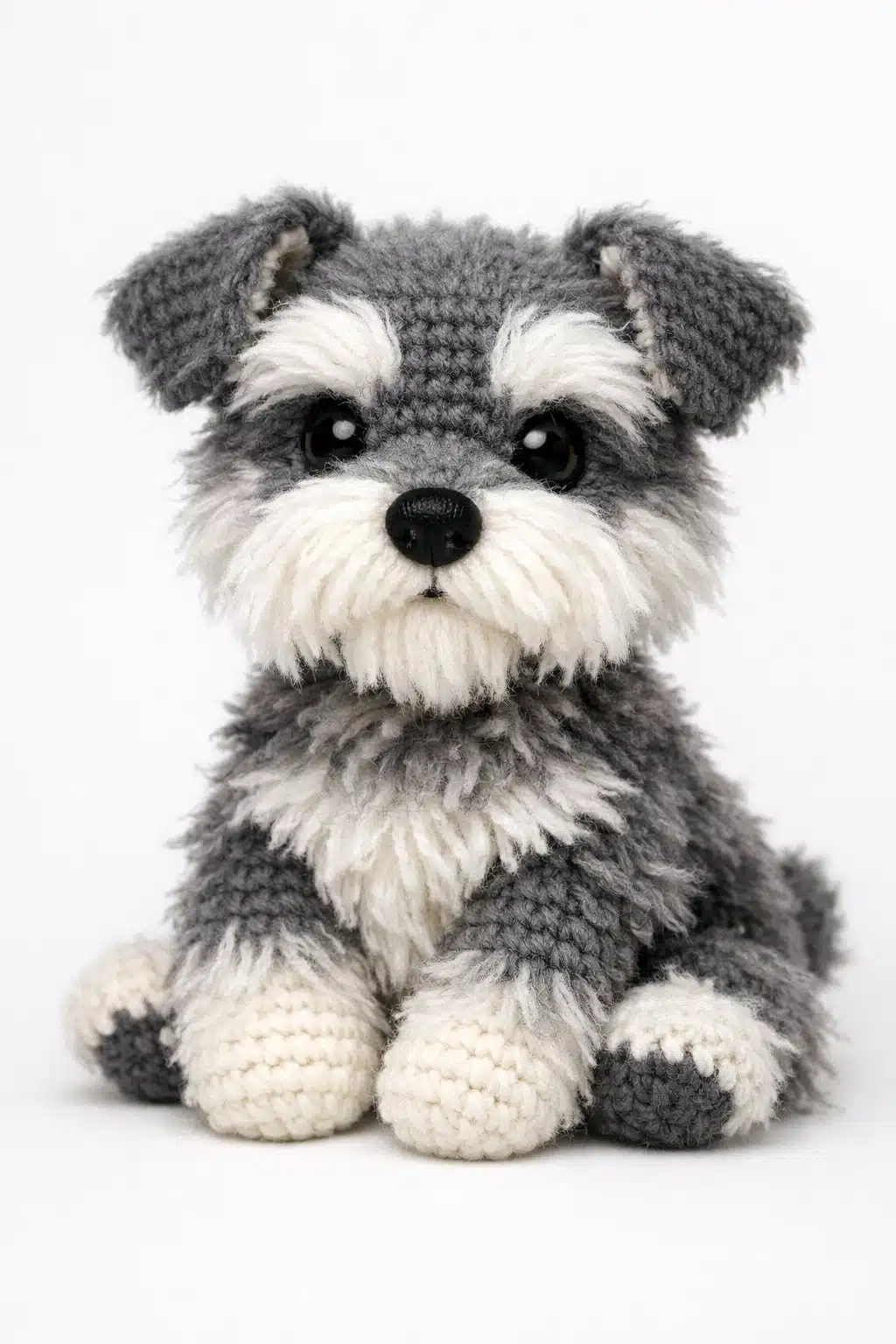
Crochet Dog Mistakes Beginners Make With Amigurumi Patterns


Crocheting your first dog amigurumi can feel incredibly exciting. You imagine a cute little puppy sitting proudly on your shelf… but somehow the final result looks a little strange. Maybe the legs are uneven, the face looks off, or the body shape feels awkward.
If this has happened to you, you’re definitely not alone. I’ve seen this happen to many beginners, and honestly, I understand how frustrating it can feel. In my experience, most crochet dog mistakes happen because beginners simply don’t know the small details that make amigurumi look clean and professional.
The good news? These mistakes are completely fixable. In this guide, you’ll learn the most common crochet dog mistakes beginners make, how to avoid them, and how to make your next crochet puppy look much more polished and adorable.
Quick Answer: Crochet Dog Mistakes Beginners Make
The most common crochet dog mistakes beginners make include using the wrong yarn tension, skipping stitch counting, stuffing the toy incorrectly, and misplacing facial features. These small details greatly affect how your amigurumi dog looks.
Here are the most common beginner mistakes to watch for:
- Using inconsistent yarn tension
- Not counting stitches in each round
- Overstuffing or understuffing the toy
- Placing the eyes or nose in the wrong position
- Choosing yarn that is too thick for the pattern
- Skipping stitch markers while crocheting in rounds
- Ignoring pattern instructions or abbreviations
Quick Tips To Fix These Issues:
- Always use stitch markers for every round
- Count stitches at the end of each round
- Stuff gradually instead of all at once
- Use recommended yarn size from the pattern
- Place facial features before sewing permanently
These small adjustments can dramatically improve the final look of your crochet dog.
Get Free Amigurumi Patterns Every Week!
Get new patterns, & tutorials free in your inbox
🔒 No spam. Unsubscribe anytime.
WAIT — READ THIS FIRST
Most Popular This Week: 👇
👉 French Bulldog Crochet Tutorial
👉 Sewing Patterns Cat Free Pdf Printables Printablee
👉 Shih Tzu Crochet Pattern Ideas
Why Crochet Dog Projects Can Be Tricky For Beginners
Amigurumi dogs may look simple, but they involve several small techniques working together.
Unlike flat crochet pieces like scarves or blankets, crochet animals are three-dimensional shapes. That means small mistakes become much more noticeable.
For example:
- Uneven stitches can distort the dog’s body.
- Incorrect stuffing can change the entire shape.
- Facial placement can make the dog look adorable… or slightly confusing.
In my experience, beginners often think they did something wrong with the whole project. But usually, it’s just one or two small details causing the issue.
Once you understand these details, everything becomes much easier.
10 Crochet Dog Mistakes Beginners Make
Let’s walk through the most common mistakes and how to fix them.
1. Not Counting Stitches
This is one of the biggest beginner mistakes.
Amigurumi patterns rely heavily on stitch counts to shape the body properly. Missing even one stitch can change the entire shape.
How To Avoid It:
- Count stitches at the end of every round.
- Use stitch markers to mark the first stitch.
- Double-check increase and decrease rounds.
This small habit can save hours of frustration later.
2. Using The Wrong Yarn
Beginners sometimes choose yarn that looks cute but doesn’t work well for amigurumi.
Very fluffy or bulky yarn can hide stitches and make shaping difficult.
According to the Craft Yarn Council, smooth yarns like cotton or acrylic are best for beginners because they make stitches easier to see.
Better Yarn Choices:
- Cotton yarn
- Lightweight acrylic yarn
- DK or worsted weight yarn
These yarns create clean, defined stitches.
3. Crocheting Too Loosely
Loose stitches create gaps in the fabric.
When you stuff the toy, the stuffing may show through the holes.
I’ve seen many beginners struggle with this.
How To Fix It:
- Use a smaller crochet hook
- Maintain even tension
- Practice consistent stitches
Amigurumi typically requires tight, compact stitches.
4. Overstuffing The Toy
It’s tempting to add lots of stuffing to make the toy feel firm.
But overstuffing can stretch stitches and distort the shape.
Signs Of Overstuffing:
- Fabric looks stretched
- Stuffing becomes visible
- Body shape looks uneven
Instead, add stuffing gradually while crocheting.
5. Understuffing The Toy
The opposite problem also happens.
If the toy isn’t stuffed enough, the body can collapse or look floppy.
Balanced stuffing is key.
Try to aim for:
- Firm but flexible shape
- Smooth surface
- Even filling throughout the body
6. Misplacing Facial Features
The eyes, nose, and mouth determine the personality of your crochet dog.
Placing them too high or too low can make the dog look unusual.
When working on details like faces, it helps to follow a guide like this crochet puppy face tutorial to see proper placement.
Helpful Tip
Before sewing permanently:
- Pin the pieces first
- Step back and look at the face
- Adjust positioning if needed
This simple step makes a big difference.
7. Skipping Stitch Markers
Many beginners skip stitch markers because they feel unnecessary.
But when crocheting in spirals, it’s very easy to lose track of where each round starts.
Use stitch markers to:
- Mark the first stitch of each round
- Track increases and decreases
- Keep the shape symmetrical
It saves a lot of guesswork.
8. Ignoring Pattern Instructions
Some beginners skim the pattern and jump straight into crocheting.
I understand the excitement — but patterns contain important shaping instructions.
For example, a beginner-friendly guide like this how to crochet a dog amigurumi pattern step-by-step explains the process clearly.
Before starting, quickly review:
- Materials
- Stitch abbreviations
- Pattern notes
This prevents confusion later.
9. Rushing Through Sewing Pieces
Amigurumi dogs often include separate pieces:
- Legs
- Tail
- Ears
- Snout
If these are attached unevenly, the toy may look crooked.
Best Approach:
- Pin pieces in place first
- Check symmetry
- Sew slowly with tight stitches
It may take extra time, but the final result looks much better.
10. Choosing Complex Patterns Too Early
Some crochet dog patterns include advanced techniques like:
- Color changes
- Fur textures
- Sculpted shaping
For example, a textured project like the amigurumi schnauzer dog with fur pattern is beautiful but slightly more advanced.
Beginners should start with simpler patterns like these free crochet puppy pattern ideas before moving to detailed designs.
This builds confidence and skill.
Beginner Checklist For Crochet Dog Projects
Before you start your next crochet dog, run through this quick checklist.
Crochet Dog Beginner Checklist
✔ Use stitch markers
✔ Count stitches every round
✔ Choose smooth yarn for better visibility
✔ Keep stitches tight and consistent
✔ Stuff gradually while crocheting
✔ Pin facial features before sewing
✔ Follow the full pattern instructions
Saving this checklist can prevent many common mistakes.
Helpful Beginner Practice Projects
If you’re still learning, smaller crochet projects can help you build skills before making complex amigurumi dogs.
Beginner-friendly projects include:
- How to crochet a dog hat step-by-step
- How to crochet a dog bandana for beginners
- How to crochet a dog collar step-by-step
These projects teach useful techniques while staying beginner-friendly.
They also help you practice tension, stitch control, and finishing skills.
Expert Tips For Better Crochet Amigurumi
Here are a few tips many experienced crocheters follow.
1. Use Invisible Decreases
Invisible decreases create smoother shaping for amigurumi animals.
2. Use Cotton Yarn For Clear Stitch Definition
Cotton yarn helps stitches stay firm and structured.
3. Practice Even Tension
Consistent tension keeps the toy looking professional.
4. Use Safety Eyes Carefully
Always secure safety eyes tightly before finishing the project.
Many professional crochet designers emphasize this technique because facial symmetry dramatically affects the toy’s appearance.
When To Restart A Crochet Dog Project
Sometimes beginners ask: Should I undo my project or keep going?
Here’s a simple rule.
Consider restarting if:
- Stitch counts are very off
- Body shape is heavily distorted
- Major pattern sections were skipped
Otherwise, small imperfections are perfectly normal.
IMO, every crochet project — even the imperfect ones — helps you improve.
Frequently Asked Questions
Why Does My Crochet Dog Look Crooked?
This usually happens when stitch counts are incorrect or pieces are sewn unevenly. Counting stitches and pinning parts before sewing can help fix this issue.
Why Are There Holes In My Amigurumi Dog?
Holes usually happen when stitches are too loose or the hook size is too large. Try using a smaller hook to tighten your stitches.
What Is The Best Yarn For Crochet Dogs?
Smooth cotton or acrylic yarn works best because it makes stitches easier to see and creates a clean finish.
How Do I Make My Crochet Dog Look More Professional?
Focus on consistent tension, correct stitch counts, proper stuffing, and symmetrical facial placement.
These four details make the biggest difference.
Do Beginners Need Stitch Markers?
Yes, stitch markers are extremely helpful for beginners. They prevent mistakes when crocheting in continuous rounds.
What Is The Easiest Crochet Dog Pattern For Beginners?
Simple amigurumi puppy patterns with minimal shaping are the easiest starting point. These patterns help beginners learn the basic techniques first.
Conclusion
If your first crochet dog didn’t turn out the way you hoped, please don’t feel discouraged.
Every crocheter — even experienced ones — has made these same beginner mistakes. I’ve seen this happen many times, and it’s simply part of learning the craft.
The important thing is that you now know what to watch for:
- Count stitches
- Use consistent tension
- Stuff carefully
- Place facial features correctly
Once you start paying attention to these small details, your crochet dogs will improve quickly.
And honestly, the joy of crocheting comes from learning with every project. Your next crochet puppy might turn out even cuter than you imagined.