How Long Can a Puppy Hold Its Bladder in a Crate?

You just brought home a new puppy, and the crate is your best tool for keeping the house accident-free. But leaving your pup inside too long is a fast track to stress, messes, and setbacks in training.
Knowing exactly how long can a puppy hold its bladder in a crate changes everything about how you plan your day. Get the timing right, and your puppy learns faster, stays calmer, and builds real confidence in their crate.
How Long Can a Puppy Hold Its Bladder in a Crate?
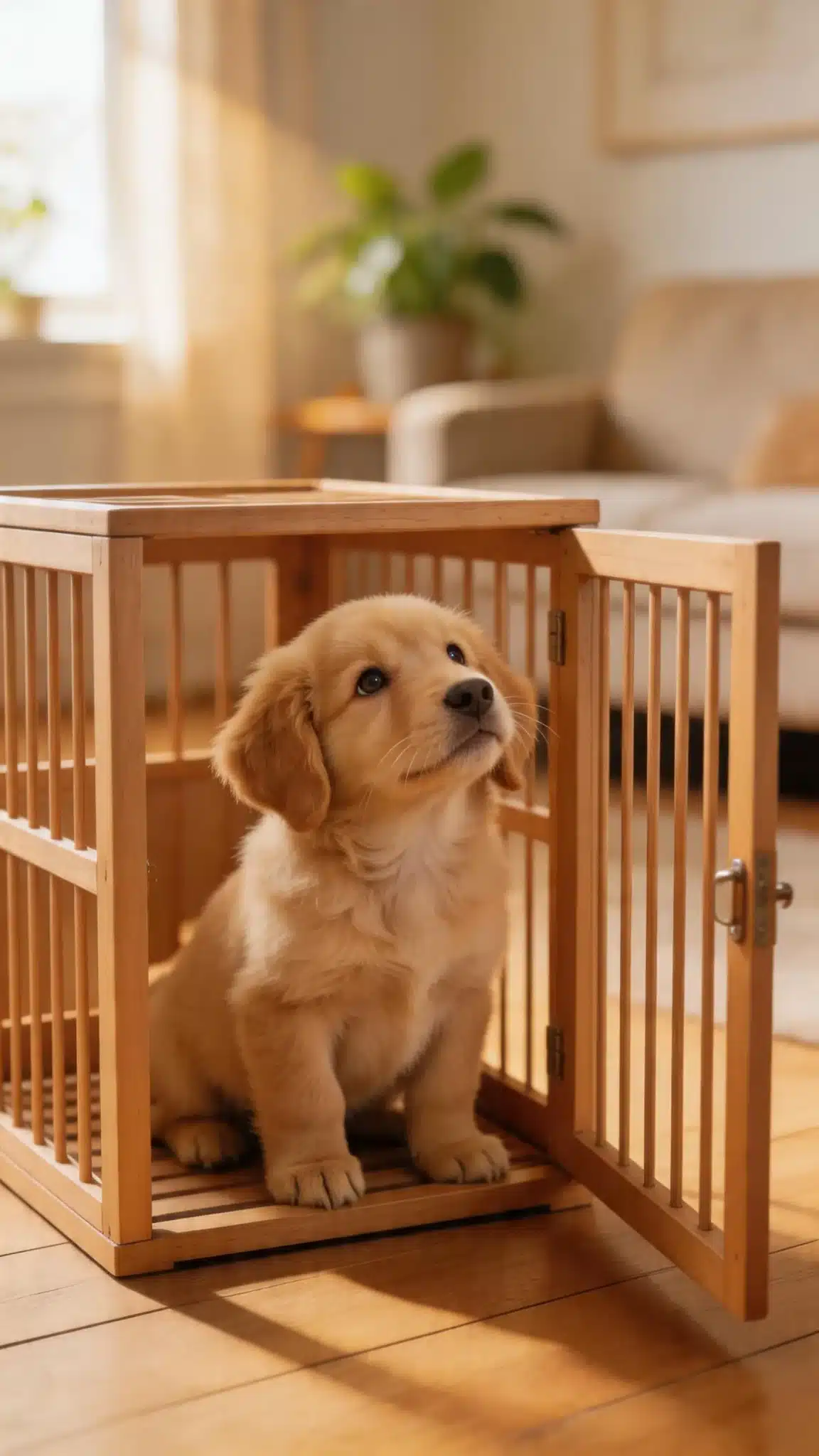
A puppy can hold its bladder for approximately one hour per month of age, plus one — so a 2-month-old puppy can last about 3 hours maximum, and a 4-month-old can manage roughly 4 to 5 hours. No puppy under 6 months should be crated longer than 4–5 hours at a stretch during the day.
- 8 weeks old: maximum 2–3 hours between bathroom breaks.
- 12 weeks old: maximum 3–4 hours during the day.
- 16 weeks old: maximum 4 hours during waking hours.
- 6 months old: up to 5 hours; overnight stretches possible with a late potty trip.
- Overnight: even young puppies often sleep 5–6 hours if taken out right before bed.
- Every puppy is an individual — small breeds have smaller bladders and need more frequent breaks.
The Age-by-Age Bladder Timeline
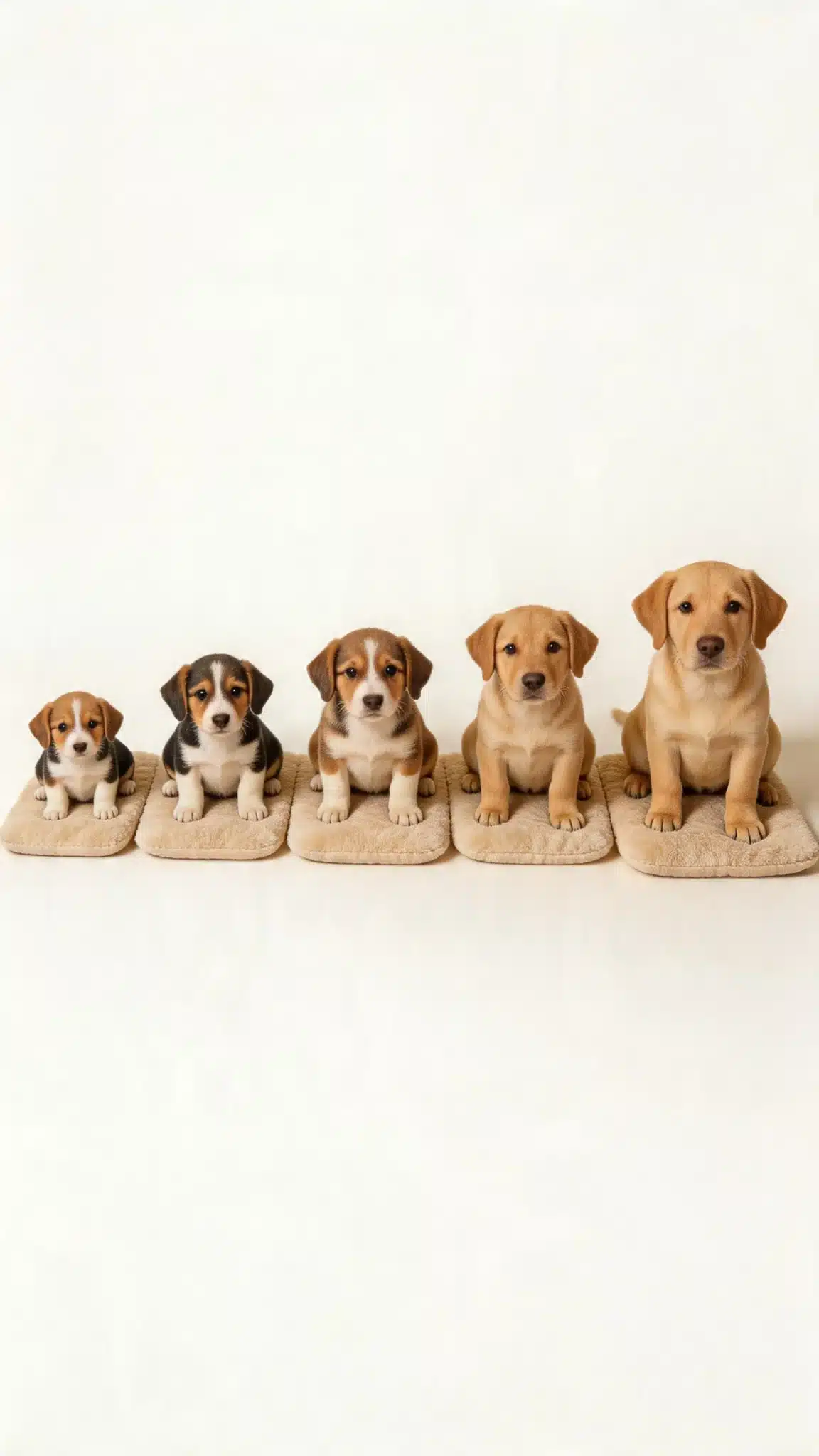
Bladder control in puppies develops gradually as their muscles and nervous system mature. The American Kennel Club notes that puppies generally gain reliable bladder control somewhere between 4 and 6 months of age.
Below is a quick-reference table so you can match your puppy’s age to a realistic crate window.
| Puppy Age | Max Daytime Crate Time | Overnight Potential |
|---|---|---|
| 8 weeks | 2–3 hours | 3–4 hours |
| 10–12 weeks | 3–4 hours | 4–5 hours |
| 14–16 weeks | 4 hours | 5–6 hours |
| 5–6 months | 4–5 hours | 6–7 hours |
| 7+ months | 5–6 hours | 7–8 hours |
These are maximums, not targets. Pushing a puppy to the absolute limit every single day slows house-training progress. Aim to take them out before they hit the ceiling.
Why Overnight Feels Different
Puppies naturally produce less urine during sleep because their metabolism slows down. That is why a 10-week-old who can only last 3 hours during the day might sleep a full 4 to 5 hours at night without an accident.
BEFORE YOU SCROLL PAST
Readers Also Loved:
👉 How To Spot Early Signs Of Canine Dementia In Senior Dogs
A absorbent puppy crate mat can protect the crate floor during those early weeks when overnight accidents are still possible. Take your puppy out for one last potty trip as late as you can manage before you go to sleep — this single habit buys you an extra hour or two of rest.
Breed Size and Bladder Capacity

Small-breed puppies have physically smaller bladders, which means they need bathroom breaks more often than a same-age large-breed puppy. A 10-week-old French Bulldog or Chihuahua will almost certainly need a break sooner than a 10-week-old Labrador Retriever.
If you have a Frenchie, pairing the right crate size for your French Bulldog puppy with an age-appropriate schedule makes house-training significantly smoother. A crate that is too large lets your puppy sleep on one side and use the other as a bathroom — removing the natural instinct to hold it.
A crate should be just big enough for your puppy to stand, turn around, and lie down comfortably — nothing more.
Large and giant breeds develop bladder control on roughly the same monthly timeline, but their larger capacity gives them slightly more buffer at each stage. Do not assume a big puppy can wait longer — the one-month-plus-one rule still applies across the board.
Individual Health Factors
Some puppies have medical reasons for struggling with bladder control beyond what age alone explains. Urinary tract infections, bladder abnormalities, and parasites can all shorten how long a puppy can hold it.
If your puppy consistently has accidents well within the expected time window, a vet visit is worth scheduling. Building on the Breed Size section, keep in mind that a sudden change in a puppy’s bathroom habits — especially paired with straining or blood — needs prompt attention. A puppy showing signs like vomiting or bloody diarrhea alongside bladder issues should see a vet the same day.
How to Build a Crate and Potty Schedule That Works
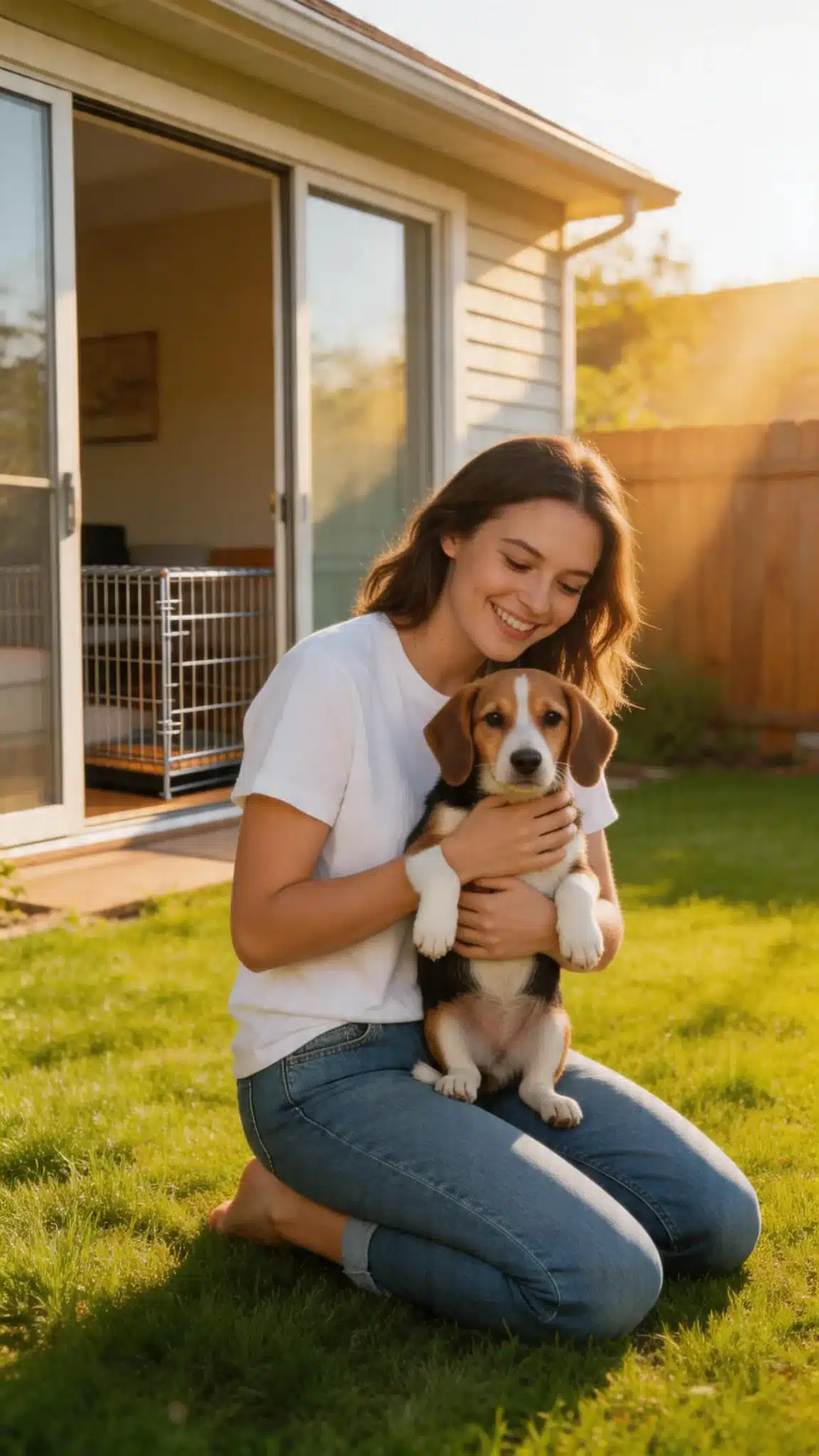
A consistent schedule is the single biggest factor in successful crate training. Puppies thrive on predictability — when they eat, sleep, and go outside on the same pattern each day, accidents drop fast.
- Time meals precisely. Feed your puppy at the same times every day. Most puppies need to go outside within 15–30 minutes of eating, so meals anchor your potty schedule.
- Set a timer, not a guess. Use your phone to set alerts at the maximum interval for your puppy’s age. Do not wait for signals — proactive trips prevent accidents.
- Go outside immediately after the crate opens. Carry your puppy directly to the potty spot if needed. Give them no opportunity to squat on the way to the door.
- Use a consistent potty cue word. Say “go potty” or your chosen phrase each time. Puppies connect the word to the action within a few weeks, which speeds up outdoor trips.
- Reward within 3 seconds of finishing. Praise or a small treat must happen the moment your puppy finishes — not when you get back inside. Delayed rewards do not reinforce the right behavior.
- Log accidents and successes for one week. A simple notes app works fine. Patterns emerge quickly: if accidents always happen at the 2.5-hour mark, shorten your interval to 2 hours.
A detailed French Bulldog puppy schedule covering sleep, potty, and meals gives you a proven framework to adapt for nearly any breed.
BEFORE YOU SCROLL PAST
Readers Also Loved:
👉 How To Care For Your Female Frenchie During Her First Heat
A puppy potty training bell hung by the door can help older puppies (around 12 weeks and up) signal when they need to go out — many dogs pick this up within one to two weeks of consistent use.
Common Crate Training Mistakes That Make Bladder Problems Worse
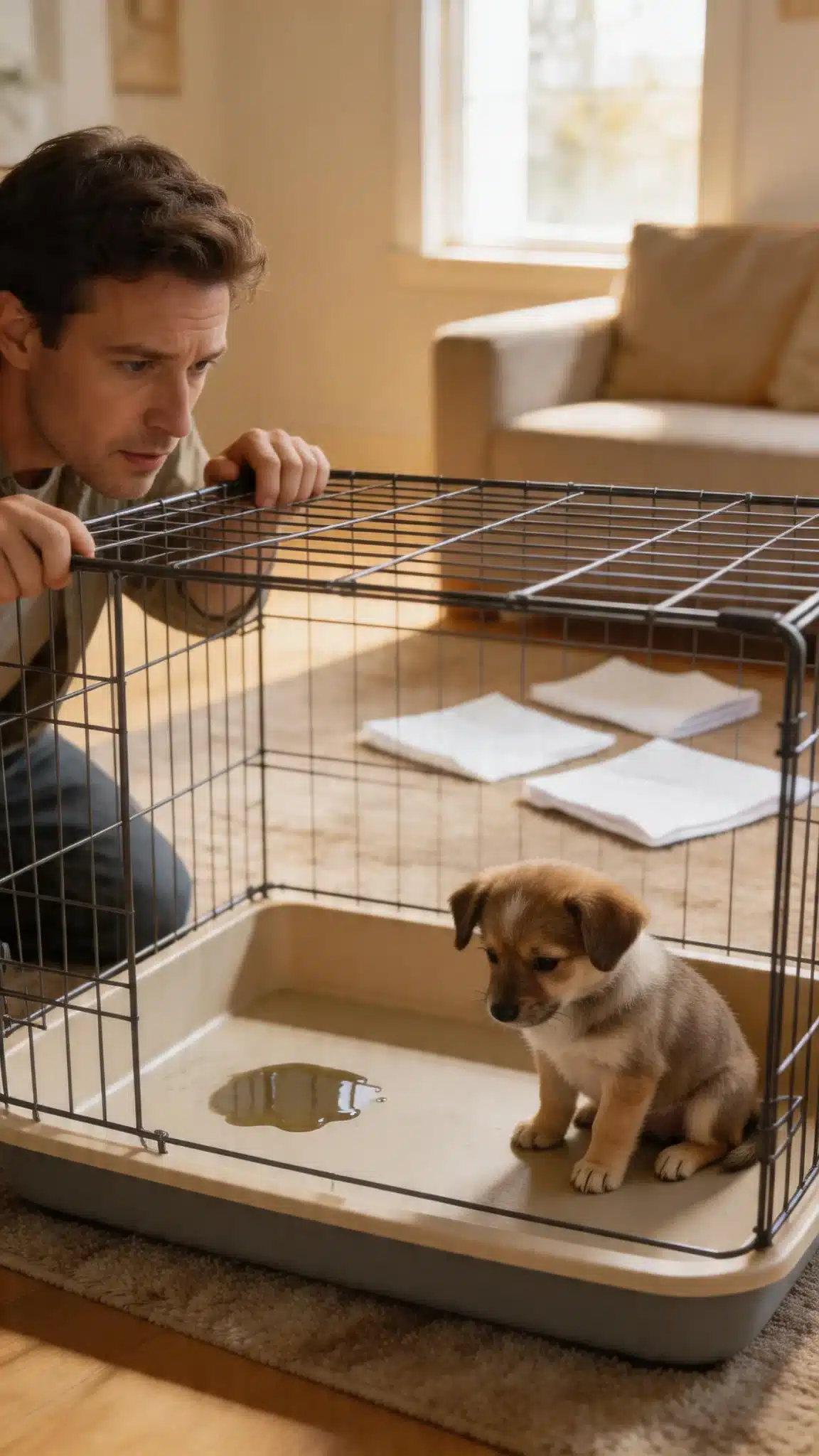
Even well-meaning owners make errors that undercut a puppy’s ability to succeed in the crate. Here are the most common ones and how to fix them.
- Leaving the puppy in too long: Exceeding the age-appropriate maximum forces the puppy to soil the crate, which breaks down their instinct to keep it clean. Fix: set phone alarms at intervals shorter than the maximum.
- Giving water right before crating: A full belly of water at 9 p.m. means a 2 a.m. accident. Fix: remove the water bowl 1–2 hours before a long crate stretch, especially overnight.
- Using a crate that is too big: Extra space lets puppies eliminate in one corner and sleep in another, eliminating the natural motivation to hold it. Fix: use a divider panel to shrink the usable space as your puppy grows.
- Skipping the post-crate potty trip: Opening the crate and letting the puppy wander while you grab your coffee is how living room accidents happen. Fix: leash on, outside first — every single time.
- Punishing in-crate accidents: Puppies cannot connect punishment to something that happened earlier. Harsh reactions teach fear of the crate, not bladder control. Fix: clean thoroughly with an enzyme-based pet odor eliminator, reset your schedule, and move on.
Building on the schedule section, consistency fixes most of these problems automatically. A puppy who knows what to expect is a puppy who can relax — and a relaxed puppy holds it longer.
If your puppy is also showing challenging behaviors like nipping during training sessions, learning how to stop French Bulldog puppy biting fast can help you maintain a calm training environment overall.
Signs Your Puppy Needs to Go — Right Now
Reading your puppy’s body language is just as important as watching the clock. Some puppies send clear signals; others go from calm to squatting in seconds.
MOST POPULAR THIS WEEK
Readers Also Loved: 👇
👉 How To Stop Dogs From Scratching Ears Raw
- Sniffing the floor in circles or moving to a corner.
- Whining, pawing, or scratching at the crate door.
- Sudden restlessness after lying calmly for a while.
- Squatting or lowering the hindquarters — this means go now.
- Stopping play abruptly and acting distracted.
The American Kennel Club’s house-training guide emphasizes watching for these behavioral cues alongside maintaining a consistent schedule — both together outperform either strategy alone.
Young puppies sometimes have zero warning time between the urge and the act. That is normal. As bladder muscles strengthen — typically by 4 to 5 months — you will notice your puppy giving you more advance notice before needing to go.
Frequently Asked Questions About How Long Can a Puppy Hold Its Bladder in a Crate?
Can an 8-week-old puppy hold its bladder all night?
An 8-week-old puppy generally cannot hold its bladder all night without a mid-night bathroom break. Most 8-week-olds can last 3 to 4 hours overnight at best. Plan for at least one trip outside between midnight and 4 a.m. during the first few weeks home.
Is it okay to leave a puppy in a crate for 8 hours?
Leaving a puppy in a crate for 8 hours is not appropriate for any dog under 6 months old and is a stretch even for adult dogs. Puppies younger than 6 months should not be crated longer than 4 to 5 hours during the day. If your schedule requires it, a dog walker or midday visit is necessary.
Why does my puppy pee in the crate even when I follow the schedule?
A puppy peeing in the crate despite a proper schedule may have a urinary tract infection, an oversized crate, or simply need shorter intervals between breaks. Check the crate size first — it should not have excess space. If resizing does not help within a week, schedule a vet visit to rule out infection.
Do small breeds take longer to be fully house-trained?
Small breeds often take longer to fully house-train partly because of their smaller bladders and partly because owners sometimes excuse small accidents more easily. The house-training timeline still follows the one-hour-per-month rule, but small breeds may need breaks more frequently within that window, especially under 4 months old.
Should I use puppy pads inside the crate?
Using puppy pads inside the crate generally slows house-training because it teaches puppies it is acceptable to eliminate in their sleeping space. Pads are better suited to a designated pen area outside the crate. Keep the crate strictly for sleeping to preserve the clean-den instinct that makes bladder training work.
How do I know if my puppy’s bladder control is developing normally?
Normal bladder development means your puppy should be going slightly longer between accidents each month. By 4 months, most puppies can last 4 hours during the day with consistent scheduling. If your puppy shows no improvement month over month, or has frequent accidents within an hour of going outside, consult your vet.
Can I crate my puppy overnight without a bathroom break at 12 weeks?
A 12-week-old puppy can sometimes make it 4 to 5 hours overnight without a bathroom break, especially after a late-night potty trip. Some puppies at this age sleep through a 5-hour stretch; others still need a mid-night break. Watch the pattern over a week and adjust based on when accidents actually occur.
Wrapping Up
The one-hour-per-month-of-age rule is your most reliable starting point for figuring out how long a puppy can hold its bladder in a crate — but it is a ceiling, not a goal. The best crate training happens when you consistently get your puppy outside before they hit that limit.
Start today by setting a phone timer at one hour less than your puppy’s maximum, and take them to the exact same potty spot every time you open the crate door. That single, repeatable habit builds the muscle memory — for both of you — that turns house-training from stressful into straightforward.