How Past Trauma or Mistreatment Influences a Dog’s Reaction

If you’ve ever adopted a rescue dog and wondered why they flinch at a raised hand, cower near strangers, or bark uncontrollably at men with hats — you’re not imagining things. That behavior is often rooted in past trauma or mistreatment, and it shows up in ways that can be confusing, heartbreaking, or even scary for new owners.
Past trauma leaves a real imprint on a dog’s nervous system. Just like humans who’ve been through difficult experiences, dogs carry those memories in their bodies and behavior. Understanding how past trauma or mistreatment influences a dog’s reaction is the first step toward helping your dog feel safe again.
In this article, we’ll walk you through the signs of trauma, what triggers them, how to respond, and how to build trust with a dog who’s been through hard times. Whether you’ve just adopted a rescue or you’re trying to understand a dog you’ve had for years, this guide will give you practical, grounded answers.
🛒 What Every Frenchie Owner Needs Right Now
How Past Trauma Affects a Dog’s Behavior: Key Facts at a Glance
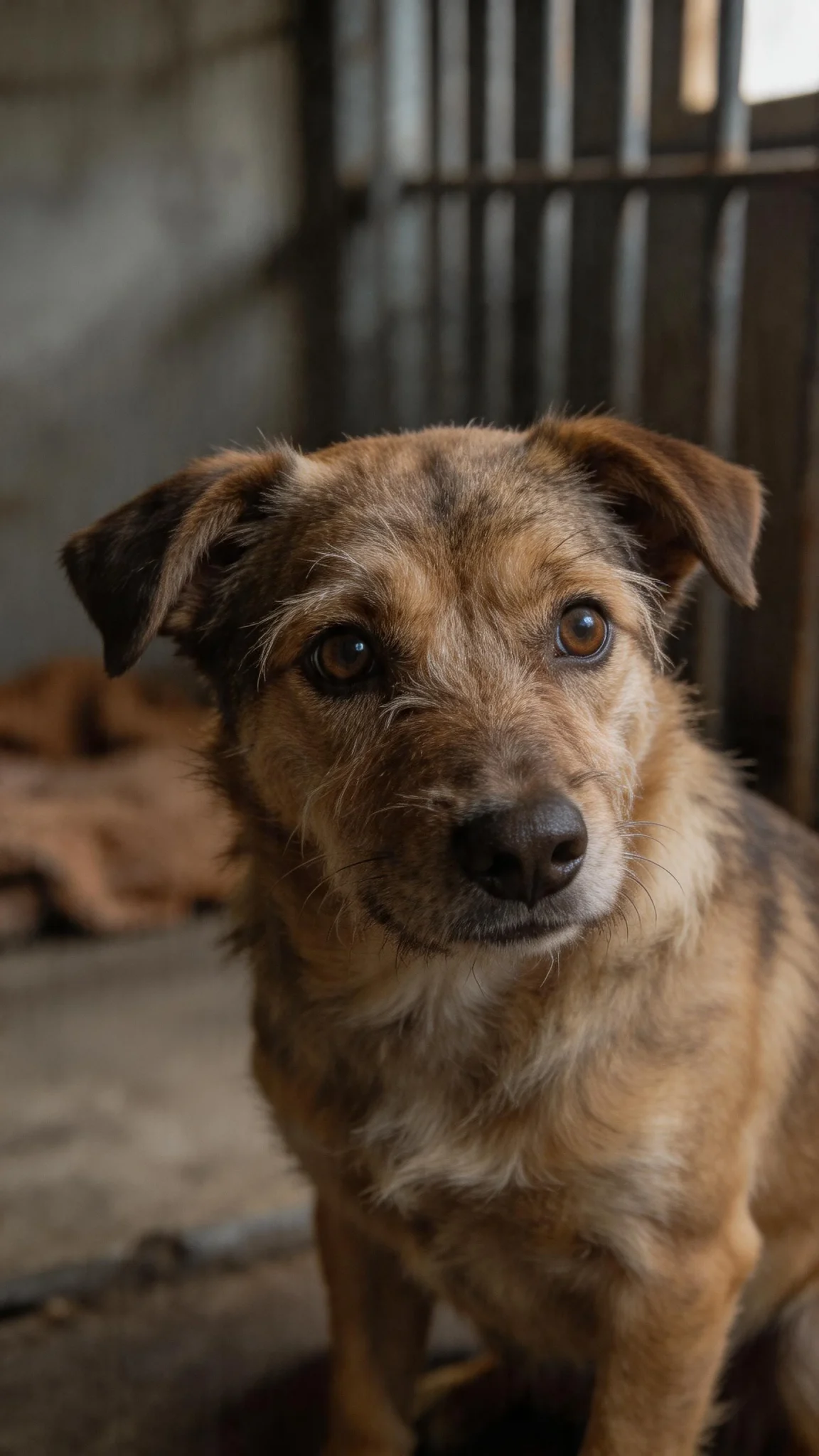
Dogs who’ve experienced mistreatment often react in ways that seem unpredictable or disproportionate. Here’s a fast summary of what you need to know:
- Trauma rewires the brain. A dog who was hit, starved, or isolated develops a nervous system on high alert — even when the danger is long gone.
- Common triggers include raised hands, brooms, loud voices, certain smells, specific clothing, or strangers approaching quickly.
- Trauma responses fall into three categories: freeze (shutting down), flight (running or hiding), and fight (growling, snapping).
- Not all trauma is from abuse. Neglect, isolation, early weaning, or being separated too soon from their mother can also cause lasting behavioral issues.
- Fear aggression is the most misunderstood response. Many people label it as a “bad dog” when it’s really a scared dog defending itself.
- Recovery is absolutely possible — but it takes consistency, patience, and the right approach. Some dogs improve significantly within weeks; others need months.
- Professional support helps. A certified applied animal behaviorist or a fear-free certified trainer can make a major difference.
The most important action you can take right now: stop trying to force reassurance. Flooding a traumatized dog with affection or forcing them into situations they fear actually makes things worse.
The Science Behind Why Dogs React to Past Trauma
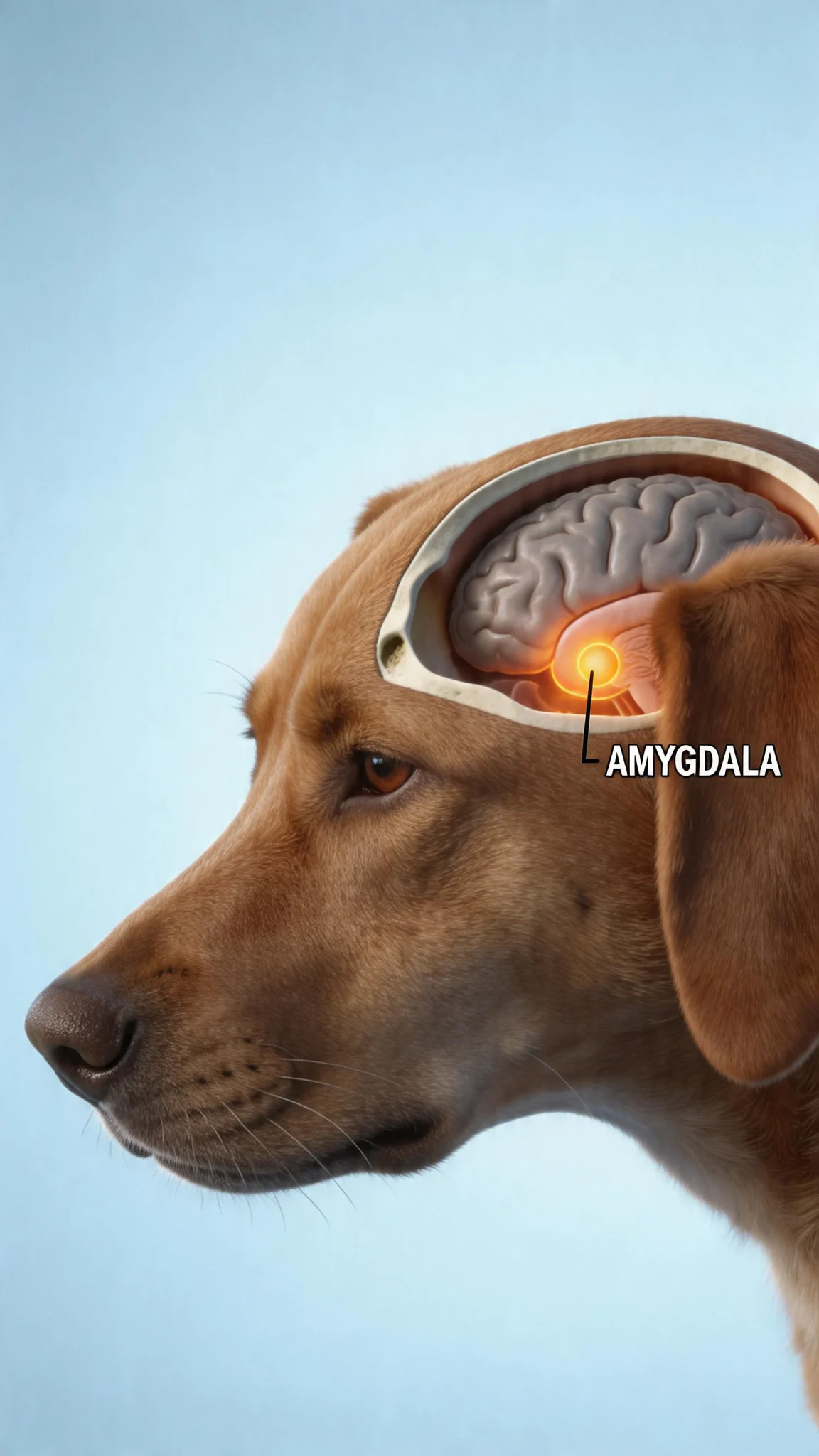
Dogs have an amygdala — the part of the brain that processes fear — just like humans do. When a dog experiences repeated stress or abuse, their amygdala becomes hypersensitive. It starts flagging neutral situations as threats.
Think of it like a smoke detector with a broken sensor. A tiny whiff of steam from cooking sets off the full alarm. That’s what’s happening in your dog’s brain when they react to something that seems harmless to you.
🛒 Vets Use For Their Own Frenchies
The Role of Cortisol and Chronic Stress
Dogs who lived in high-stress environments for long periods have elevated cortisol levels — the stress hormone. Chronically high cortisol causes physical symptoms too, like compulsive behaviors such as excessive licking, digestive issues, and a weakened immune system.
In our experience working with rescue dogs, the ones who spent more than six months in neglectful or abusive situations take significantly longer to regulate — often 3 to 6 months before they reach a baseline calm in a safe home.
Real-world example: A Labrador mix named Biscuit was surrendered after two years of being chained outdoors. In his new home, he’d panic every time his owner picked up a garden hose. The hose resembled a chain and triggered an immediate fear response. Once his owner identified the trigger and slowly desensitized him using treats and distance over four weeks, Biscuit’s reaction reduced by about 80%.
Common Signs That a Dog Has Been Traumatized or Mistreated

Many trauma responses are easy to miss — especially if you’re a first-time dog owner. Here are the specific behaviors that often signal a traumatic past:
Fear-Based Behaviors
- Cowering, tucking the tail, flattening the ears
- Refusing to make eye contact
- Hiding behind furniture or in corners
- Urinating when approached or touched
- Trembling without an obvious cause
Reactive or Aggressive Behaviors
- Growling, snapping, or lunging at specific people or objects
- Barking excessively at strangers, especially men
- Resource guarding food or bedding aggressively
- Reacting to sudden sounds with intense alarm
Shutdown or Dissociative Behaviors
- Complete emotional flatness — no interest in play or interaction
- Staring blankly, unresponsive to their name
- Refusing to eat for extended periods
Many of our readers tell us they noticed their dog was “fine at first” and then started showing these behaviors once the dog felt safe enough to let down their guard. That’s actually a normal part of the process — it’s called the “3-3-3 rule” (3 days to decompress, 3 weeks to settle, 3 months to feel at home).
What Triggers a Traumatized Dog and Why
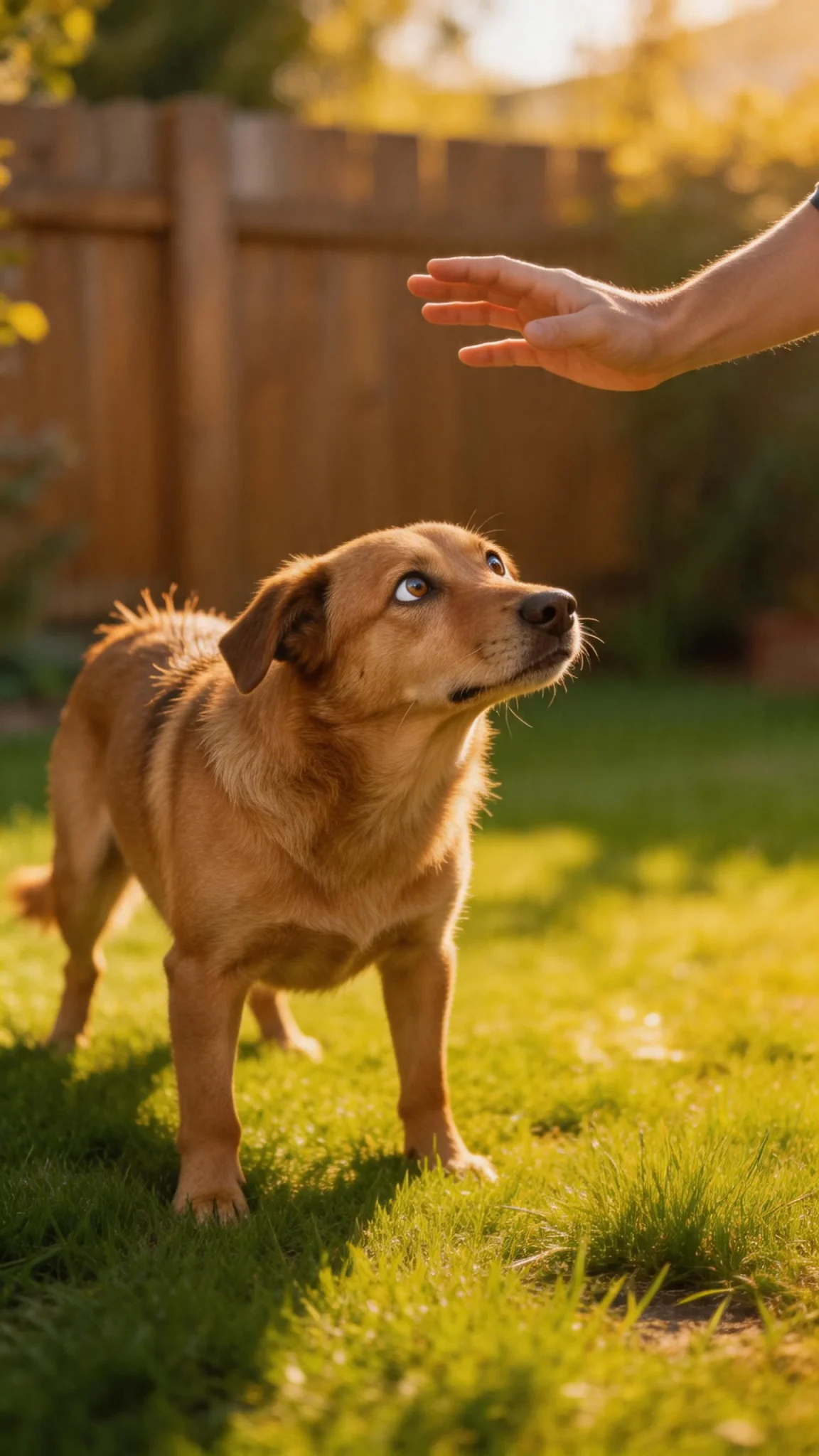
Triggers are specific stimuli that remind the dog’s brain of a past threat. They can be incredibly specific — and seem random unless you know what to look for.
Common trauma triggers include:
- Hands raised above head — associated with being struck
- Loud or deep voices — especially male voices
- Brooms, belts, or sticks — objects previously used to harm
- Uniforms or hats — linked to a past abuser’s appearance
- Sudden movements — even playful ones
- Mealtime chaos — dogs who were starved become extremely anxious around food
Providing a safe, enriched environment helps. Tools like a dog anxiety calming bed can give your dog a designated safe space to retreat to when they feel overwhelmed.
Real-world example: A beagle named Maple would freeze solid whenever someone wore a baseball cap. Her foster family eventually discovered she’d been surrendered by someone who wore one daily during the period she was reportedly neglected. Once they identified the trigger, they used counter-conditioning — pairing the sight of a cap with high-value treats — and within six weeks, Maple stopped freezing entirely.
How to Help a Traumatized Dog Feel Safe: Step-by-Step

There’s no shortcut to healing a traumatized dog, but there is a proven process. What we’ve found works best is a calm, structured, low-pressure approach that gives the dog control over their own comfort level.
- Create a safe zone first. Set up a quiet corner with a covered dog crate or a dedicated bed. Let the dog choose when to use it — never force them in.
- Keep your home routine consistent. Feed, walk, and rest at the same times every day. Predictability lowers anxiety faster than anything else.
- Use low-pressure interaction. Sit on the floor near your dog. Let them approach you. Don’t reach out to pet them — let them make the first move.
- Introduce a calming aid if needed. Some dogs benefit from a dog calming wrap during particularly stressful periods like the first few weeks home.
- Use high-value rewards for exposure to triggers. When your dog encounters a trigger and doesn’t fully react, immediately reward with something they love — small pieces of real chicken work well.
- Avoid flooding. Never force your dog to face a fear all at once. Slow, gradual exposure is what builds confidence.
- Seek professional help if behaviors are intense or dangerous. A certified animal behaviorist (look for CAAB credentials) can build a desensitization plan specific to your dog’s history.
Mental enrichment also plays a big role in recovery. Tools like a homemade snuffle mat give anxious dogs a healthy, calming outlet for their energy.
Common Mistakes That Make Trauma Worse
Even well-meaning owners can accidentally slow down their dog’s recovery. Here are the mistakes we see most often:
- Punishing fear responses. Yelling at or correcting a dog for growling removes the warning signal — and often leads to biting with no warning.
- Over-comforting during fear. Excessive reassurance can accidentally reinforce the fear response. Stay calm and neutral instead.
- Moving too fast. Introducing too many new people, places, or experiences in the first weeks overwhelms a dog who’s already on edge.
- Assuming the dog will “get over it.” Trauma doesn’t resolve on its own without intentional support and structure.
- Using aversive training tools. Shock collars, prong collars, or harsh corrections on a traumatized dog can cause serious psychological harm and increase aggression.
Keeping your dog healthy overall also matters. Supporting their physical wellbeing with options like natural oils for skin and coat health can reduce physical discomfort that contributes to irritability and reactivity.
🛒 Frenchie Owners Are Grabbing These Too
Expert Insights on Trauma Recovery in Dogs
Veterinary behaviorists consistently note that trauma responses in dogs are neurological, not behavioral choices. Dr. Karen Overall, a board-certified veterinary behaviorist, has written extensively on how early adverse experiences alter gene expression in dogs — meaning trauma can affect the brain at a biological level, not just a learned one.
According to the American Society for the Prevention of Cruelty to Animals (ASPCA), approximately 6.3 million companion animals enter U.S. shelters every year. A significant portion of dogs in those shelters have experienced some form of neglect, abuse, or chronic stress — making trauma-informed care a critical skill for any adopter.
What we’ve found consistently in practice: dogs who are given a predictable, low-pressure environment in their first 90 days show measurably better long-term outcomes than dogs who are pushed into socialization or training too early. Patience in the early weeks pays off for years.
Rewarding your dog’s small victories with healthy, homemade options — like pumpkin dog treats — builds positive associations without relying on processed snacks.
Frequently Asked Questions About How Past Trauma or Mistreatment Influences a Dog’s Reaction
Can a Traumatized Dog Ever Fully Recover?
Yes, many dogs recover fully with the right environment and support. Others improve significantly but may always have some sensitivities. The key is consistency, patience, and avoiding punishment-based responses.
How Long Does It Take for a Rescue Dog to Overcome Trauma?
There’s no fixed timeline, but most dogs begin to show noticeable improvement within 3 to 6 months in a stable home. Dogs with severe or prolonged trauma may need 12 to 18 months of consistent support before they feel truly settled.
Why Does My Dog React Aggressively to Certain People But Not Others?
This usually means a specific person resembles — in appearance, scent, or behavior — someone who harmed the dog before. It’s a trigger response, not random aggression. Identifying the common factor helps you manage and address it.
Should I Use Medication to Help My Traumatized Dog?
In some cases, yes. A veterinarian can prescribe anti-anxiety medication that helps lower a dog’s baseline stress so behavioral training can actually take effect. Medication alone isn’t a solution, but combined with behavior modification, it can be very helpful.
Is It Safe to Have a Traumatized Dog Around Children?
It depends entirely on the dog’s specific triggers and current stress level. Always introduce children slowly and under close supervision. Never leave a dog with fear-based reactivity alone with a child until a professional has assessed the situation.
Does the Breed Affect How a Dog Processes Trauma?
Breed can influence baseline anxiety levels and sensitivity, but trauma responses aren’t breed-specific. Any dog, regardless of breed, can develop trauma responses. What matters most is the dog’s individual history and the quality of support they receive afterward.
Your Traumatized Dog Can Heal — and So Can Your Bond
Past trauma or mistreatment shapes how a dog sees the world — but it doesn’t have to define their future. With the right environment, consistent routine, low-pressure interactions, and patience, most dogs show remarkable resilience. You don’t need to be a professional trainer to make a meaningful difference. You just need to show up calmly, every single day.
Start today by doing one simple thing: spend 10 quiet minutes sitting near your dog without asking anything of them. No commands, no petting unless they initiate, no pressure. Just your calm presence. That one small act, repeated daily, is often where real healing begins. You’ve already shown that you care by learning about this — and that matters more than you know.