Dog Ear Infection Home Remedy That Works Fast

Dog ear infection home remedy that actually works fast sounds like exactly what you need when your dog keeps scratching, shaking, and crying. Ear trouble can flare up overnight, and you want safe relief before things get worse.
These infections matter because the ear canal traps heat, wax, moisture, and debris. That mix can turn a minor itch into a painful infection within a day or two, especially in floppy-eared dogs and bully breeds.
This guide shows you what helps at home, what never belongs in your dog’s ear, and when you need a vet fast. We will also cover cleaning steps, warning signs, and how to prevent another painful flare-up.
Dog Ear Infection Home Remedy That Actually Works Fast
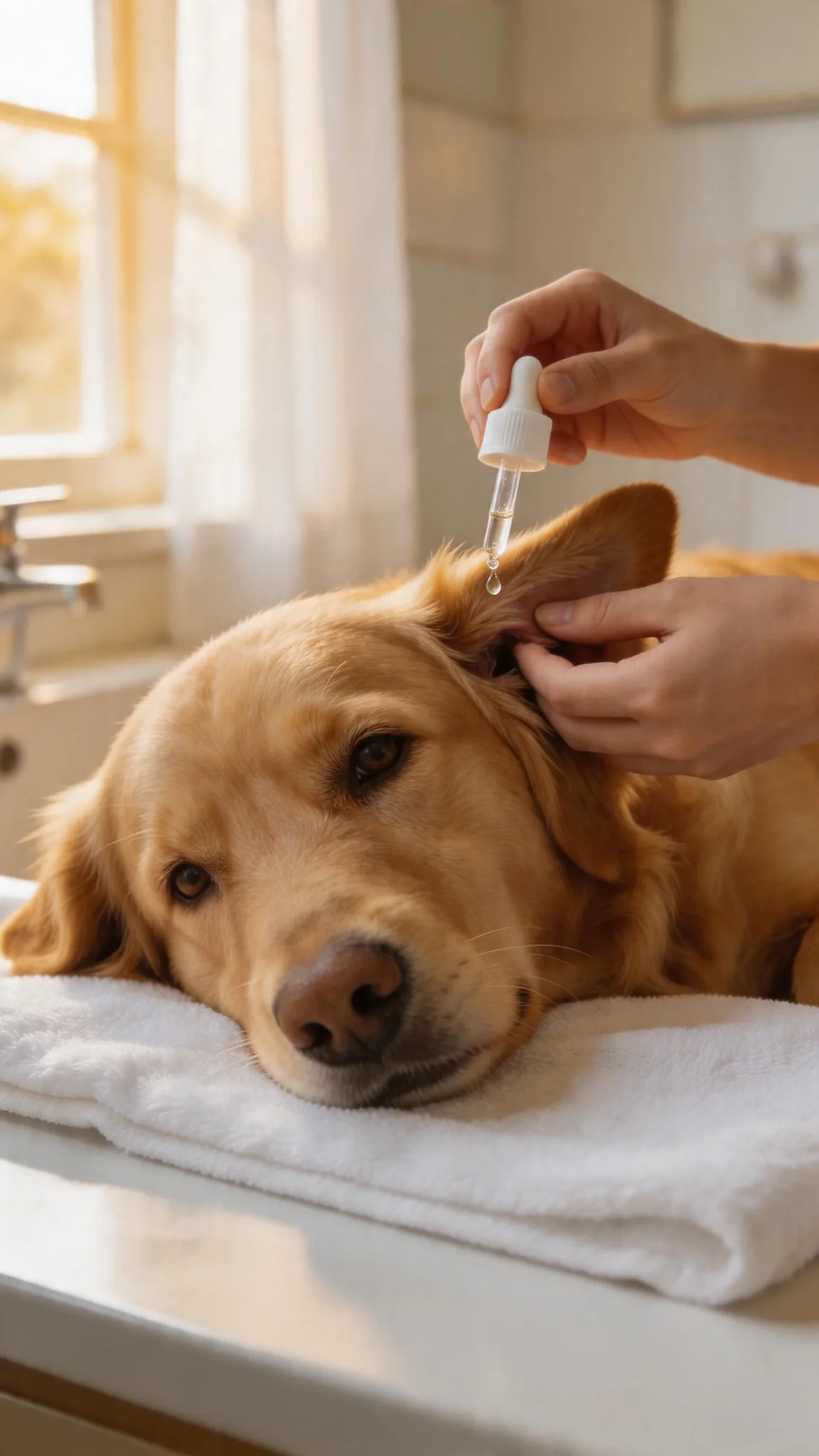
The fastest home remedy for a mild dog ear irritation is gentle ear cleaning with a vet-approved cleanser, careful drying, and stopping scratching. Home care can soothe mild cases fast, but true infections often need a veterinarian’s medicine.
- Use only a dog-safe ear cleanser.
- Dry the ear after baths or swimming.
- Never use hydrogen peroxide or alcohol.
- Do not put oils deep in the canal.
- Stop your dog from scratching.
- See a vet for odor, pus, swelling, or pain.
- Get help fast if your dog loses balance.
How To Tell If Your Dog Has An Ear Infection
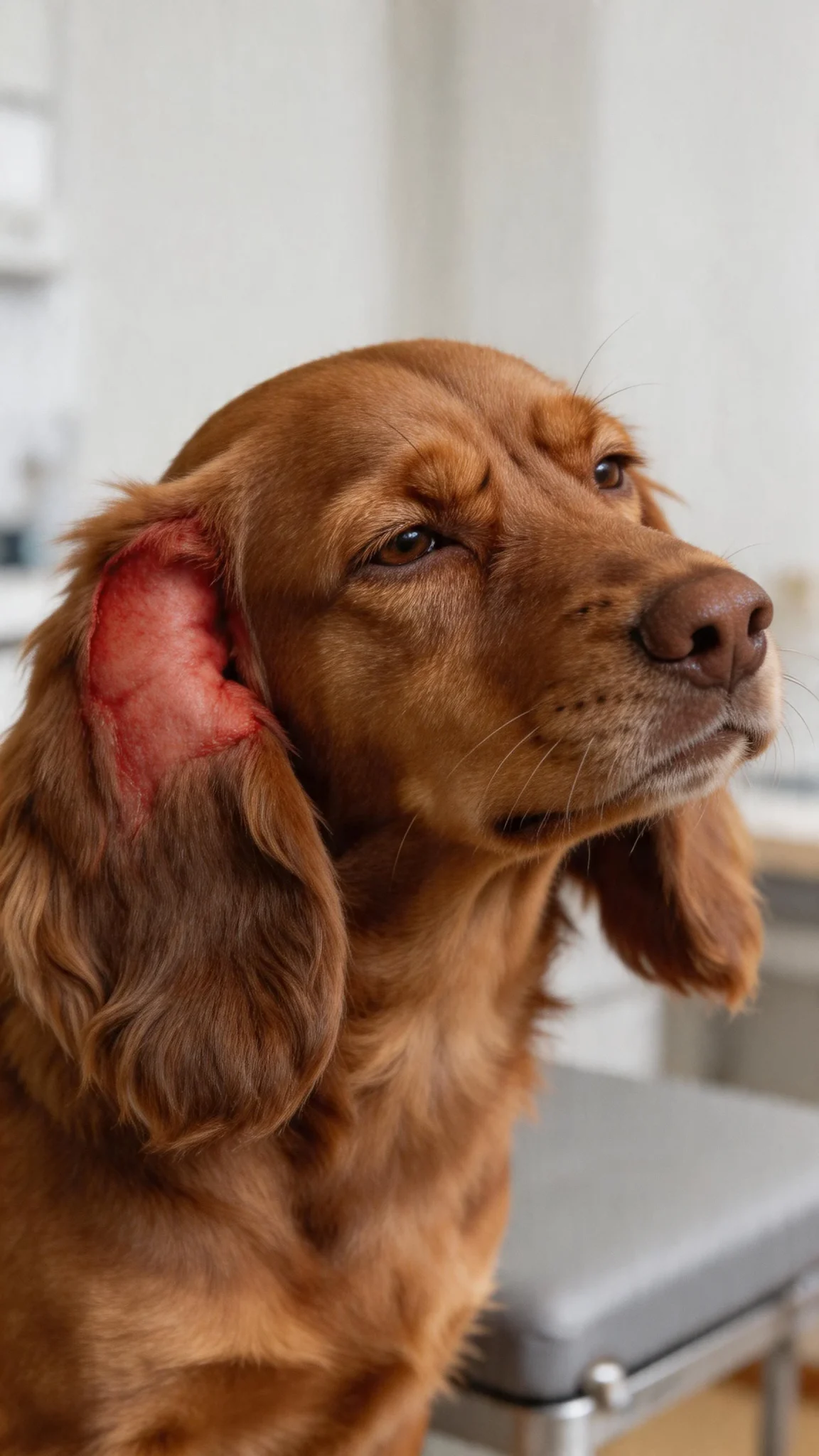
Most owners first notice head shaking, ear scratching, or a strong smell. Your dog may also rub one side of the face on the couch, avoid ear touching, or tilt the head.
Look for redness, brown discharge, yellow fluid, crusting, or swelling near the ear opening. Pain, odor, and discharge together usually point beyond simple wax buildup.
Common Signs You Can Check At Home
- Frequent head shaking
- Scratching one ear more than the other
- Bad smell from the ear canal
- Dark wax or wet discharge
- Yelping when you touch the ear
- Head tilt or poor balance
In our experience, dogs with allergies often get repeat ear trouble along with itchy paws or skin flare-ups. If your dog also has patchy skin issues, this guide on dog losing hair in patches on the back may help you spot the bigger pattern.
A real example helps here. Bella, a 4-year-old French Bulldog, started with light scratching on Friday and had a yeast smell with dark debris by Sunday, which turned out to be a confirmed ear infection.
What Home Remedies Help Fast And What To Avoid
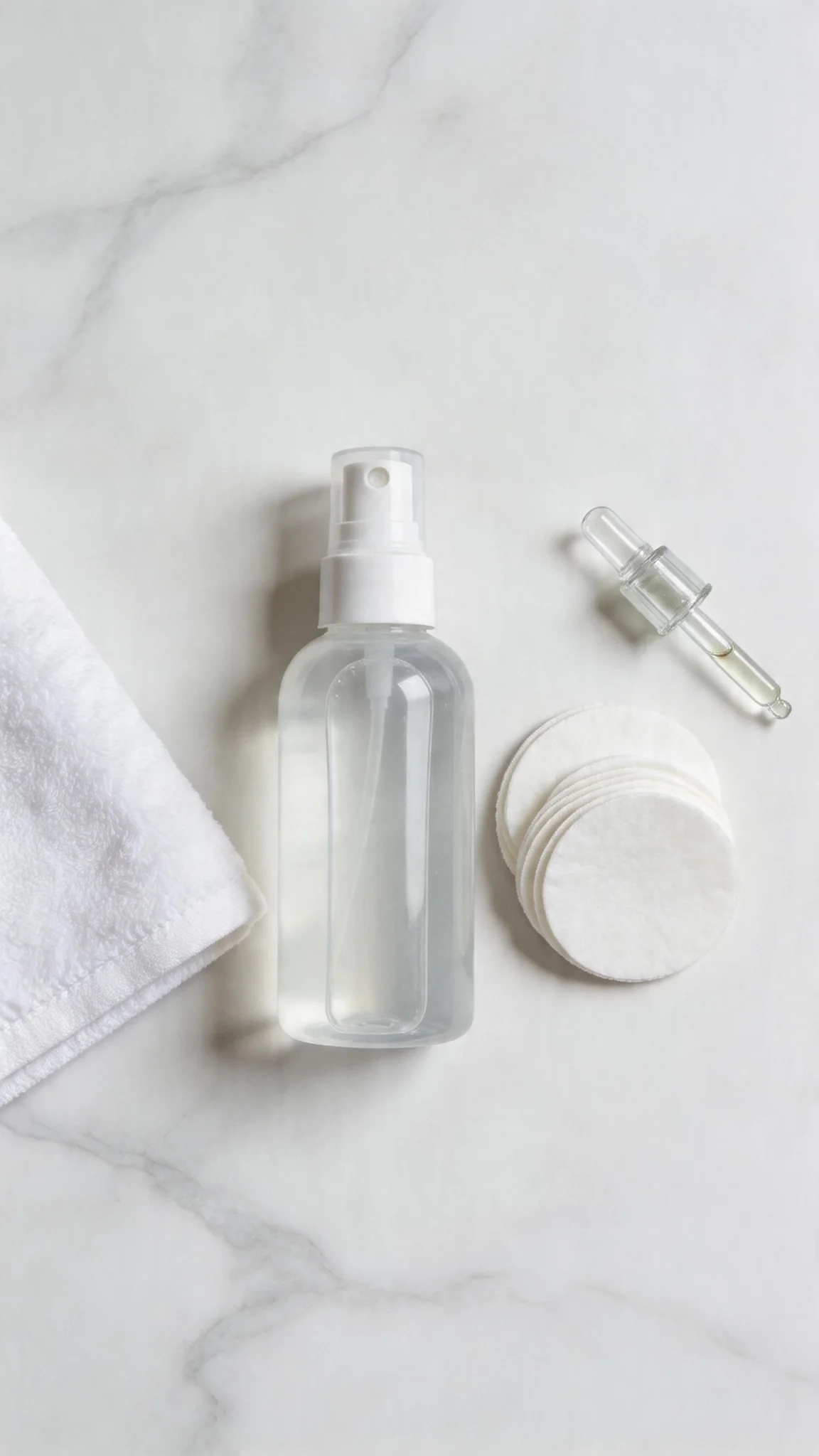
The best at-home help is simple: clean gently, dry well, and reduce irritation. What we have found works best is a dog ear cleanser that dissolves wax without stinging raw skin.
A helpful option is dog ear cleaner for yeast and wax. Choose a formula made for dogs, not people, and stop if your dog cries, jerks away, or seems more inflamed.
🛒 What Every Frenchie Owner Needs Right Now
Home Remedies That Usually Help Mild Cases
- Dog-safe ear cleanser
- Clean cotton rounds for the outer ear
- A soft towel for drying
- An e-collar if scratching gets intense
Many of our readers tell us they want to use apple cider vinegar, coconut oil, or peroxide because they already have them at home. Those products often sting inflamed tissue, trap moisture, or make it harder for your vet to read the ear later.
Never pour liquid deep into the ear unless the label says it is made for canine ears. Also skip cotton swabs inside the canal because they push debris lower and can injure delicate tissue.
Jake from Ohio cleaned only the outer ear with a vet-approved cleanser and used an e-collar overnight. His dog stopped scratching within hours, but the bad odor stayed, and the vet found a bacterial infection the next morning.
Why Dog Ear Infections Happen So Often
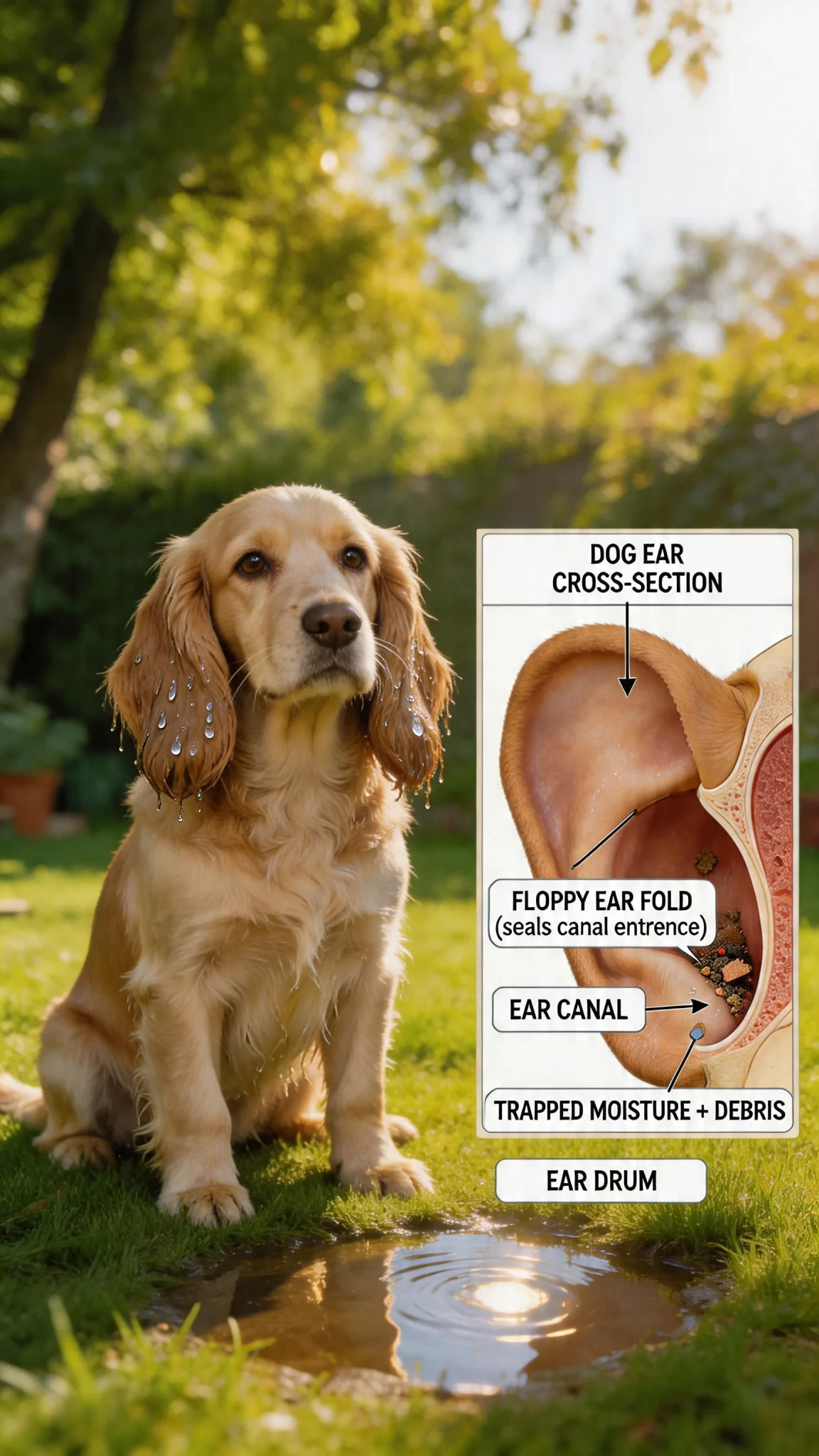
Dog ears get infected when moisture, wax, allergies, or trapped debris upset the normal ear environment. Yeast and bacteria grow fast in warm, damp canals, especially in dogs with narrow or floppy ears.
Building on what we covered about signs, repeated ear problems usually have a root cause. The biggest triggers are allergies, water in the ear, hair in the canal, mites, and underlying skin disease.
Common Root Causes
- Environmental or food allergies
- Swimming or frequent baths
- Heavy wax production
- Ear mites, mostly in puppies
- Grass seeds or other foreign material
- Hormone or skin conditions
We have seen this consistently in bully breeds with itchy skin and inflamed paws. If your dog keeps dealing with ear itching, this article on Apoquel vs Cytopoint for ear itching can help you discuss allergy control with your vet.
Max, a 6-year-old Bulldog, had three ear infections in seven months until his owner addressed seasonal allergies. Once the allergy plan started, his ear flares dropped to one mild episode the next year.
How To Clean Your Dog’s Ear Safely At Home
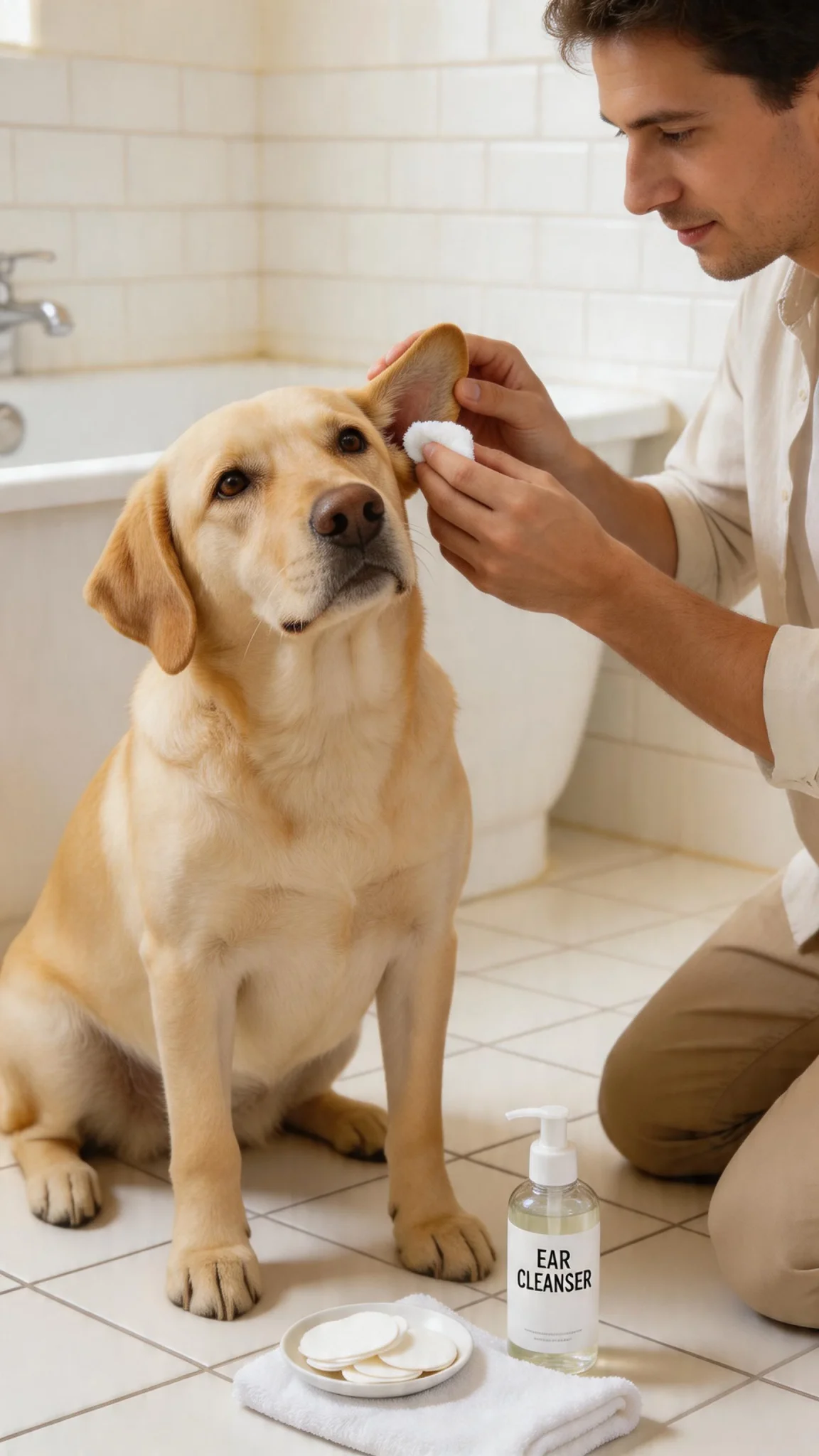
This process works best for mild irritation, wax buildup, or follow-up care after your vet rules out a ruptured eardrum. Gentle cleaning can bring quick relief when wax and moisture cause the problem.
Use a dog ear wash, cotton rounds, treats, and a towel. A product like dog ear wash cleaner works well when your dog tolerates handling.
- Pick a calm spot. Sit with your dog on the floor and keep treats ready.
- Lift the ear flap. Look for heavy swelling, bleeding, pus, or a painful reaction before cleaning.
- Fill only as directed. Add the cleanser into the canal opening, not forcefully and not excessively.
- Massage the ear base. Rub for 20 to 30 seconds until you hear a soft squish.
- Let your dog shake. That brings loosened debris toward the outer ear.
- Wipe the visible area. Use cotton rounds only on places you can see.
- Dry the outer ear. Pat dry with a clean towel and reward your dog.
As the How To Tell If Your Dog Has An Ear Infection section showed, stop if your dog cries or resists strongly. Pain often means the ear tissue is too inflamed for home care alone.
🛒 Vets Use For Their Own Frenchies
Lisa in Texas used this method on her Cocker Spaniel after a muddy hike. One cleaning removed dark wax, but the remaining sour smell led to a vet visit that found yeast overgrowth.
When A Home Remedy Is Not Enough
Some cases need treatment the same day because the infection sits deeper in the canal or involves the middle ear. Home care will not clear severe bacterial or yeast infections once swelling and pain set in.
Call your vet fast if you see pus, blood, marked swelling, fever, wobbling, hearing changes, or a head tilt. Those signs can mean a bad infection, a foreign body, or damage inside the ear.
Red Flags That Mean Skip Home Treatment
- Strong foul odor that returns quickly
- Yellow, green, or bloody discharge
- Severe pain with ear touching
- Balance problems or falling
- Repeated infections every few weeks
- Swollen ear flap or hematoma
If your dog suddenly seems off balance or painful, check for other urgent issues too. This article on dog limping on the front leg but not crying shows how subtle pain signs can hide a bigger problem.
One owner named Darren waited five days because his Beagle still ate normally. The dog later needed sedated ear flushing and prescription drops because the canal had swollen almost shut.
How To Prevent Another Ear Infection
Prevention starts with moisture control, allergy management, and regular checks after outdoor play or baths. Many ear infections come back because the root trigger never gets fixed.
Check your dog’s ears weekly for smell, wax changes, or redness. Early action prevents painful flare-ups and usually saves you money on repeat vet visits.
Simple Prevention Habits That Work
- Dry ears after swimming or bathing
- Use a maintenance ear cleanser only when needed
- Manage allergies with your vet
- Keep grooming tools and bedding clean
- Watch for seasonal flare patterns
A practical tool for prevention is dog ear drying solution after water play, if your vet says your dog’s ears tolerate it. For scratch-heavy dogs, an soft dog recovery cone can stop self-trauma during a flare.
In our experience, food puzzles and calm routines also reduce stress scratching and face rubbing. If your dog gets restless during recovery, try these ideas from how to make a dog snuffle mat at home.
Molly, a Lab mix who swam three times a week, had monthly ear issues every summer. Her owner started drying both ears after each swim, and Molly went eleven months without another infection.
Expert Insights On Safe Ear Care
Dr. Jerry Klein, Chief Veterinary Officer for the American Kennel Club, warns owners not to diagnose every ear issue as yeast from smell alone. Bacteria, mites, allergies, and foreign bodies can look similar without an ear exam.
Merck Veterinary Manual notes that otitis externa, or outer ear inflammation, commonly involves bacteria or yeast and often links to allergies or moisture. That matches what many family vets see every week in practice.
What we have found works best is using home care for comfort while treating the cause quickly. A cleanser can help remove wax, but medicine clears confirmed infection faster and more completely.
For dogs with repeat flare-ups, ask your vet about a recheck plan after treatment ends. Sarah, a veterinary nurse in Florida, told one owner to return in 14 days, and that follow-up caught lingering yeast before symptoms came back.
Health routines matter in other ways too. Staying current on basics like vaccines supports overall care, and this guide on DHPP vs DHLPP vaccine timing can help you organize those conversations.
If your dog gets into something dangerous while uncomfortable, act fast on emergencies. Keep this article on how much chocolate is dangerous by weight bookmarked for urgent reference.
Frequently Asked Questions About Dog Ear Infection Home Remedy That Actually Works Fast
Can I Treat My Dog’s Ear Infection At Home Without A Vet?
You can soothe mild irritation and remove wax with a dog-safe cleanser. If your dog has pain, odor, discharge, swelling, or repeated infections, see a vet.
What Is The Fastest Home Remedy For Dog Ear Irritation?
The fastest safe option is gentle cleaning with a vet-approved ear cleanser and careful drying. That often helps within hours when moisture or wax caused the irritation.
Can I Use Apple Cider Vinegar In My Dog’s Ear?
I do not recommend it for an inflamed ear. Vinegar can sting raw tissue and can worsen discomfort fast.
Should I Use Hydrogen Peroxide Or Alcohol?
No, avoid both for ear infections or irritated ears. They can dry and irritate tissue, and they often make painful ears harder to clean.
How Do I Know If It Is Yeast Or Bacteria?
You usually cannot know for sure at home. Vets use an ear swab and microscope check to identify yeast, bacteria, or mites.
How Long Should I Try Home Care Before Calling The Vet?
If there is no clear improvement within 24 hours, call your vet. Call sooner for pain, bad odor, discharge, head tilt, or balance problems.
Conclusion
Dog ear infection home remedy that actually works fast usually means gentle cleaning, drying, and preventing more scratching while you watch symptoms closely. Safe home care helps mild cases, but true infections often need prescription treatment.
Start today by checking your dog’s ears for odor, redness, and discharge, then clean only with a dog-safe product like vet-approved dog ear cleanser. If your dog seems painful or off balance, call your veterinarian now and trust your instincts.