Managing Yeast Breakouts and Coat Challenges in Red Poodles

If your red Poodle has been scratching more than usual, smelling a little funky, or showing dull, patchy coat areas, you are not imagining things. Yeast overgrowth and coat challenges are genuinely common in this breed — and the rich, deep red coat color can actually make these issues harder to spot early on.
Red Poodles are stunning dogs, but that dense, curly coat creates the perfect warm, moist environment where yeast thrives. Add in some food sensitivities or seasonal allergies, and you have got a recipe for recurring flare-ups that frustrate even the most attentive dog owner. Many of our readers tell us they spent months treating symptoms before anyone helped them connect the dots to yeast.
This guide breaks down exactly what causes yeast breakouts in red Poodles, how to recognize a real problem, and what you can do right now to get your dog’s skin and coat back on track. You will find practical steps, product recommendations, and honest advice based on real experience — not guesswork.
🛒 What Every Frenchie Owner Needs Right Now
How to Identify and Manage Yeast Breakouts in Red Poodles
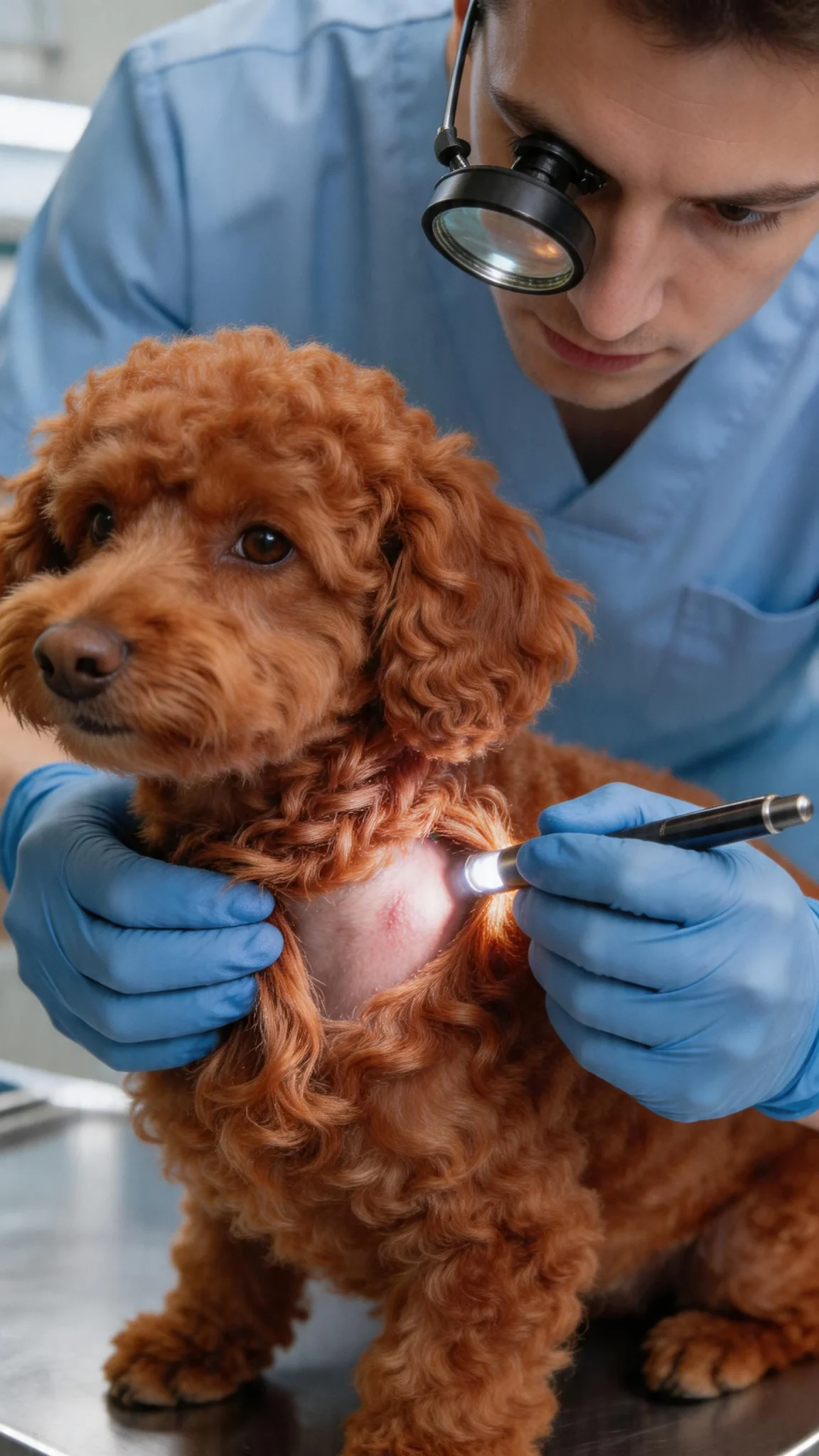
Yeast breakouts in red Poodles are caused by an overgrowth of Malassezia pachydermatis, a naturally occurring fungus on dog skin. When conditions are right — humidity, diet issues, or a weakened immune response — it multiplies out of control.
Key signs your red Poodle may have a yeast problem:
- A strong musty or corn-chip odor coming from skin, ears, or paws
- Chronic ear scratching or head shaking
- Red, irritated skin — especially in skin folds, armpits, or groin
- Dark, greasy, or waxy buildup on the skin
- Rust-colored staining on paws from licking
- Dull, thinning, or matting coat despite regular grooming
- Recurrent ear infections diagnosed by your vet
Immediate steps you can take:
- Schedule a vet visit to confirm yeast — do not assume and self-treat alone
- Switch to a limited-ingredient diet to remove common yeast triggers
- Start a medicated antifungal shampoo routine — at least twice weekly during a flare
- Keep ears clean and dry after every bath or swim
- Check paws daily and dry between toes after outdoor time
Why Red Poodles Are More Prone to Yeast and Coat Issues
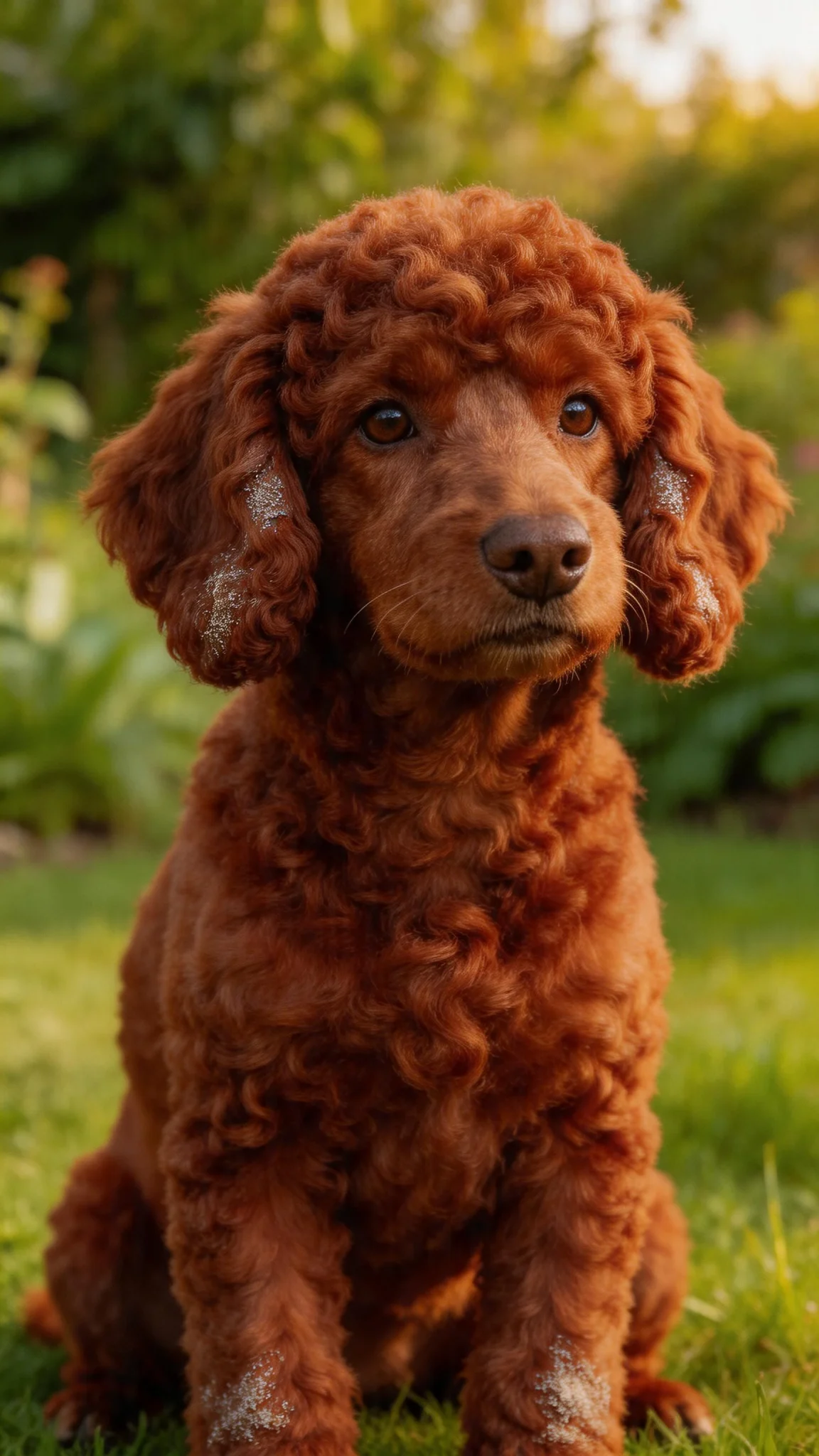
Red Poodles are not more likely to get yeast simply because of coat color — but the genetics behind their pigmentation often come packaged with skin sensitivity. In our experience, red Poodles frequently show a higher rate of environmental allergies compared to standard black or white Poodles, and allergies are one of the biggest triggers for yeast overgrowth.
🛒 Vets Use For Their Own Frenchies
The Role of the Curly Coat
That beautiful, tight curl you love about your Poodle is also a trap for moisture, debris, and dead skin cells. Unlike short-coated breeds, air circulation against a Poodle’s skin is minimal — especially when the coat grows long between grooming appointments. This creates the warm, damp microenvironment that yeast feeds on.
What we have found works best is keeping your red Poodle trimmed to a practical length — not necessarily a show cut — so air can reach the skin. A 1- to 2-inch coat length on the body dramatically reduces yeast risk compared to letting the coat grow out to 3 or 4 inches between appointments.
Skin Pigmentation and Sensitivity
The red coat gene in Poodles is associated with a recessive mutation that some breeders link to slightly more reactive skin. This does not mean every red Poodle will struggle, but it does mean you should be proactive. One of our readers noticed her red Poodle, Copper, started showing dark, itchy patches under his armpits at just 18 months old. A vet-confirmed yeast culture showed moderate Malassezia overgrowth — caught early enough to treat without oral antifungals.
The Best Shampoo and Bathing Routine for Red Poodles With Yeast
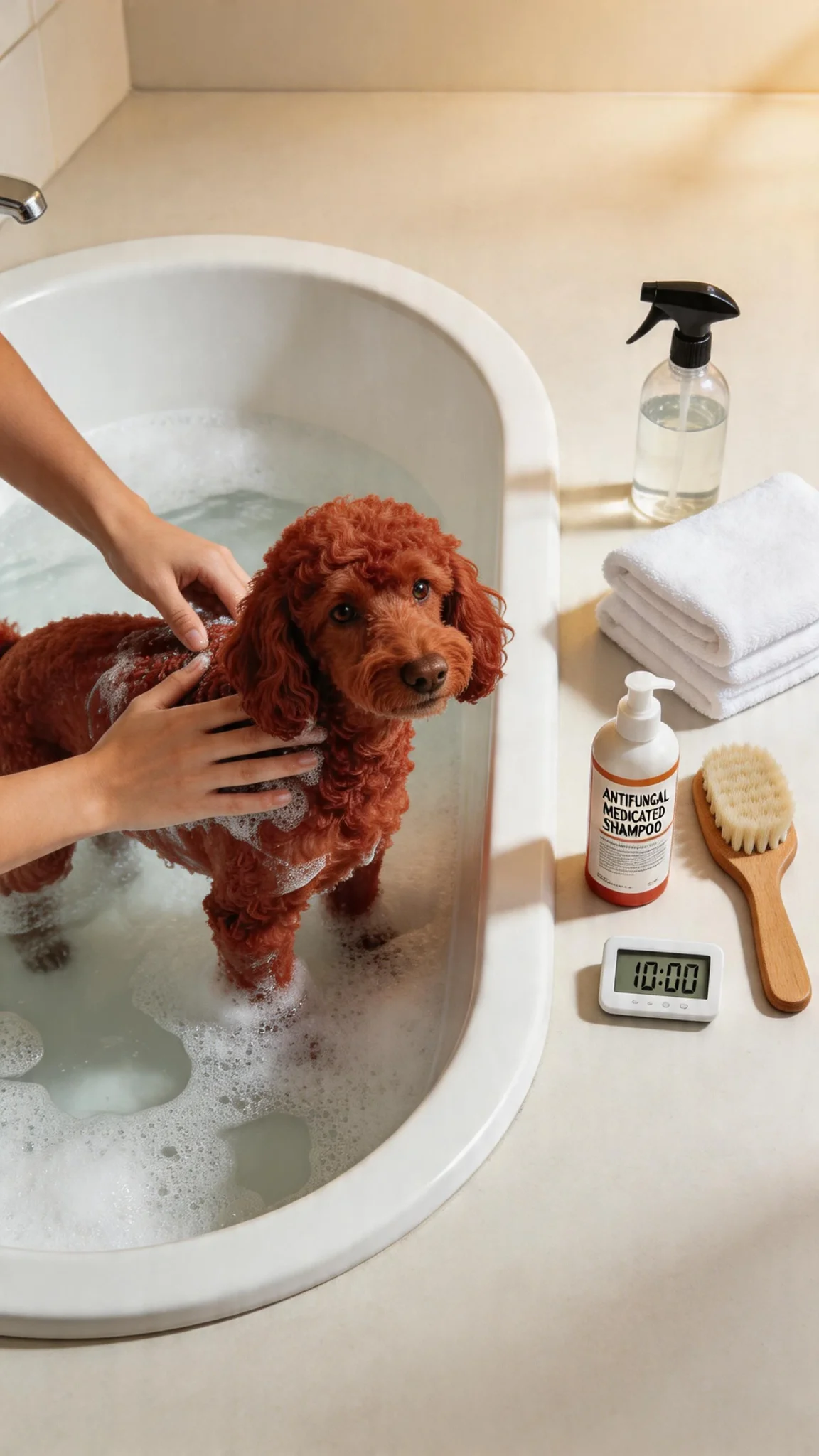
Regular grooming is your first line of defense. But not all shampoos are equal when yeast is involved. Standard moisturizing dog shampoos — even expensive ones — can actually feed a yeast infection by leaving a film on the skin.
Choosing the Right Antifungal Shampoo
For active yeast flare-ups, you need a shampoo that contains either chlorhexidine, miconazole, or ketoconazole — ideally a combination of the first two. Malaseb is one of the most vet-recommended options, and learning how to use it properly matters as much as the product itself. You can read a detailed breakdown on how to use Malaseb shampoo for yeast correctly to make sure you are getting full contact time on the skin.
A good option to keep on hand is a chlorhexidine miconazole dog shampoo — look for one with at least 2% chlorhexidine and 1% miconazole for real antifungal action.
How Often to Bathe During a Flare-Up
During an active yeast breakout, bathe your red Poodle two to three times per week for the first two weeks. The shampoo must stay on the skin for a full 10 minutes before rinsing — this is the step most owners skip, and it makes a huge difference.
After symptoms resolve, drop back to once weekly for maintenance, then every 10 to 14 days as a long-term routine. Always dry your dog thoroughly with a high-velocity pet dryer after bathing — towel drying alone leaves moisture trapped in that dense coat.
Diet Changes That Help Reduce Yeast Flare-Ups
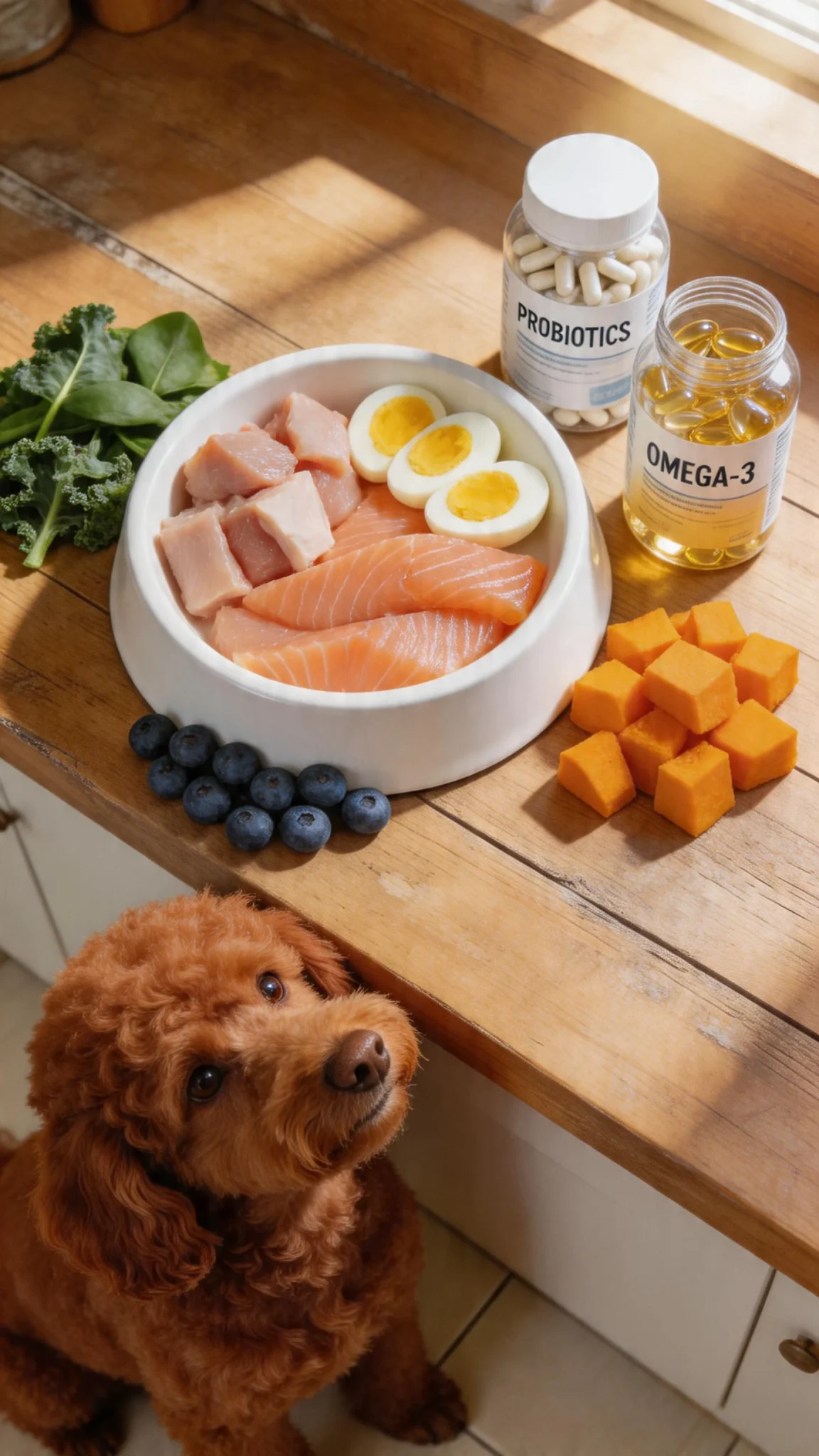
What your dog eats has a direct impact on yeast. This is the part of yeast management that many owners overlook because it is slower to show results — but it is often the most powerful long-term fix.
Foods That Feed Yeast
High-carbohydrate diets — especially those heavy in corn, wheat, rice, or potato — give yeast more sugar to thrive on. Many commercial dog foods, including some premium brands, are loaded with these ingredients. If your Poodle is on a standard kibble and keeps having recurring yeast issues, the food is likely part of the problem.
What we have found works best is switching to a low-glycemic, limited-ingredient diet — ideally one with a novel protein source like duck, venison, or kangaroo, paired with low-starch vegetables. Some owners report dramatic improvement within six to eight weeks of a full diet switch.
Supplements Worth Adding
Two supplements consistently show up in yeast management discussions among holistic vets:
- Omega-3 fatty acids — reduce skin inflammation and support the skin barrier. Look for a high-quality dog omega-3 fish oil supplement with EPA and DHA levels listed clearly on the label.
- Probiotics — help rebalance gut flora, which directly affects yeast levels throughout the body. A dog-specific probiotic powder added daily to meals can make a noticeable difference within four to six weeks.
Avoid giving your Poodle any human antifungal creams without veterinary guidance. It is a common mistake, and you can learn more about why on our guide covering whether human yeast creams are safe for dogs.
🛒 Frenchie Owners Are Grabbing These Too
Step-By-Step: Setting Up a Weekly Yeast Prevention Routine
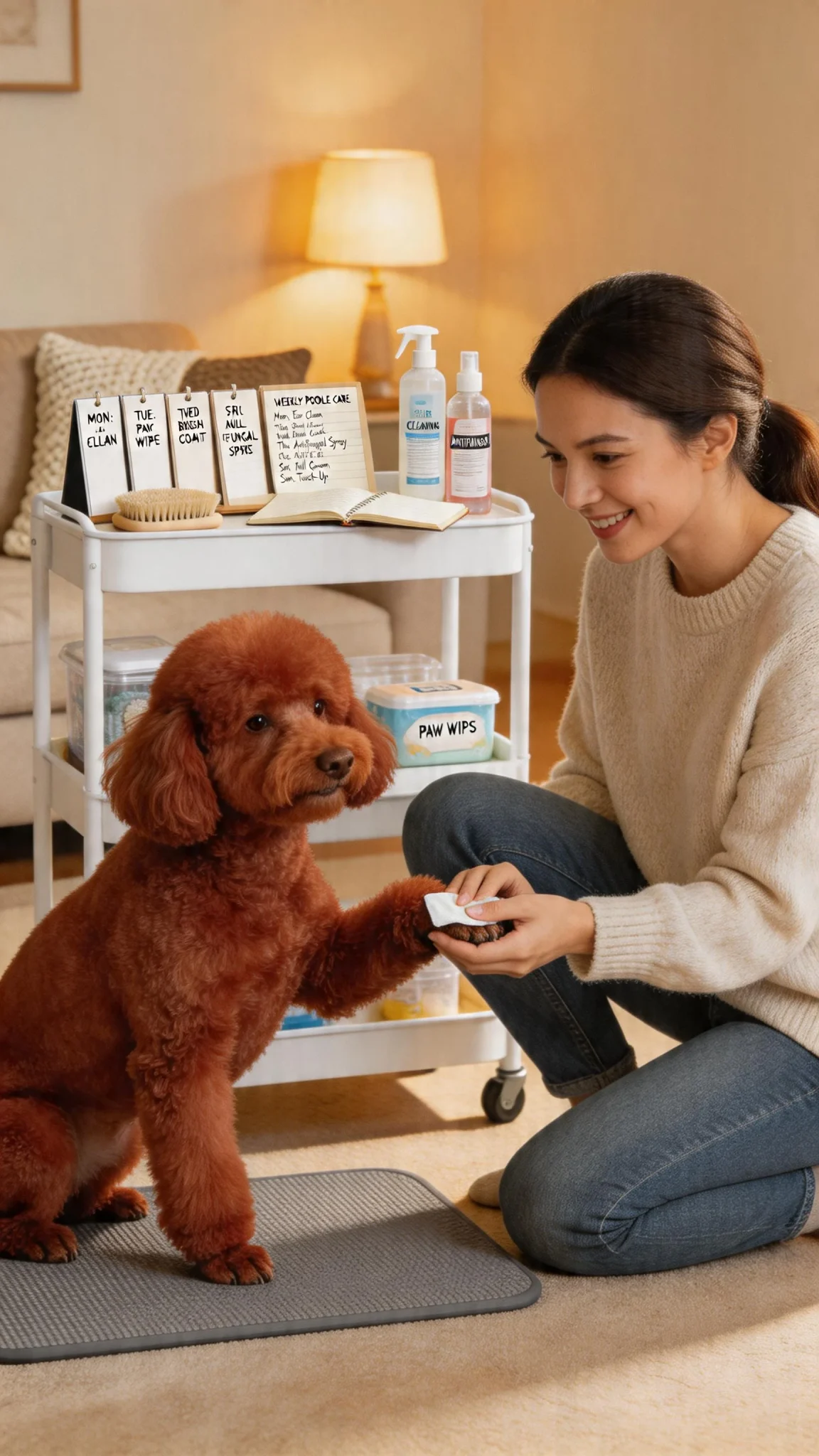
Consistency beats intensity every time with yeast management. Here is a practical weekly routine you can actually stick to:
- Day 1 — Bath day: Use your antifungal shampoo, leave on for 10 full minutes, rinse thoroughly, and blow-dry completely. Check ears for wax or odor after bathing.
- Day 2 — Ear check: Use a vet-approved dog ear cleaning solution to gently wipe the ear canal. Do not insert cotton swabs deep into the canal.
- Day 3 — Paw inspection: Check between toes for redness, staining, or moisture. Wipe with a clean dry cloth or unscented baby wipe.
- Day 4 — Rest day: No intervention needed — just observe your dog’s behavior and skin.
- Day 5 — Coat brush-out: Brush thoroughly to remove debris, promote airflow, and check skin condition under the coat.
- Day 6 — Supplement day review: Confirm your dog received daily omega-3 and probiotic supplements all week. Adjust dosing if your vet has recommended changes.
- Day 7 — Weekly skin scan: Part the coat in several areas — behind ears, armpits, groin, and belly — and look for new redness, grease, or odor.
Common Mistakes That Make Yeast Worse in Poodles
In our experience, most recurring yeast cases are not about the wrong treatment — they are about patterns that unknowingly keep the yeast coming back.
- Skipping the contact time: Rinsing antifungal shampoo off after 60 seconds does almost nothing. The 10-minute rule is non-negotiable.
- Treating skin but ignoring ears: Ear yeast and skin yeast are often the same outbreak. Treat both simultaneously.
- Stopping treatment too early: Many owners stop after symptoms disappear. Keep treating for at least two weeks after the skin looks clear.
- Using heavy conditioners during a flare: These can clog pores and trap yeast. Skip the conditioner until the skin is fully clear.
- Not addressing the root cause: If allergies or diet are fueling yeast, shampoo alone will not hold it off long-term.
Expert Insights on Yeast and Poodle Skin Health
Veterinary dermatologists consistently point out that Malassezia dermatitis in dogs is almost always secondary — meaning something else is driving the immune disruption that allows yeast to overgrow. In Poodles specifically, environmental allergies (atopy) and food hypersensitivity are the two leading underlying causes identified in clinical practice.
A study published in Veterinary Dermatology found that dogs with atopic dermatitis had significantly higher Malassezia counts on their skin compared to healthy controls — confirming that managing the allergy is just as critical as treating the yeast directly. This is why working with a veterinary dermatologist, not just your general vet, can be a game-changer for dogs with chronic recurring yeast.
What we have found works best in stubborn cases is a combination approach: prescription antifungal therapy from the vet (oral fluconazole or itraconazole for 30 days), paired with the shampoo routine, diet change, and allergy management. Doing one without the others rarely holds results past 60 days.
Frequently Asked Questions About Managing Yeast Breakouts and Coat Challenges in Red Poodles
Can Yeast Infections in Red Poodles Go Away on Their Own?
Mild surface yeast can sometimes self-resolve if environmental conditions improve, but moderate to severe infections will not clear without treatment. Leaving yeast untreated allows it to spread deeper into skin folds, ears, and nail beds — making it much harder to eliminate later.
How Long Does It Take to Clear a Yeast Infection in a Poodle?
With consistent antifungal shampoo treatment two to three times per week, most surface yeast infections show significant improvement within two to three weeks. Full resolution — meaning no odor, no redness, and normal coat texture — typically takes four to six weeks for moderate cases.
Is the Red Coat Color Itself a Problem for Yeast?
The coat color itself does not cause yeast. However, the genetics behind the red pigment in Poodles are sometimes linked to increased skin sensitivity and allergy predisposition, which can indirectly raise yeast risk. The dense, curly texture of the Poodle coat is a bigger practical factor than the color.
Should I See a Vet or Can I Treat Yeast at Home?
For a first-time suspected yeast infection, always confirm with your vet — a skin cytology test takes minutes and gives you a definitive answer. Once you know what you are dealing with, a home management routine with antifungal shampoo and diet changes is absolutely appropriate for maintenance and mild flare-ups.
Why Does My Red Poodle’s Coat Look Dull Even After Bathing?
Dull coat after bathing in a Poodle often signals one of three things: mineral buildup from hard water, residue from a shampoo that was not rinsed fully, or underlying skin inflammation from yeast or allergies. Try a clarifying rinse with diluted apple cider vinegar (1 tablespoon per cup of water) after your next bath and see if texture improves within two weeks.
Can Ear Infections in Poodles Be Related to Skin Yeast?
Absolutely — and this connection is extremely common. The same Malassezia organism causes both skin and ear yeast infections in dogs. If your Poodle keeps getting ear infections, check the skin carefully for signs of yeast overgrowth, because treating only the ears while ignoring the skin will lead to constant reinfection.
Wrapping Up: You Can Get Ahead of Yeast in Your Red Poodle
Managing yeast breakouts and coat challenges in red Poodles is absolutely doable — it just requires consistency, the right products, and a willingness to address the root cause, not just the symptoms. With the right shampoo routine, a diet that does not feed yeast, proper drying habits, and regular skin checks, most red Poodles can stay comfortable and looking their best year-round.
Your best next step today is simple: part your Poodle’s coat in three or four spots — armpits, groin, behind the ears — and take a close look and sniff. If you see redness or grease, or smell something musty, book a vet visit this week. Catching yeast early makes treatment faster, cheaper, and far less stressful for both of you. You have got this.