
Lilac French Bulldog Full Grown: Size, Appearance & Care Guide

A full grown Lilac French Bulldog stands small but sturdy, with a height of about 11 to 13 inches and a weight between 16 and 28 pounds. Compact and muscular, this version of the popular Frenchie draws attention with its soft, silvery-lilac coat and calm confidence. A full grown Lilac French Bulldog combines the classic charm of the breed with a distinctive coat color created by specific genetic traits.
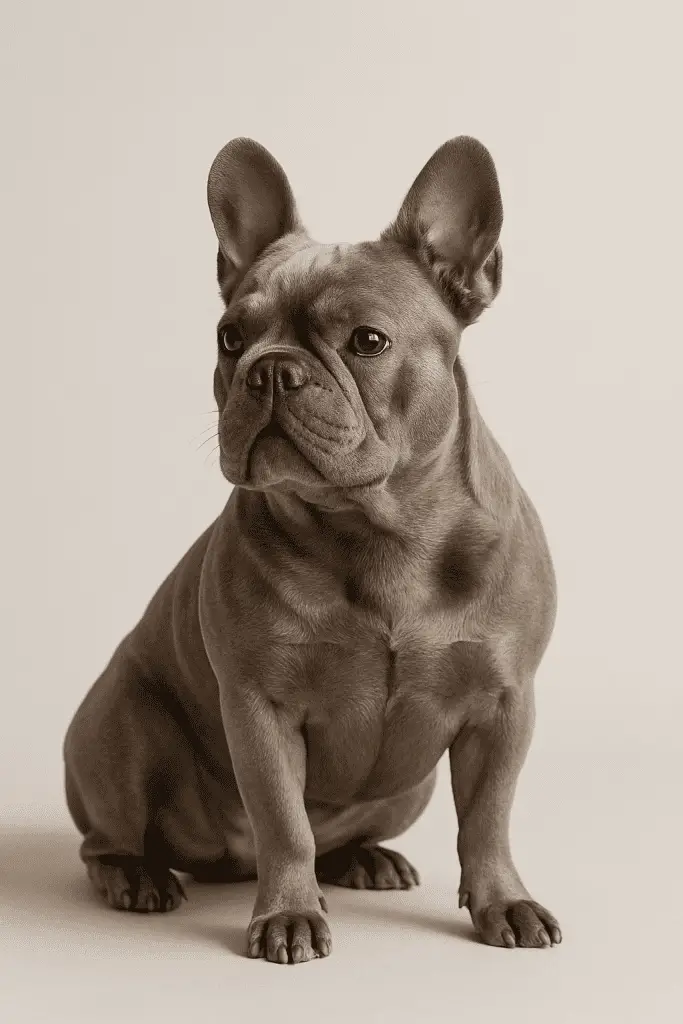
This rare coloring makes the Lilac Frenchie one of the most sought-after types among French Bulldog enthusiasts. Their easygoing nature, affectionate temperament, and manageable size make them excellent companions for nearly any lifestyle, from city apartments to quiet homes. Learning about their genetic background, health needs, and care routine helps anyone considering one understand what makes these dogs special.
As this guide explores their genetics, appearance, health considerations, and breeding factors, it offers a clear picture of what to expect from a full grown Lilac French Bulldog—both in looks and temperament.
Lilac French Bulldog Genetics and Color
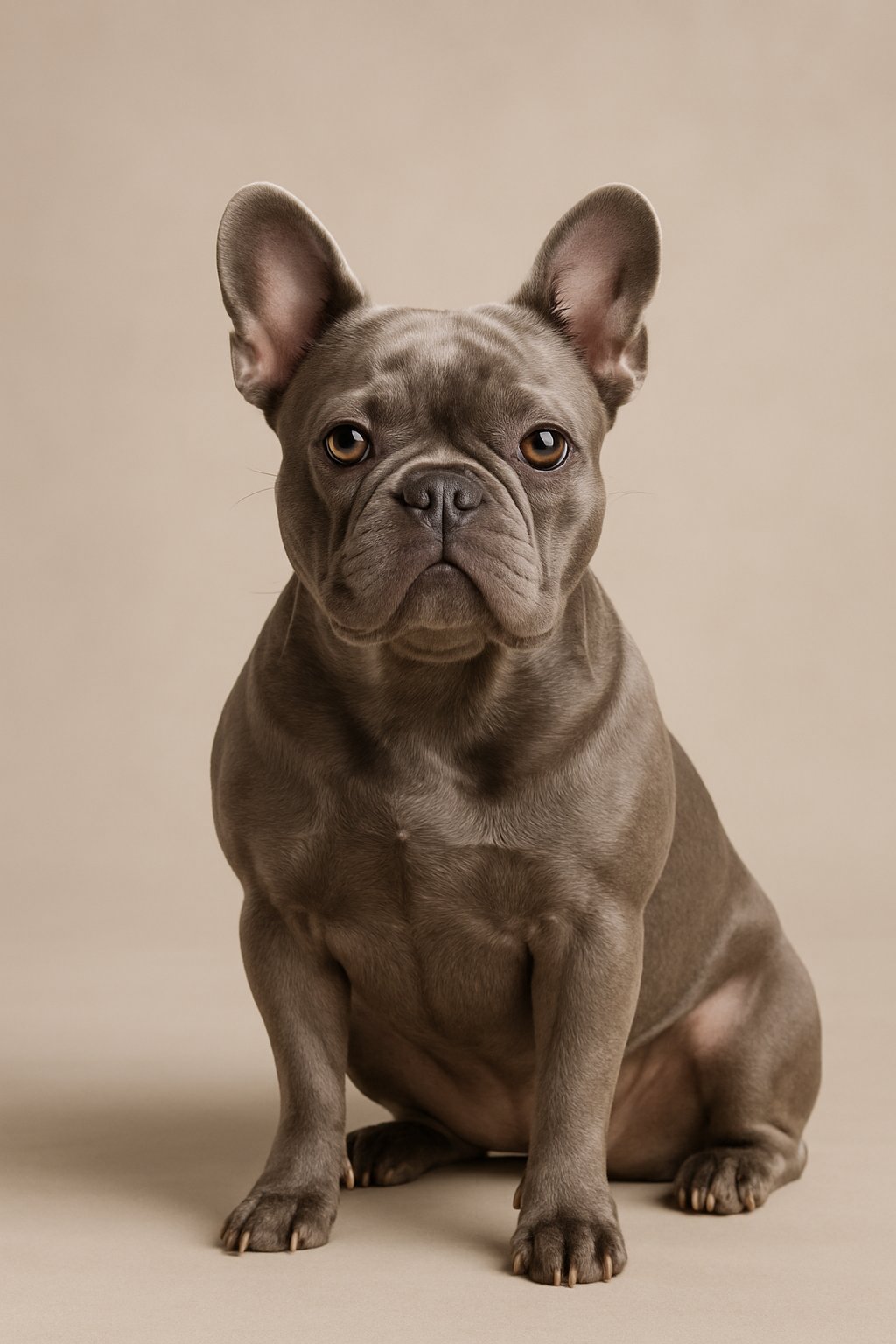
A lilac French Bulldog gets its soft silver-gray coat from specific genetic combinations that influence pigment. The color depends on two dilution genes that change both the black and brown pigments found in typical French Bulldogs, creating a pale lavender tone with distinct eye and skin shading.
What Makes a Lilac French Bulldog Unique
A lilac French Bulldog stands out due to its lavender-gray coat, light eyes, and purplish skin pigmentation around the nose and lips. These dogs share the same physical structure and personality as other French Bulldogs but display a rarer appearance.
Their coat looks smooth and short, reflecting light differently depending on the environment. Sunlight often gives it a silvery glow, while indoor lighting brings out warmer, brown-gray undertones.
Lilac Frenchies often have striking blue-gray, green, or gray-hazel eyes, which contrast against their pale coat. This combination of coloring, paired with the breed’s familiar bat-like ears and compact frame, makes them distinctive among French Bulldog colors.
Genetic Origins of the Lilac Gene
The lilac color results from the presence of two recessive genes that dilute dark pigment. One is the blue dilution gene (dd), and the other is the chocolate or cocoa gene (coco). When a dog inherits both from its parents, the pigment lightens enough to appear lilac.
This means that both parents must carry the genes for a puppy to show the lilac color. A French Bulldog with the genetic makeup dd coco will display the full lilac coat. If a dog possesses only one of these pairs, it will appear as blue or chocolate instead.
Careful genetic testing helps breeders identify carriers and reduce unwanted pairing. The lilac gene does not affect health directly; issues sometimes seen in colored Frenchies usually come from poor breeding practices, not the genes themselves.
Lilac Color Variations and Differences
Lilac French Bulldogs display several color combinations based on other genes inherited along with the lilac base. Common variations include:
| Variation | Description |
|---|---|
| Lilac and Tan | Lilac base with tan markings on chest, face, and legs |
| Lilac Pied | Lilac coat with white patches across the body |
| Lilac Merle | Lilac coat with mottled or spotted pattern |
| Lilac Fawn | A lighter, warmer version with a cream overlay |
Each pattern maintains the soft lavender-gray base but adds unique markings. Differences arise because other genes like tan point (at) or piebald (s) layer new colors on the lilac coat, giving each dog a distinct appearance while keeping the same genetic roots.
Relationship with Isabella and Blue French Bulldogs
The Isabella French Bulldog and Blue French Bulldog are closely related to the lilac variation. All three share similar dilution genes, though their combinations differ slightly.
A Blue French Bulldog carries the dd genotype without the cocoa gene. This creates a deeper steel-gray shade rather than lilac’s silvery tone. Meanwhile, an Isabella French Bulldog has dd bb, meaning the dilution acts on a different form of brown pigment, creating a more beige or champagne hue.
Owners can identify each by subtle color differences: Lilac tends to look cooler and more gray-lavender, Blue appears blue-gray, and Isabella leans pale brown or taupe. Each color variant shows how small genetic variations within the French Bulldog breed produce a wide range of coat tones admired by enthusiasts.
Full Grown Lilac French Bulldog Appearance
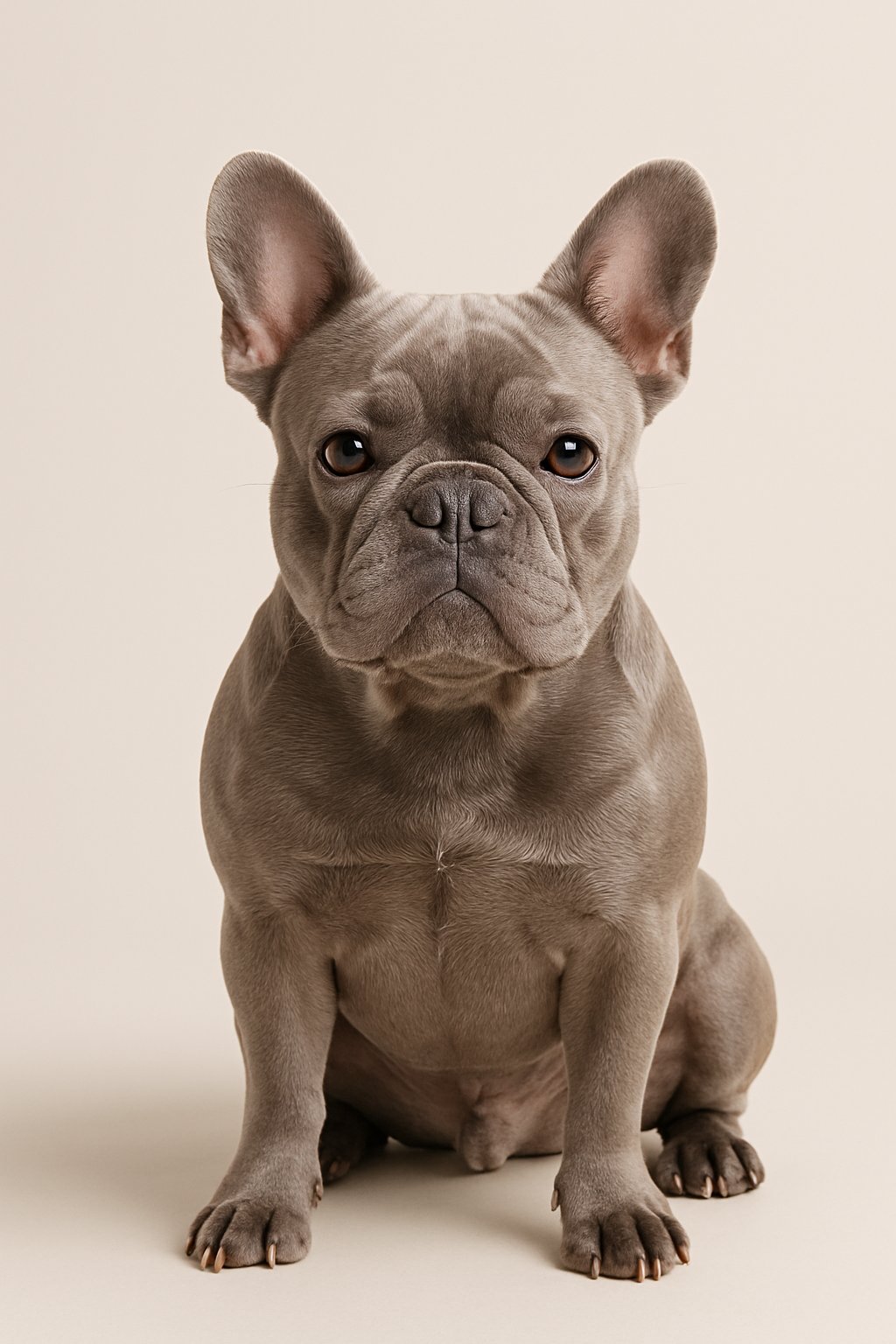
A full grown lilac French Bulldog shows a compact, muscular body with a soft, silver-lavender coat that sets it apart from standard French Bulldogs. Its physical build remains sturdy yet small, making it easy to manage as a household companion. The breed’s unique appearance results from genetics that lighten the traditional black and brown tones into a pastel lilac hue.
Typical Adult Size and Weight
An adult lilac French Bulldog usually stands 11 to 12 inches tall at the shoulder. Males tend to weigh between 20 and 28 pounds, while females often range from 16 to 25 pounds. Their short and broad frames give them a firm, athletic build despite the small size.
Their body proportions stay balanced, with a wide chest, short legs, and a square stance. This compact build gives them strength without sacrificing agility.
Even though they appear stocky, lilac Frenchies should maintain moderate muscle tone rather than excess weight, as obesity can worsen breathing or joint issues.
Regular light exercise—such as short walks or indoor play—helps keep their bodies strong and healthy without putting pressure on their joints.
Coat Characteristics and Color Changes
The lilac French Bulldog’s coat is short, fine, and smooth to the touch. Its most striking feature is the lilac coloration, a pale grayish-brown or silvery hue created by the dilution of both blue and chocolate genes. This mutation softens the coat’s pigment, giving it a cool-toned purple appearance.
The fur has a healthy sheen, especially under natural light, and it rarely sheds heavily compared to some other breeds. Puppies often show slightly darker coats that lighten as they mature.
Seasonal changes or sunlight exposure can subtly shift the tone between soft gray and silvery beige.
Regular brushing once or twice a week reduces shedding and keeps the coat clean and glossy. Mild dog shampoos preserve the coat’s natural oils, preventing dryness or dullness.
Physical and Facial Features
Full grown lilac French Bulldogs share the same distinctive build as standard French Bulldogs: a broad head, short muzzle, and “bat-like” ears that stand erect. Their heads appear square and large compared to their compact bodies, giving them a strong yet expressive look.
Their eyes often show blue, light gray, or green tones that contrast against the lilac coat. This combination gives them a calm, gentle expression.
The muzzle remains short and flat, a trademark of the breed, with a slightly wrinkled nose bridge that requires occasional cleaning to prevent irritation.
They have wide shoulders, a deep chest, and a straight back that leads to a short, sometimes screw-shaped tail. Each feature contributes to the balanced and recognizable French Bulldog appearance that makes lilac Frenchies both rare and visually appealing.
Health and Care Considerations
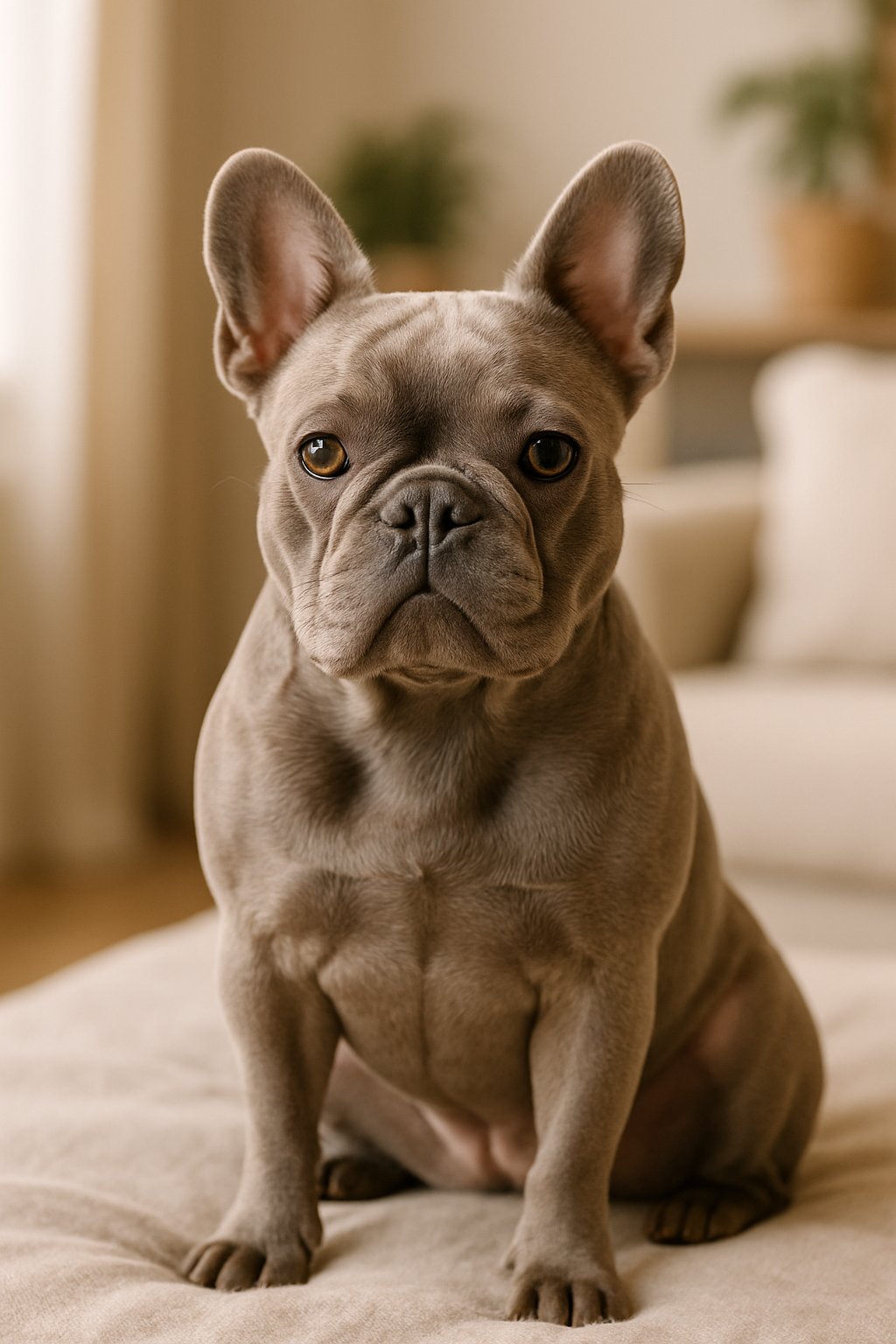
A full-grown lilac French Bulldog often faces unique challenges linked to its rare coat color and compact body shape. Responsible care focuses on skin and breathing health, balanced nutrition, and a regular grooming routine that keeps the dog comfortable and clean.
Common Health Issues in Lilac Frenchies
Like all French Bulldogs, the lilac variation can develop certain inherited and structural health problems. Respiratory difficulties, joint issues, and skin sensitivities are among the most common. Their short noses can make breathing harder, especially in warm weather or during heavy activity.
Owners should monitor for wheezing, fatigue, or overheating. Regular vet checkups help identify ear infections, allergies, and dental issues early. A moderate weight range between 20–28 pounds is ideal to reduce pressure on the spine and hips.
Use the table below as a quick reference for frequent health concerns:
| Health Issue | Typical Signs | Preventive Action |
|---|---|---|
| Breathing issues | Snoring, open-mouth breathing | Avoid heat, use harness not collar |
| Skin irritation | Redness, scratching | Clean folds, use hypoallergenic shampoo |
| Joint stiffness | Limping, reduced play | Maintain healthy weight, low-impact exercise |
Color Dilution Alopecia and Skin Sensitivity
The lilac coat results from two recessive genes that affect pigment. This can sometimes lead to Color Dilution Alopecia (CDA), a condition that causes hair thinning and patchy loss. It usually appears between six months and three years old.
Affected dogs may develop dry, fragile hair or flaky skin along the back. Mild itchiness can occur but pain is uncommon. While CDA cannot be cured, symptoms can be managed with proper care. Bathing with moisturizing, fragrance-free dog shampoos and using a vet-approved omega-3 supplement helps improve coat quality.
Owners should avoid harsh chemicals, frequent bathing, or exposure to direct sunlight for long periods. Consistent skin inspections help detect irritation before it worsens.
Brachycephalic Airway Obstruction Syndrome
The lilac French Bulldog’s short muzzle puts it at risk for Brachycephalic Airway Obstruction Syndrome (BAOS). This condition involves narrowed nostrils, an elongated soft palate, or smaller airways, which can restrict airflow.
Common symptoms include heavy snoring, noisy breathing, or collapse after exertion. Warm weather and stress make these signs worse. Owners should schedule airway evaluations with a veterinarian familiar with brachycephalic breeds.
Treatment may involve lifestyle changes such as limiting activity during hot weather or, in severe cases, surgical correction to open the airways. Proper weight control and gentle exercise can also reduce strain on the respiratory system.
Daily Care and Grooming
Routine care supports long-term health and comfort. Lilac Frenchies need weekly brushing with a soft-bristle or rubber grooming brush to remove loose hair and maintain shine. Wipe facial folds daily to prevent bacterial buildup and keep moisture away from sensitive areas.
Nail trimming every few weeks and ear cleaning using a gentle solution help avoid infections. Bathing once every month or two keeps the coat clean without drying the skin.
When grooming, owners should check for early signs of redness, bumps, or odor. Using dog-safe wipes and maintaining a regular grooming schedule are key parts of responsible French Bulldog care.
Rarity, Breeding, and Price Factors

The lilac French Bulldog’s uncommon coat color, limited breeding stock, and high-demand market make it one of the most expensive variations in the breed. Careful genetic selection and testing add to the difficulty and cost of bringing healthy lilac French Bulldog puppies to market.
Why Lilac French Bulldogs are Rare and Expensive
Lilac French Bulldogs are considered rare because their color comes from a double recessive gene combination. A dog must inherit both the dilute (d/d) and chocolate (co/co) genes to display the signature lavender-gray coat. Producing this genetic pairing requires precise matching of carriers, which reduces the pool of suitable breeding dogs.
Their rarity also raises demand among dog enthusiasts who value unusual coat colors. Limited availability often means long waiting lists for lilac Frenchie puppies. Because of this, lilac French Bulldog prices are typically higher than other French Bulldog colors. Buyers are also paying for the time, testing, and specialized breeding knowledge needed to produce healthy puppies with stable coloration.
Breeding Challenges and Reputable Sources
Breeding lilac French Bulldogs is complex. Breeders must run genetic tests on potential parents to confirm color genes and rule out hereditary conditions such as color dilution alopecia. Female Frenchies often require artificial insemination and C-section deliveries, which adds significant cost. These factors make small, carefully planned litters more common than large-scale operations.
Responsible breeders place priority on health and structure, not just color. They provide health certificates, veterinary records, and proof of genetic screening. Reputable sources rarely market puppies as “rare collectibles.” Instead, they educate buyers about maintenance, breathing issues, and realistic expectations for the breed. It’s best to verify credentials through local kennel clubs or French Bulldog associations before buying.
Price Range and What Influences Cost
The price of a lilac French Bulldog can vary widely based on quality, pedigree, and breeder reputation. Approximate averages are:
| Type | Estimated Price (USD) |
|---|---|
| Pet quality | $5,000–$8,000 |
| Show or breeding quality | $8,000–$15,000+ |
Costs often rise for dogs with rare coat variations like lilac and tan or lilac merle, or when the parents have champion bloodlines. Prices for lilac French Bulldog puppies also depend on factors like health screenings, location, and early training. Buyers should be cautious of unusually low prices, which may indicate poor breeding practices or lack of proper licensing.
Frequently Asked Questions
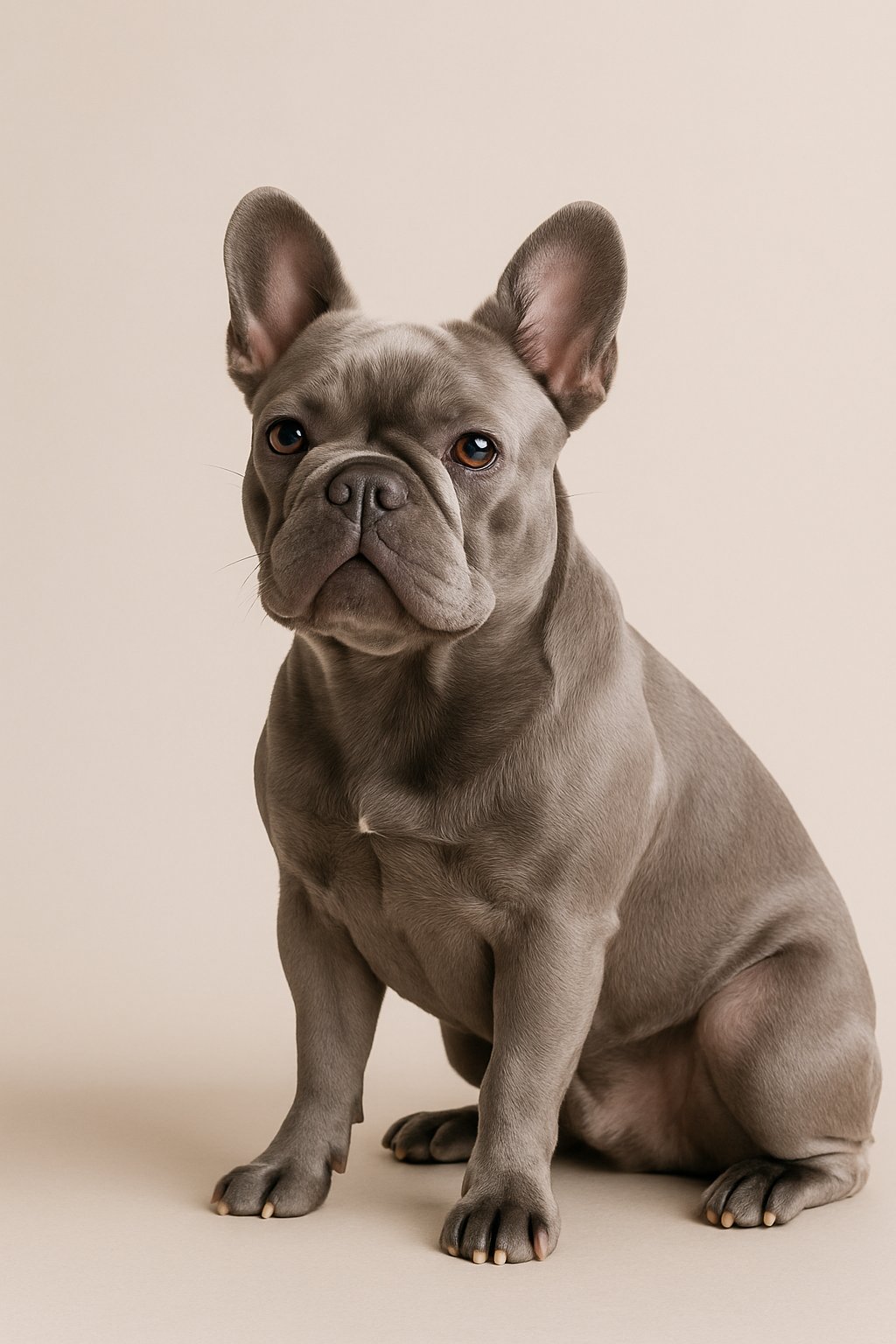
A full-grown lilac French Bulldog has distinct physical traits, clear health needs, and a recognizable lavender-gray coat. Proper care, diet, and grooming play a major role in keeping these dogs healthy and looking their best.
What is the typical size and weight of a full-grown lilac French Bulldog?
An adult lilac French Bulldog usually stands about 10 to 12 inches tall at the shoulder.
Males often weigh between 20 and 28 pounds, while females typically range from 16 to 24 pounds. These dogs keep the same compact and muscular build common to all French Bulldogs.
Are there any unique health concerns associated with lilac French Bulldogs?
Lilac French Bulldogs can face color-related skin and coat problems, such as color dilution alopecia. They also share standard Frenchie issues like breathing difficulties, joint strain, and heat sensitivity due to their short snouts and compact frames.
Responsible breeding and regular vet checkups help reduce these risks.
How does the coat color of a lilac French Bulldog differ from other French Bulldog colors?
The lilac coat shows a soft silver-gray tint with a faint purple or lavender hue. This tone forms through a mix of the blue (d/d) and chocolate (co/co) gene dilutions.
Unlike blue or fawn French Bulldogs, lilac Frenchies have lighter noses, paw pads, and sometimes pale blue or grayish eyes.
What is the expected lifespan of a lilac French Bulldog?
A healthy lilac French Bulldog typically lives around 10 to 12 years.
Lifespan can vary depending on genetics, diet, and access to preventive veterinary care. Keeping the dog at a steady weight and protecting it from temperature extremes supports longevity.
How can I ensure my lilac French Bulldog maintains a healthy weight throughout its adulthood?
Owners should feed a balanced, high-quality small-breed formula and control portion sizes.
Limiting treats, ensuring 20–30 minutes of light exercise daily, and avoiding overheating help keep them fit. Routine weight checks at home or during vet visits allow for early adjustments in feeding.
What are the grooming needs for a lilac French Bulldog’s coat?
Their short coat needs weekly brushing to remove shed hair and maintain a clean shine. Facial wrinkles should be gently wiped a few times a week to prevent irritation.
Regular nail trims, ear cleaning, and occasional baths with a mild dog shampoo complete basic grooming care.

![How Much Are Fluffy French Bulldogs [Solved]](https://onlyfrenchbulldog.com/wp-content/uploads/2024/06/how-much-are-fluffy-french-bulldogs-solved_3206-768x550.jpg)

![What Size Crate Does A French Bulldog Need [Discovered]](https://onlyfrenchbulldog.com/wp-content/uploads/2024/06/what-size-crate-does-a-french-bulldog-need-discovered_3133-768x550.jpg)