Why Do Dogs Like Stuffed Toys? The Real Reasons Explained

If your dog carries a stuffed animal everywhere, sleeps with it, or treats it like their most prized possession, you are not alone. Many dog owners find themselves puzzled — and honestly a little charmed — by this behavior. Why does your pup bond so deeply with something that has no smell, no taste, and no heartbeat?
The answer goes deeper than you might expect. It touches on instinct, comfort, play, and your dog’s emotional world. Understanding why dogs like stuffed toys can actually help you choose better toys, reduce anxiety in your dog, and strengthen your bond with them.
In this article, we break down the real science and behavior behind this habit, share what we have seen work in practice, and give you clear, actionable advice for every type of dog owner.
🛒 What Every Frenchie Owner Needs Right Now
Why Dogs Are Drawn to Stuffed Toys
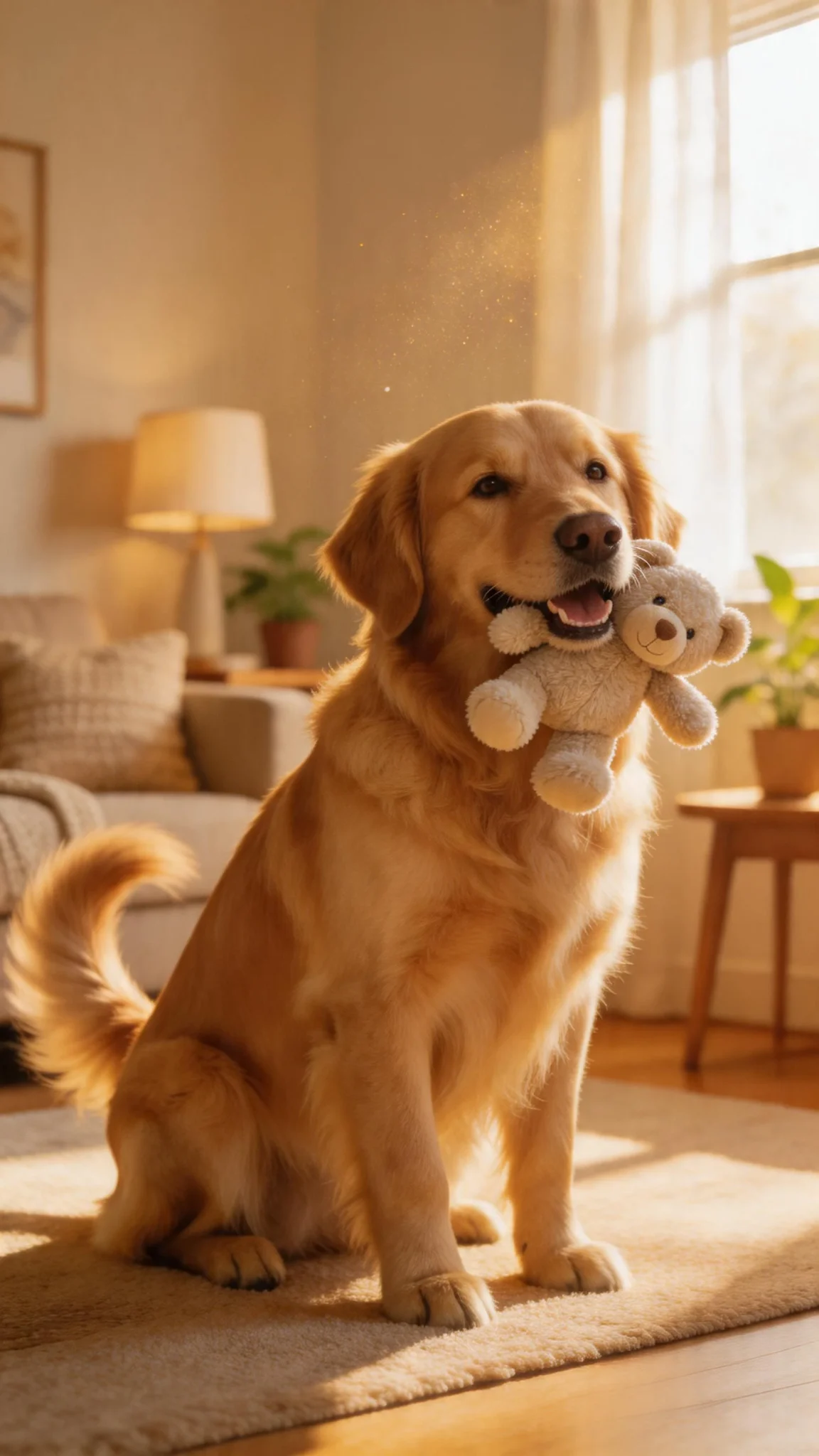
Dogs like stuffed toys because they tap into deep-rooted instincts around hunting, comfort, and play. A soft toy mimics prey in texture and size, satisfies the urge to carry and mouth objects, and can even serve as an emotional comfort object — much like a child’s stuffed animal.
- Prey drive: Stuffed toys feel and move like small animals, triggering natural hunting instincts.
- Comfort and security: Soft textures can reduce stress, especially in puppies or anxious dogs.
- Carrying instinct: Many dogs, especially retrievers, are bred to carry objects gently in their mouths.
- Social bonding: Dogs sometimes bring stuffed toys to greet their owners as a gift or sign of excitement.
- Teething and mouthing: Soft materials feel good on gums, especially in puppies between 3 and 6 months old.
- Boredom relief: A stuffed toy gives dogs something to do when they are left alone or need stimulation.
- Squeaker appeal: The squeak mimics the sound of prey, making the toy more exciting and rewarding.
If your dog has one favorite stuffed toy they never destroy, that is completely normal — and actually a sign of strong emotional attachment.
The Instinct Behind the Behavior
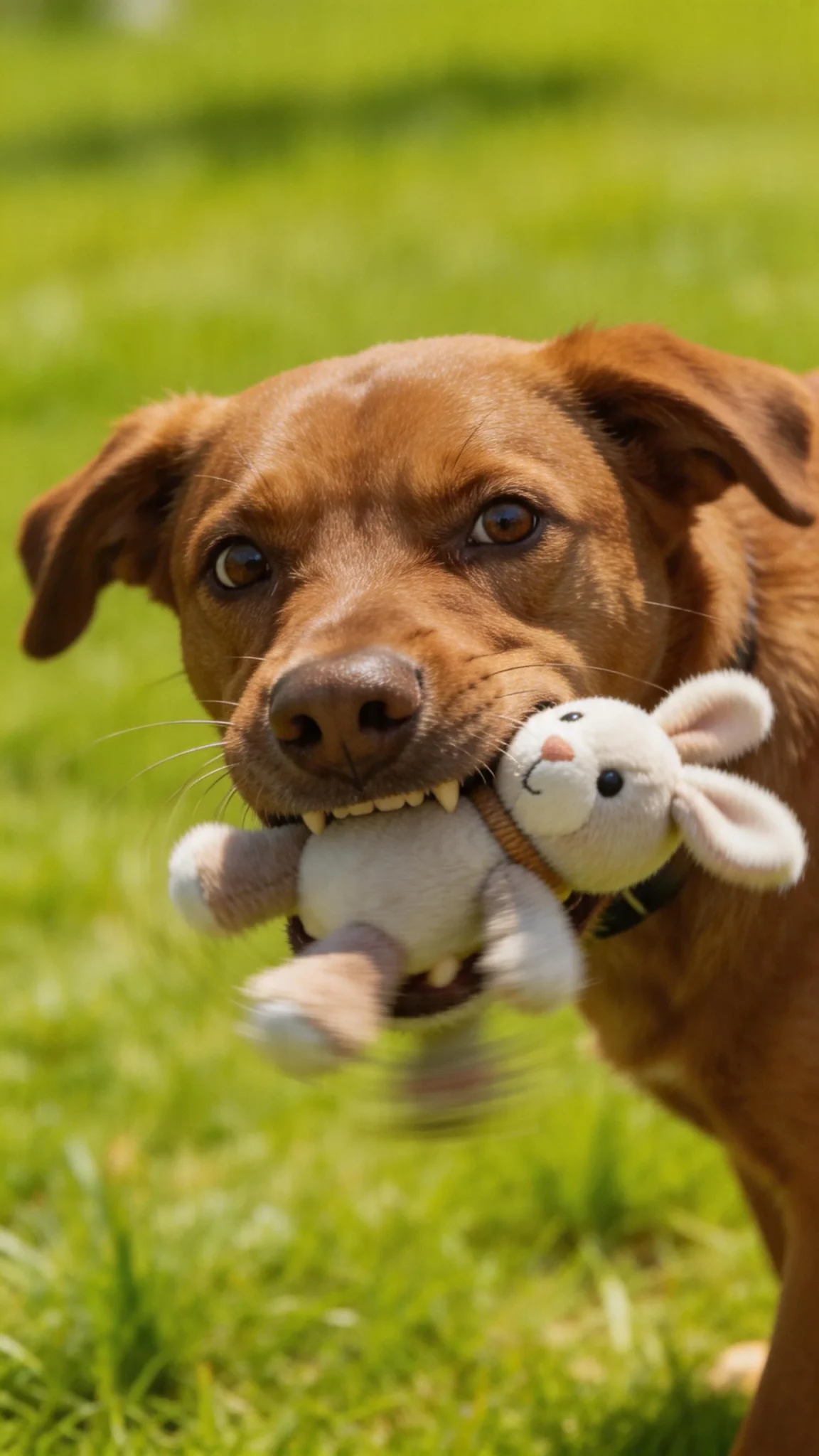
Dogs are descendants of wolves, and wolves are hunters. Even after thousands of years of domestication, many of those instincts remain hardwired. When your dog grabs a stuffed animal and shakes it, pounces on it, or carries it around, they are acting on ancient drives they were never fully bred out of.
Prey Drive and Soft Texture
The softness and give of a stuffed toy closely mimics the feel of small prey. Dogs with higher prey drives — like terriers, huskies, and beagles — often go straight for the squeaker inside, because that high-pitched noise is similar to what a small animal makes when caught. In our experience, dogs that are especially toy-motivated tend to be breeds historically used for hunting or herding.
🛒 Vets Use For Their Own Frenchies
A squeaky stuffed dog toy can channel this drive productively, giving your dog an outlet that is both safe and satisfying.
The Retriever Instinct
Labrador Retrievers, Golden Retrievers, and similar breeds were specifically developed to carry game birds without damaging them. This means they have a strong, gentle mouthing instinct. For these dogs, holding a stuffed animal is almost as natural as breathing. Many of our readers tell us their Labs will carry a toy to greet every single guest who walks through the door — not out of aggression, but out of sheer joy and the need to have something in their mouth.
Stuffed Toys as Comfort Objects
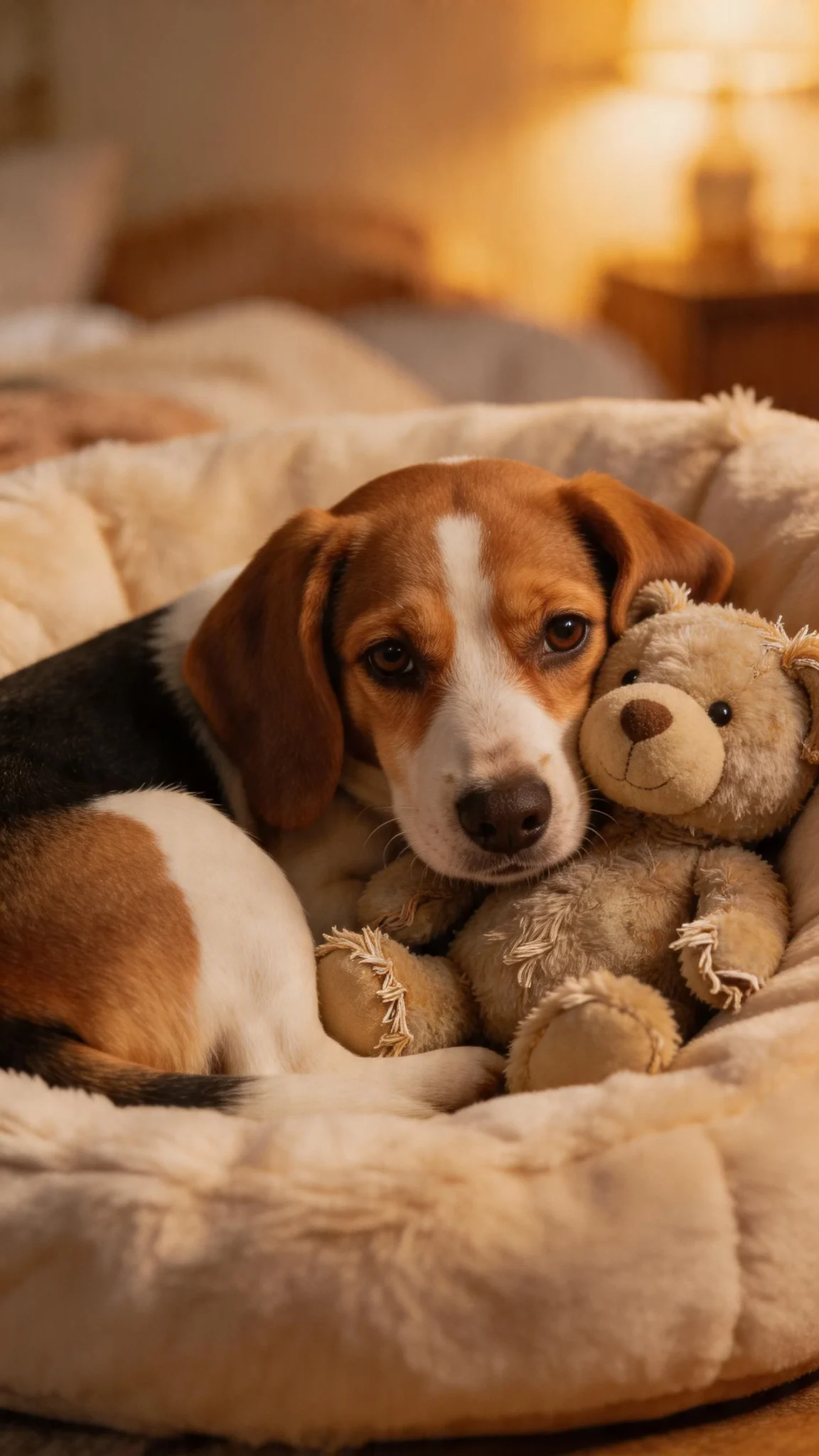
Just like children develop attachments to certain blankets or plush animals, dogs can form genuine emotional bonds with stuffed toys. This is especially common in dogs that experience separation anxiety, dogs that were weaned too early, or dogs adjusting to a new home.
How Comfort Objects Reduce Stress
When a dog is anxious — during thunderstorms, fireworks, or time alone — having a familiar soft toy can lower their stress response. The familiar scent and texture provide a sense of security. What we have found works best is placing the stuffed toy near your dog’s sleeping area so it carries your scent or a familiar smell.
If your dog struggles with anxiety-related scratching or skin irritation from stress behaviors, it is worth reading about how to stop dogs from scratching ears raw, since chronic stress can trigger this in some dogs.
Puppies and Early Attachment
Puppies that are separated from their litter before 8 weeks often develop strong attachments to soft objects that replicate the warmth and softness of littermates. If you have a young puppy who snuggles, nurses on, or kneads their stuffed toy, this is rooted in that early developmental need. A heartbeat stuffed toy for puppies can be especially helpful in those first weeks at home.
Play, Stimulation, and Entertainment
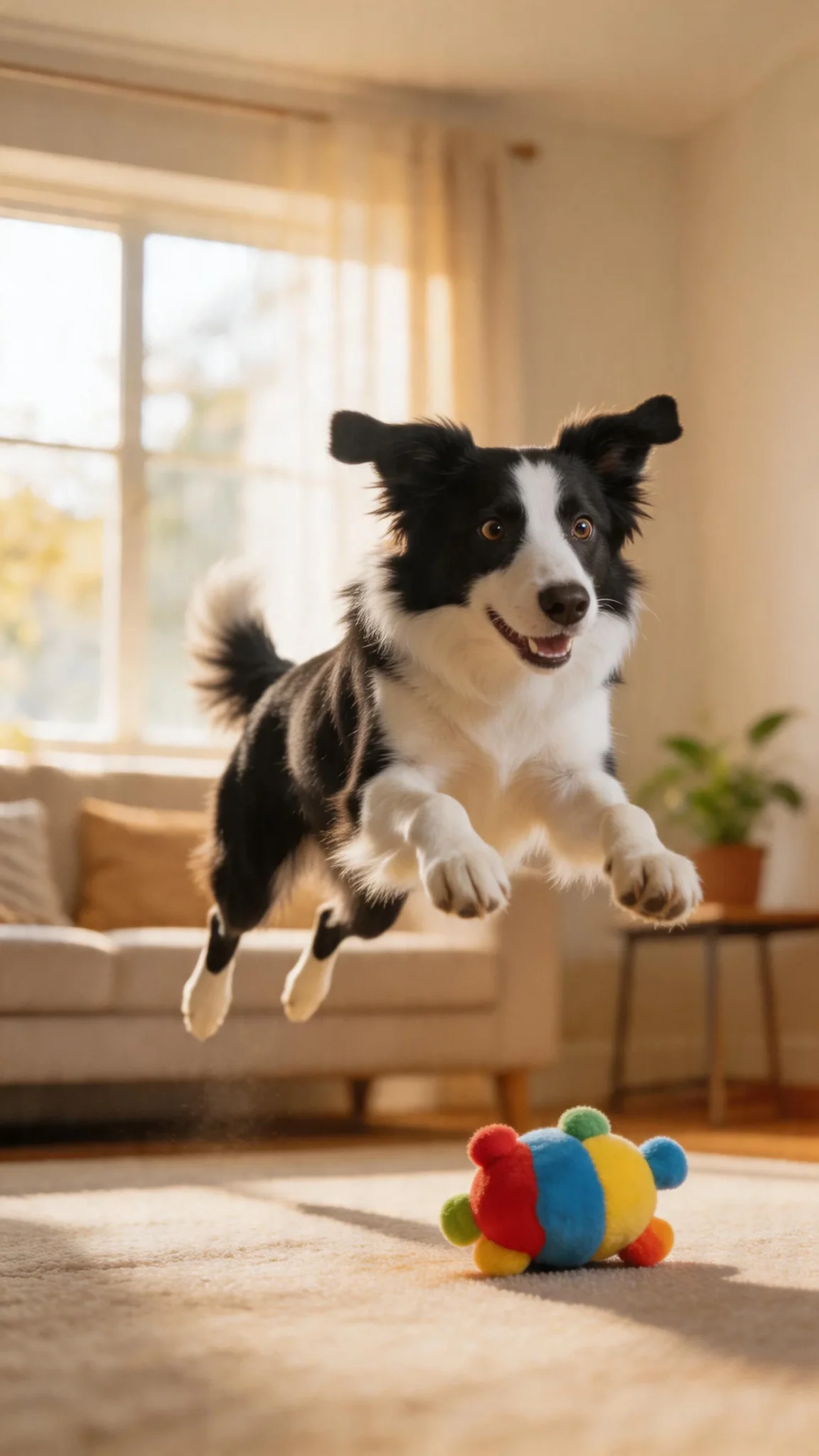
Beyond instinct and comfort, stuffed toys are simply fun. Play is one of the most important parts of a dog’s mental and physical health. Dogs that do not get enough stimulation often develop destructive behaviors like chewing furniture, excessive barking, or restlessness.
Interactive vs. Solo Play
Some dogs use stuffed toys during interactive play with you — fetch, tug, or chase. Others prefer to play independently, tossing the toy in the air and pouncing on it alone. Both are healthy. Solo play with a stuffed animal actually shows confidence and good self-entertainment skills.
Real-world scenario: A French Bulldog owner we spoke with noticed her dog, Biscuit, would spend 20 minutes each afternoon carrying his stuffed duck around the living room, narrating the journey with little grunts. Once she started rotating his toy selection every few days, he became even more engaged, and his afternoon zoomies decreased noticeably.
Rotating toys every 3 to 5 days keeps them feeling new and exciting to your dog. Try keeping 3 to 4 plush dog toy variety packs on hand so you can swap them out regularly.
How to Choose the Right Stuffed Toy for Your Dog
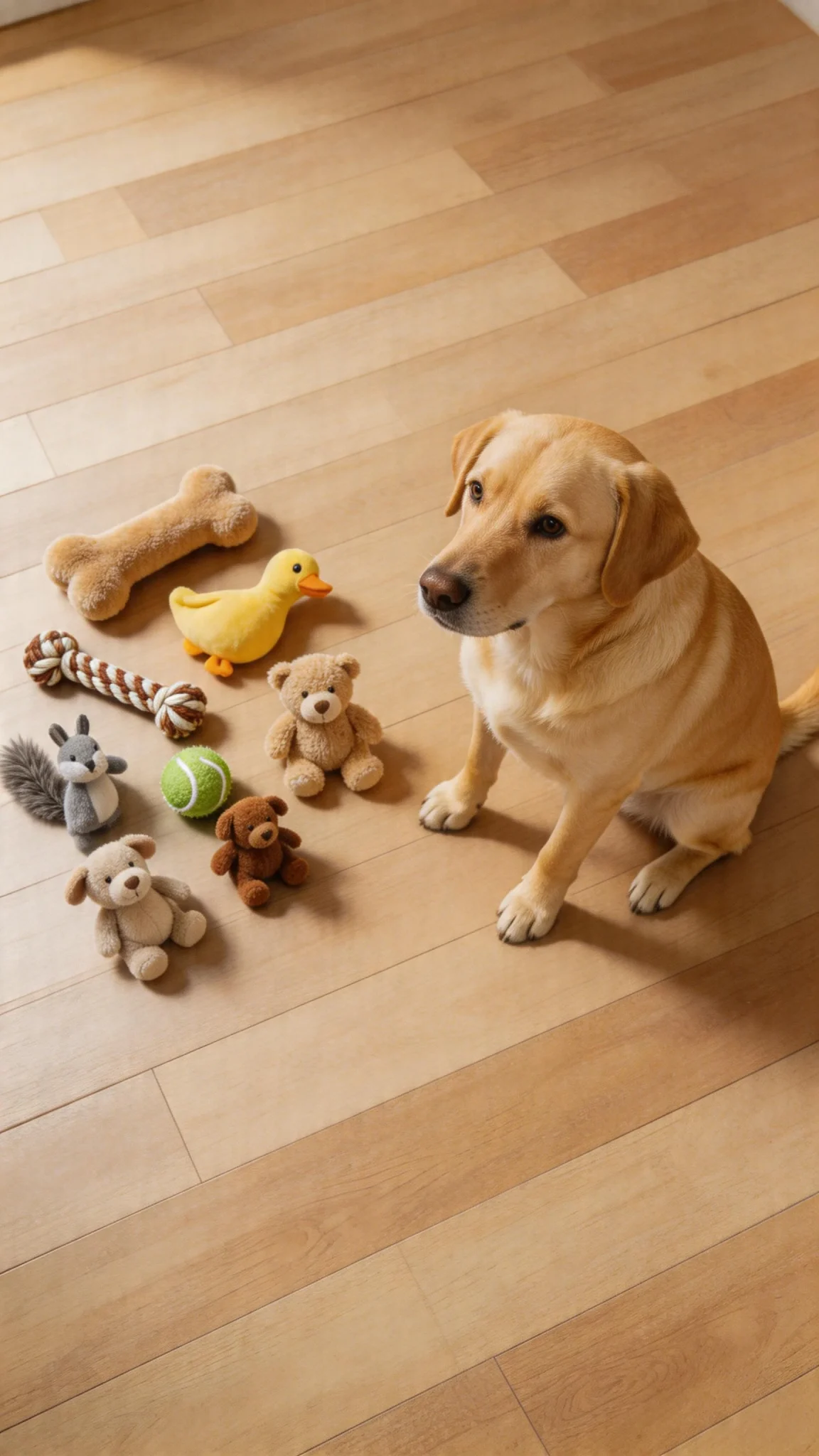
Not every stuffed toy is safe or appropriate for every dog. Choosing the wrong one can lead to swallowed stuffing, choking on plastic eyes, or destroyed toys in under five minutes.
Match the Toy to the Dog’s Size and Chew Style
- Gentle chewers: Standard plush toys work well. Look for reinforced seams.
- Moderate chewers: Choose toys labeled as durable or double-stitched.
- Power chewers: Look for stuffing-free stuffed toys or those made with tougher canvas material.
- Small dogs: Avoid toys with small removable parts like button eyes or plastic noses.
- Large dogs: Make sure the toy is large enough that it cannot be fully swallowed.
A durable stuffed toy for heavy chewers can last weeks longer than a standard plush and is much safer for dogs who like to gut their toys immediately.
Watch for These Safety Red Flags
- Loose stuffing coming out after the first chew session
- Small plastic pieces like eyes, buttons, or zippers that can be swallowed
- Toys with wire frames inside
- Toys treated with dyes or chemicals not tested for pet safety
Always supervise a dog with a new toy until you know their chewing style. If your dog tends to eat fabric or stuffing, opt for stuffing-free alternatives or puzzle toys instead.
🛒 Frenchie Owners Are Grabbing These Too
When Stuffed Toy Behavior Becomes a Concern
In most cases, loving a stuffed toy is completely harmless. But there are a few situations worth paying attention to.
Obsessive Guarding
If your dog growls, snaps, or shows aggression when you approach their stuffed toy, that is resource guarding. This can escalate over time and should be addressed with positive reinforcement training early. About 20% of dogs show some level of resource guarding, according to animal behaviorists — and it is more common in dogs with a history of food or toy competition.
Humping the Stuffed Toy
This is more common than people expect and is not always a sexual behavior. It can be a sign of excitement, stress relief, or just habit. In intact dogs, it is more hormonally driven. Spaying or neutering often reduces this, though not always completely.
If you notice unusual behavior changes in your dog alongside this habit — especially in female dogs — it may be worth learning about what changes to expect during a dog’s first heat cycle, since hormonal shifts can influence play behavior.
Destroying Every Toy Immediately
If your dog destroys every stuffed toy in minutes, it is not a character flaw — it just means their prey drive is very high. Switch to indestructible stuffed dog toys or canvas versions, and redirect the gutting behavior into enrichment toys filled with treats.
Expert Insights on Dogs and Stuffed Toys
Animal behaviorist and author Dr. Patricia McConnell has noted that the bond between dogs and soft objects is often tied to early socialization experiences and the individual dog’s personality. Dogs that are more emotionally sensitive or stimulus-seeking tend to form stronger attachments to comfort objects.
What we have found works best, especially for anxious or newly adopted dogs, is introducing one consistent stuffed toy early and keeping it associated with calm, positive experiences. Avoid using it as a reward during high-energy play if you want it to serve as a comfort object — the two functions work better when kept separate.
One data point worth noting: a survey by the American Pet Products Association found that over 67% of U.S. households own a pet, and toys — including plush options — rank among the top three most purchased pet products annually. That tells you just how universal this dog-toy love really is.
Keeping your dog healthy and mentally stimulated goes hand in hand. If you ever notice your dog scratching or developing skin irritation after playing with certain materials, it may be worth exploring treatment options — our article on Cytopoint vs. Apoquel for dogs covers what vets typically recommend for allergic reactions.
Frequently Asked Questions About Why Do Dogs Like Stuffed Toys
Why Does My Dog Carry a Stuffed Toy When I Come Home?
This is a greeting behavior rooted in excitement and the retrieval instinct. Your dog wants to share their joy with you and having something in their mouth helps them manage the overwhelming excitement of your return. It is one of the sweetest dog behaviors there is.
Is It Normal for a Dog to Sleep With a Stuffed Toy Every Night?
Completely normal. Many dogs use a stuffed animal as a comfort object during sleep, especially if they sleep alone. It provides warmth, familiarity, and a sense of security. As long as the toy is safe and not being chewed apart overnight, there is no reason to remove it.
Why Does My Dog Destroy Every Stuffed Toy Immediately?
High prey drive is usually the reason. The dog is following through on their instinct to “kill” the prey and find what is inside. Switching to no-stuffing or canvas toys helps, as does redirecting to tougher chew toys that satisfy that same drive without falling apart.
Should I Be Worried If My Dog Nurses on a Stuffed Toy?
Nursing or suckling on soft toys is most common in dogs weaned too early. It is generally a self-soothing behavior and harmless unless the dog is consuming fabric. Watch to make sure no material is being swallowed, and consult your vet if the behavior is compulsive or increasing over time.
Can a Stuffed Toy Help With My Dog’s Separation Anxiety?
Yes, it can help, especially when the toy carries your scent. Place a worn t-shirt around the toy before you leave, or keep the toy near your side of the couch. It will not solve severe separation anxiety on its own, but it is a solid part of a broader calming routine.
What Size Stuffed Toy Is Best for My Dog?
A good rule of thumb is to choose a toy roughly the size of your dog’s head. Too small, and it becomes a choking risk. Too large, and the dog cannot carry or play with it comfortably. Always check that there are no small parts that can be chewed off and swallowed.
The Bottom Line on Dogs and Their Stuffed Toys
Your dog’s love for stuffed toys is not random — it is rooted in instinct, emotion, and play. Whether they are acting on their prey drive, seeking comfort, or simply entertaining themselves, stuffed toys meet real psychological needs. Understanding this helps you make smarter choices about which toys to buy, when to intervene, and how to use toys as tools for your dog’s overall wellbeing.
Today, try rotating one new soft plush toy with a squeaker into your dog’s collection and watch how they respond. Sometimes the smallest changes bring out the most joy in your dog — and that joy is completely worth it. And if you ever notice any unusual health changes tied to your dog’s behavior, our guide on corn chip smell in dogs is a good reminder that your dog’s habits can sometimes signal something worth checking out.