
Best Natural Oils For Dog Skin And Ears

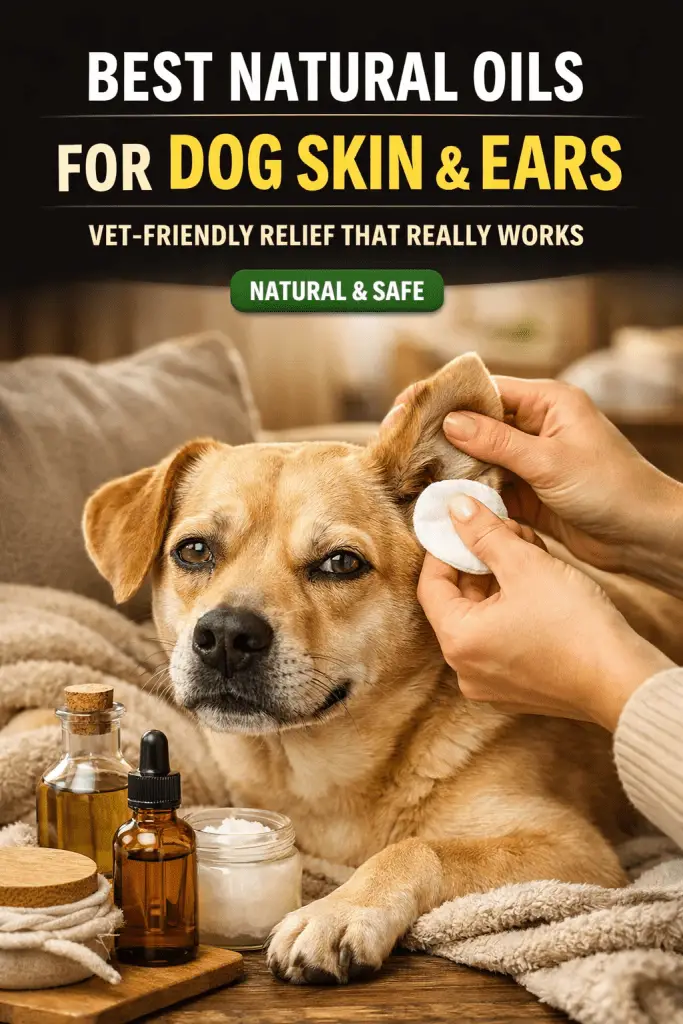
If your dog has been scratching, licking, rubbing their face on the carpet, or shaking their head like something is “stuck,” I know how stressful that feels. You’re trying to help, but you don’t want to make things worse—especially when it’s their skin and their ears acting up at the same time.
In my experience, a lot of dog parents end up here after trying “one more shampoo,” “one more diet change,” or a random home remedy from the internet. I’ve found that oils can be genuinely helpful—but only when you use the right oil, in the right place, in the right way.
So that’s what we’re doing here: simple, safe, practical guidance you can actually follow. You’ll learn which natural oils are worth considering, which ones are risky (especially for ears), how to patch test, and when it’s time to stop DIY and call your vet.
Best natural oils for dog skin and ears (quick, vet-safe answer)
The best natural oils for dog skin are typically cold-pressed, food-grade oils that support the skin barrier and calm dryness. For ears, oils are much trickier—because many ear problems are caused by yeast, bacteria, mites, allergies, or a damaged eardrum, and adding oil can trap moisture and worsen infections.
Here’s the practical, safe approach:
- For dry, flaky skin: try fractionated coconut oil (topical) or olive oil (tiny amounts topical) on small areas first.
- For itchy, allergy-prone skin: consider omega-3 fish oil (oral) to support skin from the inside.
- For hot spots or oozing skin: skip oils (they can seal in heat/moisture) and use vet guidance.
- For ears with odor, discharge, redness, or pain: don’t put oils in the canal—get an exam first (ear infections are very common).
- Always patch test any topical oil for 24 hours before wider use.
- Use tiny amounts—more oil is not “more healing.”
- If symptoms last more than 48–72 hours, or your dog seems miserable, book a vet visit.
Why dogs get skin and ear problems together
This combo is super common, and it’s usually not random.
The “shared root causes”
- Allergies (environmental or food): often show up as itchy skin and recurring ear issues.
- Yeast overgrowth: ears and skin folds can both flare.
- Moisture + friction: skin folds, paws, and ears become a perfect storm.
- Overbathing or harsh products: strip natural oils and weaken the skin barrier.
One helpful stat for perspective: canine atopic dermatitis (an allergy-related skin condition) is often estimated around 10–15% prevalence in dogs in some veterinary literature. (Frontiers)
And ear problems aren’t rare either—some veterinary-industry summaries note that up to 1 in 7 dogs seen in practice may experience otitis externa at some point. (MSD Animal Health)
So if you’re thinking, “Why is this happening again?”—you’re not alone.
Before you use any oil: a quick safety check
I think this is the part most blogs skip, but it matters.
Do NOT use oils (skin or ears) if you see:
- Open, weeping sores or “wet” hot spots
- Pus, bleeding, or a bad smell
- Intense redness, swelling, or heat
- Your dog cries when you touch the ear
- Head tilt, balance issues, or constant head shaking
- Black/brown discharge that’s thick and sticky
For ears specifically: many ear infections need the right medication for the right organism, and dogs also need an exam to ensure the eardrum is intact.
If you’re unsure, pause and get guidance—it can save you a lot of money and your dog a lot of discomfort.
The best natural oils for dog skin (what I’d actually use first)
1) Fractionated coconut oil (topical, skin only)
Best for: mild dryness, flaky patches, irritation from winter air, light itching
Why it helps: it’s lightweight, spreads easily, and can soften flaky skin.
How to use (simple):
- Start with a patch test on a small spot.
- Rub 2–4 drops between your hands.
- Massage lightly into the area (don’t saturate the coat).
- Use once daily for 3–5 days, then reassess.
Avoid if: the area is moist, oozing, or clearly infected.
Note: Coconut oil is popular, but it’s not a cure-all—especially not for infections (more on ears below).
2) Extra virgin olive oil (topical, tiny amounts)
Best for: very dry skin, mild flaking
Why it helps: it can moisturize and reduce tight, dry feel.
How to use:
- Use a drop or two, not a tablespoon.
- Focus on small areas (elbows, dry patches), not the whole dog.
- If your dog looks greasy, you used too much—wipe excess with a soft cloth.
Avoid if: your dog gets clogged pores easily, has acne-prone areas (like chin), or has oily seborrhea.
3) Jojoba oil (topical, sensitive-skin option)
Best for: dogs that react to heavier oils
Why it helps: it’s waxy and closer to natural skin oils, so many dogs tolerate it well.
How to use:
- Patch test first.
- Apply a thin layer to dry, irritated spots.
- Great for nose leather and dry paw edges, too.
4) Rosehip seed oil (topical, “skin barrier” support)
Best for: dull, irritated skin that needs barrier support
Why it helps: often used in skincare for barrier support and soothing (use cautiously and sparingly on dogs).
How to use:
- Mix 1–2 drops into a tablespoon of a carrier oil (like olive oil) for extra gentleness.
- Apply to small areas only.
The best “oil” for chronic itch is often not topical: omega-3 fish oil (oral)
If your dog has recurring itchiness, allergy flares, or dry skin that keeps coming back, I’ve found that topical oils help some, but omega-3s help more because they support skin from the inside.
Best for: allergy itch, dry coat, skin barrier support
What to look for:
- Clear labeling of EPA + DHA
- Third-party tested (if possible)
- Dog-specific dosing instructions
Simple dosing tip: start low for a week (to avoid loose stool), then increase to the label dose.
If your Frenchie struggles with allergy-type itch cycles, you might also like this roundup of options in our guide to allergy medicine and itch relief picks for French Bulldogs (useful for comparing approaches, not just “one miracle fix”).
What about oils for dog ears? Here’s the honest, safe answer.
This is where I’m going to be a little “protective friend” with you.
Ears are not the same as skin
The ear canal is a warm, enclosed space. When there’s inflammation or infection, adding oils can trap moisture, feed yeast, and make it harder for the ear to “air out.”
The Merck Veterinary Manual also warns against irritating home treatments in inflamed ears.
When oil is sometimes okay near ears
- Dry, flaky skin on the ear flap (pinna), not inside the canal
- Mild irritation from dryness (no odor, no discharge, no pain)
How to use safely:
- Put a tiny amount on your fingertips.
- Apply only to the outer flap.
- Keep it out of the canal.
When oil is NOT okay for ears
- Smell, discharge, redness, head shaking, pain, swelling
- “Coffee ground” debris (possible mites)
- Recurrent infections (needs a plan, not a random remedy)
VCA notes that multiple bacteria and fungi can cause ear infections, and the correct treatment depends on what’s actually there (and whether the eardrum is intact).
If you want a safer at-home “first step,” consider proper ear cleaning products designed for dogs instead of oils. For example, here’s a helpful comparison post on ear cleaner options for French Bulldog puppies that can help you pick a gentler routine.
Step-by-step: how to use natural oils on dog skin (without making a mess)
Step 1: Patch test (please don’t skip this)
- Apply a tiny amount to a small area.
- Wait 24 hours.
- If you see increased redness, bumps, or itching—stop.
Step 2: Use “less than you think”
- Start with 2–4 drops for a small patch.
- You can always add more later, but you can’t “un-grease” a dog easily.
Step 3: Apply to skin, not fur
Part the coat and massage gently into the skin.
Step 4: Track results for 3–5 days
Ask:
- Is itching down?
- Is redness calmer?
- Is the skin less flaky?
If there’s no improvement, it’s a sign you may be dealing with allergies, infection, parasites, or a product reaction—not “lack of oil.”
Common mistakes that make skin/ears worse (even with “natural” care)
- Oiling hot spots: can seal in heat and moisture.
- Putting oils into the ear canal: can trap debris and worsen yeast/bacteria issues.
- Using essential oils on dogs: many are unsafe, and concentration is unpredictable.
- Overbathing: strips the barrier and creates rebound dryness.
- Ignoring diet + omega-3s: topical care alone doesn’t fix internal inflammation.
If you’re also trying shampoos, choose gentle, allergy-friendly formulas. This guide on soothing shampoos for French Bulldogs with skin allergies can help you compare ingredients like oatmeal and aloe (which are often better tolerated than heavily fragranced products).
A simple checklist you can follow today
- ☐ Check for red flags (odor, discharge, pain, open sores)
- ☐ Choose one oil to test first (don’t mix 3 at once)
- ☐ Patch test for 24 hours
- ☐ Use a tiny amount and apply to skin (not fur)
- ☐ Keep oils out of the ear canal
- ☐ Add omega-3 support if itching is recurring
- ☐ If no improvement in 48–72 hours (or symptoms worsen), call your vet
When to see a professional (and why it’s not “overreacting”)
Please don’t feel bad about going to the vet for skin and ear issues. Ear disease especially can snowball fast.
Go in sooner if:
- Your dog seems painful, lethargic, or stops eating
- There’s swelling, bleeding, or heavy discharge
- Head shaking is intense or nonstop
- The problem keeps returning every few weeks
Ear infections are common, and delaying treatment can lead to deeper inflammation and more stubborn cases.
FAQ: Best Natural Oils For Dog Skin And Ears
1) Can I put coconut oil in my dog’s ears?
If there are any signs of infection (odor, discharge, redness, head shaking), it’s best to avoid oils in the ear canal and get an exam. Many ear issues require targeted treatment.
2) What’s the best natural oil for dog itchy skin?
For mild dryness, fractionated coconut oil can help topically. For recurring itch, I’ve found omega-3 fish oil orally is often more effective because it supports the skin barrier from the inside.
3) How often can I apply oil to my dog’s skin?
Usually once daily for 3–5 days is plenty for a test run. If it helps, you can move to 2–3 times per week. If your dog gets greasy or itchy, reduce or stop.
4) Are essential oils safe for dogs?
Many essential oils can be risky for dogs—especially around the face, paws, and anywhere they can lick. If you’re set on using anything scented, I’d talk to your vet first.
5) What if my dog’s ears smell like yeast?
That’s a strong clue you may be dealing with yeast or bacterial imbalance, and you’ll want proper diagnosis and treatment. VCA notes ear infections can involve different organisms, which affects what medication works.
6) My dog’s skin and ears flare up together—does that mean allergies?
Often, yes. Skin + ear issues together commonly point toward allergies or chronic inflammation patterns. If this is happening repeatedly, consider a vet-guided allergy plan (and supportive basics like omega-3s).
Conclusion
If you’ve been worried, tired, or just overwhelmed trying to help your dog feel normal again—take a breath. You’re doing the right thing by looking for safer options.
Natural oils can absolutely support dry, irritated skin, especially when you patch test, use tiny amounts, and stay consistent. But when it comes to ears, the safest mindset is: treat the ear canal like a “no-DIY zone” unless you’re 100% sure it’s just dry skin on the outer flap.
If you want an easy next step: pick one skin-safe oil to patch test, add omega-3 support if itching is recurring, and use gentle hygiene products instead of home remedies for ears. And if anything looks infected or painful, let your vet be the hero—your dog will feel relief faster.