How to Prepare Your Dog for Rehoming: Peace of Mind Steps

Deciding to rehome your dog is one of the hardest choices you may ever face, and preparing your dog for rehoming the right way can make all the difference. Whether your circumstances changed suddenly or you have been thinking about this for months, your dog deserves a smooth, loving transition.
A poorly handled rehoming can leave dogs anxious, confused, and harder to place in a new home. Getting this process right protects your dog’s emotional health and gives the next family a much better start.
This article walks you through every practical step — from health records to emotional preparation — so you can feel confident your dog is ready for their next chapter.
🛒 What Every Frenchie Owner Needs Right Now
What You Need to Do to Prepare Your Dog for Rehoming
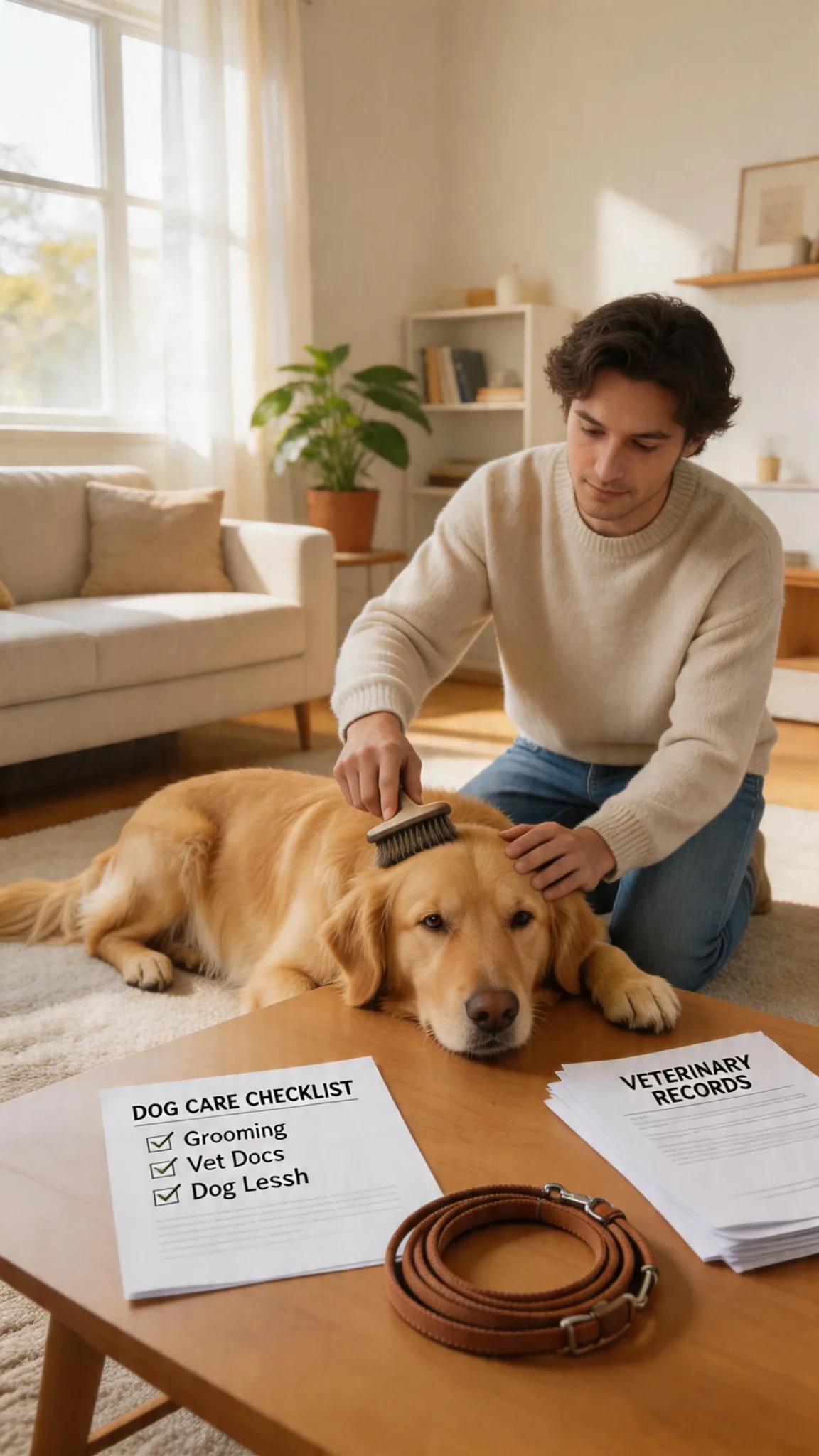
Preparing your dog for rehoming means getting their health, behavior, and paperwork in order before they ever meet a potential adopter. Start early and work through each area systematically.
- Schedule a full vet checkup and update all vaccinations
- Gather all medical records, vet contacts, and medication history
- Write down your dog’s daily routine, diet, and preferences
- Work on basic obedience commands to boost adoptability
- Socialize your dog with new people and environments
- Take high-quality photos and write an honest bio
- Screen potential adopters carefully before any handover
Start With a Complete Veterinary Health Check
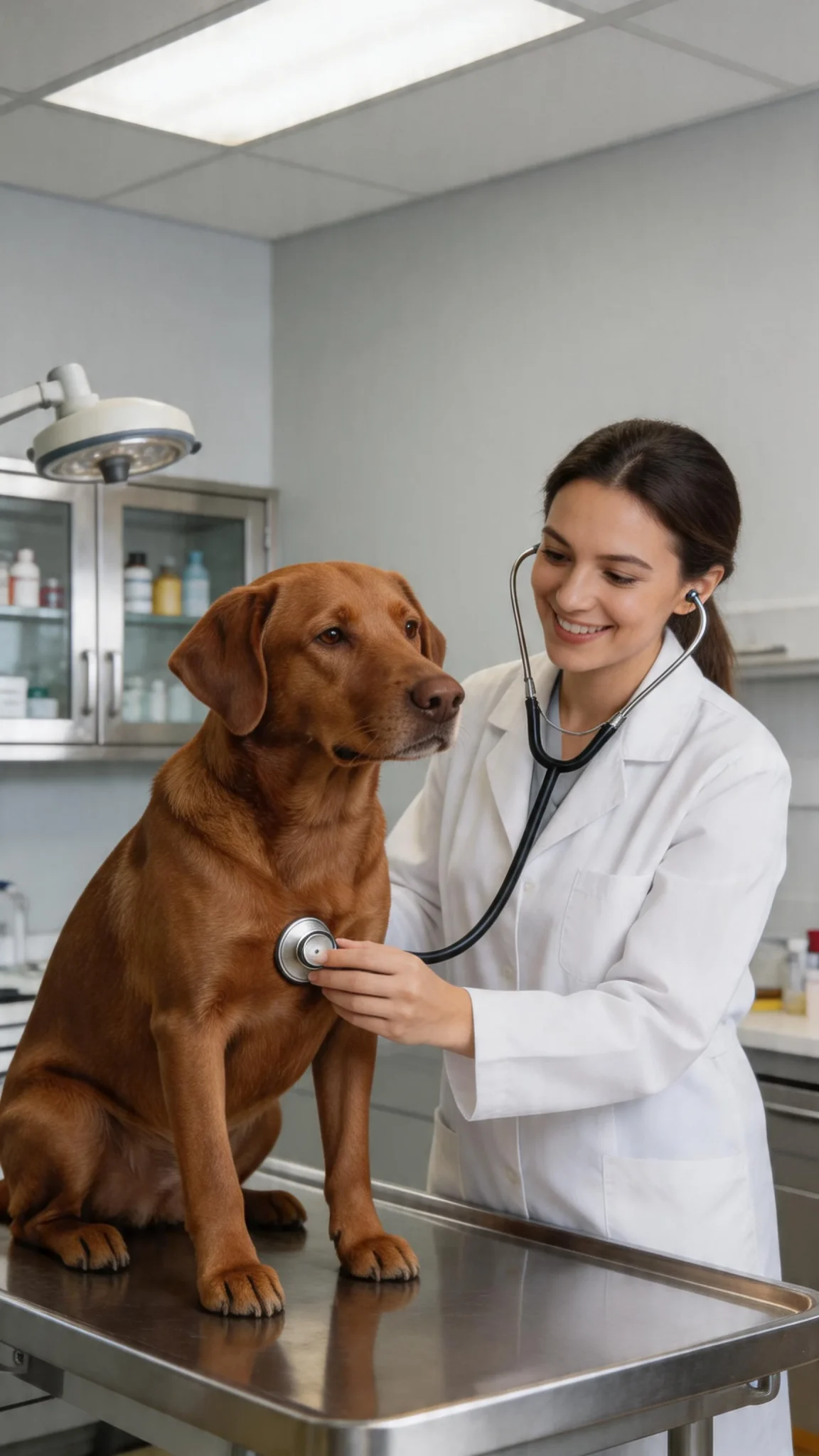
Before anything else, book your dog a full wellness exam with your vet. A clean bill of health makes your dog far more attractive to responsible adopters and removes any uncertainty about hidden medical issues.
Ask your vet to check for parasites, update core vaccines, and confirm your dog is spayed or neutered if applicable. Understanding when you should not spay your dog matters here if your dog is older or has health complications.
Collect every piece of documentation your vet has on file — vaccination records, previous diagnoses, allergy notes, and prescription history. A new owner walking in with a complete folder builds trust immediately.
🛒 Vets Use For Their Own Frenchies
Watch for Hidden Health Issues
Dogs sometimes mask discomfort so well that owners miss real problems until a vet spots them. Familiarize yourself with the silent signs your dog is in pain before the handover so you can report anything accurately.
In our experience, adopters who receive honest health disclosures are far more committed to their new dog long-term. Hiding a condition only creates problems — and heartbreak — for everyone involved.
One reader named Sarah disclosed her 6-year-old Beagle’s seasonal allergies upfront and provided a written care plan. The adopting family said that honesty was the main reason they chose her dog over three others.
Brush Up on Basic Training and Socialization
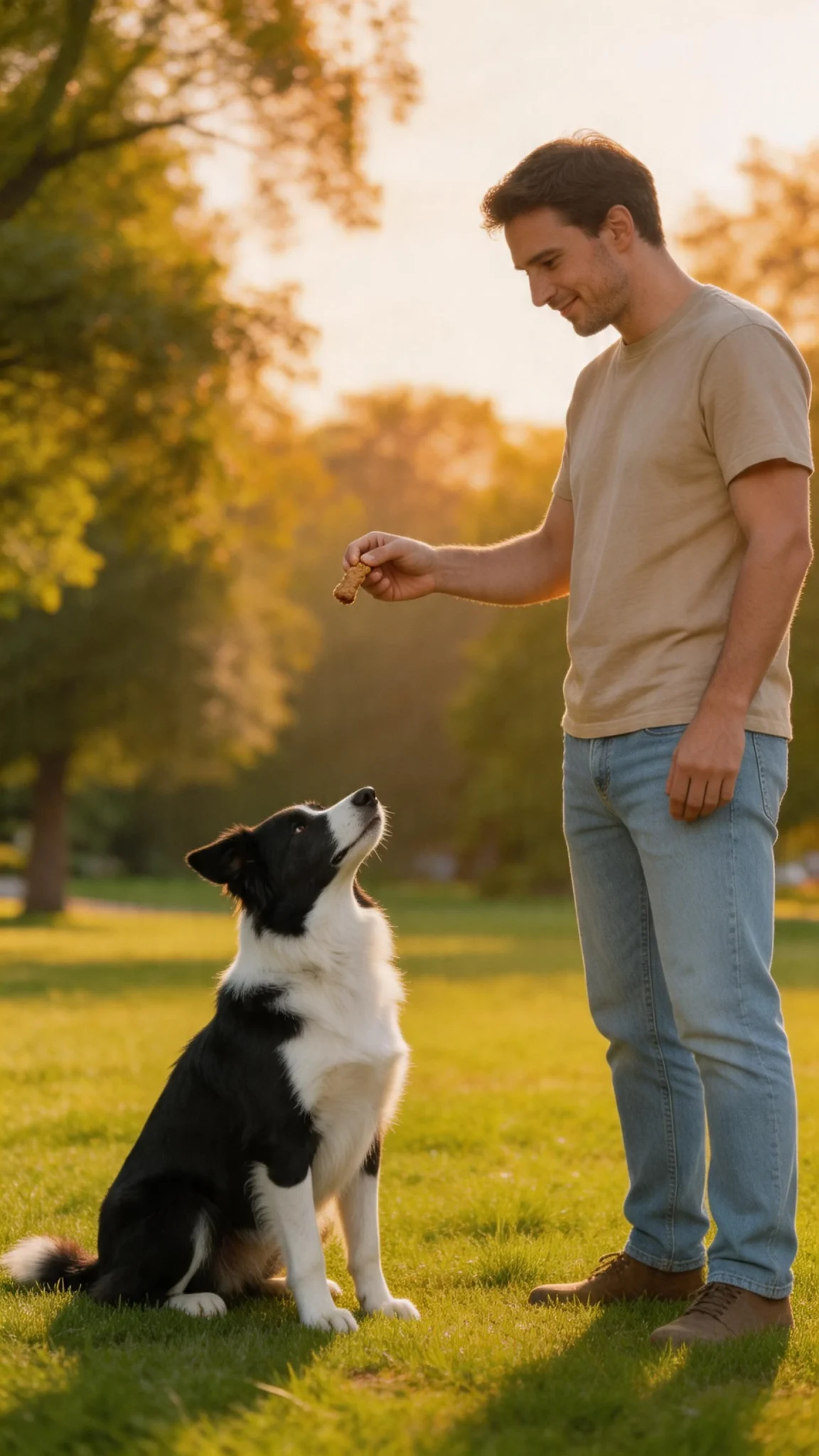
A dog with solid basic manners is dramatically easier to rehome than one without any structure. Spend at least two to three weeks reinforcing sit, stay, come, and leash walking before you begin showing your dog to potential adopters.
Socialization matters just as much as obedience. Introduce your dog to unfamiliar adults, children, and other dogs in controlled settings so they arrive at their new home adaptable and confident.
Building on what we covered about health, a dog that is physically healthy but behaviorally unprepared still faces a tough placement process. Many of our readers tell us that two weeks of focused daily training made their dog noticeably calmer during meet-and-greets.
Enrichment Tools That Help During the Transition
Mental stimulation helps dogs stay calm and focused during stressful transitions. A dog snuffle mat is a simple, low-cost enrichment tool that keeps anxious dogs occupied and mentally engaged.
You can also learn how to make a dog snuffle mat at home as an affordable DIY option that works just as well as store-bought versions. Giving your dog positive outlets now sets them up for success in any new home.
Gather and Organize All Essential Documents
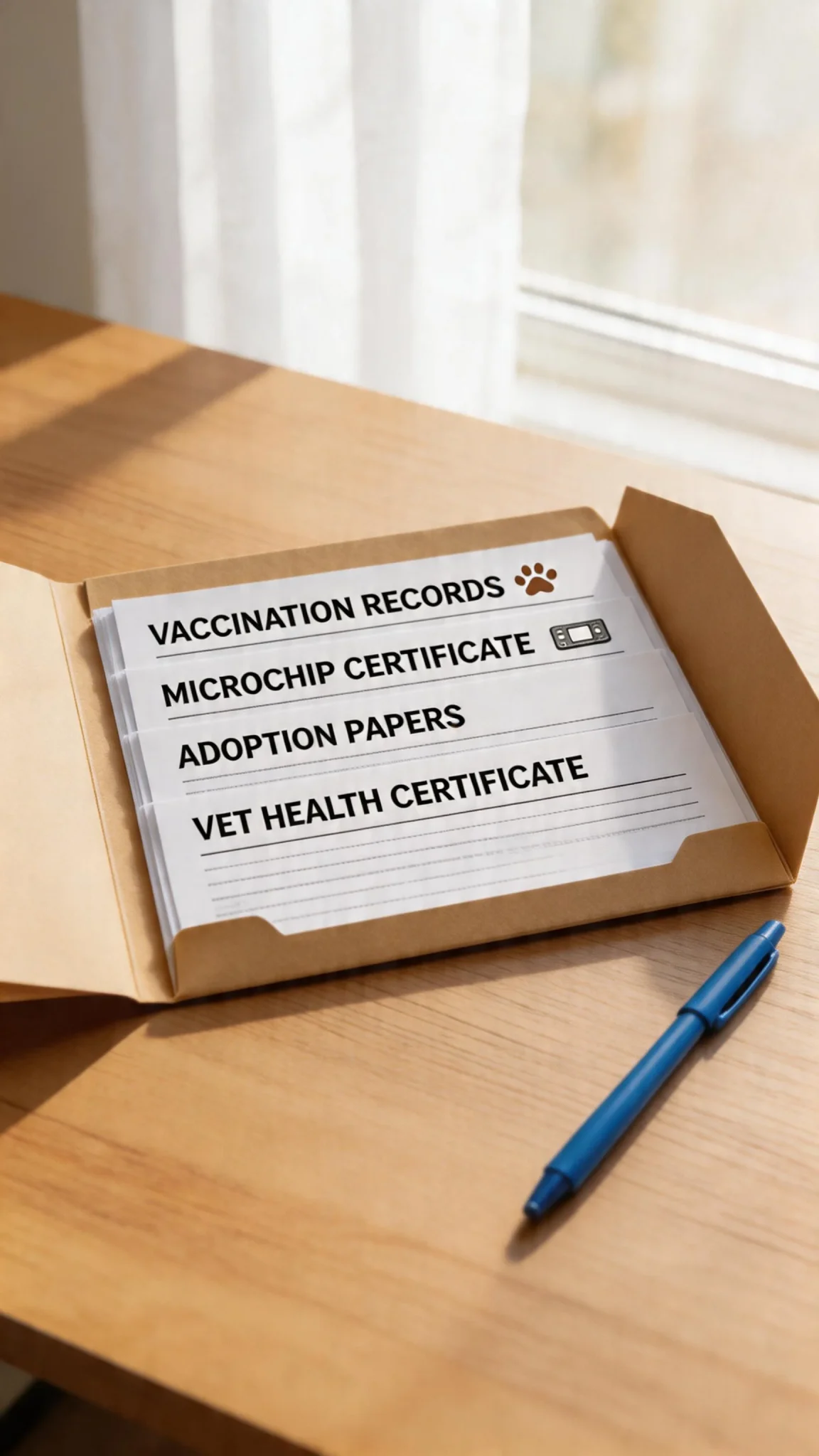
A complete documentation package shows potential adopters you are serious, responsible, and transparent. What we have found works best is placing everything in a single folder or binder that transfers with the dog on adoption day.
Your dog’s paperwork package should include:
- Vaccination records and microchip registration details
- Spay or neuter certificate if applicable
- Vet contact information and medical history summary
- Any breed registration papers or purchase receipts
- Current flea, tick, and heartworm prevention schedule
- A written daily routine covering feeding times, walks, and sleep habits
Transfer the microchip registration to the new owner on the same day as the handover. Many adopters forget this step, and it leaves the dog legally linked to your address for months.
Write an Honest and Specific Dog Bio
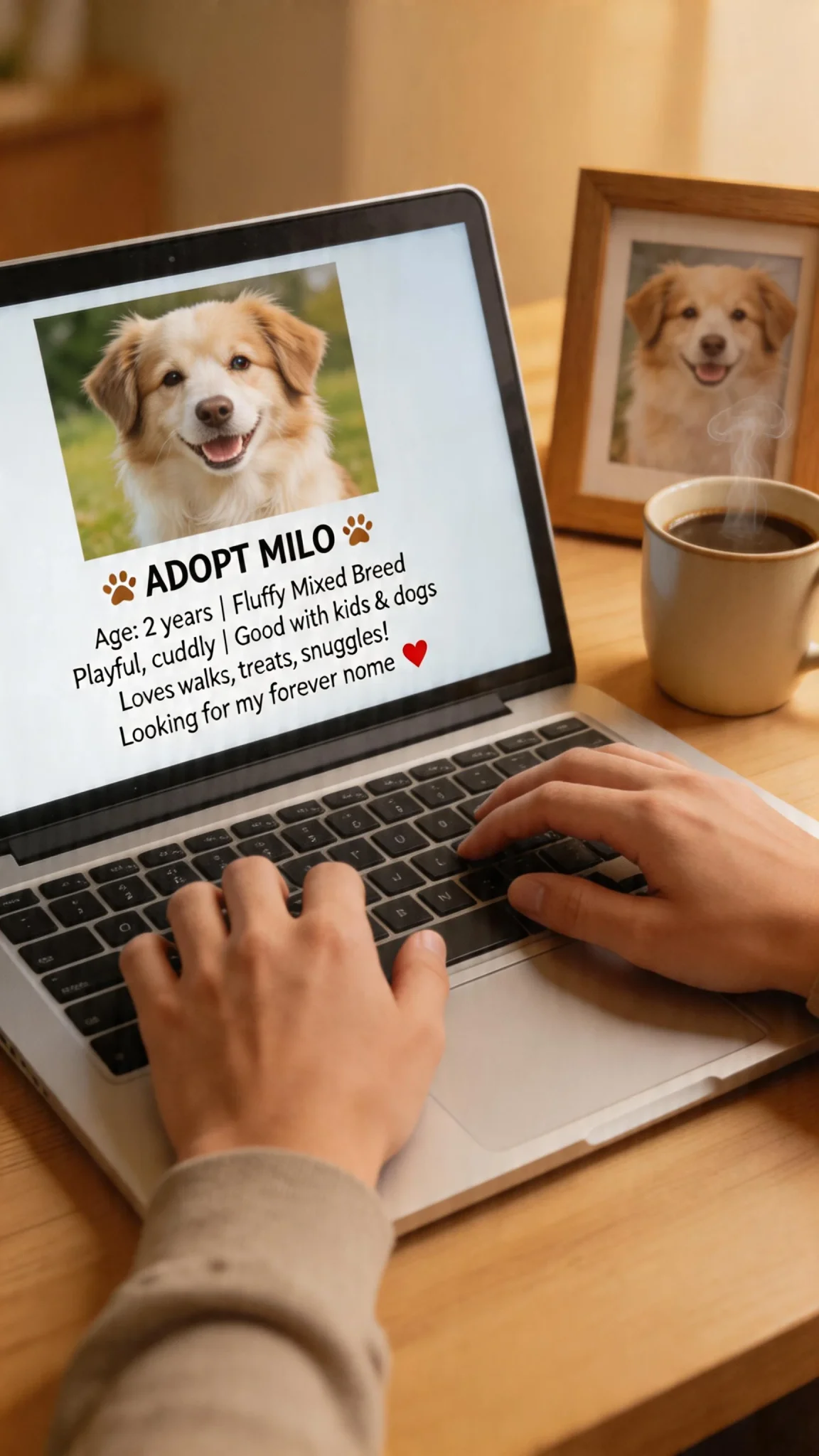
A vague bio like “great dog, loves people” does not help anyone find the right match for your dog. Write a specific, honest description that includes your dog’s energy level, quirks, favorite activities, and any known behavioral challenges.
According to Petfinder’s research, dogs with detailed, personal bios receive up to 3x more adoption inquiries than dogs with generic descriptions. Specificity builds trust and filters out the wrong adopters before you even speak to them.
🛒 Frenchie Owners Are Grabbing These Too
Mention things like “needs a yard,” “does not do well with cats,” or “requires an experienced dog owner.” Honest details protect your dog from ending up in another mismatch situation.
Take Great Photos to Increase Interest
Natural light, a clean background, and a happy expression make a dramatic difference in how quickly your dog gets noticed. Take photos outdoors during morning light and capture your dog in motion as well as at rest.
A colorful dog bandana can make your dog look more approachable and photogenic in adoption listings. Small details like this genuinely increase the number of inquiries you receive.
Screen Potential Adopters Carefully
Never hand your dog to the first person who shows interest — screening protects your dog from ending up in an unsafe or unsuitable home. We have seen this consistently: the adopters who push back against screening questions are rarely the right fit.
Ask every potential adopter these questions before agreeing to a meet-and-greet:
- Do you rent or own, and does your landlord allow dogs?
- Have you owned a dog before, and what happened to them?
- Who will care for the dog when you travel or work long hours?
- Do you have children or other pets at home?
- Are you prepared for veterinary costs including emergencies?
A home visit or video call walk-through is worth requesting before you finalize any adoption. One adopter named Mark agreed to a video tour of his yard, which revealed a broken fence panel — he fixed it before picking up the dog.
Step-by-Step Rehoming Handover Process
- Schedule the handover on a weekday when the new home will be calm and quiet, not during a busy weekend gathering.
- Pack your dog’s comfort blanket or a piece of your worn clothing to ease the transition with familiar scents.
- Bring your full documentation folder and walk the new owner through every item before you leave.
- Spend 20 to 30 minutes with your dog in their new space so they associate you with positive feelings in that environment.
- Leave calmly without prolonged, emotional goodbyes — dogs read your energy and a dramatic farewell increases their anxiety.
- Follow up with the adopter at 48 hours and again at two weeks to answer questions and offer support.
Expert Insights on Dog Rehoming
Dr. Karen Overall, a board-certified veterinary behaviorist, emphasizes that dogs thrive in transition when their daily routine stays as consistent as possible during the handover period. Sending a written schedule with the dog dramatically reduces the adjustment time in the new home.
The ASPCA reports that approximately 3.3 million dogs enter U.S. shelters every year, and many of those surrenders could be successful private rehomings with proper preparation. Dogs rehomed privately with full documentation and behavioral support have significantly better long-term outcomes than shelter placements.
Avoid the common dog owner mistakes that make transitions harder — like skipping vet checks or withholding behavioral history from the new family.
Frequently Asked Questions About How to Prepare Your Dog for Rehoming: Practical Steps for Peace of Mind
How Long Does It Take to Properly Prepare a Dog for Rehoming?
Most dogs need two to four weeks of focused preparation before rehoming. This time covers health checks, training refreshers, documentation gathering, and adopter screening.
Should I Tell the New Owner About My Dog’s Behavioral Issues?
Always disclose behavioral challenges honestly — this protects the dog, the new family, and your own peace of mind. Hiding known issues often leads to the dog being returned or surrendered to a shelter.
What Should I Send With My Dog to Their New Home?
Send their current food, a familiar blanket or toy, their full medical records, and a written daily routine. These items reduce stress and help the new owner get off to the best possible start.
Is It Better to Rehome Privately or Through a Rescue Organization?
Private rehoming gives you more control over the screening process, while rescues provide professional vetting and support. Both can work well — choose based on your dog’s specific needs and your available time.
How Do I Know if a Potential Adopter Is Right for My Dog?
Ask detailed screening questions, request a home visit or video tour, and trust your instincts during the in-person meeting. A good adopter welcomes your questions rather than resisting them.
What Should I Do if My Dog Seems Depressed Before the Rehoming?
Increase enrichment activities like puzzle feeders and extra walks to keep your dog mentally stimulated and emotionally balanced. If symptoms persist, consult your vet — watch for the silent signs your dog is in pain that can be mistaken for sadness.
Give Your Dog the Best Possible Fresh Start
Preparing your dog for rehoming with care, honesty, and patience is one of the most loving things you can do in a difficult situation. A well-prepared dog with good documentation, solid manners, and a thoughtful adopter will thrive.
Start today by booking that vet appointment and writing your dog’s honest bio — those two steps alone put you miles ahead of most rehoming situations. Your dog’s next chapter can be a truly great one.