
How To Stop Dogs From Scratching Ears Raw (Headbands, Cones, Socks, Suits)

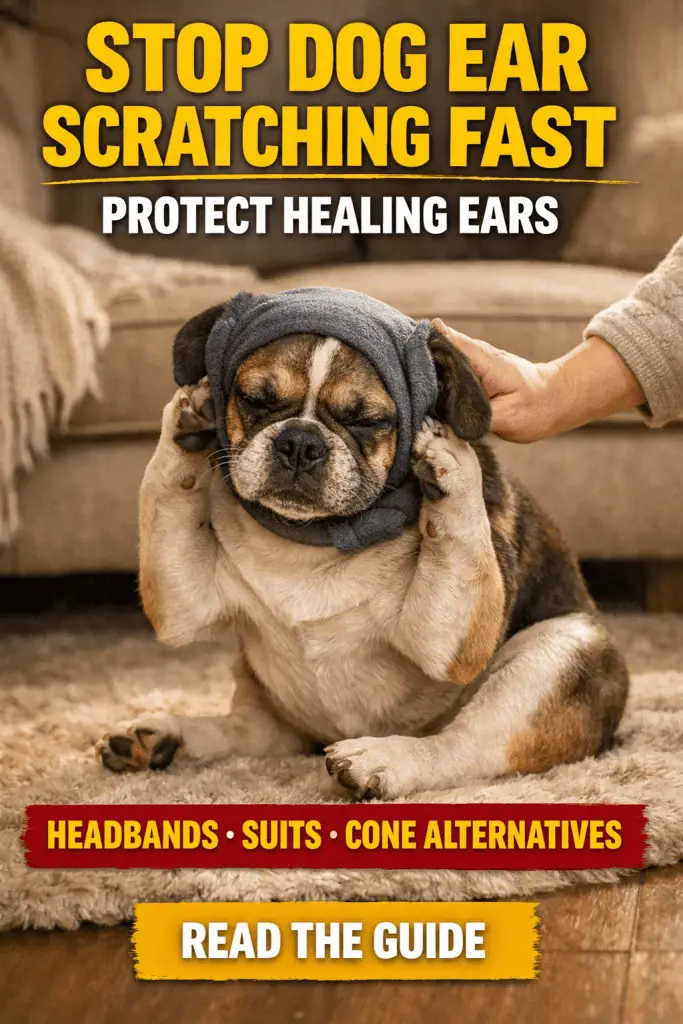
If your dog keeps scratching their ears until they’re red, bleeding, or raw, you’re probably feeling worried and frustrated. It’s heartbreaking to watch your dog hurt themselves, especially when you’re trying everything you can to help. Ear problems can make dogs miserable, and the constant scratching often makes things worse instead of better.
In my experience, many owners don’t realize there are simple protective solutions that can prevent further injury while the ears heal. Things like soft cones, recovery suits, head wraps, or even creative sock methods can make a huge difference. This guide will walk you through practical options that actually work.
By the end of this article, you’ll understand why dogs scratch their ears raw, how to stop it safely, and which protective tools are most effective. Most importantly, you’ll feel confident about helping your dog heal comfortably.
How Do You Stop a Dog From Scratching Their Ears Raw?
The fastest way to stop a dog from scratching ears raw is to treat the underlying cause and physically prevent scratching while healing happens.
Here are the most effective solutions:
- Use an Elizabethan collar (cone) or soft recovery collar to block scratching
- Try dog headbands or snoods to protect ears from claws
- Use a recovery suit or shirt to limit access to the ears
- Cover back paws with dog socks temporarily if scratching is severe
- Clean ears and treat infections with veterinarian guidance
- Trim nails regularly to reduce injury risk
- Address allergies or skin irritation triggers
Immediate action: If your dog’s ears are bleeding, swollen, or smell bad, contact a veterinarian promptly.
Why Dogs Scratch Their Ears Until They’re Raw
Understanding the cause is the key to solving the problem.
Common reasons include:
Ear Infections
Ear infections are one of the most common causes of intense scratching. According to the American Veterinary Medical Association, ear infections affect a large percentage of dogs, especially breeds with floppy ears like French Bulldogs.
Signs include:
- Redness
- Odor
- Discharge
- Head shaking
- Pain when touched
If you suspect infection, treatment must come first.
Allergies
Environmental or food allergies often cause chronic ear irritation. In my experience, dogs with recurring ear problems frequently have underlying allergies that need long-term management.
You can learn more in our guide on common French Bulldog allergy symptoms and treatments, which explains triggers and solutions in detail.
Ear Mites or Parasites
These are more common in puppies but can happen at any age. They cause intense itching and dark debris in the ears.
Injury or Foreign Objects
Grass seeds, scratches, or trauma can also trigger scratching.
Signs Your Dog’s Ears Are Becoming Seriously Damaged
Watch for these warning signs:
- Bleeding or scabs
- Swelling
- Warm ears
- Hair loss around ears
- Constant scratching or rubbing
- Whining or discomfort
- Head tilting
If you see swelling that looks like a balloon on the ear flap, it could be an aural hematoma, which requires veterinary care.
Best Ways To Stop Dogs From Scratching Ears Raw
Let’s talk about the most effective protective methods.
1. Dog Cones (Elizabethan Collars)
Cones are the most reliable solution because they physically block access to the ears.
Benefits:
- Prevents scratching completely
- Allows wounds to heal
- Works immediately
- Vet-recommended
Soft fabric cones are often more comfortable than plastic ones.
I’ve found soft cones are easier for dogs to tolerate, especially overnight.
2. Dog Headbands or Snoods
Head wraps protect the ears while still allowing movement.
They’re especially helpful for:
- Mild scratching
- Post-treatment healing
- Dogs who hate cones
These can also reduce shaking that worsens ear injuries.
3. Recovery Suits or Shirts
Recovery suits cover the body and restrict movement enough to reduce scratching access.
They’re useful when:
- Dogs remove cones
- Multiple wounds exist
- You want a more comfortable option
Many dogs tolerate suits better than cones.
4. Dog Socks on Back Feet
This is a temporary trick but surprisingly helpful.
Put soft socks on back paws to reduce scratching damage.
Important tips:
- Supervise your dog
- Use only short-term
- Ensure circulation isn’t restricted
This method works best combined with another solution.
Step-By-Step: How To Protect Your Dog’s Ears While Healing
Follow this simple plan:
- Check the ears for redness, discharge, or swelling.
- Clean gently using vet-approved ear cleaner.
- Apply medication if prescribed.
- Use a protective barrier (cone, headband, or suit).
- Trim nails to reduce injury.
- Monitor daily for improvement or worsening.
- Contact your vet if no improvement within 48 hours.
Consistency is key.
Expert Insight: Why Physical Barriers Matter
Veterinarians often emphasize prevention of self-trauma.
Dr. Karen Becker, DVM, explains that preventing scratching is essential because repeated trauma can delay healing and cause complications like hematomas.
Physical barriers allow medication and tissue repair to work effectively.
Common Mistakes Dog Owners Make
Many owners unintentionally make the situation worse.
Avoid these mistakes:
- Waiting too long to treat infection
- Removing the cone too early
- Using human medications
- Ignoring allergies
- Allowing constant scratching overnight
- Not trimming nails
Healing requires patience.
Safety Considerations You Should Know
Always keep these safety tips in mind:
- Never wrap ears too tightly
- Avoid homemade bandages that restrict blood flow
- Monitor for swelling
- Remove devices during supervised breaks
- Ensure your dog can eat and drink comfortably
If your dog becomes stressed, adjust the method.
When To See a Veterinarian
You should contact a vet if:
- Ears are bleeding
- There is swelling or fluid buildup
- Strong odor is present
- Scratching continues more than 48 hours
- Your dog seems in pain
- Fever or lethargy appears
Early treatment prevents complications.
For more ear care guidance, the American Kennel Club provides helpful information about ear health in dogs.
Prevention Tips: How To Stop Future Ear Problems
Prevention is always easier than treatment.
Helpful strategies include:
- Weekly ear checks
- Regular cleaning
- Managing allergies
- Quality nutrition
- Grooming hair around ears
- Keeping ears dry after bathing
You may also find our French Bulldog ear cleaning routine guide helpful for long-term prevention.
Nutrition also plays a role. Our best food for sensitive French Bulldogs article explains how diet affects skin and ear health.
Quick Checklist For Owners
Use this simple checklist:
✔ Check ears daily
✔ Clean with vet-approved solution
✔ Use protective cone or headband
✔ Trim nails
✔ Monitor healing progress
✔ Contact vet if worsening
✔ Address underlying cause
Frequently Asked Questions
How long does it take for dog ears to heal after scratching?
Minor irritation may heal within 3–7 days. Severe wounds or infections can take 2–3 weeks with treatment.
Can I use socks to stop my dog from scratching ears?
Yes, socks can reduce damage temporarily, but they should not replace proper treatment or supervision.
Are cones better than headbands?
Cones are more effective for severe scratching because they completely block access. Headbands are better for mild cases.
Why does my dog keep scratching ears even after treatment?
Possible reasons include allergies, incomplete infection treatment, or irritation from medication. A vet recheck may be needed.
Can scratching cause permanent ear damage?
Yes. Severe scratching can cause hematomas, scarring, or chronic infections if untreated.
What is the most comfortable option for dogs?
In my experience, soft cones or recovery suits are usually the most comfortable while still effective.
Conclusion
Watching your dog scratch their ears raw is stressful and emotional, but the good news is you can help them heal. The key is treating the underlying cause and using protective tools like cones, headbands, socks, or recovery suits to prevent further injury.
I’ve found that once scratching stops, healing often happens much faster than expected. Your dog just needs a little support and patience during the process.
If you’re unsure about the cause or symptoms seem severe, don’t hesitate to contact your veterinarian. Early care makes a huge difference.
You’re doing the right thing by looking for solutions — and your dog is lucky to have you.