
Lilac and Tan French Bulldog: Appearance, Genetics, Care & More

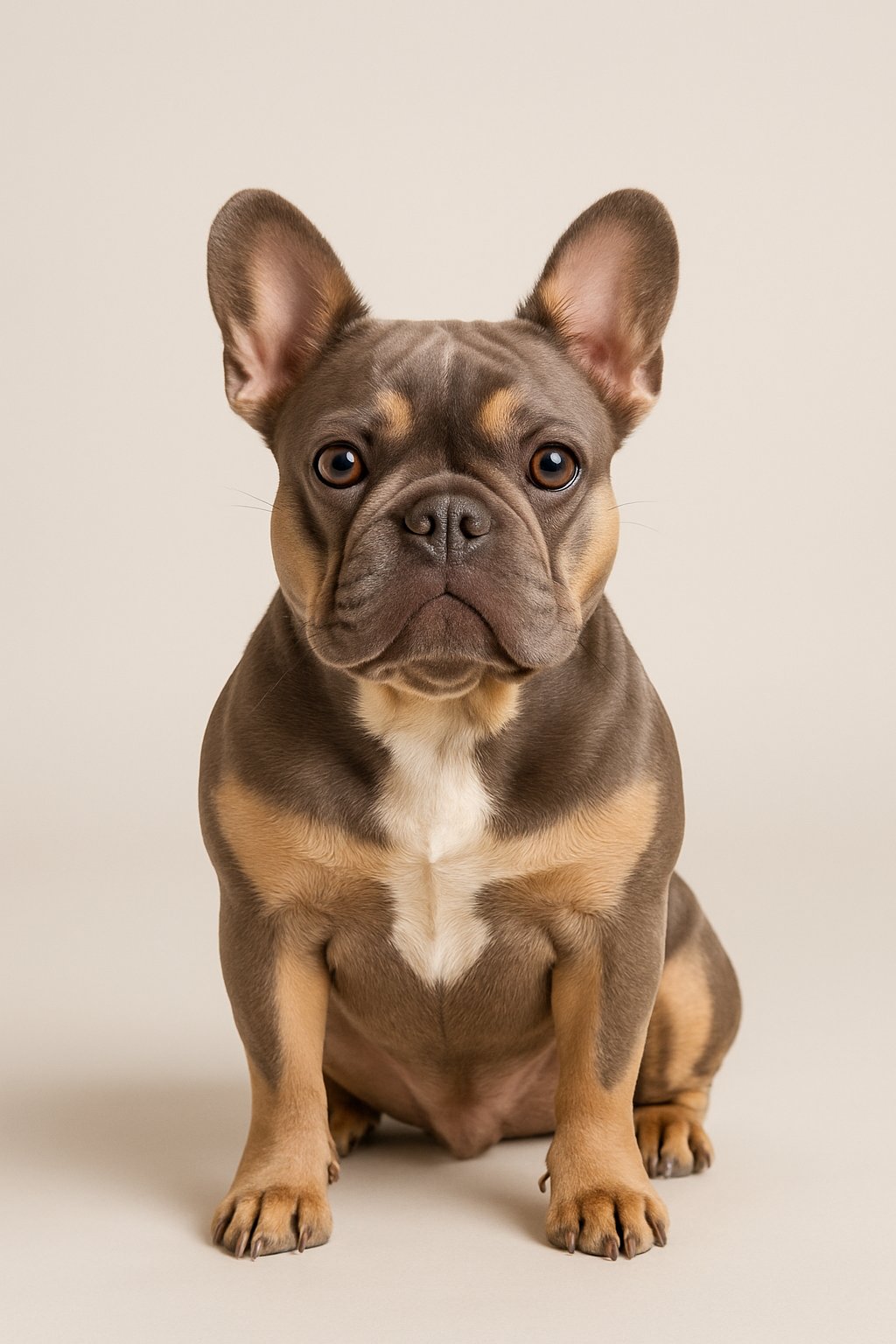
The lilac and tan French Bulldog stands out for its rare coat and charming personality. This small but sturdy dog combines a light silvery-lilac base with warm tan markings on its face, legs, and chest. A lilac and tan French Bulldog is a unique color variation created by specific genes that lighten black and brown pigments, giving the coat its soft pastel shade.
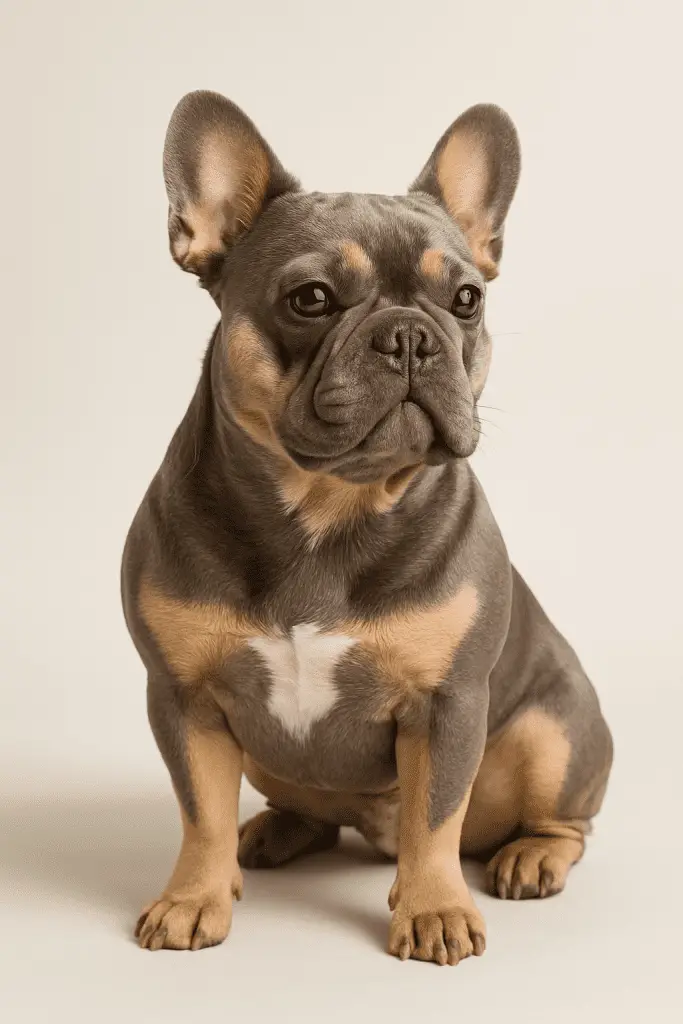
Beyond its eye-catching looks, this breed holds the same affectionate and loyal nature that makes French Bulldogs beloved companions. Their calm yet playful temperament makes them ideal for families, singles, and city living alike.
As the following sections explore, understanding what sets the lilac and tan French Bulldog apart—from its genetics and appearance to its care and health—helps anyone interested in this rare breed appreciate both its beauty and its needs.
What Is a Lilac and Tan French Bulldog?
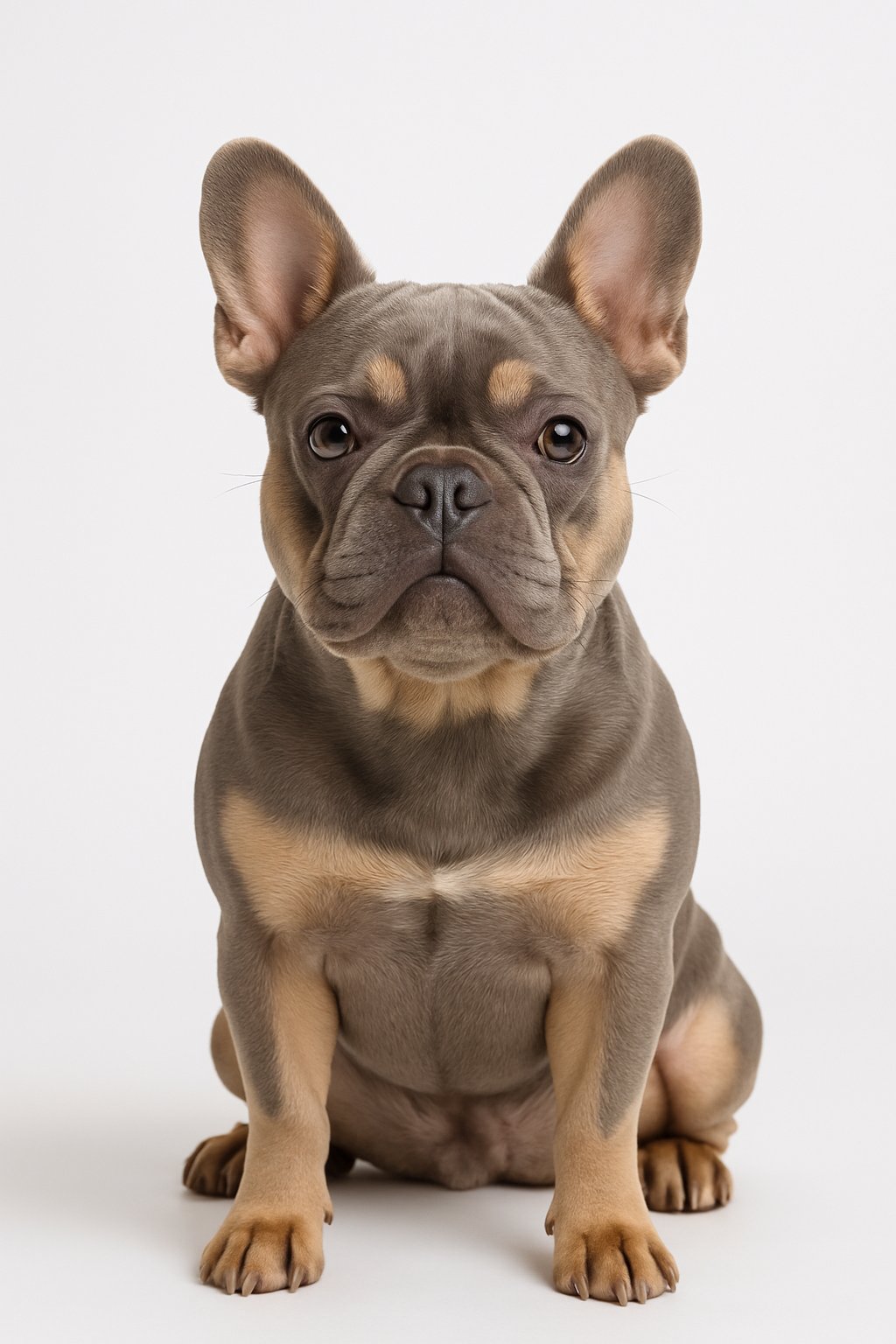
A Lilac and Tan French Bulldog is a rare color variation of the French Bulldog breed known for its soft lilac base coat and warm tan markings. Its appearance results from specific genetic traits that affect how color is expressed in the coat and skin, creating a gentle contrast that many owners find appealing.
Defining Lilac and Tan Coloring
The lilac color in a French Bulldog appears as a pale grayish-brown or silvery tone created by two dilution genes working together. These genes modify the black and brown pigments, lightening them into the soft shade known as lilac. When these genes combine with the ones that produce tan markings, the result is the lilac and tan pattern.
This color combination requires three main genetic components:
- B locus (brown gene) – modifies black pigment into chocolate.
- D locus (dilution gene) – lightens the chocolate pigment to create the lilac tone.
- A locus (agouti gene) – adds tan points in select areas, such as the face and legs.
Because all of these genes must be present as recessive pairs, lilac and tan French Bulldogs (often called Lilac and Tan Frenchies) are uncommon and typically bred through careful selection.
Characteristics of the Lilac and Tan Coat
The coat of a lilac and tan French Bulldog typically shows light silver-lilac fur with well-defined tan points. These tan areas usually appear above the eyes, on the sides of the muzzle, chest, and lower legs. The color pattern remains consistent as the dog matures, though sunlight may slightly affect tone over time.
Their short, smooth coat highlights the contrast between the lilac base and tan markings. Under natural light, the lilac hue can show hints of lavender or silver. Many dogs also have lighter-colored noses and amber or light gray eyes, which complement the coat.
| Feature | Description |
|---|---|
| Base Color | Pale lilac-gray with a subtle shine |
| Markings | Tan points above eyes, cheeks, chest, and legs |
| Eye Color | Light gray to hazel |
| Coat Texture | Short, smooth, and soft |
This combination gives the lilac and tan French Bulldog a distinctive yet natural appearance that stands out within the breed’s color spectrum.
Genetics Behind Lilac and Tan French Bulldogs
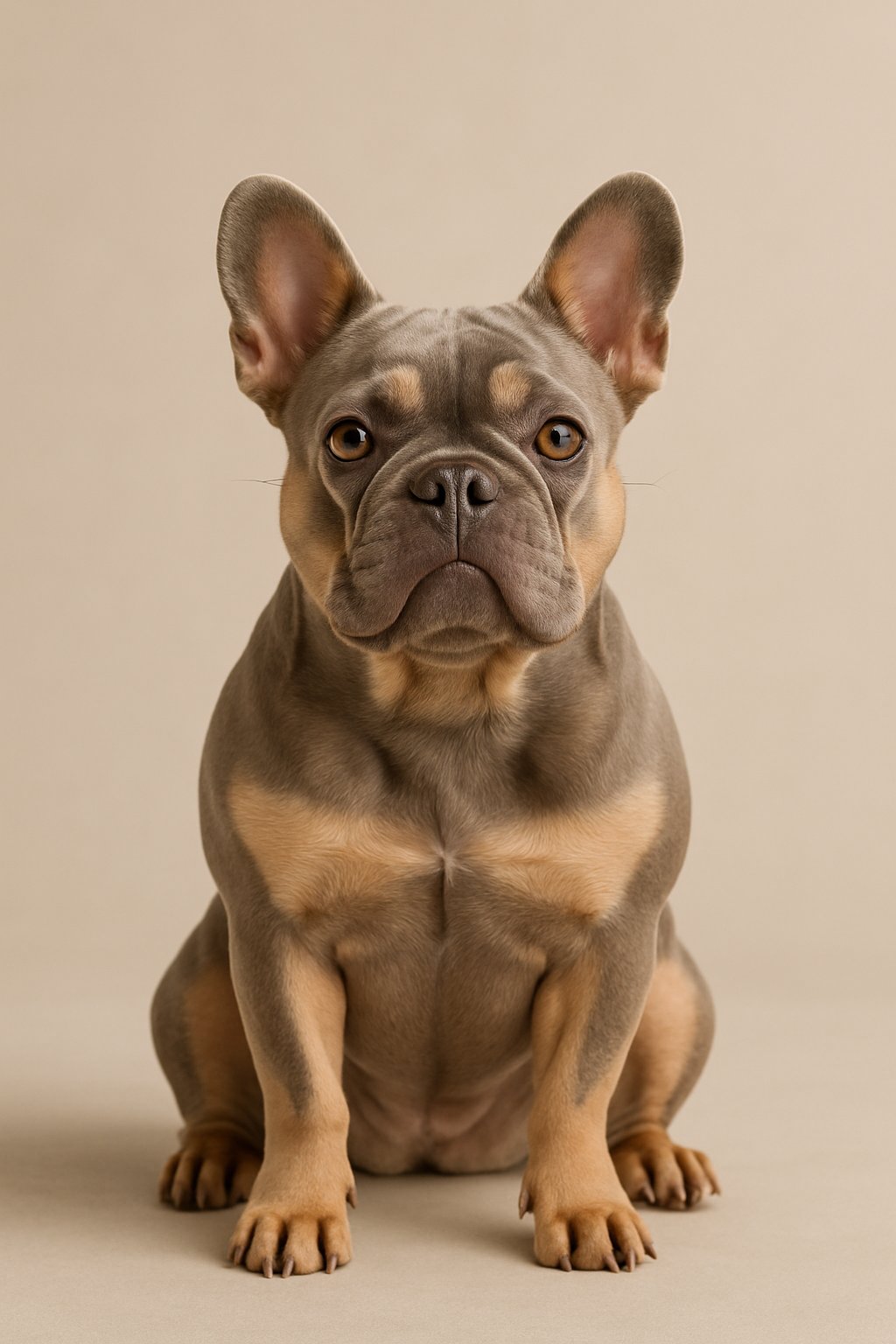
The lilac and tan French Bulldog owes its coat to specific DNA combinations that affect pigment type, distribution, and dilution. These dogs show both a soft diluted color and distinct tan markings visible on the face, chest, and legs.
Dilution Gene and Color Inheritance
The dilution gene (D-locus) plays a key role in creating the lilac color. This gene affects how dense the pigment appears in the fur. When a dog inherits two copies of the recessive d allele (d/d), it lightens the pigment. In black-coated dogs, this produces a blue color, while in chocolate-coated dogs, it produces the pale grayish shade known as lilac.
To be truly lilac, a French Bulldog must have both the chocolate gene (b/b) and the dilution gene (d/d). This genotype combination changes the base black pigment into a soft silvery tone. Both parents must carry these recessive alleles for the trait to appear in their puppies. Breeders often confirm these genes using DNA panels to ensure accurate color prediction.
Role of Tan Points in Coat Pattern
The tan points seen on a lilac and tan French Bulldog come from the A-locus, which includes the at allele. This allele controls the placement of lighter markings. For the tan points to appear, the dog must also be ky/ky on the K-locus, which allows the agouti pattern to express itself.
Typical tan point areas include the cheeks, above the eyes, inside the legs, and under the tail. The rest of the coat shows the diluted lilac tone, creating a clear contrast. The combination of lilac base and tan markings gives the breed its signature two-tone appearance that many find appealing. These pigment interactions determine not only coat beauty but also the exact distribution of pattern lines.
Importance of Genetic Testing
Genetic testing helps breeders identify carriers of color genes before mating. Accurate DNA results reveal whether a French Bulldog carries the b, d, or at alleles needed for the lilac and tan combination.
Testing prevents unwanted color surprises and reduces the risk of producing puppies with genetic health issues tied to color dilution. Some dogs with the d/d genotype may be prone to Color Dilution Alopecia (CDA), a condition linked to hair thinning. Responsible breeders use test results to plan safe pairings and maintain healthy bloodlines.
Testing also identifies hidden traits that may not be visible but could show up in later generations. This approach promotes healthier, more predictable outcomes for lilac and tan French Bulldogs.
Unique Physical Appearance
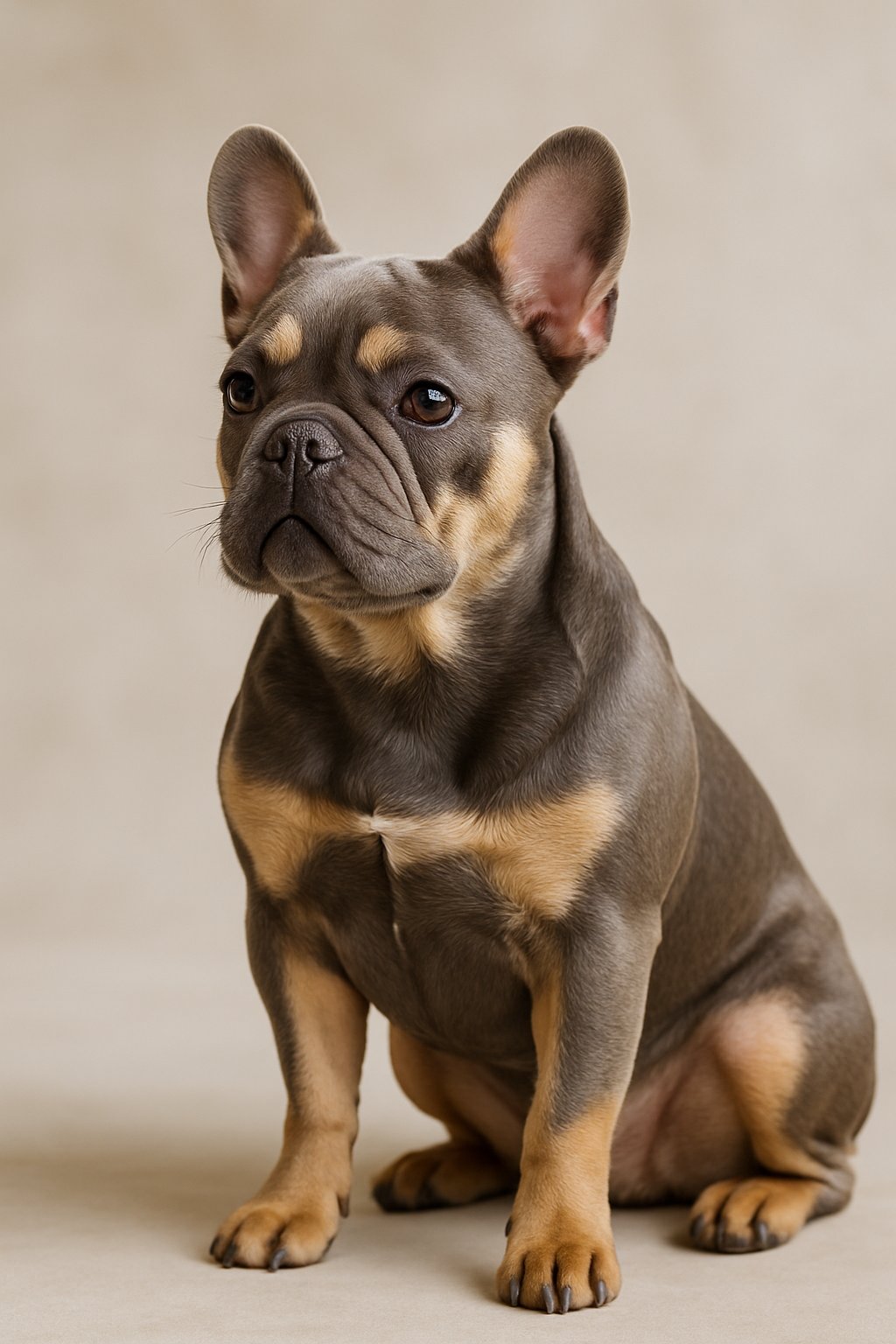
The lilac and tan French Bulldog stands out for its soft pastel coat, light eye color, and compact, muscular frame. Their balanced proportions and striking pigmentation patterns make them one of the more visually distinct types of French Bulldogs.
Coat Colors and Markings
The lilac and tan French Bulldog has a pale silver-lavender base coat with warm tan points on the cheeks, above the eyes, chest, and legs. This hue forms when both the chocolate (b/b) and blue dilution (d/d) genes combine. The dilution lightens the black pigment to a bluish tone, while the brown gene transforms it into a soft lilac shade.
Compared to the blue French Bulldog, which displays a steely blue-gray coat, the lilac variety has a lighter and warmer tint. Tan French Bulldogs share similar tan point placement, but they lack the lilac undertone. Some breeders may produce variations with subtle pattern differences, though the contrast between the lilac base and tan markings remains consistent.
The coat itself is short, fine, and smooth, lying tight against the body. This sleek texture enhances the visibility of color contrast and provides a glossy finish when well cared for. Regular brushing helps maintain shine and reduce loose hair.
Eye Color and Nose Pigmentation
Lilac and tan French Bulldogs often have light-colored eyes, ranging from pale blue to gray or amber. Puppies may display striking blue eyes that gradually shift toward greenish or hazel tones as they mature. Eye color depends on pigment dilution and genetics, and lighter hues are more common in dogs with the lilac gene combination.
Their nose pigmentation also reflects this dilution. Instead of the typical black nose of standard French Bulldogs, lilac and tan dogs usually have a pale brown or light gray nose, sometimes referred to as a lilac nose. The lips and paw pads follow similar pigmentation patterns, giving a uniform appearance across the face and body.
This balanced coloration contributes to their calm, refined expression. It differs from darker-coated types, like the merle French Bulldog, which may show irregular patterns and mottled coloring.
Size and Build Comparison
Lilac and tan French Bulldogs share the same size and frame as other French Bulldogs. They measure around 11–12 inches tall and weigh 16–28 pounds, depending on gender and build. Their compact, muscular bodies are complemented by a broad chest, short back, and rounded, bat-like ears characteristic of the breed.
This physical structure gives them strength and stability despite their small stature. The short muzzle and flat face are typical of brachycephalic breeds, requiring owners to be mindful of breathing comfort, especially in warm weather.
In comparison, the lilac and tan French Bulldog’s frame is identical to the blue or standard-colored types, with differences seen only in coat pigmentation. Their well-proportioned form, muscular tone, and steady gait contribute to the recognizable silhouette that defines French Bulldogs of any color.
Temperament and Personality Traits
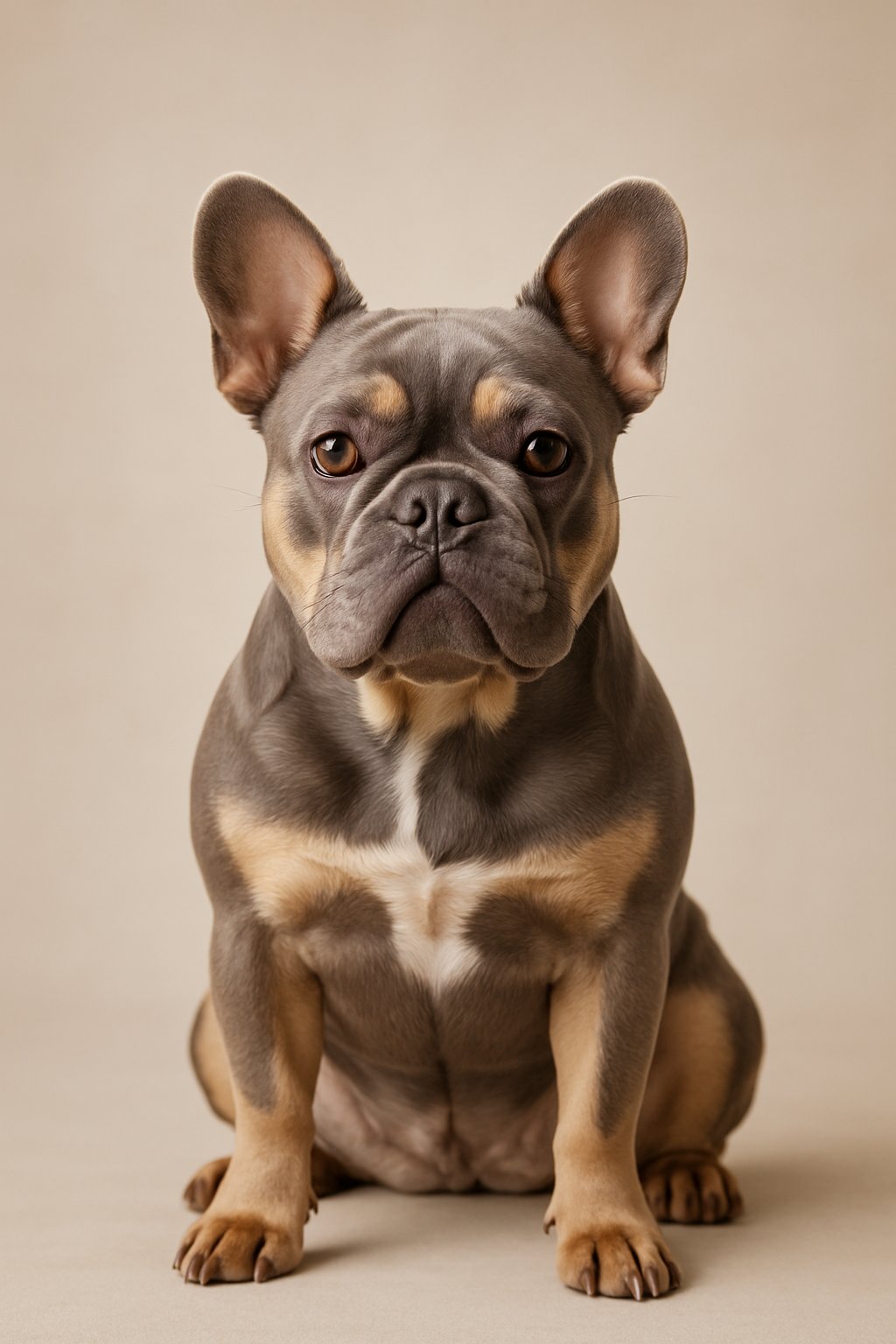
The lilac and tan French Bulldog displays a calm yet engaging temperament, shaped by the same intelligence and loyalty found in the broader French Bulldog breed. It balances affection with independence, showing patience with children and attentiveness toward human interaction.
Suitability as Family Pets
Lilac and tan French Bulldogs fit well in homes that provide companionship and structure. They enjoy being close to their families and dislike long periods of isolation. Their small size and gentle personality make them suitable for apartments or houses with modest space.
They typically bond closely with all household members, including children. Because they have a playful but not overly energetic nature, they thrive in quieter families or those able to offer consistent attention without high-intensity activity.
| Trait | Description |
|---|---|
| Energy Level | Moderate; prefers short play sessions |
| Noise Level | Low; occasional barking |
| Affection | High; seeks frequent interaction |
Early social exposure helps them adapt to different environments. When treated kindly and kept on a stable routine, they respond with steady affection and good manners.
Interaction with Other Animals
These French Bulldogs usually coexist peacefully with other pets when introduced correctly. They rely on social learning, so early interaction with other dogs or cats plays an important role in shaping future behavior.
They demonstrate curiosity rather than aggression toward unfamiliar animals. However, due to their sturdy posture and protective instinct, supervision remains wise during first introductions. Controlled meetings in neutral settings often lead to better outcomes.
Owners should avoid encouraging dominance-based play, as this may cause tension with larger or more assertive animals. With positive association through short playtimes and shared walks, they tend to form stable relationships with both dogs and smaller pets.
Common Behavioral Characteristics
Lilac and tan French Bulldogs share many core traits with the broader French Bulldog breed. They are observant and expressive, often using body language and short barks to gain attention. Their temperament balances alertness with calmness, allowing them to adjust easily to changing routines.
They learn best with gentle correction and consistent reinforcement. Positive reinforcement methods—such as treats, praise, and brief training sessions—work effectively.
Though intelligent, they can be somewhat stubborn, requiring patient owners. Their strong attachment to people can lead to mild separation anxiety if left alone often. A stable daily schedule and engaging toys help reduce stress and keep behavior balanced.
Health Considerations and Common Issues
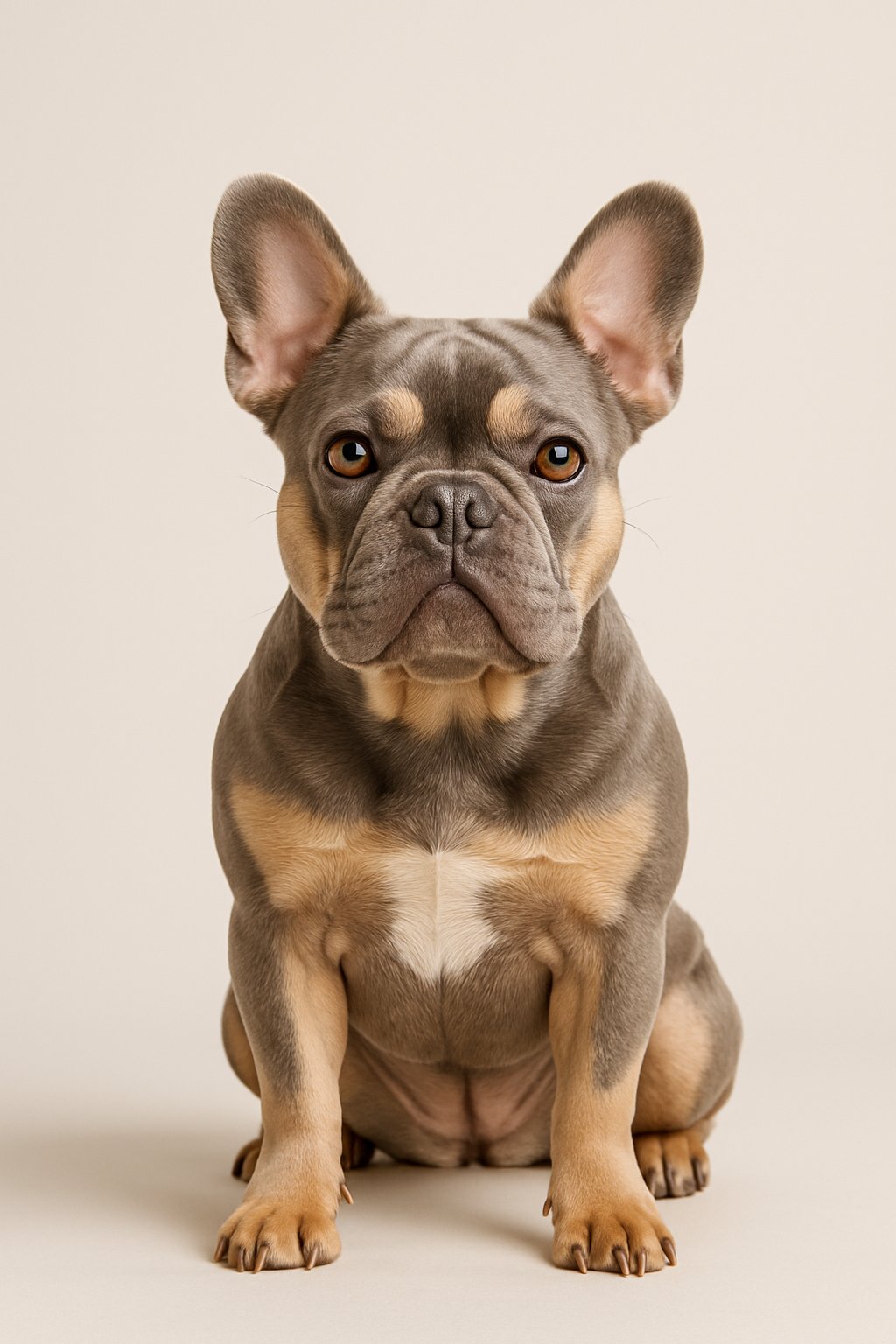
Lilac and tan French Bulldogs often face health challenges linked to their body structure and genetics. Their short skull shape makes breathing difficult, their skin can react to common irritants, and some may develop mobility issues from hip joint problems.
Brachycephalic Syndrome Risks
Like all French Bulldogs, the lilac and tan variety is a brachycephalic breed. This means they have a short muzzle and compact airways that restrict airflow. Brachycephalic obstructive airway syndrome (BOAS) can cause noisy breathing, overheating, and exercise intolerance. Some dogs show signs as early as a few months old.
Common symptoms include:
- Snoring or snorting even when resting
- Labored breathing during play
- Difficulty recovering after short periods of activity
Owners should watch for signs of heat stress, especially in warm weather. Avoiding overexertion and maintaining a healthy weight can reduce strain on the respiratory system. In moderate or severe cases, a veterinarian may recommend surgery to widen the nostrils or shorten the soft palate for better airflow.
Skin Allergies and Sensitivities
Lilac and tan French Bulldogs often have sensitive skin that reacts to environmental and dietary triggers. Allergies may come from pollen, dust, cleaning products, or even certain food proteins such as chicken or wheat. Itching, redness, ear infections, and hair loss are frequent signs of irritation.
Their skin folds, especially around the face and tail, can trap moisture and bacteria. Daily cleaning with a gentle, vet-approved wipe helps prevent infection. Providing a balanced diet rich in omega-3 fatty acids may also support coat health. When allergies persist, allergy testing and hypoallergenic diets can help identify irritants and improve comfort long-term.
Hip Dysplasia and Mobility Concerns
Though small, French Bulldogs can experience hip dysplasia, a genetic condition that affects joint alignment. The femoral head does not fit properly into the hip socket, leading to pain, stiffness, or difficulty standing after rest. Over time, this may cause arthritis or limited mobility.
Maintaining a healthy weight is the most important preventive step. Extra pounds increase stress on joints and worsen symptoms. Controlled, low-impact exercise like short walks or swimming supports muscle strength without damaging joints. In severe cases, veterinarians may recommend physical therapy, pain management, or corrective surgery to improve mobility and comfort.
Caring for a Lilac and Tan French Bulldog
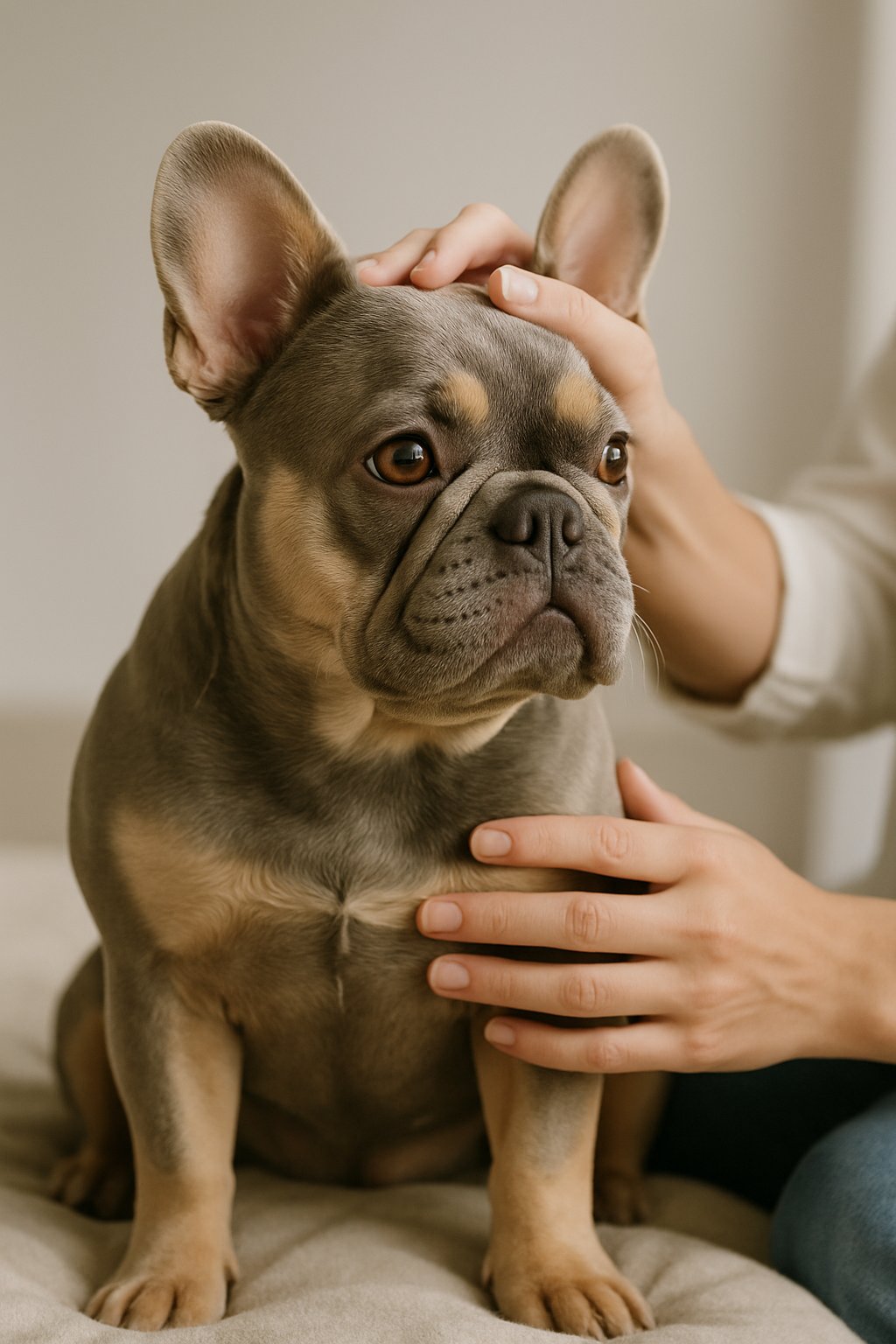
Keeping a lilac and tan French Bulldog healthy takes consistent grooming, balanced nutrition, regular exercise, and gentle training. These dogs have short coats, sensitive skin, and compact bodies that need careful attention to stay comfortable and strong.
Grooming and Skin Maintenance
The short, smooth coat of a lilac and tan French Bulldog needs weekly brushing with a soft-bristle brush or grooming mitt. This helps remove loose fur and distribute natural oils for a slight sheen. Because their light coat and skin can be sensitive, harsh shampoos should be avoided. Mild, dog-safe cleansers maintain healthy skin and prevent irritation.
Owners should check common friction areas—such as the folds around the nose, tail base, and armpits—for redness or dryness. Skin folds must be kept dry and clean to avoid bacterial buildup. Wiping gently with a damp cloth and drying completely can reduce odors and infection risk.
Nail trimming every few weeks prevents discomfort and posture problems. Regular ear cleaning with a vet-approved solution helps avoid wax buildup, which can lead to infection. Maintaining a simple routine keeps their skin and coat in top condition.
Exercise and Dietary Needs
A lilac and tan French Bulldog benefits from moderate daily activity, not intense workouts. Short walks of about 20–30 minutes and light indoor play keep them fit without overexertion. Because French Bulldogs can overheat easily, activity should be limited in warm weather, and always followed by rest in a cool area.
A proper diet supports their compact, muscular frame. High-quality dog food with lean proteins, healthy fats, and digestible carbohydrates is best. Portions should be measured carefully to prevent obesity, which can worsen breathing and joint issues.
| Nutrient | Importance | Common Source |
|---|---|---|
| Protein | Muscle tone | Chicken, Fish |
| Fat | Coat health | Salmon oil |
| Fiber | Digestion | Sweet potato |
Some owners add omega-3 supplements to promote coat health. Access to fresh water at all times ensures hydration and supports overall wellness.
Training Tips for Success
Lilac and tan French Bulldogs respond best to patient, reward-based training. Their eager temperament pairs well with positive reinforcement techniques such as treats or verbal praise. Harsh correction can make them stubborn or anxious.
Consistency is key. Short sessions—about 10 minutes each—keep their attention without frustration. Early socialization with people and other dogs helps curb shyness and supports a well-mannered personality.
Training should start when French Bulldog puppies arrive home. Teaching basic commands such as sit, stay, and come establishes good habits. Because they can develop separation anxiety, practicing calm departures and short absences builds independence.
Simple, steady guidance and regular practice lead to a confident and adaptable companion.
Breeding, Availability, and Cost
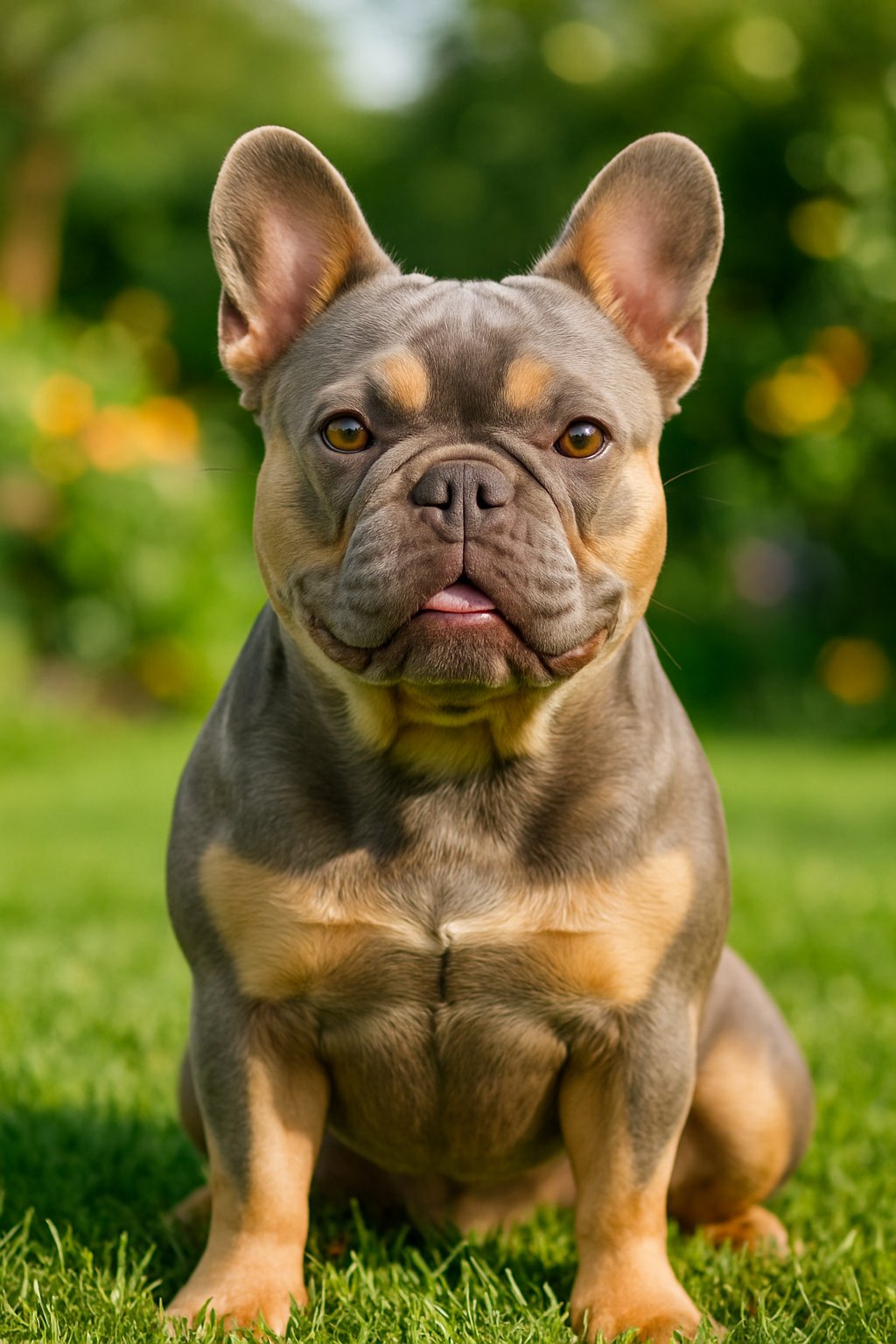
Lilac and tan French Bulldogs combine specific color genetics that make them both rare and expensive. Their breeding requires careful genetic selection, limited availability, and significant investment from dedicated breeders.
Finding Reputable Breeders
Reputable breeders focus on health, structure, and temperament rather than only color. Because French Bulldogs cannot naturally breed and often need artificial insemination and C-sections, responsible programs ensure proper veterinary support. Most offer AKC registration, health certifications, and genetic testing to prevent inherited disorders.
A trustworthy breeder raises puppies indoors, not in kennels, and provides socialization from birth. Buyers should ask for proof of veterinary care, parent DNA results, and references from past clients. Ethical breeders are transparent about lineage and will not advertise extremely low prices, which often signal poor breeding practices or imported puppies without proper documentation.
French Bulldog Puppies for Sale
Lilac and tan French Bulldog puppies are less common than standard colors such as fawn or brindle. They often appear through small hobby breeders or specialized Frenchie programs across the United States. Availability is limited because producing the lilac and tan coat requires dogs that carry both blue (dilution) and chocolate (cocoa) genes.
Most litters have only a few puppies, which increases demand. Buyers can expect waiting lists or a reservation process that includes deposits. Ethical breeders offer FaceTime or in-person visits, health records, and guarantees. Puppies are usually ready to go home at 8–10 weeks old once they complete vaccinations and receive vet clearance.
Tip: Avoid websites offering large numbers of “rare” French Bulldogs at steep discounts. Authentic breeders showcase few litters at a time and emphasize health documentation over flashy color marketing.
Price Factors and Ownership Costs
Lilac and tan French Bulldogs typically cost $5,000–$8,000 from reputable breeders, while top bloodlines or show-quality pups can reach $10,000–$12,000+. Costs depend on genetic quality, structure, pedigree, and whether the buyer receives limited (pet only) or full breeding rights.
| Type | Average Range (USD) | Notes |
|---|---|---|
| Pet-only Lilac & Tan | $5,000–$8,000 | Includes vaccines, AKC papers |
| Breeding Rights | $8,000–$12,000+ | For approved breeders only |
| Exotic Variations (Merle/Isabella) | $9,000–$15,000+ | Very limited availability |
Owning this breed requires ongoing expenses such as premium food, vet care, and possible airway or skin treatments typical of French Bulldogs. Responsible budgeting ensures the puppy remains healthy throughout its lifespan.
Frequently Asked Questions
Lilac and tan French Bulldogs stand out for their rare coat coloration, specific genetic background, and affectionate personality. Their care requires attention to grooming, health, and environment, along with an understanding of their cost and recognition status.
What genetic traits define a lilac and tan French Bulldog?
This color variation comes from a combination of genes that affect pigment dilution and pattern expression. The D locus gene lightens dark pigment to a bluish tone, while the B locus changes black pigment to brown.
When both are present (d/d and b/b), the coat becomes lilac. The A locus (at/at) creates tan points, which appear over the eyes, on the cheeks, chest, and legs. These genes together produce the distinct lilac base with tan highlights.
How can you properly care for a lilac and tan French Bulldog’s coat?
Their short, smooth coat benefits from weekly brushing to remove loose hair and keep oils balanced. A soft brush or grooming mitt helps maintain its shine.
Bathing every few months is enough unless the dog becomes dirty. Use a mild dog shampoo to avoid skin dryness. Regular cleaning of facial folds prevents irritation and infection.
What are the common health concerns associated with lilac and tan French Bulldogs?
Like other French Bulldogs, they can face brachycephalic airway issues due to their short snouts. Heat sensitivity and difficulty breathing in hot weather are common.
They may also experience skin allergies, joint problems such as hip dysplasia, and eye conditions. Responsible breeding and veterinary care can help reduce these risks.
Are lilac and tan French Bulldogs recognized by major kennel clubs?
Most major kennel clubs, such as the American Kennel Club (AKC), recognize French Bulldogs but limit accepted colors to a standard list. Lilac and tan is usually considered a non-standard color.
While not disqualified from registration, they cannot typically compete in conformation shows under breed standards. They are, however, welcome in companion events and as pets.
What is the typical temperament of a lilac and tan French Bulldog?
They share the same general temperament as other French Bulldogs—affectionate, playful, and loyal. These dogs enjoy human attention and bond closely with families.
They adapt well to apartment living and moderate activity levels. Training with positive reinforcement helps manage their stubborn streak and strengthens the relationship between dog and owner.
How does the price of a lilac and tan French Bulldog compare to other French Bulldog color variations?
Lilac and tan French Bulldogs are usually more expensive than standard-colored Frenchies. Their price reflects the rarity of the genetic combination and the careful breeding required to produce it.
Costs often range higher due to demand and limited availability. Buyers should seek reputable breeders who prioritize health testing and ethical practices over rare coloration alone.
![Where To Buy A French Bulldog [Answered]](https://onlyfrenchbulldog.com/wp-content/uploads/2024/06/where-to-buy-a-french-bulldog-answered_3197-768x550.jpg)


![How Many Puppies Do French Bulldogs Have [Clarified]](https://onlyfrenchbulldog.com/wp-content/uploads/2024/06/how-many-puppies-do-french-bulldogs-have-clarified_3151-768x550.jpg)
![How Big Does A French Bulldog Get [Solved]](https://onlyfrenchbulldog.com/wp-content/uploads/2024/06/how-big-does-a-french-bulldog-get-solved_3155-768x550.jpg)