Why Is My Dog’s Nose Cracked And Bleeding? Causes, Treatment & When To See A Vet

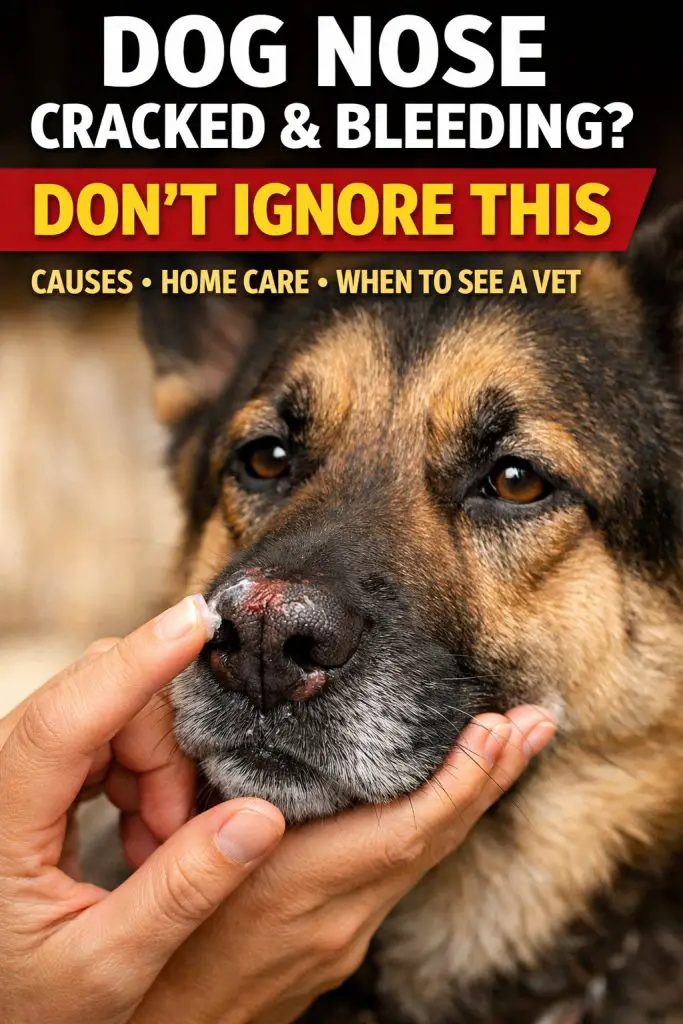
A dog’s nose is usually soft, moist, and smooth — so when you suddenly notice cracks, dryness, or even bleeding, it can be alarming. Many pet owners worry it could be something serious like an infection, autoimmune disease, or injury. In reality, there are several possible causes, ranging from simple dryness due to weather changes to medical conditions that need veterinary care.
I think one of the hardest parts as a dog owner is not knowing whether something is minor or urgent. I’ve seen situations where a cracked nose was just seasonal dryness — and others where it turned out to be an underlying health issue. In my opinion, the key is understanding the signs your dog is showing and knowing when to step in with treatment or call your vet.
The good news is you’re in the right place. This guide will walk you through the most common causes, safe home treatments, and clear warning signs that mean it’s time to see a veterinarian. By the end, you’ll feel much more confident about what’s happening with your dog’s nose — and what to do next.
Why Is My Dog’s Nose Cracked and Bleeding?
A dog’s nose can become cracked and bleed due to dry weather, dehydration, allergies, sunburn, infections, injuries, or medical conditions like hyperkeratosis or autoimmune disease. Mild cases often improve with moisturizing balms and hydration, but persistent bleeding or deep cracks require veterinary attention.
Key facts and quick solutions:
- Cold or dry weather is one of the most common causes.
- Dogs with naturally dry noses may develop cracks more easily.
- Safe dog nose balms or petroleum-free moisturizers can help healing.
- Prevent licking with distractions or short-term supervision.
- Hydration matters — dehydration worsens dryness.
- Bleeding that happens repeatedly or doesn’t stop needs a vet check.
- Sudden color changes, swelling, or discharge may signal infection or disease.
Immediate actions you can take:
- Gently clean with warm water.
- Apply a dog-safe moisturizing balm.
- Monitor for worsening cracks or bleeding.
- Contact your vet if symptoms last more than a few days.
What Does a Healthy Dog Nose Look Like?
A healthy dog nose is usually:
- Slightly moist
- Smooth in texture
- Free from deep cracks or scabs
- Darkly pigmented (depending on breed)
However, it’s totally normal for noses to be dry sometimes — especially after sleep. Dry alone isn’t always a problem. Cracking and bleeding, though, usually means irritation or damage to the skin barrier.
Common Causes of a Cracked and Bleeding Dog Nose
Understanding the cause helps you choose the right treatment.
Weather and Environmental Dryness
Cold winter air, indoor heating, and low humidity can dry out your dog’s nose quickly.
This is especially common in:
- Northern climates
- Winter months
- Dogs spending time near heaters or fireplaces
Dehydration
Dogs that aren’t drinking enough water may develop dry skin, including the nose.
Signs include:
- Sticky gums
- Lethargy
- Reduced appetite
- Thick saliva
Hyperkeratosis
This condition causes excess keratin buildup, making the nose thick, crusty, and cracked.
It’s common in:
- Older dogs
- Certain breeds (Labradors, Bulldogs, Golden Retrievers)
Allergies
Allergic reactions to food, plastic bowls, or environmental triggers can irritate the nose.
Symptoms may include:
- Redness
- Swelling
- Itching
- Licking paws
Sunburn
Dogs with light-colored noses are vulnerable to sunburn, especially during summer.
Sunburn can cause:
- Cracking
- Peeling
- Bleeding
- Pain
Injury or Trauma
Dogs often use their noses to explore. Scratches from rough surfaces, digging, or playing can cause bleeding.
Infections
Bacterial or fungal infections can damage the skin and lead to cracks.
Watch for:
- Pus
- Foul odor
- Swelling
- Fever
Autoimmune Diseases
Conditions like lupus or pemphigus can attack skin tissues, including the nose.
These are less common but more serious causes.
When Should You Be Concerned?
Occasional minor cracking isn’t usually an emergency. But some symptoms mean you should call your vet.
Seek veterinary care if you notice:
- Bleeding that happens repeatedly
- Deep cracks or open wounds
- Swelling or discharge
- Loss of appetite or lethargy
- Nose color changes
- Pain when touched
- Crusting around eyes or lips
IMO, when in doubt, it’s always safer to get professional advice.
How To Treat a Cracked Dog Nose at Home
If the issue is mild and your dog is otherwise healthy, home care may help.
Step-by-Step Home Treatment
- Clean the area gently
Use lukewarm water and a soft cloth to remove dirt or dried blood. - Apply a dog-safe nose balm
Choose products made specifically for pets. Avoid human medicated creams unless your vet approves. - Prevent licking
Distraction, toys, or supervision can help the balm absorb. - Increase hydration
Ensure fresh water is always available. - Use a humidifier
This can help in dry climates or heated homes. - Monitor daily
Look for healing within a few days.
What NOT To Use on Your Dog’s Nose
Some common products can actually make things worse.
Avoid:
- Zinc oxide creams (toxic if ingested)
- Essential oils
- Strong medicated ointments
- Alcohol or hydrogen peroxide
- Human acne treatments
Always choose pet-safe products.
Veterinary Treatments for Severe Cases
If home care doesn’t work, your vet may recommend:
- Prescription antibiotic ointments
- Anti-inflammatory medications
- Antifungal treatment
- Allergy management
- Immune-modulating drugs
- Biopsy testing for diagnosis
Treatment depends entirely on the underlying cause.
Can Dogs Lick Off Nose Balm?
Yes — and they often do.
The good news is that most dog-specific balms are safe if ingested in small amounts.
To improve effectiveness:
- Apply during rest time
- Use treats to distract
- Apply before bedtime
Consistency matters more than perfection.
Preventing Future Nose Cracking
Prevention is easier than treatment.
Helpful tips include:
- Keep your dog hydrated
- Use stainless steel bowls instead of plastic
- Apply balm during dry seasons
- Limit sun exposure for light noses
- Maintain balanced nutrition
- Schedule regular vet checkups
Small habits can make a big difference.
Is a Dry Nose Always a Sign of Illness?
No — this is a common myth.
Dogs can have dry noses due to:
- Sleep
- Aging
- Weather
- Normal variation
The real concern is cracking, bleeding, or behavioral changes.
Emotional Side: Why Owners Worry So Much
Seeing blood on your dog’s face can feel scary. Dogs are family, after all.
I feel that anxiety often comes from not knowing whether something is minor or serious. The goal isn’t to panic — it’s to observe carefully and act when needed.
Most cases turn out to be manageable once you understand the cause.
When To See a Vet Immediately
Call your vet urgently if:
- Bleeding doesn’t stop within 10 minutes
- Your dog seems weak or in pain
- There are multiple wounds
- Nose swelling appears suddenly
- Breathing difficulty occurs
These situations require prompt care.
Recovery Timeline: What To Expect
Healing depends on the cause.
Typical timelines:
- Mild dryness: 3–7 days
- Minor injury: 5–10 days
- Hyperkeratosis: ongoing management
- Infection: 1–3 weeks with treatment
If you don’t see improvement within a week, a vet visit is wise.
Frequently Asked Questions
1. Why does my dog’s nose keep cracking even after using balm?
Persistent cracking may indicate an underlying condition such as hyperkeratosis, allergies, or infection. Moisturizers alone treat symptoms, not causes. A veterinary examination may be needed for proper diagnosis.
2. Is a bleeding dog nose an emergency?
Not always. Minor bleeding from superficial cracks can occur with dryness or injury. However, heavy bleeding, repeated episodes, or systemic symptoms (lethargy, fever) require immediate veterinary evaluation.
3. Can I use petroleum jelly on my dog’s nose?
Small amounts of plain petroleum jelly are generally safe but not ideal. Dogs may lick it off quickly, reducing effectiveness. Veterinary-formulated nose balms are safer and more beneficial.
4. What diseases cause nose problems in dogs?
Conditions include hyperkeratosis, bacterial infections, fungal infections, autoimmune diseases (pemphigus, lupus), allergies, and nutritional deficiencies. Diagnosis depends on clinical signs and testing.
5. How can I tell if my dog’s nose problem is serious?
Warning signs include persistent bleeding, deep cracks, swelling, discharge, color change, pain, or behavioral changes. These symptoms suggest a medical issue that requires veterinary care.
If your dog’s nose is cracked and bleeding, try not to panic. Many cases are treatable with simple care, but knowing when to involve your vet makes all the difference. Paying attention early is the best way to keep your dog comfortable and healthy. 🐾