French Bulldog Skin Rash: What It Means And What To Do

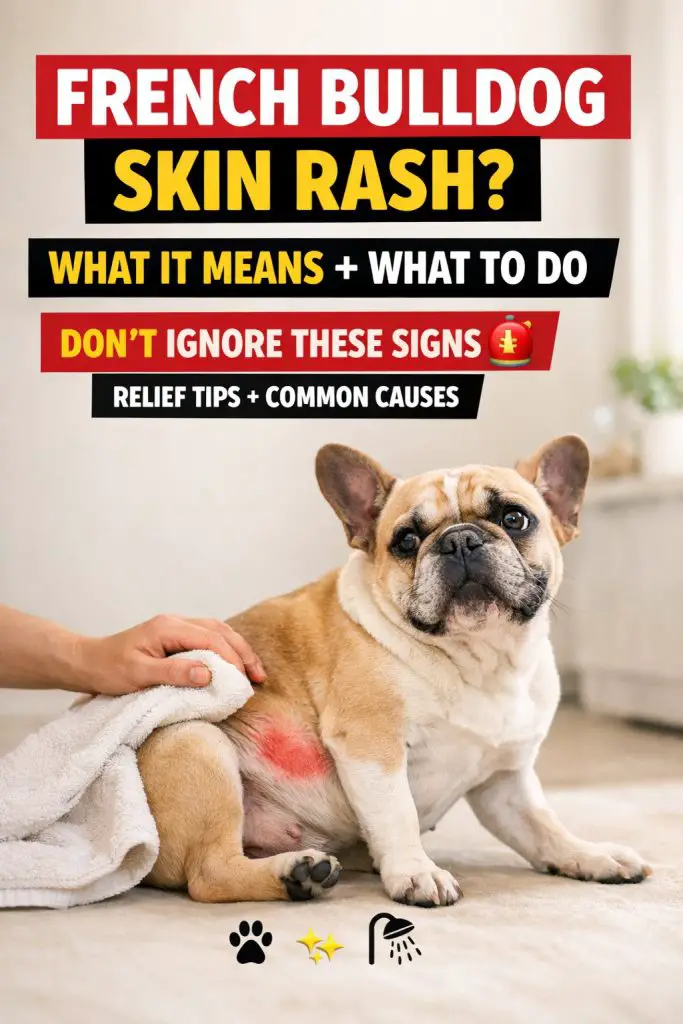
If you’re here because your Frenchie suddenly has red patches, itchy skin, bumps, or a weird rash that “wasn’t there yesterday”… I totally get it. A French Bulldog skin rash can feel scary fast because it looks uncomfortable, and Frenchies are already famous for being a little extra sensitive. One minute they’re fine, and the next minute they’re scratching like crazy or rubbing their face on the carpet like they’re trying to erase their whole existence.
I’ve been around French Bulldogs long enough to know that skin issues are one of their biggest “why is this happening?” problems. I think what makes it stressful is that the rash can look dramatic even when it’s not an emergency. But other times, it starts small and gets worse quickly. In my opinion, the hardest part isn’t noticing the rash—it’s figuring out what caused it and what actually helps without making it worse.
The good news? This article will help you narrow down what the rash likely means, what you can safely do at home, when to call the vet, and how to prevent it from coming back. By the end, you’ll have a clear plan instead of guessing.
Why French Bulldogs Get Skin Rashes So Often (Yep, It’s a “Frenchie Thing”)
French Bulldogs are adorable little tanks… but their skin can be high-maintenance.
Here’s why skin rashes happen so often in Frenchies:
- They have lots of wrinkles and skin folds that trap moisture and bacteria
- They’re prone to allergies (food + environment)
- Their skin barrier can be more sensitive than many other breeds
- They overheat easily, and heat can trigger flare-ups
- Their coats are short, so irritation shows up fast
Bottom line: a French Bulldog rash is common, but that doesn’t mean you should ignore it.
What a French Bulldog Skin Rash Usually Looks Like
A rash can show up in different ways depending on the cause. You might notice:
- Redness (especially on belly, armpits, paws, or face)
- Small bumps or pimples
- Scabs or crusty patches
- Hair thinning or bald spots
- Oozing, moist areas that smell funky
- Darkened skin from chronic irritation
- Constant scratching, licking, or chewing
- Head shaking or ear scratching (yep, ears are connected)
And sometimes the rash isn’t even the first clue—sometimes it’s the behavior:
“My Frenchie won’t stop licking one spot” is often the early warning sign.
Where French Bulldog Skin Rashes Commonly Appear
If you’re trying to figure out what’s going on, location matters a lot.
Face and Wrinkles
Rashes here are often caused by moisture, yeast, bacteria, or irritation from rubbing.
Belly and Groin
This area commonly reacts to grass allergies, contact irritation, or heat rash.
Paws and Between Toes
This usually screams allergies (environmental or food), or sometimes yeast.
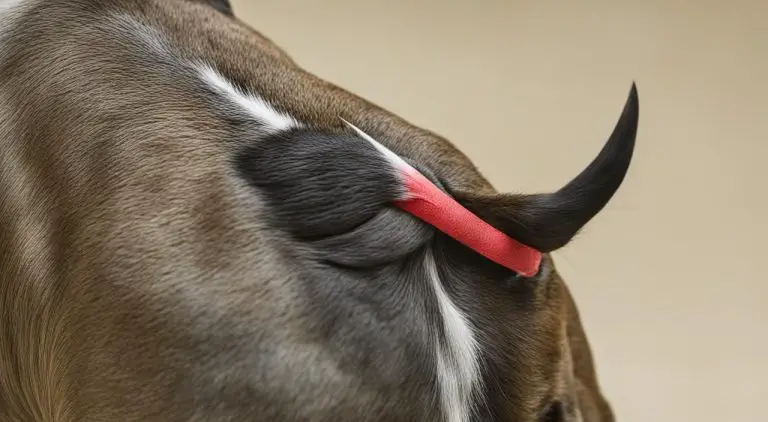
Tail Pocket Area
Frenchies can get rashes here because it’s warm, hidden, and easy to miss.
Ears + Skin Together
If your dog has itchy skin + ear issues, allergies and yeast jump to the top of the list.
The Most Common Causes of French Bulldog Skin Rash
Let’s break it down like a real-life detective case (because that’s basically what it is).
1) Environmental Allergies (Seasonal Allergies)
French Bulldogs often react to things like:
- grass
- pollen
- dust mites
- mold
These rashes are usually itchy, and you’ll see licking paws, belly redness, and face rubbing.
Clue: it gets worse during certain months or after walks.
2) Food Allergies or Food Sensitivities
Food issues can cause:
- itchy skin
- red ears
- paw licking
- belly rash
- recurring infections
Common triggers include chicken, beef, dairy, eggs, wheat, and sometimes peas/legumes.
Clue: rash comes and goes, or keeps returning no matter what shampoo you use.
3) Yeast Overgrowth (Super Common in Frenchies)
Yeast rash usually looks like:
- redness
- greasy skin
- thickened skin
- bad smell (“corn chip” or musty odor)
- itchy paws and ears
Clue: the rash smells bad or looks shiny/greasy.
4) Bacterial Infection (Folliculitis / Pyoderma)
Bacterial rashes can cause:
- pimples
- pustules
- scabs
- hair loss in patches
- soreness
Clue: bumps look like acne or little infected spots.
5) Contact Dermatitis (Something Touched Their Skin)
This happens when your Frenchie reacts to something they lay on or walk through, like:
- lawn chemicals
- cleaning products
- scented laundry detergent
- certain fabrics
- new shampoo
Clue: rash appears suddenly after a new product or cleaning day.
6) Parasites (Fleas, Mites, Mange)
Even indoor Frenchies can get fleas. Mites can also cause severe itch.
Clue: intense itching, especially near tail base, belly, elbows, or ears.
7) Heat Rash or Moisture Rash
Warm weather + skin folds = rash city.
Clue: it shows up after hot days, naps in warm spots, or sweaty wrinkles.
What To Do Right Away (Step-By-Step) When You Notice a Rash
If your Frenchie has a rash today and you’re unsure what it is, here’s a safe plan.
Step 1: Check the Whole Body (Not Just the Obvious Spot)
Look at:
- belly
- paws
- between toes
- armpits
- ears
- wrinkles
- tail pocket
Tip: take a photo. It helps you track changes and helps your vet later.
Step 2: Stop the Licking and Scratching
This is huge because licking turns irritation into infection fast.
Use:
- an E-collar (cone)
- a soft donut collar
- a recovery suit / dog onesie
Even 24 hours of less licking can improve inflammation.
Step 3: Clean the Area Gently
Use lukewarm water and pat dry.
Avoid:
- alcohol
- hydrogen peroxide
- essential oils
- human creams (unless your vet okays it)
Important: moisture sitting on the rash can make yeast and bacteria explode.
Step 4: Remove Possible Irritants
Quick checklist:
- switch to fragrance-free detergent
- rinse your dog after walks
- wipe paws + belly after grass time
- avoid new treats for a few days
Step 5: Monitor for “Red Flag” Symptoms
If you see any of these, skip home care and call the vet:
- swollen face or hives spreading fast
- open wounds or bleeding
- pus, heavy oozing, strong odor
- fever or acting lethargic
- refusal to eat
- rash near eyes getting worse
- constant crying or signs of pain
Frenchies can go downhill fast once infection gets deep, so don’t wait too long.
At-Home Relief Options That Usually Help (Without Risking Harm)
These can help calm mild irritation while you figure out the root cause.
Gentle Cooling for Itch
- cool compress for 5–10 minutes
- repeat 2–3 times daily
This helps reduce inflammation without chemicals.
Medicated Wipes (Vet-Approved Options)
Look for wipes made for dogs with:
- chlorhexidine (bacteria)
- miconazole/ketoconazole (yeast)
They’re helpful for areas like paws and folds.
Key point: consistency matters more than doing it once.
Hypoallergenic Bath Routine
A bath can help if allergies are flaring.
Tips:
- use a dog-specific sensitive skin shampoo
- rinse longer than you think you need to
- dry extremely well (especially folds)
If your Frenchie gets itchy after bathing, it might be the shampoo or incomplete rinsing.
When a French Bulldog Rash Needs a Vet (And Why)
If the rash lasts more than a few days, keeps returning, or looks infected, your vet is your best shortcut.
A vet may do:
- skin cytology (quick swab to see yeast/bacteria)
- skin scraping (for mites)
- culture (if infections keep returning)
- allergy plan (seasonal or food trials)
You may need treatment like:
- antibiotics
- antifungal meds
- medicated shampoo regimen
- allergy meds
- prescription diet trial
IMO, the fastest way to stop the cycle is treating the cause, not just the symptoms.
How to Tell If It’s Yeast, Bacteria, or Allergies (Quick Clues)
Here’s a simple guide to help you guess what you’re dealing with:
Signs It Might Be Yeast
- smells musty or “corn chip”
- greasy skin
- brownish discoloration
- itchy paws + ears together
Signs It Might Be Bacterial
- pimples/pustules
- scabs
- painful spots
- hair falling out in patches
Signs It Might Be Allergies
- seasonal flare-ups
- paw licking + face rubbing
- recurring ear issues
- rash improves indoors or worsens outside
None of this replaces a vet exam, but it helps you stop feeling clueless.
The Frenchie Skin Fold Problem (Wrinkle Rash + Dermatitis)
Wrinkle rashes deserve their own section because they’re so common.
Wrinkle rash is often caused by:
- trapped moisture
- bacteria + yeast buildup
- friction
- not drying properly after wiping
What helps:
- gently wipe folds daily
- dry completely
- avoid over-cleaning (yes, too much wiping can irritate)
If it smells, looks red, or your Frenchie hates you touching it, it may already be infected.
Food Trial Basics (If You Suspect Food Is the Trigger)
Food allergy testing isn’t always straightforward, so vets often recommend a strict diet trial.
A proper trial usually means:
- feeding a limited ingredient or hydrolyzed protein food
- no flavored meds, no extra treats, no table scraps
- sticking with it for 8–12 weeks
That sounds long, but it’s honestly one of the clearest ways to confirm food triggers.
FYI: even one chicken-flavored chew can mess up the results.
Preventing Skin Rashes in French Bulldogs (The Long-Term Plan)
Once your Frenchie’s skin improves, preventing the next flare-up is the goal.
Here are habits that work really well:
Keep a Simple Skin Routine
- wipe paws after walks
- dry wrinkles after drinking water
- clean tail pocket weekly if needed
- brush gently to remove allergens
Keep Your Home Allergy-Friendly
- wash bedding weekly
- vacuum often (especially rugs)
- use unscented cleaning products
Watch the “Trigger Times”
Many Frenchies flare up:
- during spring/fall pollen seasons
- after rainy walks (moisture + bacteria)
- during hot humid months
A little extra care during those times can prevent a full rash outbreak.
Choose Products Made for Sensitive Dogs
Avoid heavily scented:
- shampoos
- sprays
- wipes
- laundry detergents
Your Frenchie doesn’t need to smell like “fresh lavender linen.” They need their skin calm.
Common Mistakes That Make a Rash Worse
I see these all the time, so let’s save you the headache:
- waiting too long while the rash spreads
- using random human creams without checking safety
- not drying folds/paws properly
- letting licking continue “because it’s cute” (it’s not cute later)
- switching foods too often without a plan
- treating yeast like bacteria (or vice versa)
A rash is one of those things where small mistakes turn into big vet bills fast.
What a Healthy Frenchie Skin Routine Can Look Like (Simple + Realistic)
Here’s a basic weekly routine you can actually stick to:
- Daily: quick paw + fold check
- 2–3x/week: wipe paws if allergy-prone
- Weekly: wash bedding, check ears, inspect tail pocket
- Monthly or as needed: bath with sensitive shampoo
It doesn’t have to be intense. It just has to be consistent.
Final Thoughts: You’re Not Overreacting
If your French Bulldog has a skin rash, you’re not being dramatic. Skin issues are uncomfortable, they can escalate quickly, and Frenchies don’t always “tough it out.” The best thing you can do is stay calm, reduce irritation, stop the licking, and focus on the most likely cause.
And remember: the goal isn’t perfect skin forever. The goal is fewer flare-ups, faster recovery, and knowing what to do when your Frenchie’s skin acts up again.
FAQ: French Bulldog Skin Rash (What It Means + What To Do)
1) Why does my French Bulldog keep getting skin rashes?
French Bulldogs are prone to allergies, yeast overgrowth, and skin fold irritation. Many rashes come from recurring triggers like pollen, food sensitivities, moisture trapped in wrinkles, or repeated bacterial/yeast infections.
2) Can I treat my French Bulldog’s skin rash at home?
Mild rashes can sometimes improve with gentle cleaning, preventing licking, and using vet-safe wipes or shampoos. But if the rash is spreading, oozing, smelly, or lasting more than a few days, a vet visit is the safest choice.
3) How do I know if the rash is yeast or allergies?
Yeast rashes often smell musty and look greasy, while allergy rashes are usually intensely itchy and may flare after outdoor exposure. Many Frenchies have both, so vet testing like skin cytology helps confirm what’s actually happening.
4) What foods commonly cause French Bulldog skin allergies?
Common triggers include chicken, beef, dairy, eggs, and wheat, though every dog is different. A strict 8–12 week food trial is the most reliable way to identify food triggers.
5) When is a skin rash an emergency for a French Bulldog?
Seek urgent care if you see facial swelling, hives spreading rapidly, open wounds, pus, severe pain, fever, lethargy, or trouble breathing. These signs may indicate infection, a serious allergic reaction, or another urgent condition.