
Can You Use Human Yeast Creams On Dogs? What Vets Say

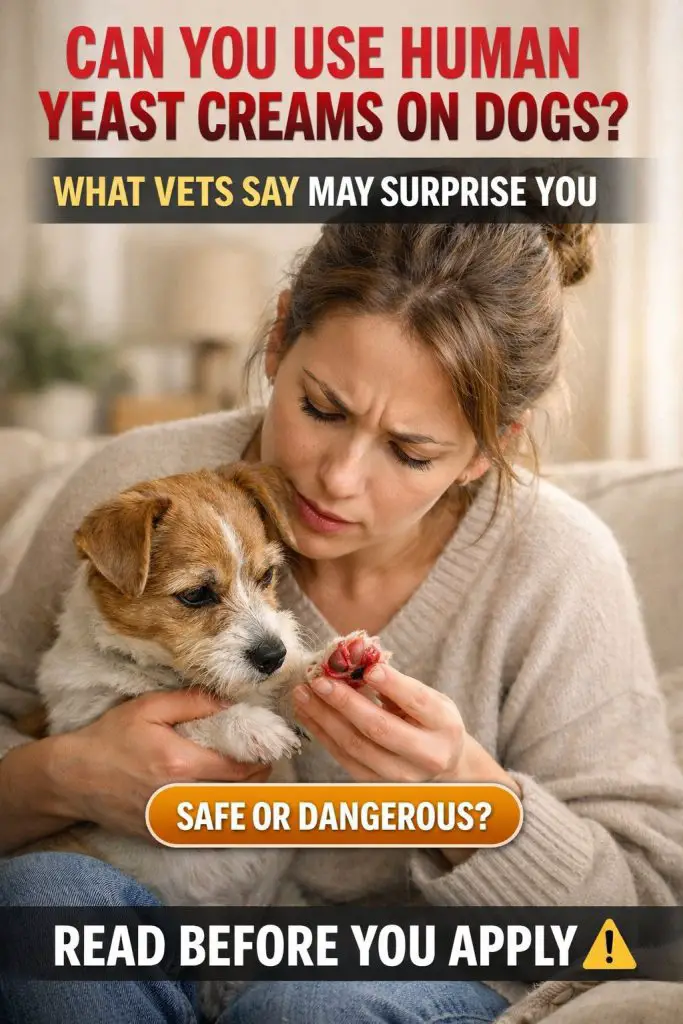
When Your Dog Is Itchy and Miserable
If your dog has ever dealt with a yeast infection, you know how frustrating it can be. The constant scratching, licking, and irritated skin can make both you and your pet miserable. Many dog owners find themselves staring at the medicine cabinet wondering, “Can I just use the antifungal cream I already have?” After all, human yeast creams are easy to find and often work quickly for people — so it seems logical to consider them for dogs too.
I think most pet parents have been in this situation at least once. I feel that moment of uncertainty is very real — you want to help your dog fast, but you also don’t want to accidentally make things worse. In my experience, the confusion usually comes from mixed advice online and the fact that some ingredients sound familiar but may not be safe in the same way for pets.
The good news is you’re in the right place. This article will walk you through exactly what vets say about using human yeast creams on dogs, when it might be okay, when it’s risky, and what safer alternatives exist. By the end, you’ll have clear, practical guidance you can trust.
Can You Use Human Yeast Creams On Dogs?
Short answer: Sometimes — but only certain types, and only with caution or veterinary guidance.
Some human antifungal creams contain ingredients that veterinarians also prescribe for dogs. However, dosing, formulation, and additional ingredients can make a big difference in safety.
Key Facts to Know
- Some antifungal ingredients are safe for dogs, including miconazole and clotrimazole.
- Not all human creams are safe — added pain relievers, zinc, or fragrances can cause problems.
- Dogs often lick treated areas, which increases risk compared to human use.
- Skin infections in dogs may have multiple causes, not just yeast.
- Veterinary products are usually safer because they’re formulated specifically for pets.
- Always consult a vet for severe, recurring, or widespread infections.
Immediate Safe Actions
If you suspect a yeast infection:
- Gently clean the area with a mild pet-safe cleanser
- Keep skin dry and well-ventilated
- Prevent licking with a cone or shirt
- Monitor for worsening redness, odor, or discharge
Why Dogs Get Yeast Infections in the First Place
Understanding the cause helps you treat the problem more effectively.
Yeast naturally lives on a dog’s skin. Problems happen when it overgrows.
Common triggers include:
- Allergies (food or environmental)
- Moisture trapped in skin folds
- Weak immune system
- Hormonal imbalances
- Frequent swimming or bathing
- Antibiotic use
- Oily skin conditions
Breeds with skin folds or floppy ears — like Bulldogs, Retrievers, and Spaniels — are especially prone.
What Human Yeast Creams Are Sometimes Safe for Dogs?
Some antifungal ingredients used for humans are also used in veterinary medicine.
Ingredients Vets Commonly Use
- Miconazole
- Clotrimazole
- Ketoconazole
- Nystatin
These medications fight fungal organisms like Malassezia, which is the yeast most often responsible for dog infections.
However — and this is important — the formulation matters more than the ingredient alone.
Human creams may contain:
- Alcohol
- Fragrance
- Pain-relief chemicals
- Steroids
- Zinc oxide
These extras can irritate or even harm dogs.
When It Might Be Okay to Use a Human Antifungal Cream
In mild situations, vets sometimes approve short-term use of certain products.
Examples of situations where it may be acceptable:
- Small localized skin patch
- Mild redness without open wounds
- Early-stage infection
- No history of allergic reaction
- Dog cannot easily lick the area
Still, it’s best to confirm with a veterinarian first — even through a quick phone call.
IMO, that extra confirmation is worth it for peace of mind.
When You Should NOT Use Human Yeast Creams on Dogs
There are situations where using human products is risky.
Avoid using them if:
- The infection is widespread
- Skin is bleeding, cracked, or raw
- The dog is constantly licking
- There is swelling or pus
- The dog seems in pain
- Symptoms keep returning
- The infection involves ears
- Your dog has other medical conditions
Ear infections especially require veterinary treatment because the eardrum can be damaged easily.
Signs Your Dog May Have a Yeast Infection
Not every skin problem is yeast. Recognizing symptoms helps.
Common signs include:
- Musty or “corn chip” smell
- Red or darkened skin
- Greasy or flaky patches
- Itching and licking
- Thickened skin
- Hair loss
- Brown staining around paws
- Ear debris or odor
If symptoms don’t improve within a few days, veterinary care is important.
How to Safely Apply Antifungal Cream to a Dog
If your vet approves using a human antifungal cream, proper application matters.
Step-by-Step Guide
- Clean the area gently
- Use lukewarm water or a vet-approved cleanser.
- Dry completely
- Moisture encourages yeast growth.
- Apply a thin layer
- More is not better.
- Prevent licking
- Use an e-collar if necessary.
- Wash your hands
- Prevent spreading infection.
- Monitor daily
- Look for improvement or irritation.
Stop use if redness worsens or your dog reacts negatively.
Safer Alternatives Vets Often Recommend
Veterinary products are usually the best choice because they’re designed for pets.
Common options include:
Medicated Shampoos
- Miconazole shampoo
- Ketoconazole shampoo
- Chlorhexidine combinations
These treat larger areas safely.
Prescription Creams or Sprays
- Pet-specific antifungal creams
- Combination steroid-antifungal medications
Oral Medications
Used for:
- Severe infections
- Chronic conditions
- Recurring yeast problems
Only a veterinarian should prescribe oral antifungals.
Natural Remedies: Do They Work?
Some pet owners prefer natural approaches.
Options sometimes used include:
- Diluted apple cider vinegar rinses
- Coconut oil
- Probiotic support
- Dietary changes
However, these are supportive, not cures for moderate or severe infections.
Always avoid applying vinegar to broken skin — it can sting badly.
When to See a Vet (Important Safety Notes)
You should seek veterinary care if:
- Symptoms last more than 5–7 days
- Infection keeps returning
- Dog seems uncomfortable or lethargic
- Skin becomes thick or dark
- There is discharge or bleeding
- Ears are involved
- Multiple areas are affected
Recurring yeast infections often signal an underlying allergy or medical condition.
Treating the root cause is key to long-term relief.
Step-by-Step Yeast Infection Care Checklist for Dog Owners
This simple checklist can help you manage mild cases safely.
✔ Check skin daily for redness, odor, or moisture
✔ Clean and dry affected areas thoroughly
✔ Trim fur around problem spots if needed
✔ Apply vet-approved treatment only
✔ Prevent licking or scratching
✔ Wash bedding frequently
✔ Keep ears dry after bathing
✔ Monitor for improvement within 3–5 days
✔ Contact vet if symptoms worsen or spread
Many pet parents save this type of checklist for future reference — it’s helpful when flare-ups happen again.
Preventing Future Yeast Infections
Prevention focuses on reducing moisture and supporting skin health.
Helpful strategies include:
- Regular grooming
- Drying paws after walks
- Managing allergies
- Feeding high-quality food
- Keeping skin folds clean
- Using probiotic support (if vet-approved)
- Maintaining healthy weight
Dogs prone to yeast often need ongoing management rather than one-time treatment.
Vet Insights: What Professionals Want Owners to Know
Veterinarians commonly emphasize a few important points:
1. Yeast infections are often secondary problems.
There’s usually an underlying cause like allergies.
2. Over-the-counter treatments can delay proper diagnosis.
Temporary improvement doesn’t always mean the issue is resolved.
3. Chronic infections need deeper investigation.
Bloodwork, allergy testing, or diet trials may be needed.
4. Early treatment prevents complications.
The sooner you act, the easier it is to manage.
The Emotional Side: Helping Your Dog Feel Better
Watching your dog scratch nonstop can be heartbreaking.
Dogs with yeast infections often feel:
- Irritated
- Uncomfortable
- Restless
- Frustrated
Providing relief quickly improves their mood and quality of life — and strengthens your bond.
Sometimes the smallest steps, like gentle cleaning and comfort, make a big difference.
Final Thoughts: What You Should Remember
Yes — some human yeast creams can be used on dogs, but only cautiously and preferably with veterinary guidance.
The safest approach is always:
- Confirm the diagnosis
- Use pet-specific treatments when possible
- Monitor closely
- Address underlying causes
You’re not alone in wondering about this. Many loving pet owners want fast solutions when their dogs are uncomfortable.
The fact that you’re researching before applying anything already shows you’re a responsible, caring dog parent.
If you’re ever unsure, a quick call to your vet can provide clarity and reassurance — and help your furry friend feel better sooner.
Your dog depends on you for comfort and care, and with the right information, you’re absolutely capable of giving them both. 🐾