Cute Kitty Softie Cat Sewing Pattern: 7 Adorable Designs to Stitch

Creating a handmade cat softie offers a simple and enjoyable way to sew something cute and personal. With a clear pattern, soft fleece, and a few easy steps, anyone can craft an adorable plush companion that feels warm and comforting. This project gives anyone the chance to sew a huggable kitten while learning basic softie-making techniques.
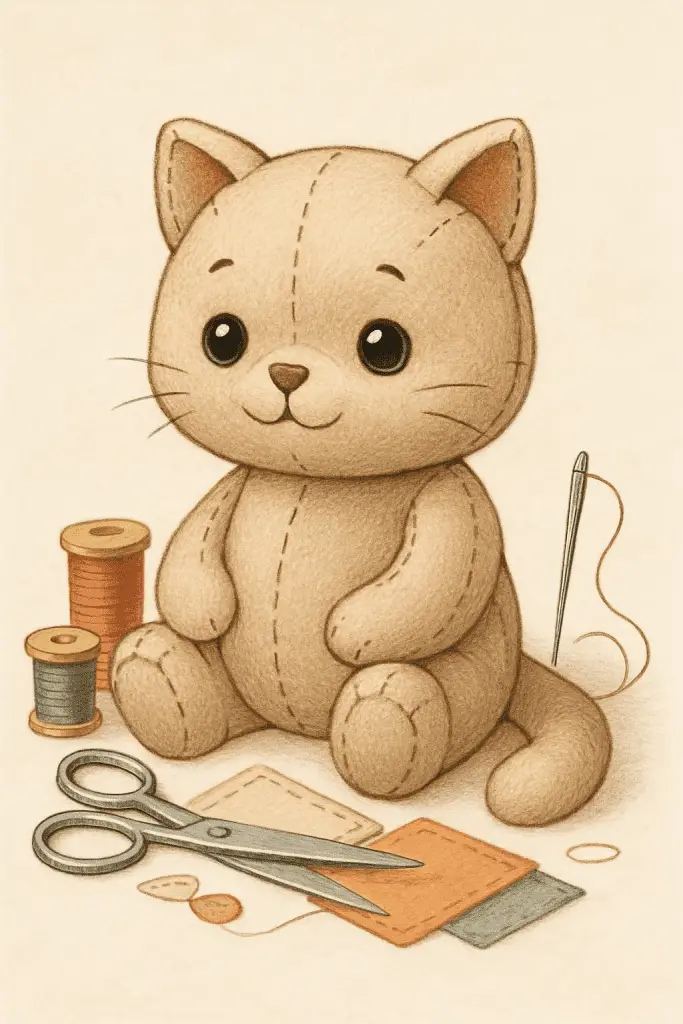
The Cute Kitty Softie Cat sewing pattern provides everything needed to bring a small fabric kitten to life. It focuses on easy construction, helpful visuals, and flexible options for fabrics and colors. Each softie can reflect personal style while keeping the process approachable and fun.
1) Cute Kitty Softie Cat sewing pattern PDF with detailed illustrated tutorial
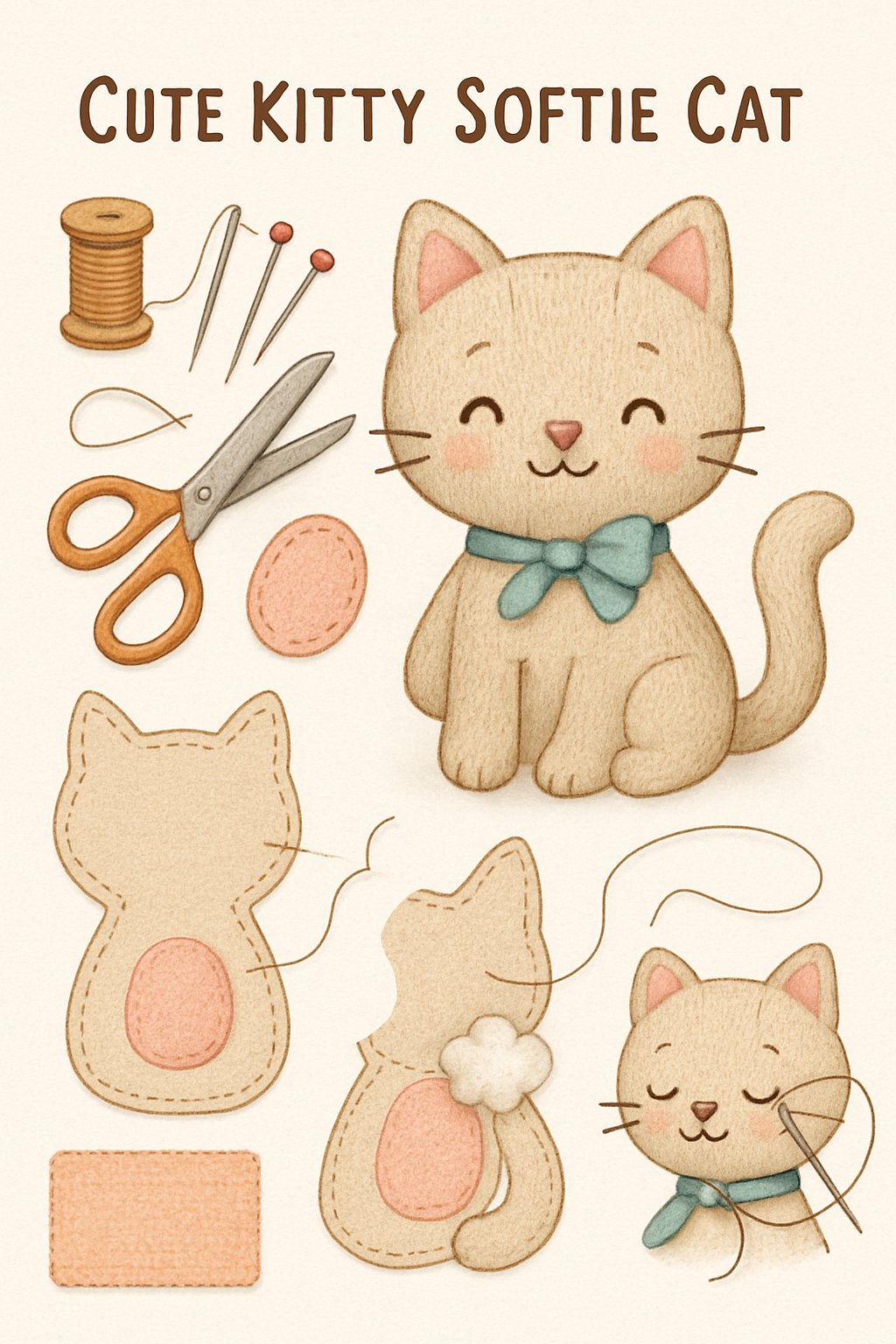
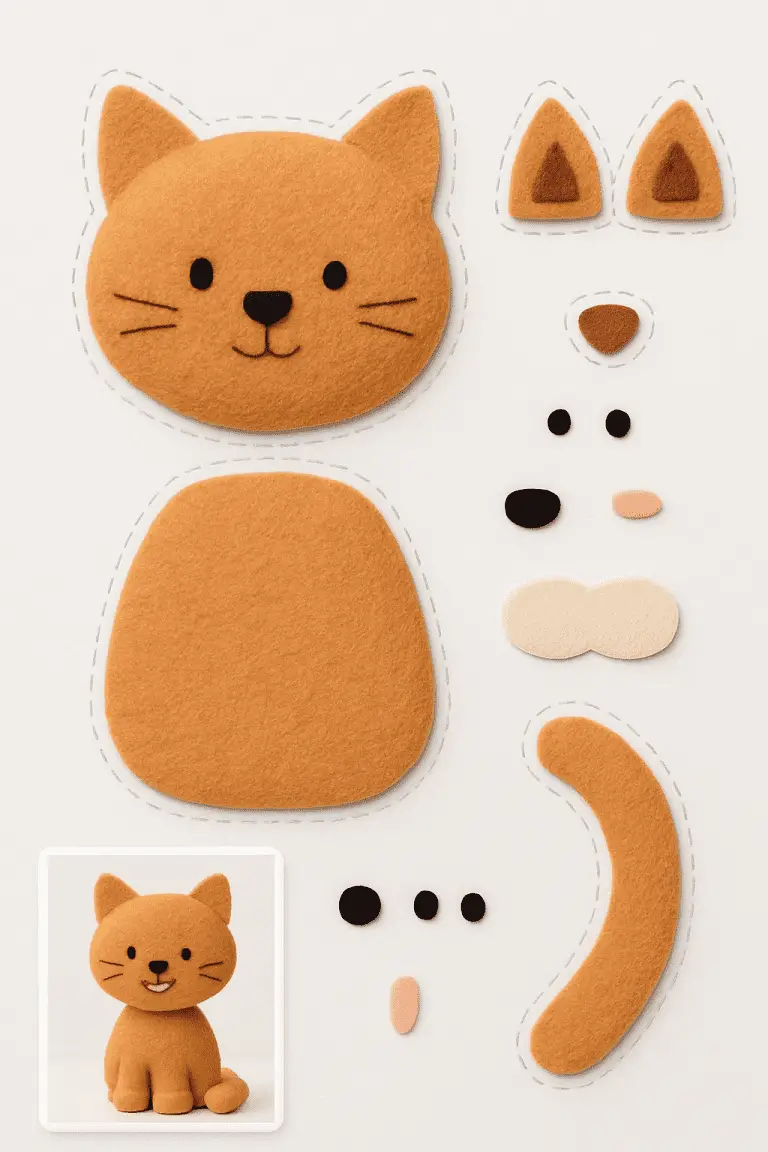
The Cute Kitty Softie Cat sewing pattern provides a printable PDF file that can be used at home. It includes clear step-by-step instructions with detailed illustrations to help users through each stage of the project.
This pattern creates a small plush cat about ten inches long without the tail. It’s designed for easy handling, making it suitable for beginners or anyone looking for a simple sewing project.
The tutorial covers materials, cutting, and assembly, ensuring that anyone with basic sewing skills can complete a soft, huggable toy.
2) Gray fleece recommended for a soft and fantastic finish
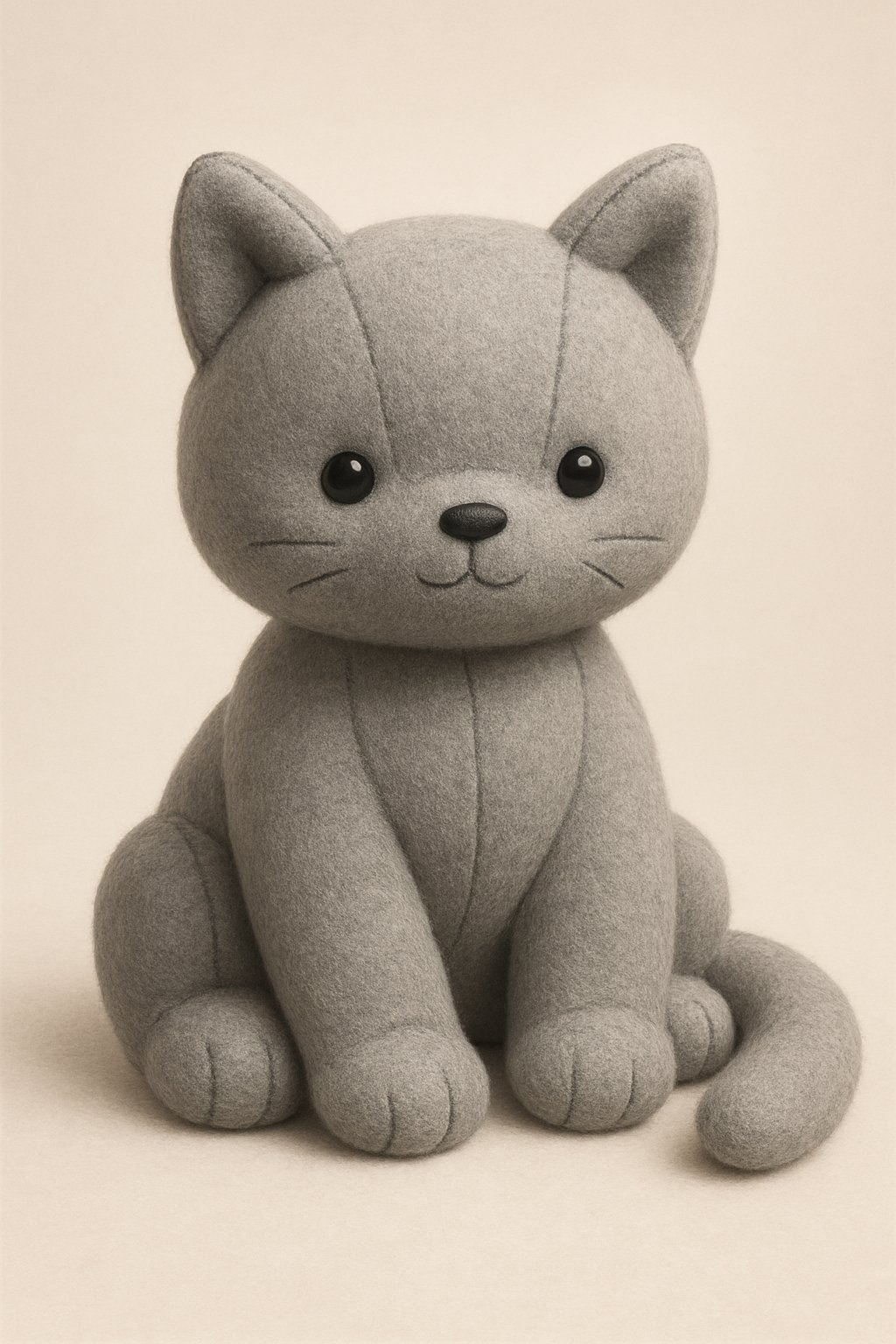
Gray fleece gives the kitty softie a warm and cozy feel while keeping the surface smooth and easy to sew. It works well for both beginners and experienced sewists because it stretches slightly and hides small stitching errors.
This fabric keeps its shape after stuffing and offers a neutral tone that suits most embroidery thread colors for the face and paws. Many makers find that gray fleece produces a balanced, soft finish that highlights the pattern’s cute features without distracting from them.
3) Kitten softie measures 10 inches long without the tail
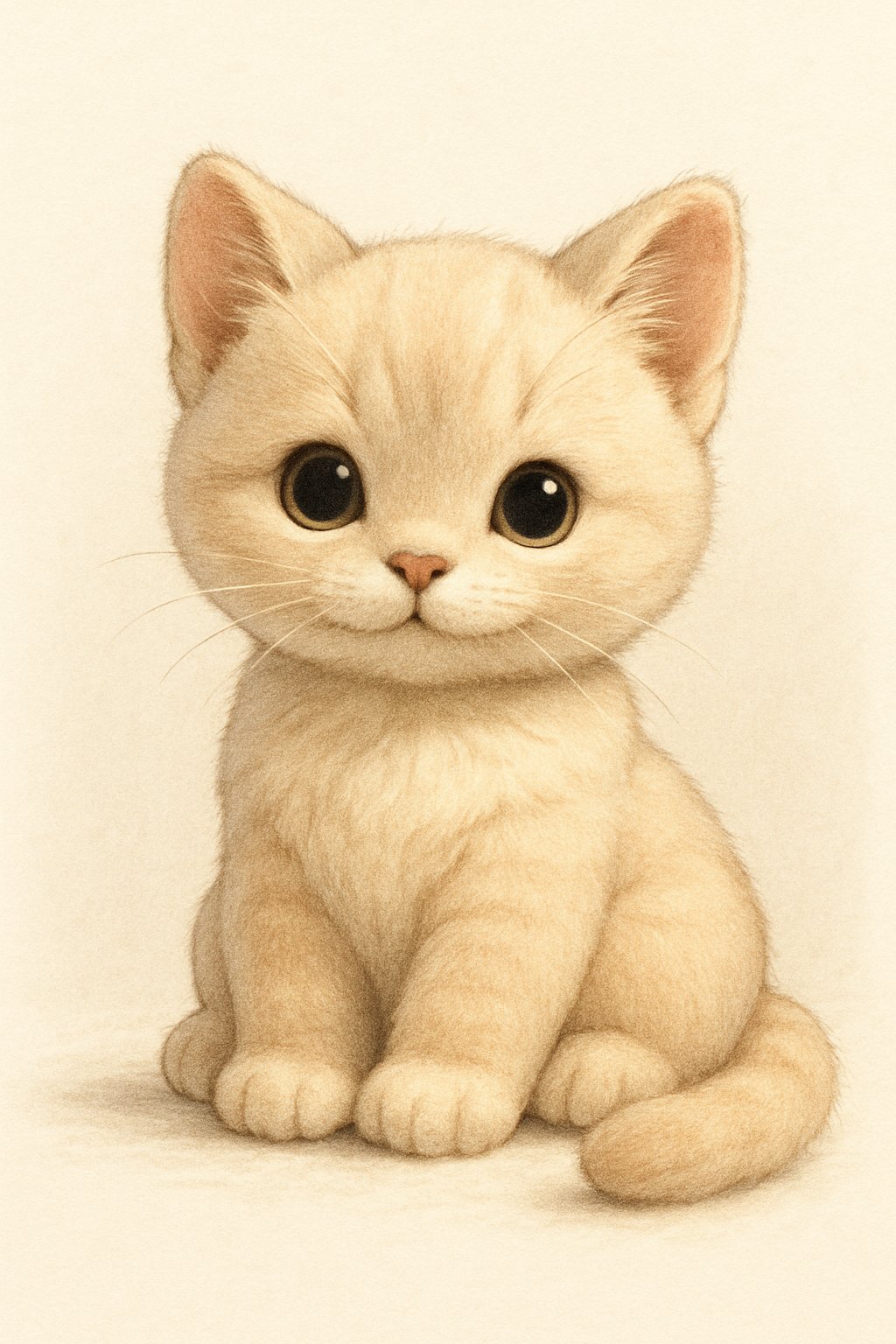
The finished kitten softie measures about 10 inches from nose to back, not including the tail. This size makes it comfortable to hold and easy to display.
Its compact design suits both beginners and experienced sewists. The pattern provides clear directions to help maintain the correct proportions.
When completed, the kitten’s length gives it a balanced, realistic shape. It fits neatly in a lap or on a shelf without taking up much space.
4) Easy-to-follow instructions perfect for beginners
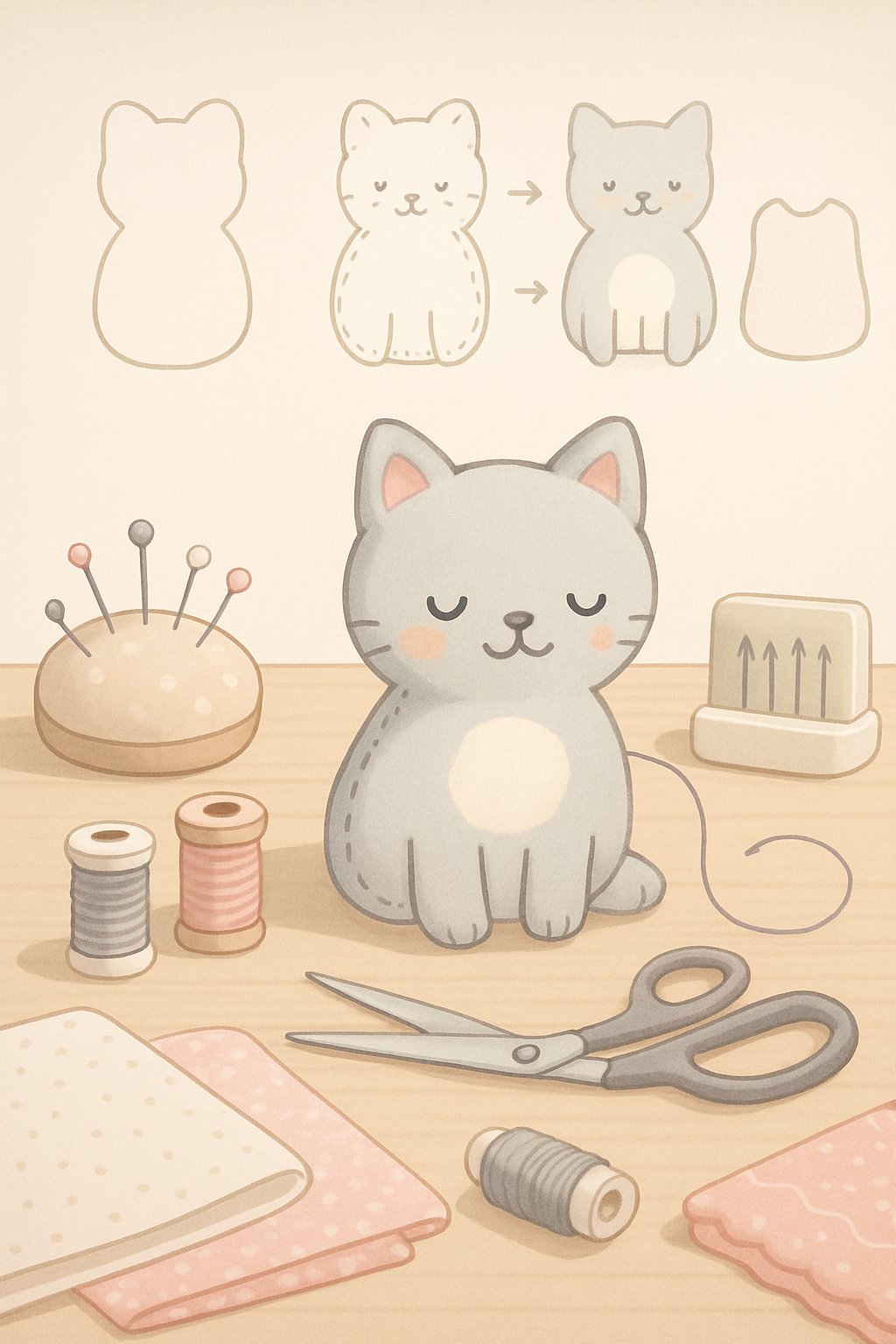
The Cute Kitty Softie Cat pattern includes step-by-step directions written in simple language. Clear photos guide users through each stage, from cutting fabric pieces to stitching them together.
Beginners can follow along easily without prior sewing experience. The pattern explains basic techniques like running stitches and assembling the body and tail.
Each step focuses on building confidence and accuracy. With only a few materials and straightforward steps, users can complete a soft, cuddly cat that looks well-finished and neatly sewn.
5) Printable PDF patterns available on Etsy
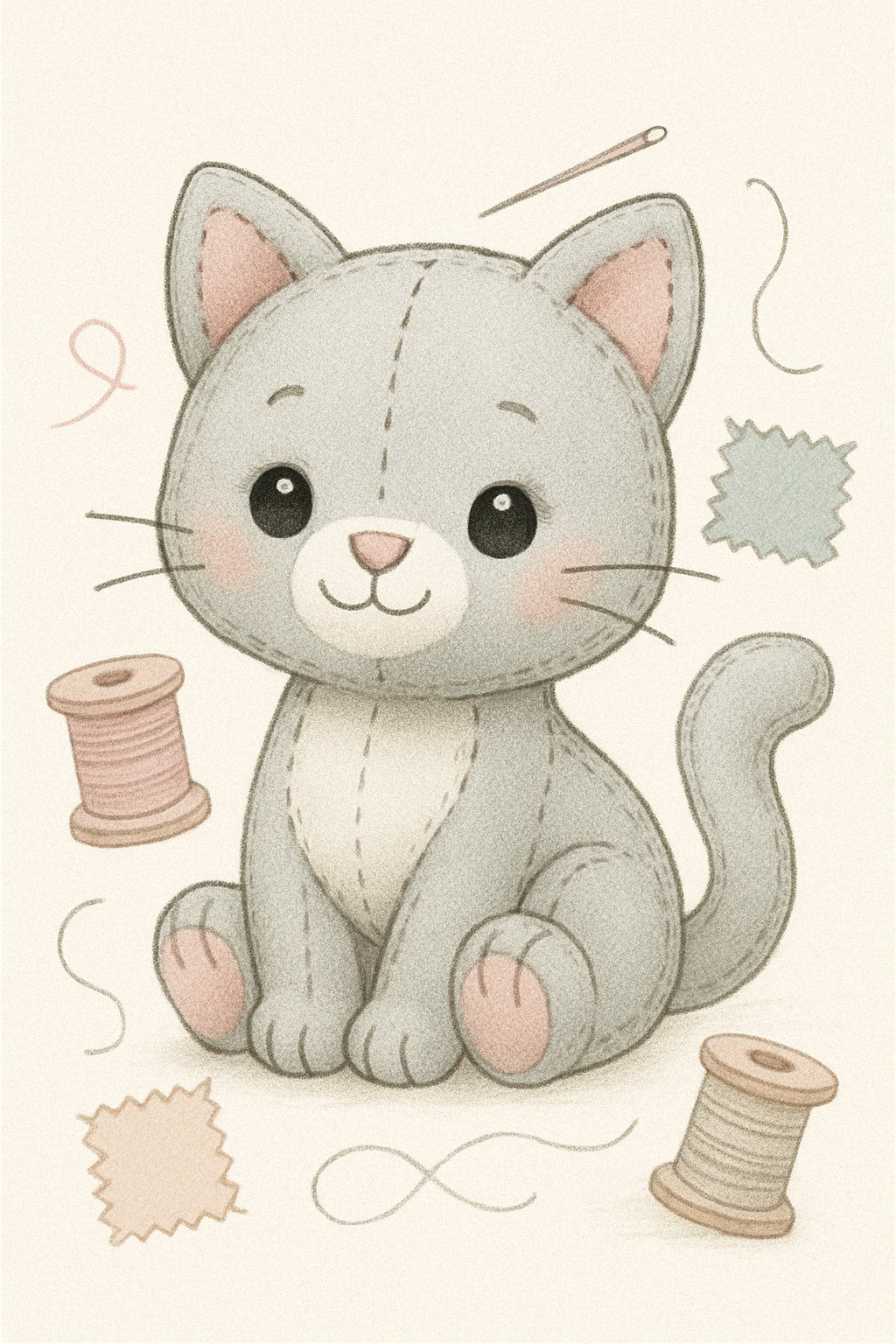
Several Etsy shops offer printable PDF versions of the Cute Kitty Softie Cat sewing pattern. Each download provides full-size templates that can be printed at home.
These patterns often come with illustrated step-by-step guides, making them suitable for beginners. The instructions show how to cut, stitch, and assemble the fabric pieces correctly.
Buyers receive the download link immediately after purchase. Most listings note that the finished cat measures around 10 inches long and use materials such as fleece for the body and felt for the face details.
6) Includes tips for hand sewing a huggable plushie
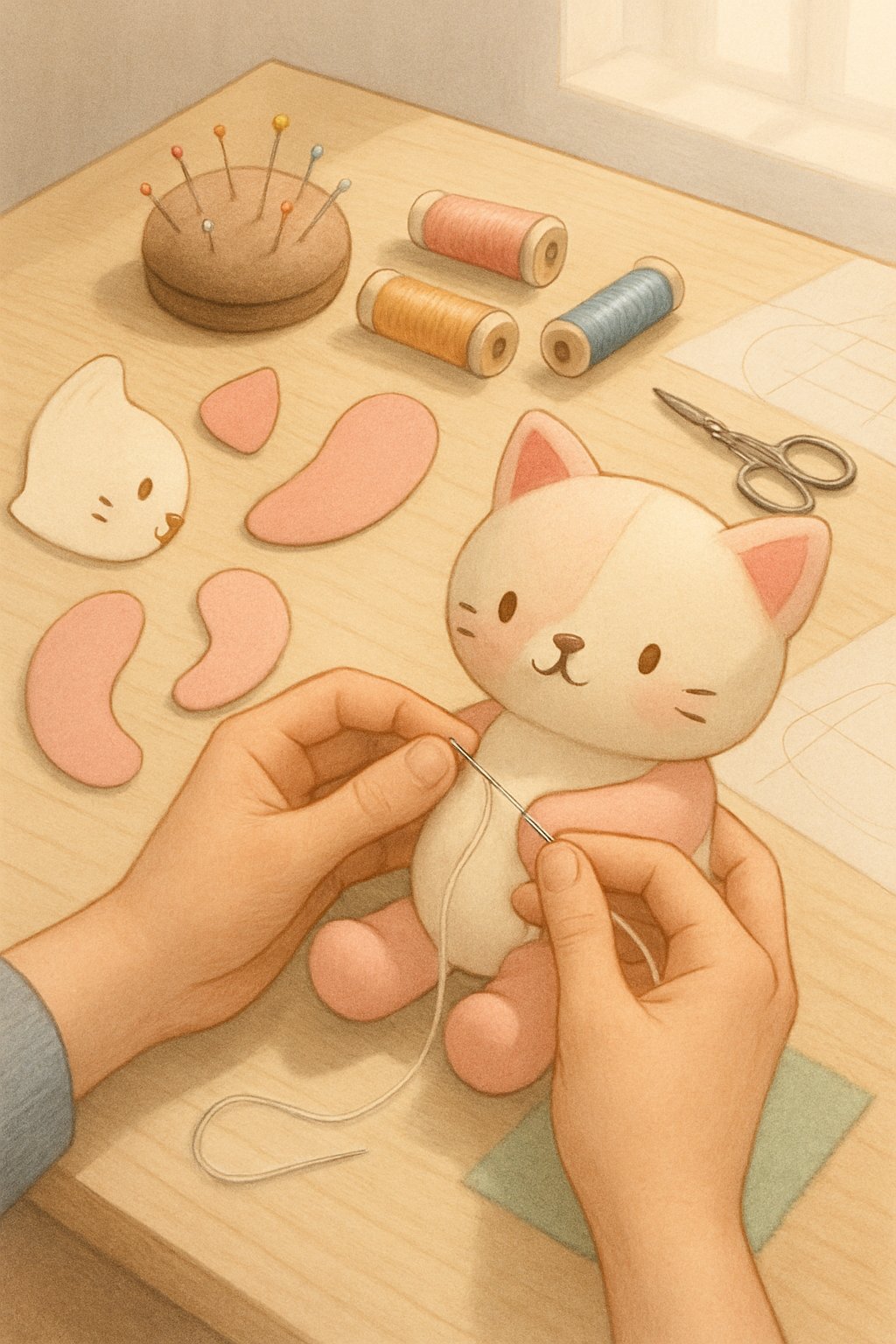
Hand sewing a soft cat plushie works best with small, even stitches. They keep seams neat and strong. Using a backstitch helps hold the fabric firmly when the toy gets hugged often.
Stuffing in small amounts at a time keeps the shape balanced. They should adjust the fill to avoid lumps and give the plush a smooth surface.
Pinning pieces before stitching prevents fabric from slipping. A fine needle and matching thread create a clean finish, making the plush look tidy and carefully made.
7) Option to customize colors and fabrics
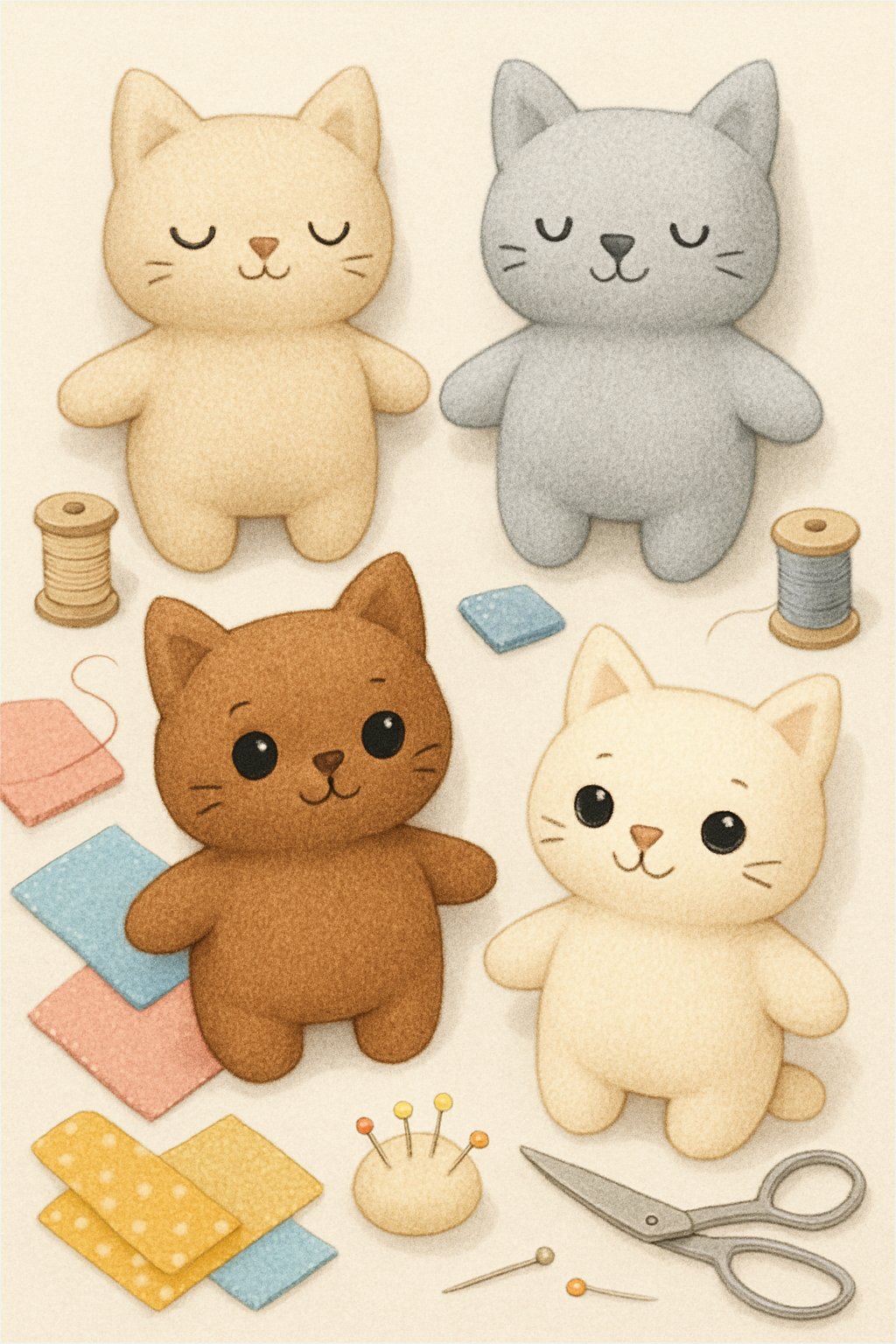
Crafters can choose from a wide range of fabrics to create a unique look for each kitty softie. Fleece, felt, or cotton all work well for different textures and styles.
They can mix solid colors or patterned fabrics to add personality. Some prefer classic gray or beige, while others use bright prints or floral designs for a playful look.
This flexibility allows every project to reflect the maker’s taste. Simple changes in fabric or color can make each softie distinct, even when using the same pattern.
Choosing Fabrics and Tools
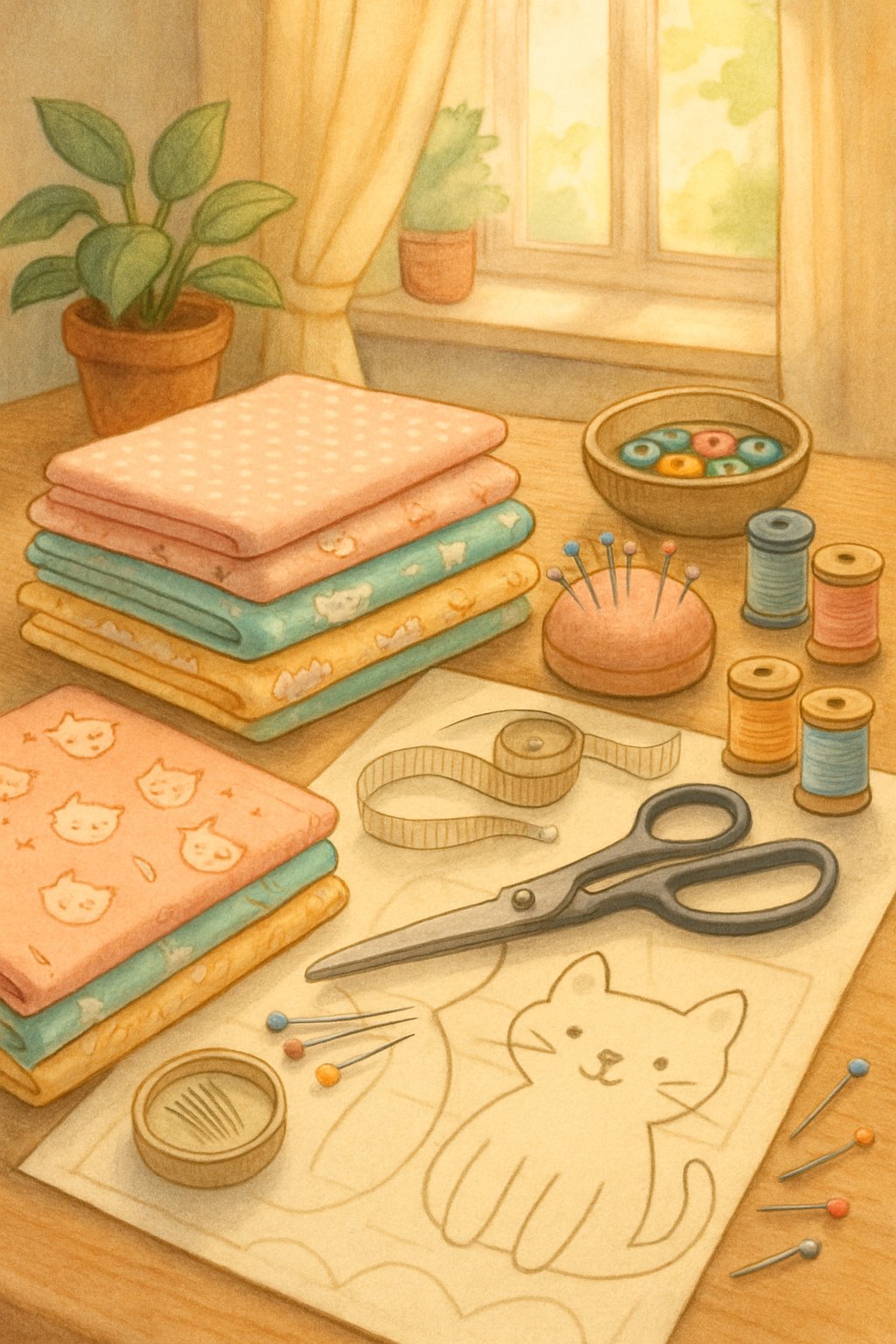
Selecting the right materials and equipment helps the finished kitty softie look neat, last longer, and feel pleasant to hold. Quality fabric, proper stuffing, and reliable tools make sewing easier and improve the toy’s durability.
Recommended Materials for Kitty Softies
Softies feel best when made with plush and flexible fabrics. Fleece, minky, or cotton flannel are common choices since they are soft, easy to sew, and safe for children. Fleece resists fraying, while cotton allows for simple pattern transfers. Makers who prefer hand stitching often use felt, as it holds its shape and doesn’t require hemming.
When choosing fabric, the designer should check for tightly woven materials that can handle frequent handling. Pre-washing removes any shrinkage or residue that could distort the final shape.
For the filling, polyester fiberfill remains the most common choice because it is lightweight and washable. For a firmer feel, small amounts of cotton stuffing or fabric scraps may be added. Optional safety eyes, embroidery thread, or felt patches add detail to the face and body. A small table of useful materials:
| Purpose | Common Material | Note |
|---|---|---|
| Body | Fleece, Minky, Cotton Flannel | Soft and durable |
| Features | Felt, Embroidery Thread | Easy to shape and stitch |
| Stuffing | Polyester Fiberfill | Washable and light |
Essential Sewing Supplies
Accurate stitching depends on using the correct tools. A sewing machine speeds up work and provides uniform seams, though hand sewing works well for beginners or small projects. Sharp fabric scissors or a rotary cutter help achieve clean cuts, especially around curves. Straight pins or clips keep pieces aligned without shifting.
A needle set, including hand-sewing and embroidery needles, allows detail work such as attaching ears or sewing facial features. Matching thread improves appearance and hides seams. Fabric markers or tailor’s chalk make tracing patterns easier.
An iron, cutting mat, and seam ripper round out the basic toolkit. These tools keep fabric flat, protect work surfaces, and allow small fixes with minimal damage. Consistent preparation and careful handling of materials create tidy results that resemble professional work.
Tips for Sewing and Personalizing Your Softie
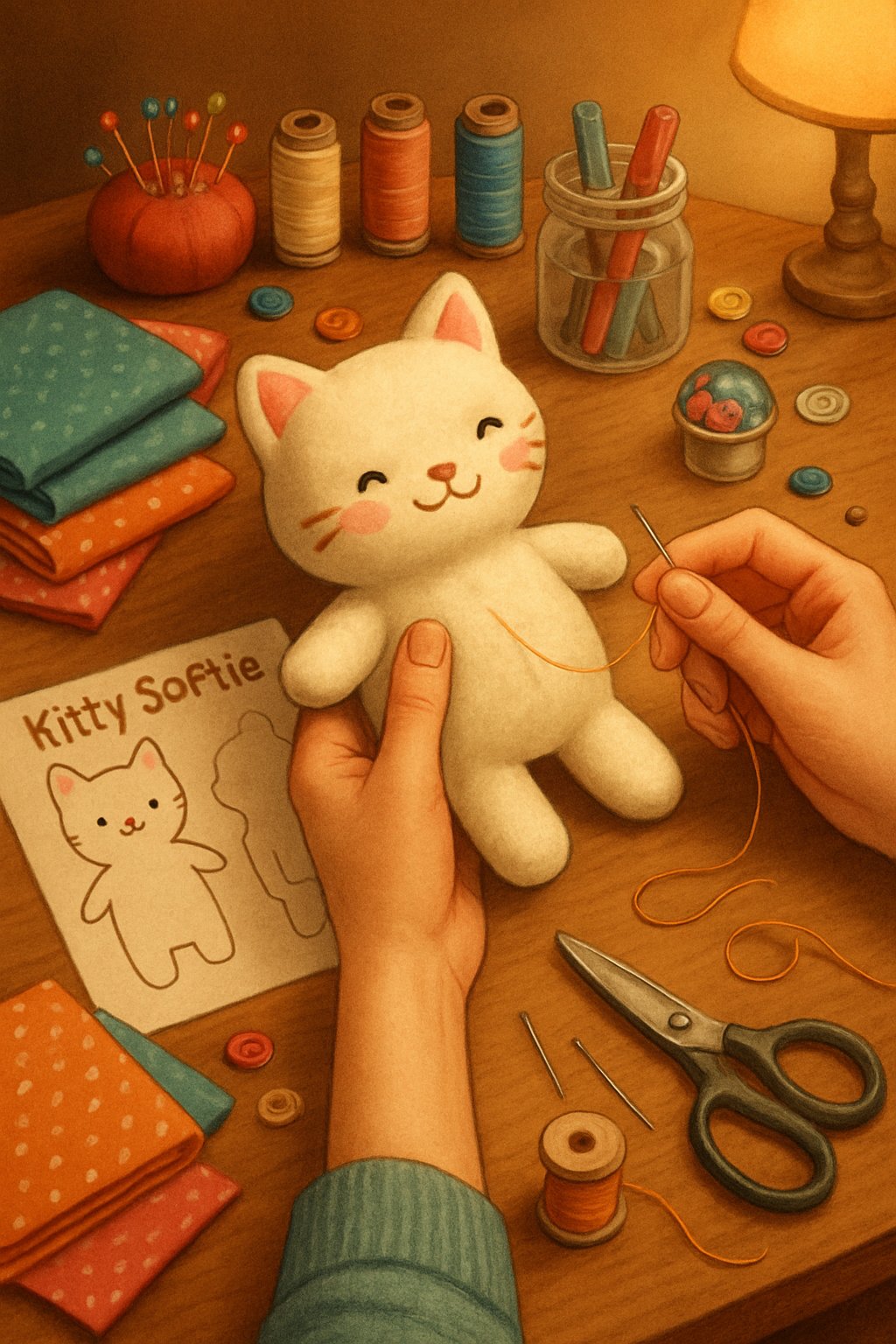
Good stitching, neat seams, and careful detail work make every softie look polished. Small design changes, fabric choices, and decorative elements help turn the same pattern into something unique for each maker.
Techniques for Achieving a Professional Finish
Start with clean, pre-washed fabric to prevent shrinking or color bleeding. Press the fabric before cutting so pieces stay even. When tracing the pattern, use fine chalk or a fabric pen for accuracy.
Consistent seam allowance makes a big difference. A ¼-inch allowance is common for soft toys. Clip curves and trim corners before turning the fabric right side out to reduce bulk and help shapes form neatly.
Use tight, even stitching. For small projects, a short stitch length (about 2.0 mm) helps reinforce seams. Hand-stitch the closing gap with a ladder stitch so the seam blends in. Light stuffing helps shape ears and paws, while firm stuffing supports the body.
Press seams lightly with a warm iron after turning and stuffing. This smooths wrinkles and gives the softie a cleaner, store-bought look.
| Step | Focus Area | Tip |
|---|---|---|
| 1 | Cutting | Use sharp scissors for clean edges |
| 2 | Stitching | Keep tension even throughout |
| 3 | Finishing | Hide knots and stray threads |
Creative Ideas for Customization
Different fabrics change the look of the same pattern. Felt, fleece, and cotton each give a different texture. For example, fleece makes a softer plush feel, while cotton allows for printed designs.
Add character with embroidery for facial features, or attach small buttons for eyes—secure firmly for safety if the toy is for a child. Use ribbons, collars, or bows to match themes like holidays or birthdays.
Printing personalized tags or adding initials on the paw or ear makes each piece distinct. Makers often mix patterned and solid fabric to highlight paws, tails, or patches. Try soft pastel tones for a gentle look or bright shades for a playful one.
These small details transform a basic cat softie into a one-of-a-kind keepsake.