
What Is the XL Bully Ban — and How Dangerous Are These Dogs?

24 March 2025
Strict laws around owning XL bully dogs have been introduced across the UK following a number of serious attacks, some of which were fatal. Even after the rules came into effect, incidents have continued, and police say enforcing the ban has created a significant strain on resources.
So what exactly is an XL bully, how risky are they, and how does the ban work?
What Is an American XL Bully?
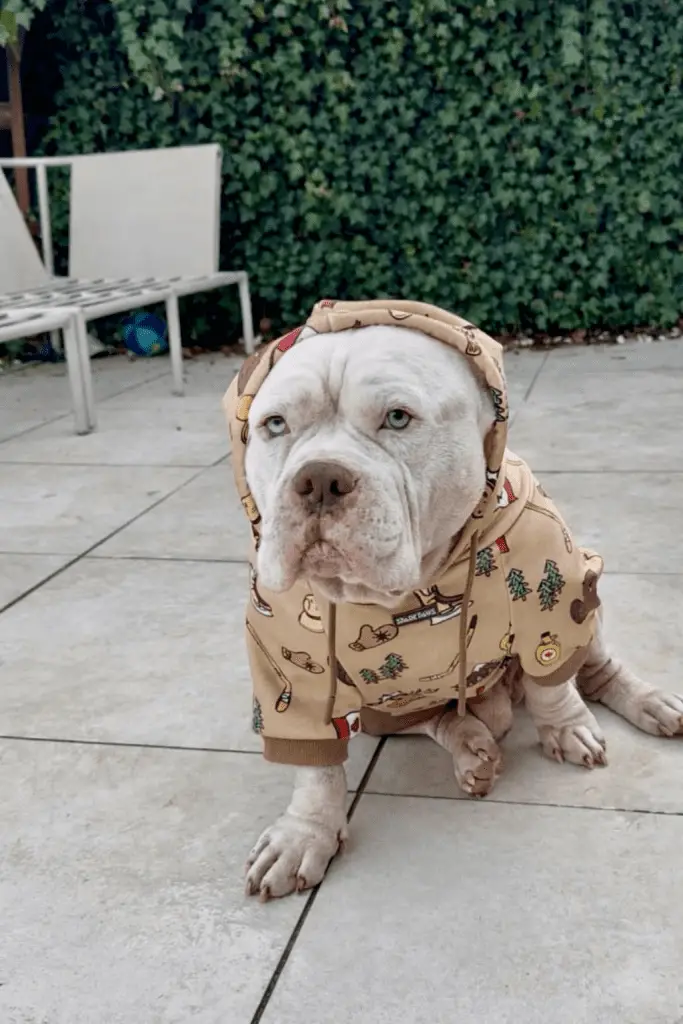
The American XL bully is the largest type within the American bully category. It’s important to note that it isn’t officially recognized as a single, standardized breed. Instead, the UK government created guidance to help identify dogs that fall into this category.
Typically, XL bullies are described as large, muscular dogs with a broad, block-shaped head that gives the impression of strength and power. Male dogs are usually at least 20 inches (51 cm) tall at the shoulder, with females slightly smaller. A dog may be classified as an XL bully if it meets the minimum height along with several other physical characteristics.
There are currently no reliable figures for how many XL bully dogs exist in the UK.
How Dangerous Are They?
Official statistics don’t break down attacks by dog type, which makes it difficult to measure the exact risk posed by XL bullies alone. However, when the government announced the ban, it stated that this type of dog had been disproportionately linked to fatal incidents since 2021.
In some tragic cases, XL bullies were responsible for killing their own owners or family members, including children.
More broadly, dog attacks remain a public health concern across the UK:
- Nearly 11,000 hospital admissions for dog bites were recorded in England during 2023–24.
- Wales reported more than 600 admissions, while Scotland had over 1,100.
- There were seven deaths from dog attacks in England and Wales during the same period, although this number may rise due to reporting delays.
How the Ban Works in England and Wales
The ownership of XL bully dogs now falls under restrictions within the Dangerous Dogs Act 1991.
Key dates include:
- 31 December 2023: It became illegal to sell, give away, abandon, or breed XL bully dogs.
- 1 February 2024: Owning one without an official exemption certificate became a criminal offence.
Before the deadline, about 61,000 exemption applications were submitted.
To qualify for an exemption, owners had to:
- Microchip the dog
- Purchase insurance
- Pay a fee (£92.40 per dog)
Registered dogs must:
- Be kept securely at home
- Be neutered
- Wear a muzzle and remain on a lead in public
Police can seize dogs that are not properly registered. Owners who break the law could face up to six months in prison, an unlimited fine, or both.
Rules in Scotland and Northern Ireland
Similar measures apply across the rest of the UK.
- Scotland: Restrictions began on 23 February 2024, with an exemption deadline of 31 July 2024.
- Northern Ireland: Dogs must be muzzled and on a lead in public from 5 July 2024, with exemptions closing on 31 December 2024.
Penalties for breaking the rules include prison sentences of up to six months and fines of up to £5,000.
How Many People Are Prosecuted for Dog Attacks?
In the year leading up to June 2024 — which included several months after the new rules started — 772 people in England and Wales were prosecuted for allowing a dog to injure someone in a public place. Of those, 628 cases resulted in convictions.
Impact on Police Costs
Enforcing the new legislation has significantly increased costs for police forces.
According to the National Police Chiefs’ Council:
- 4,586 suspected banned dogs were seized between February and September 2024.
- In comparison, only 283 were seized during all of 2023.
- 848 dogs were euthanised during that period — more than double the number in 2023.
These figures include all banned breeds, not only XL bullies.
By April 2025, police forces were expected to have spent £25 million due to the new rules, covering kennel fees, veterinary costs, and enforcement — a 500% increase compared with 2018.
Why Some Charities Oppose the Ban
Several major animal welfare organizations argue that banning specific breeds does not effectively reduce dog attacks. Groups including Battersea Dogs & Cats Home, Dogs Trust, the Kennel Club, the RSPCA, and the British Veterinary Association believe the law unfairly punishes responsible owners and well-behaved dogs.
Instead, they are calling for a full reform of the Dangerous Dogs Act, with a stronger focus on owner responsibility and harsher penalties for people who fail to control their pets.
Other Breeds Banned in the UK
The Dangerous Dogs Act already prohibits four other types of dogs:
- American Pit Bull Terrier
- Japanese Tosa
- Dogo Argentino
- Fila Brasileiro
The Ongoing Debate
The XL bully ban has sparked strong opinions on both sides. Supporters argue it improves public safety, while critics say the focus should be on irresponsible ownership rather than breed type.
As enforcement continues, the long-term impact of the ban — on both public safety and animal welfare — remains a topic of national debate.