French Bulldog Puppy Biting: How To Stop Fast

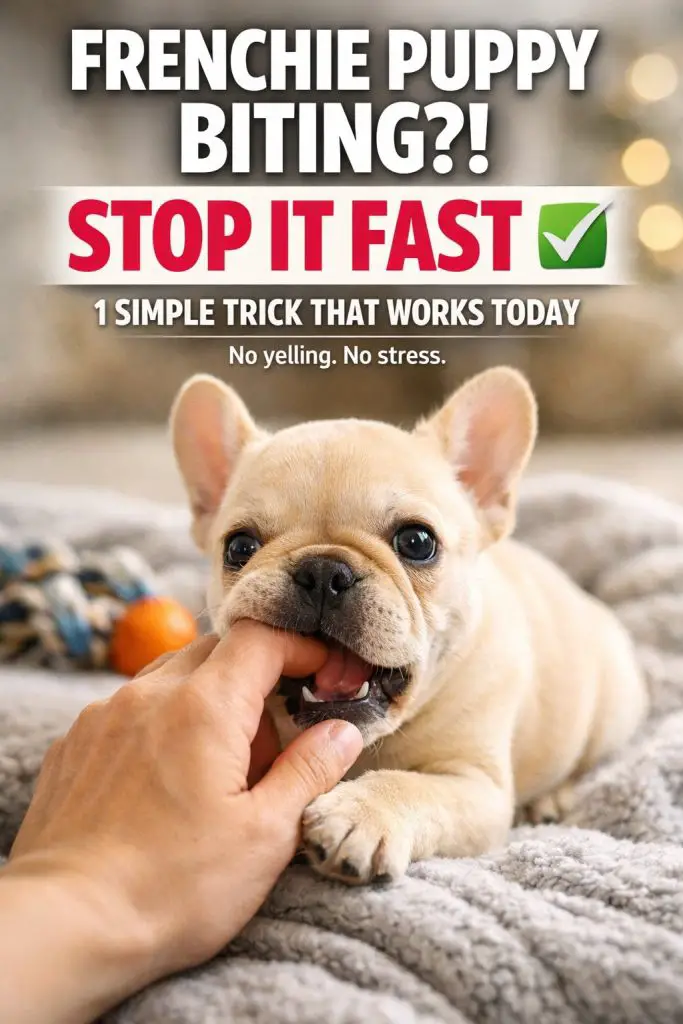
If you’ve got a French Bulldog puppy right now, chances are you’ve asked yourself the same question every single day: “Why is my Frenchie biting so much… and how do I stop it fast?” One minute they’re cuddly and sweet, and the next minute they’re chomping your fingers like tiny land sharks. And honestly? It can feel so frustrating, especially when the biting seems nonstop, painful, and totally random.
I’ve been around puppies (and especially stubborn little cuties like Frenchies) long enough to know how intense this phase can be. I think the hardest part is when you’re doing “all the right things,” but your pup still bites like it’s their full-time job. In my opinion, French Bulldogs are extra bold, extra playful, and extra mouthy… which is adorable until your hands look like they got into a fight with a stapler. I feel you, and I’m going to walk you through exactly what works.
The good news? You can absolutely stop French Bulldog puppy biting fast—but it takes the right approach, not just yelling “No!” or giving random chew toys. This article will help you understand why your puppy is biting and give you clear steps to fix it quickly, safely, and in a way that actually sticks.
Why French Bulldog Puppies Bite So Much (It’s Not Because They’re “Bad”)
Let’s start with something important: puppy biting is normal. Annoying? Yes. Painful? Yep. But normal.
French Bulldog puppies bite for a few main reasons, and once you understand them, the whole thing becomes way easier to manage.
Here are the most common causes:
- Teething pain (their gums hurt, so they chew to feel relief)
- Play behavior (they don’t know human skin is sensitive)
- Overstimulation (they get too excited and lose self-control)
- Attention-seeking (biting gets a reaction, so they repeat it)
- Tiredness (overtired puppies bite more—just like cranky toddlers)
- Lack of bite inhibition training (they haven’t learned gentle mouth control yet)
So no, your puppy isn’t aggressive. They’re just learning how to puppy.
When French Bulldog Puppy Biting Is Normal vs. When to Worry
Most of the time, biting is just part of growing up. But it’s still smart to know the difference between normal puppy biting and concerning behavior.
Normal Puppy Biting Looks Like This:
- Biting during play
- Nipping at hands, ankles, clothing
- Chewing furniture and objects
- Biting more when they’re excited
- Letting go when redirected
You Should Pay More Attention If You See:
- Growling with stiff body posture
- Snapping without play signals
- Biting that causes deep wounds repeatedly
- Guarding behavior (biting when you approach food or toys)
- Biting that gets worse over time instead of improving
If that last list sounds like your Frenchie, it doesn’t automatically mean they’re dangerous… but it does mean you should consider professional help from a trainer or vet behaviorist.
The Fastest Way to Stop French Bulldog Puppy Biting (What Actually Works)
If you want results quickly, you need to focus on two things:
✅ Teach your puppy what NOT to bite (your skin)
✅ Teach your puppy what TO bite instead (appropriate toys)
This is where most people mess up. They only try to stop the biting… but they don’t give the puppy a better outlet.
So here’s the plan that works best:
Step 1: Stop Using Your Hands as Toys
This sounds obvious, but it’s a big one.
If you’re wiggling fingers, wrestling with your hands, or letting your puppy “mouth” you during play, your puppy learns:
Hands = chew toys.
Even if you’re doing it gently, it still trains the habit.
What to do instead:
- Play with tug toys
- Use a flirt pole (super fun and burns energy fast)
- Toss a ball (short throws indoors work too)
Step 2: Use the “Ouch + Freeze” Method (Not Screaming)
When your puppy bites too hard, you don’t want to scream dramatically. That can hype them up.
Instead, keep it simple and consistent:
- Say “Ouch!” or “Ah-ah!” in a calm but firm voice
- Immediately stop moving your hand
- Turn away for 3–5 seconds
- Resume play only when they calm down
This teaches: Biting ends the fun.
FYI, this works best when everyone in the house does it the same way.
Step 3: Redirect to a Chew Toy Every Single Time
Your puppy doesn’t understand “don’t bite.” They understand “bite THIS.”
So the second teeth touch your skin, redirect fast.
Best redirection rule:
- Skin bite = toy goes in mouth instantly
Keep chew toys everywhere:
- living room
- kitchen
- near the couch
- near your puppy’s play area
Pro tip: Choose toys with different textures, because teething puppies crave variety.
Step 4: Teach “Gentle” Bite Inhibition (This Is the Secret Sauce)
This part is what makes biting reduce faster long-term.
Bite inhibition means your puppy learns to control jaw pressure.
Even if they bite, they learn to bite softly.
Here’s how to teach it step-by-step:
- Let your puppy mouth your hand gently during calm moments
- If pressure increases, say “Too bad”
- Remove your hand slowly
- Give them a toy
- Praise when they chew the toy instead
Your goal isn’t to stop the biting overnight. Your goal is:
✅ Hard bites → soft bites → no bites
And yes, that progression is normal.
Step 5: Use Mini Time-Outs (Fast and Effective)
If redirection isn’t working and your puppy keeps lunging and biting, it’s time for a mini time-out.
This is not punishment. It’s a reset.
How to do it properly:
- Calmly say “Time out”
- Put the puppy in a puppy-safe area for 30–60 seconds
- playpen
- crate (only if crate training is positive)
- gated room
- Let them out when calm
- Resume play with a toy
This teaches: Wild biting = play ends. Calm behavior = play returns.
Why Frenchie Puppies Bite MORE When They’re Overexcited
French Bulldogs are adorable little clowns… but they’re also easily overstimulated.
They get into this “zoomy bitey gremlin” mode when they’re:
- overtired
- hyper from play
- hungry
- needing a nap
- needing structure
If your puppy bites the most at night, that’s not random.
That’s the classic witching hour.
Signs Your Puppy Needs a Nap (Not More Play)
- biting gets worse every minute
- zoomies
- ignoring commands
- barking or growling during play
- jumping and grabbing clothes
When that happens, the fastest fix is usually:
✅ forced nap + calm downtime
A Simple Daily Routine That Reduces Biting FAST
A good routine prevents most biting before it starts.
Here’s a simple schedule idea you can adapt:
Morning
- potty break
- short play session (5–10 minutes)
- breakfast
- chew toy or puzzle feeder
- nap
Midday
- potty break
- small training session (3–5 minutes)
- supervised free play
- nap
Evening
- potty break
- calmer play (tug toy, light fetch)
- dinner
- chew time (frozen teether)
- nap / quiet time
Frenchie puppies do best when their day includes:
✅ play
✅ training
✅ chewing
✅ sleeping
If one of those is missing, biting usually increases.
What NOT to Do (These Make Biting Worse)
Let’s talk about what usually backfires.
Don’t Hit, Tap, or Hold the Mouth Shut
This can cause fear, stress, and even defensive biting later.
Don’t Yell “No!” Repeatedly
Puppies don’t understand “no” the way humans want them to.
Also… yelling can feel like exciting attention.
Don’t Play Rough With Hands
No hand wrestling, no finger teasing, no “mock fighting.”
Don’t Chase Your Puppy When They Grab Stuff
They’ll turn it into a fun game and keep doing it.
Instead:
✅ trade for a treat
✅ trade for a toy
✅ keep it calm
The Best Chew Toys for French Bulldog Puppies (Teething Must-Haves)
Frenchies have strong little jaws and big opinions about toys. 😄
Here are chew toy types that usually work best:
- Rubber chew toys (durable, soothing)
- Soft teething toys (good for younger puppies)
- Textured chew rings
- Frozen wet washcloth (cheap and effective)
- Stuffed KONG-style toys (mental stimulation + chewing)
Frozen Chew Toy Trick (Works Like Magic)
This is one of my favorite quick fixes, IMO.
- Take a rubber toy or wet washcloth
- Wet it and squeeze out extra water
- Freeze it for a few hours
- Give it to your puppy during peak biting time
Cold reduces gum inflammation and gives them something safe to attack.
Training Commands That Help Stop Biting Faster
You don’t need a million commands. Just a few basics done consistently.
“Leave It”
Helps your puppy stop targeting hands, clothes, and ankles.
“Drop It”
Helps when they clamp onto sleeves, socks, or furniture.
“Sit”
A powerful reset command before play starts.
“Place” (or “Bed”)
Teaches calm behavior and impulse control.
Even 3–5 minutes of training per day makes a big difference.
How to Stop French Bulldog Puppy Biting Hands and Feet Specifically
Hands and feet are the #1 targets.
Here’s how to fix each one:
If Your Puppy Bites Hands
- stop hand play completely
- always play using toys
- keep a tug toy nearby
- freeze + redirect
- short time-outs if needed
If Your Puppy Bites Feet/Ankles
This is super common because moving feet trigger chase instincts.
Do this:
- Stop walking immediately
- Cross your arms and look away
- Wait for calm
- Ask for “sit”
- Reward calm
- Continue walking
If you keep moving, your puppy thinks it’s a game.
Socialization Helps… But Not the Way People Think
Socialization isn’t just meeting people.
It’s teaching your puppy to handle the world calmly.
A well-socialized Frenchie puppy is usually:
- less anxious
- less overstimulated
- less mouthy from stress
Good socialization includes:
- gentle exposure to sounds (vacuum, doorbell)
- short car rides
- different surfaces (tile, grass, carpet)
- calm visitors
- safe puppy playdates (with gentle dogs)
And yes, puppy play with other dogs often teaches bite inhibition faster, because dogs correct each other naturally.
How Long Does the Biting Phase Last?
This is the part everyone wants to know.
Most French Bulldog puppies bite a lot between:
8 weeks to 6 months
Peak biting is usually during heavy teething, around:
3 to 5 months
But the timeline depends on:
- consistency in training
- how much sleep they get
- how you react to bites
- how much chewing outlet they have
If you follow the steps in this guide daily, most owners see improvement in 7–14 days, and big progress in 3–6 weeks.
Quick “Emergency” Plan When Your Frenchie Goes Full Shark Mode
When your puppy is biting like crazy and nothing works, do this:
- Stop interaction immediately
- Calmly stand up and turn away
- Give a frozen chew toy
- Guide them to a nap area
- Let them rest
Most of the time, intense biting means:
your puppy is overstimulated or overtired.
It’s not disobedience. It’s exhaustion in disguise.
FAQs: French Bulldog Puppy Biting: How To Stop Fast
1) Why does my French Bulldog puppy bite me so much?
French Bulldog puppies bite because it’s part of normal development. They explore with their mouths, they play through biting, and they often bite more during teething. It doesn’t mean they’re aggressive, but it does mean they need clear training and redirection.
2) What is the fastest way to stop a Frenchie puppy from biting?
The fastest method is a combination of freeze + remove attention, then redirect to a chew toy, followed by mini time-outs if the biting continues. Puppies learn quickly when biting consistently ends fun and calm chewing gets rewarded.
3) Should I yell “no” when my French Bulldog puppy bites?
It’s better not to. Yelling can excite your puppy or make them anxious. A calm “ouch” and stopping play works faster because it teaches a clear cause-and-effect: biting = play stops.
4) Is biting a sign of aggression in French Bulldog puppies?
Most of the time, no. Puppy biting is usually play, teething, or overstimulation. Aggression is more about stiff body posture, snapping without warning, guarding behavior, and bites that seem serious rather than playful. If you’re unsure, a professional trainer can help you assess it.
5) What age do French Bulldog puppies stop biting?
Many Frenchie puppies improve a lot after teething ends, usually around 6 months. But they can stop sooner with consistent training. If you practice bite inhibition, redirection, and structured naps daily, you’ll often see noticeable progress within a few weeks.