Free Sewing Patterns For Dogs: 7 Creative Designs To Make At Home

Creating clothes for dogs combines creativity and practicality. With free sewing patterns, anyone can make comfortable and stylish pieces that fit a dog’s needs and personality. Free sewing patterns for dogs help pet owners craft coats, shirts, and accessories without spending extra money on store-bought designs.
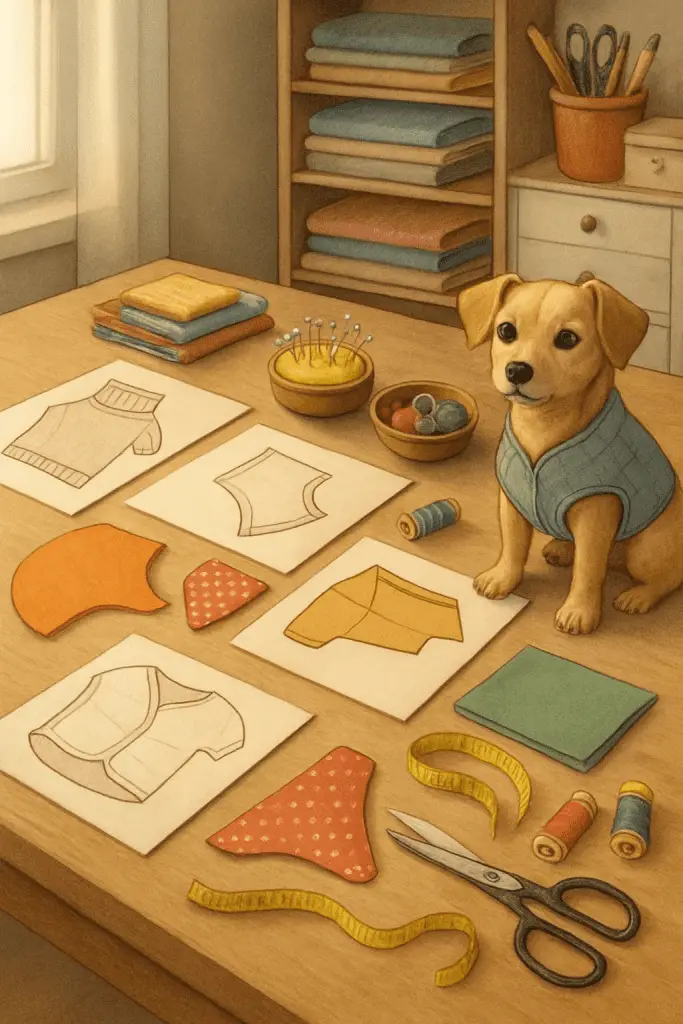
These patterns offer simple ways to practice sewing skills while making something useful. From warm fleece sweaters to lightweight bandanas, each project encourages personal touches and customization. The result is clothing that feels right for the dog and satisfying for the maker.
1) Simple Dog Coat Pattern
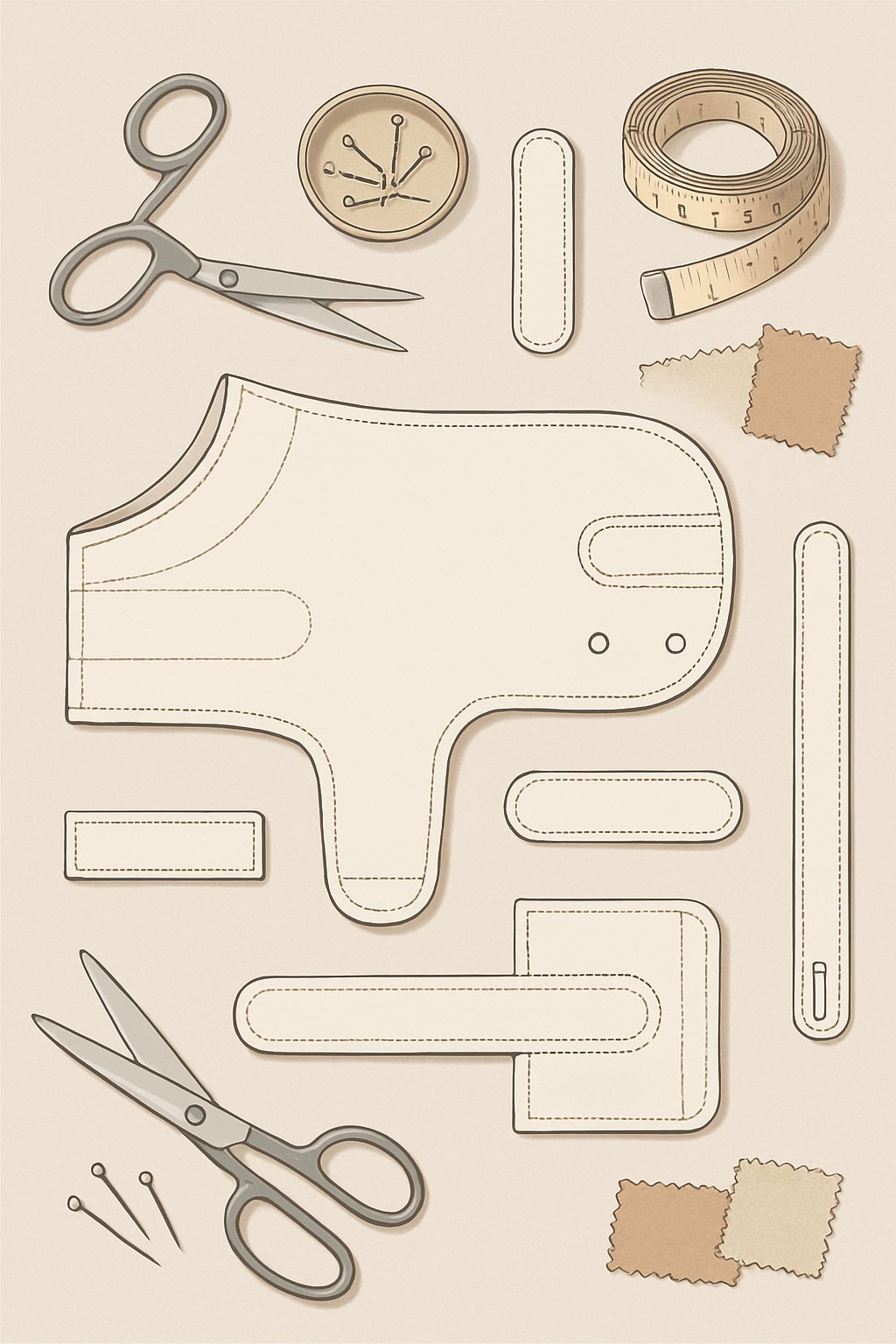
A simple dog coat pattern helps beginners sew a basic yet comfortable jacket for their pets. It usually includes a main body piece and straps that fasten under the chest or belly.
Many free patterns use fleece or cotton because these fabrics are easy to cut and sew. Makers can adjust the size by measuring the dog’s length and chest before cutting the fabric.
This pattern keeps the design plain but practical. It protects the dog from cool or rainy weather while allowing easy movement during walks or play.
2) Adjustable Dog Bandana Template
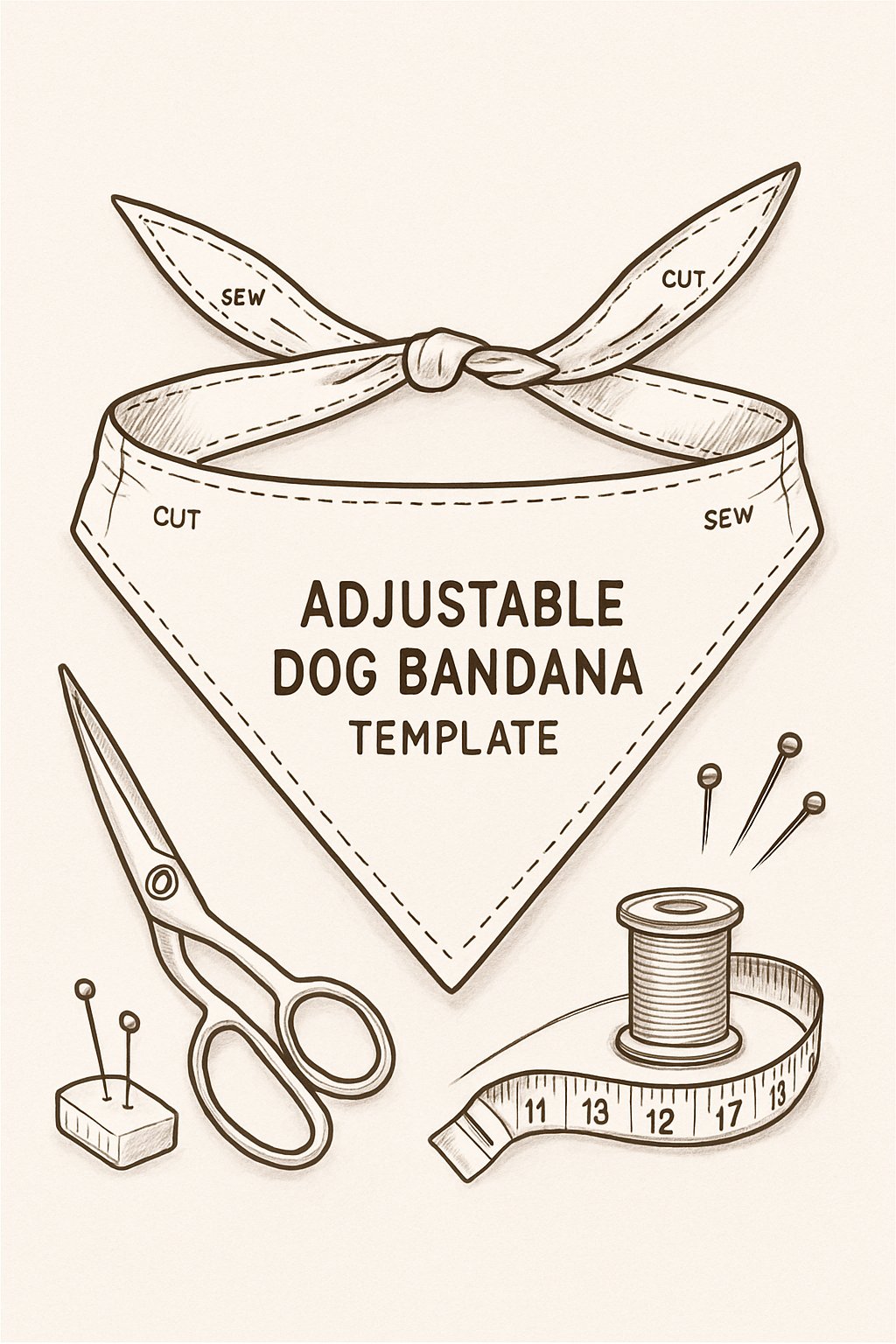
An adjustable dog bandana provides a comfortable fit for dogs of different sizes. It usually features a simple tie-on or collar-slide design. This flexibility makes it easy to put on and remove.
Many free templates include sizing guides for XS to XL dogs. Makers can adjust the length and width before cutting the fabric. A sturdy cotton or polyester blend works best for long-lasting use.
Sewers can customize the bandana with patterned fabric or reversible sides. This small detail adds variety without complicating the project.
3) Fleece Dog Sweater Design
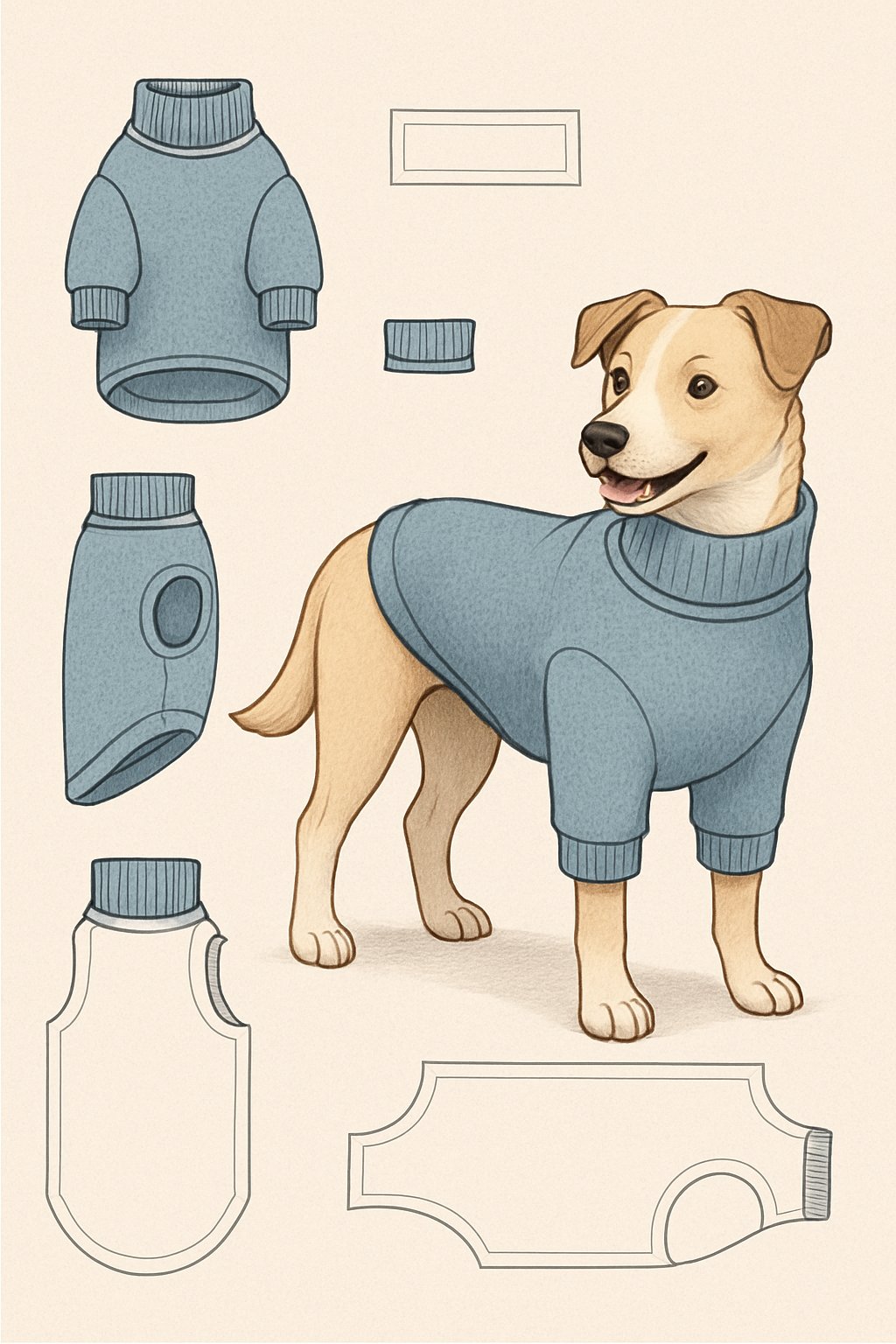
A fleece dog sweater offers warmth without being too heavy. It works well for short-haired dogs or colder weather walks.
Crafters can use a simple free pattern that fits most small and medium dogs. Many tutorials show step-by-step instructions that require only fleece, thread, scissors, and a basic sewing machine.
Upcycled fleece from old sweaters or blankets also makes a good choice. The fabric stretches, resists moisture, and keeps its shape after washing. Users can personalize it with patterned fleece or add a small collar for extra comfort.
4) Raincoat Sewing Pattern for Dogs
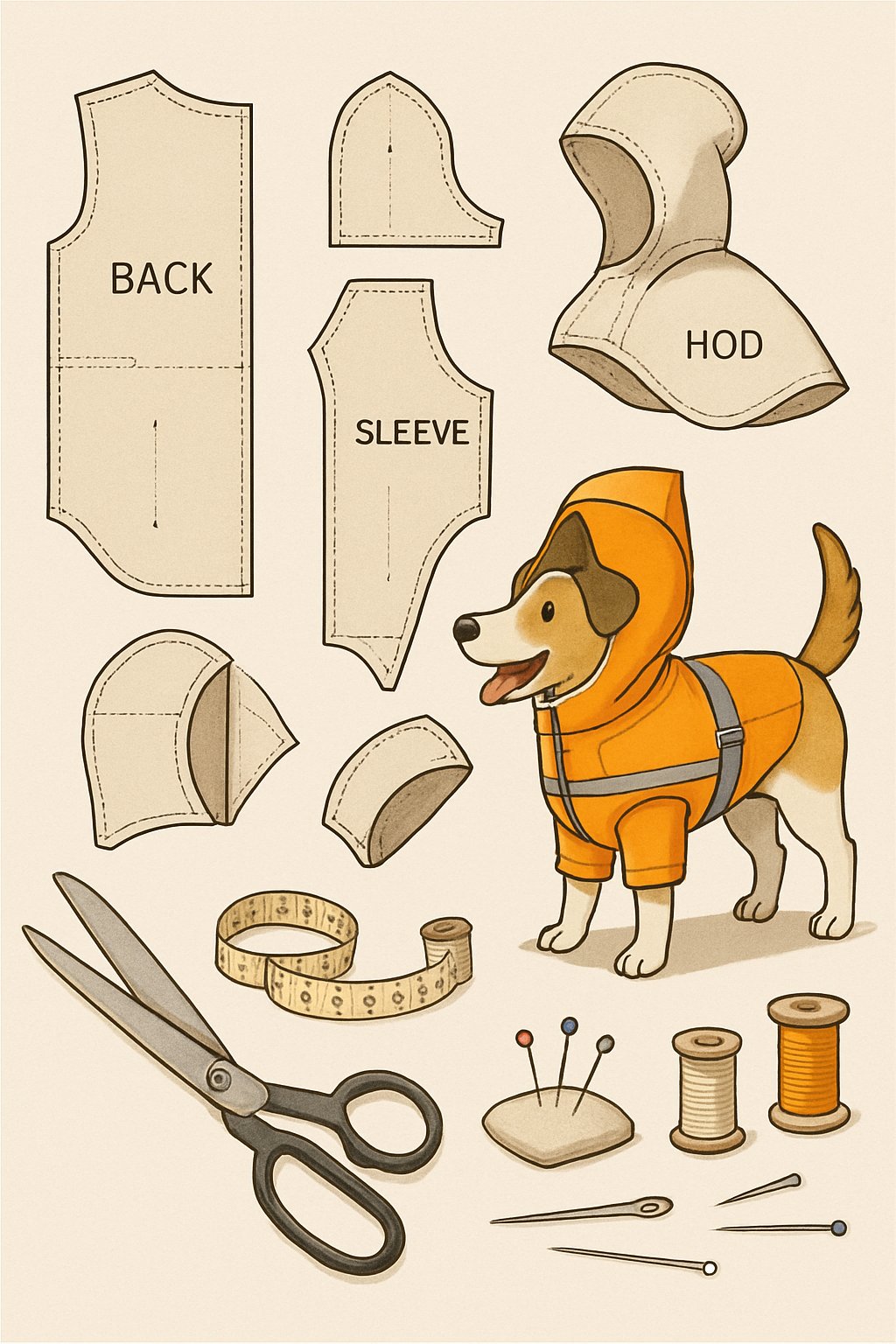
A dog raincoat keeps pets dry during wet walks and helps protect their coat from dirt. Many free patterns include step-by-step guides and adjustable designs for different dog sizes.
Most projects use lightweight, waterproof materials such as nylon or laminated cotton. Makers can add a hood, Velcro straps, or reflective tape for safety.
These patterns suit beginners because they require simple stitching and basic tools. By following clear instructions, anyone can create a custom-fit raincoat that offers comfort, function, and a clean finish.
5) Basic Dog Shirt Pattern
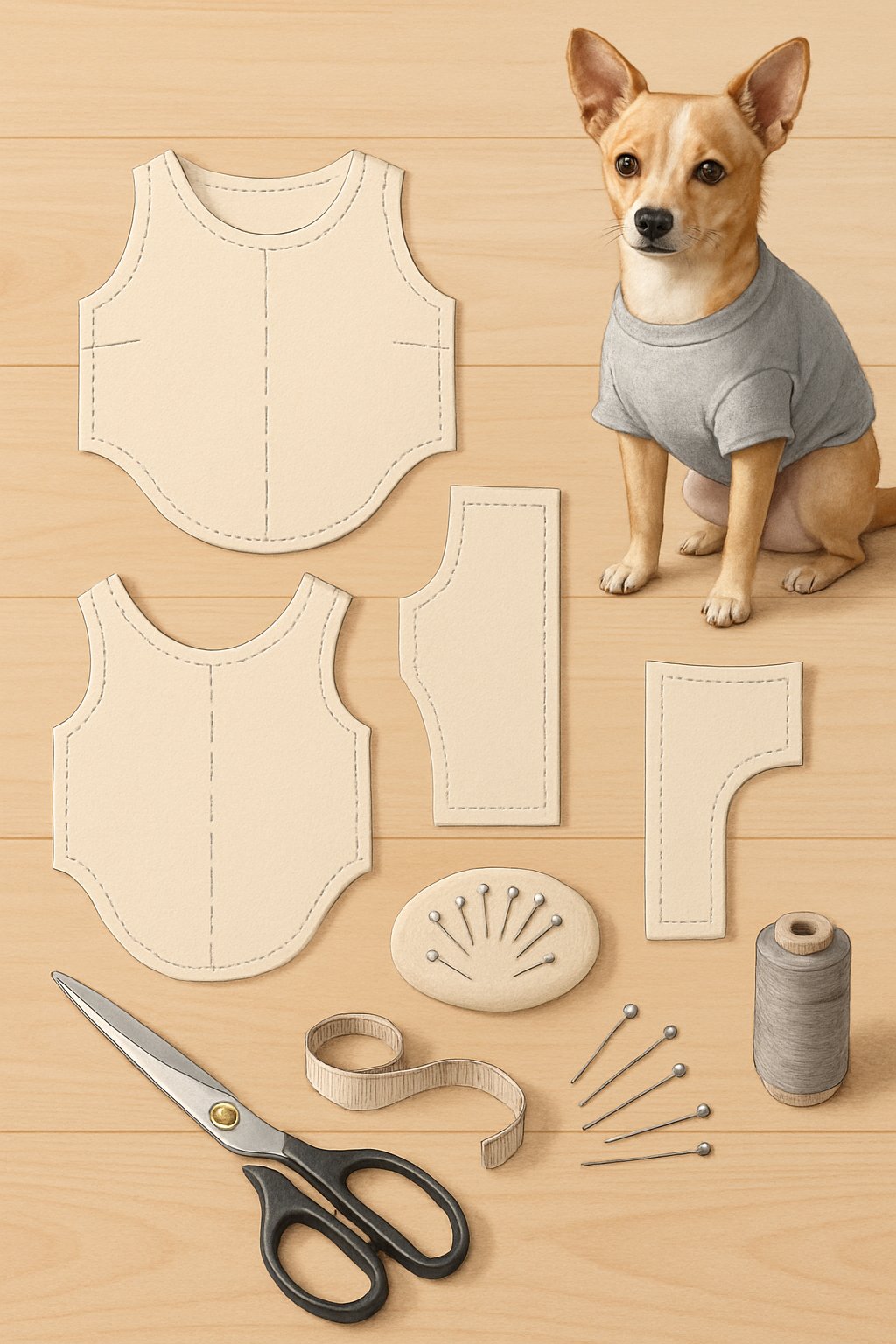
A basic dog shirt pattern offers a simple way to sew a comfortable top for small or medium dogs. It usually includes pieces for the front, back, and sleeves.
Sewers can use cotton or jersey fabric for an easy-to-wash garment. The pattern often comes in several sizes, so measuring the dog’s chest and length ensures a better fit.
Most designs use hook-and-loop closures or stretchy fabric to make dressing the dog easier. Beginners can start with a printable template and adjust it for style or comfort.
6) Padded Winter Dog Jacket Template
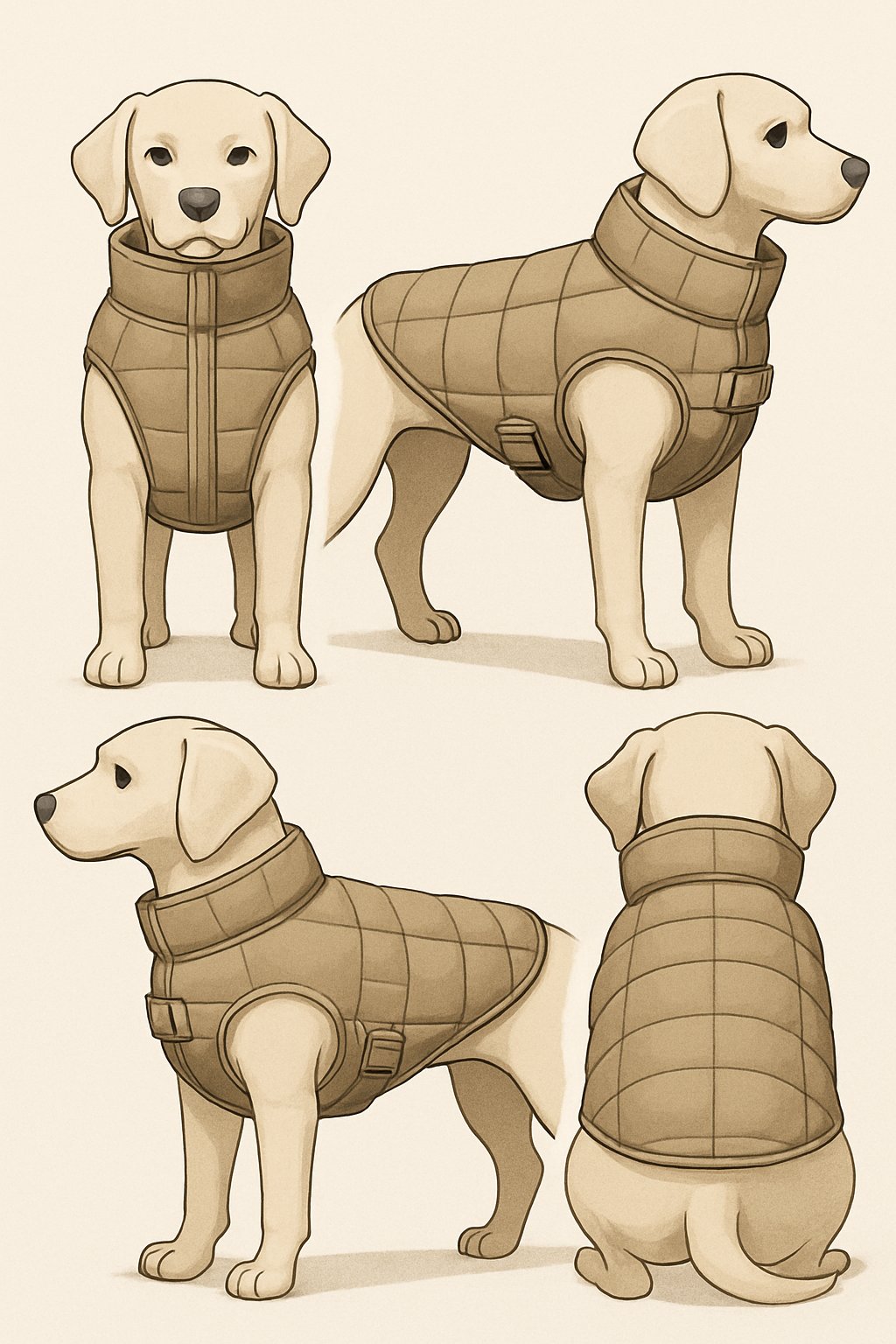
A padded winter dog jacket keeps pets warm during cold walks. It uses layers of fleece or quilted fabric to hold warmth while remaining comfortable.
This template usually includes panels for the body, chest, and straps that adjust for fit. Many designs feature Velcro or snap closures for easy wear.
Sewers can add lightweight padding or batting between the fabric layers for insulation. The pattern works well for small to large breeds and can be resized by adjusting the template measurements.
7) No-sew Dog Hoodie Pattern
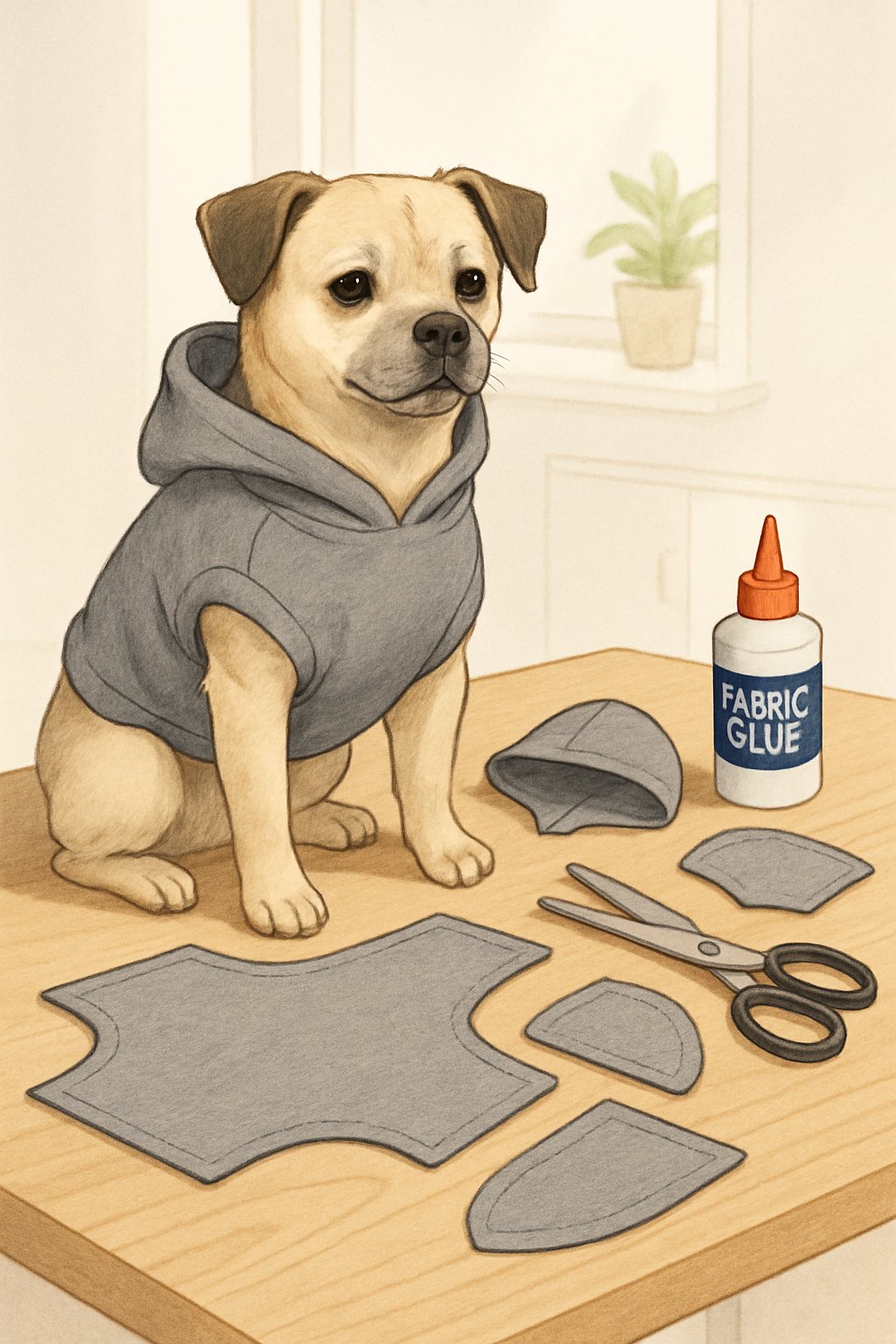
A no-sew dog hoodie offers a quick way to keep a pet warm without using a sewing machine. It uses materials most people already have at home, like an old hoodie or fleece blanket.
To make one, they can cut the sleeve or body of a sweatshirt to fit the dog’s size. Then they trim openings for the legs and adjust the edges for comfort.
This option works well for small or medium dogs and can be finished in minutes. It saves time while giving the dog a soft, cozy layer.
Choosing the Right Materials for Dog Sewing Projects
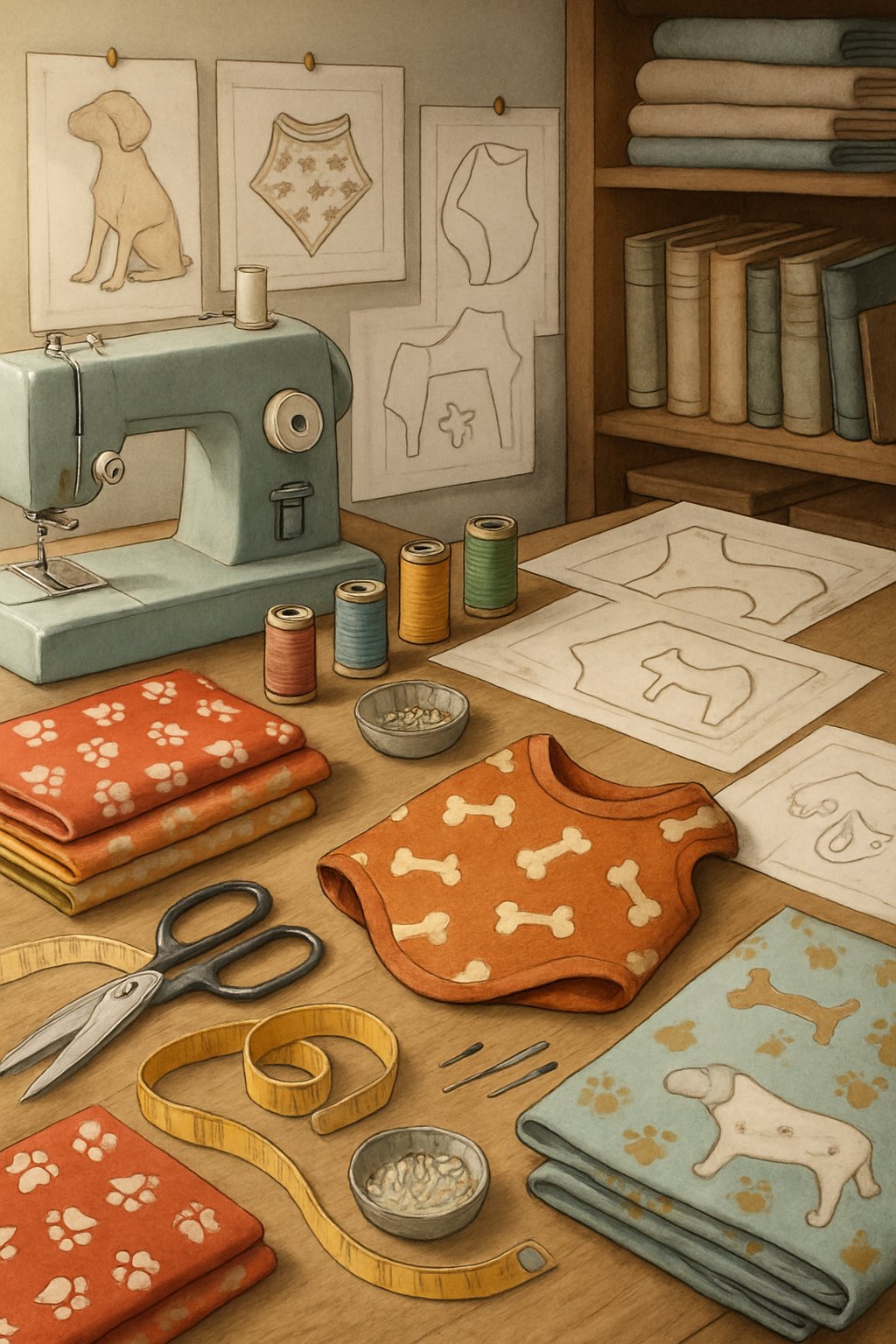
Selecting quality materials ensures dog clothing and accessories feel comfortable, last through wear, and stay easy to clean. The right fabric and tools also make sewing safer, simpler, and more efficient.
Fabric Types Suitable for Dogs
When sewing for dogs, comfort and durability matter most. Cotton and cotton blends work well for everyday wear because they are breathable, soft, and easy to wash. Fleece adds warmth, making it great for cooler weather dog coats or beds. For rainwear, nylon or water-resistant polyester repels water and dries quickly.
Avoid itchy, heavy, or overly stretchy fabrics that can irritate skin or restrict movement. Pre-washing fabric before cutting removes chemicals and shrinkage risk. Many sewists choose fabrics that match function:
| Function | Recommended Fabric | Notes |
|---|---|---|
| Warmth | Fleece, Flannel | Soft and insulating |
| Everyday wear | Cotton, Cotton-blend | Lightweight and breathable |
| Outdoor use | Nylon, Ripstop | Water-resistant and durable |
| Fancy outfits | Lightweight Denim, Canvas | Holds shape well |
Light to medium-weight fabrics are easiest for beginners to sew. They move through the machine smoothly and resist fraying.
Essential Notions and Tools
Basic tools include fabric scissors, pins or clips, and a measuring tape to ensure a safe fit around the neck and chest. A universal sewing needle (size 80/12) suits most medium-weight fabrics, while thicker materials may need a heavy-duty needle.
Use polyester thread rather than cotton because it resists breakage and handles frequent washing better. Elastic bands and hook-and-loop fasteners are practical for adjustable closures—especially helpful for quickly dressing active dogs.
Other useful items include a seam ripper, marking chalk, and pressing iron to keep seams neat. Keeping these tools ready helps maintain consistency and prevents frustration during longer projects.
Customizing Free Patterns to Fit Your Dog
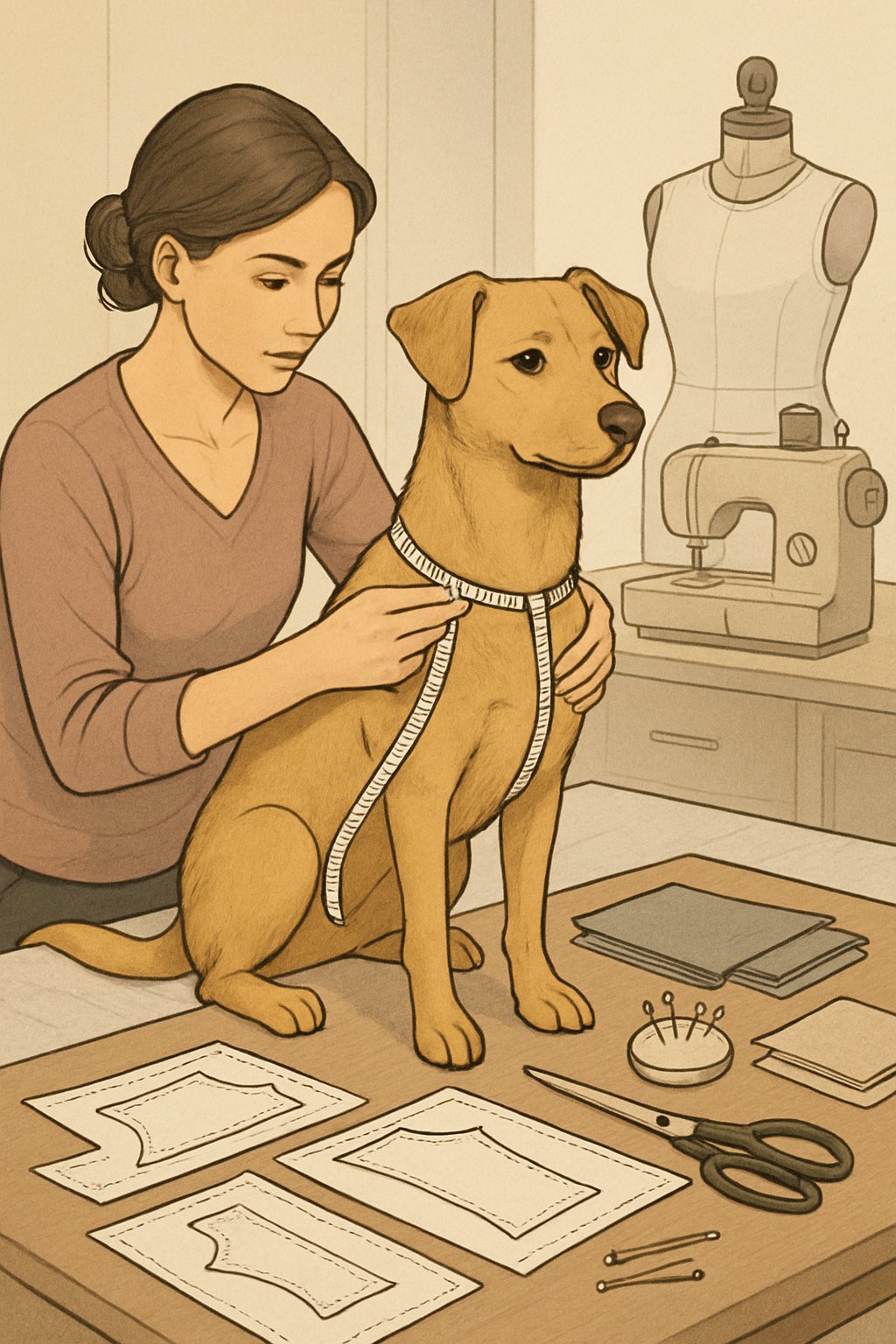
Well-fitted dog clothes depend on taking correct measurements and adjusting free patterns to match body shape and comfort. Small changes in fit, length, or stretch can make a big difference in how well the garment performs and how happy the dog feels while wearing it.
Measuring Your Dog Accurately
To get a proper fit, measure the dog while it is standing naturally. Use a soft measuring tape and keep it snug but not tight. The most common measurements include neck circumference, chest girth, back length, and sometimes leg length or waist width for certain designs.
A simple table can help organize the numbers:
| Measurement Area | How to Measure | Notes |
|---|---|---|
| Neck | Around base where collar sits | Leave room for comfort |
| Chest | Widest part behind front legs | Essential for correct fit |
| Back | From collar base to tail start | Measure along the spine |
Check the pattern’s size chart and compare it to the dog’s measurements. If between sizes, choose the larger one and adjust as needed. Accurate data prevents wasted fabric and avoids tight or floppy results.
Adjusting Patterns for Unique Needs
Dogs vary greatly by breed, coat type, and mobility. Patterns may need edits for dogs with broad chests, short backs, or slender frames. Adjust the template by tracing it onto paper, marking where the garment pinches or sags, then redrawing seam lines.
For elderly or active dogs, consider ease of movement. Add small slits, elastic panels, or Velcro openings to make dressing easier. Short-haired or hairless breeds may need a lined interior for warmth, while long-haired dogs often benefit from light fabric that avoids matting.
Simple pattern adjustments encourage better comfort and durability, ensuring the finished item fits each dog’s body shape instead of forcing them into a standard design.