Malassezia In Dogs: Symptoms, Causes, And Treatment

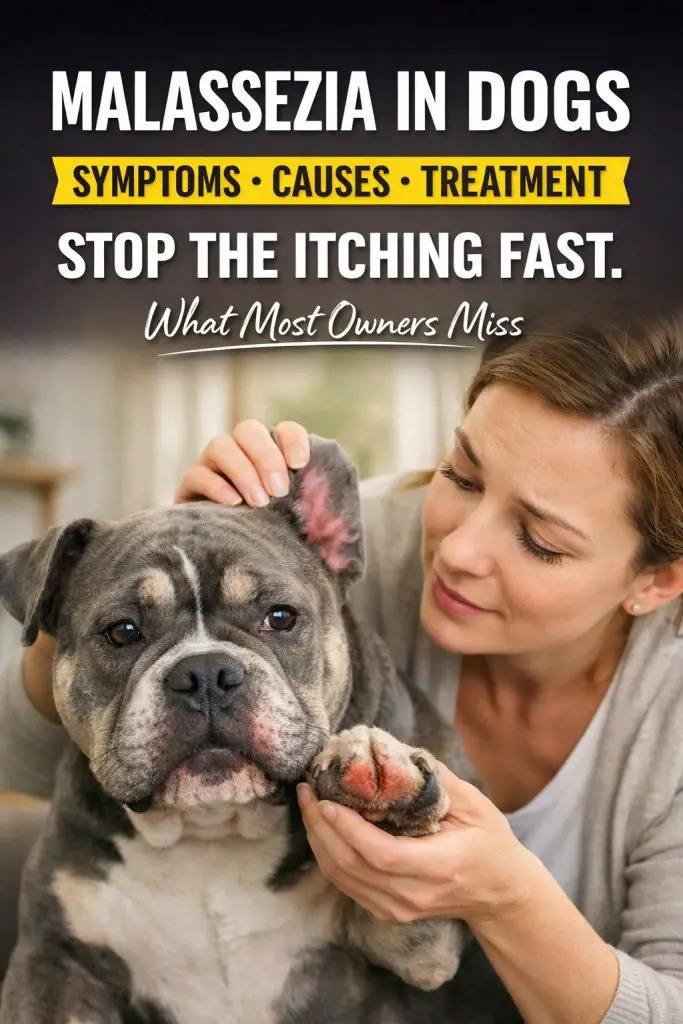
When Your Dog Just Won’t Stop Scratching.
If your dog has been scratching constantly, licking their paws nonstop, or developing that strange “yeasty” smell, you’re definitely not alone. Many pet parents feel frustrated and worried when skin problems don’t go away with basic baths or allergy treatments. It can feel overwhelming — especially when your dog looks uncomfortable and nothing seems to help long-term.
I think one of the hardest parts is not knowing what’s actually causing the issue. I feel like many owners assume it’s just allergies or dry skin, but in my experience, recurring itchiness often points to something deeper — like a yeast overgrowth called Malassezia. And the confusing part? The symptoms can look very similar to other skin problems.
The good news is that once you understand what Malassezia is and how to manage it, things usually become much easier. In this guide, I’ll walk you through the symptoms, causes, and treatment options in a clear, beginner-friendly way so you can help your dog feel comfortable again.
What Is Malassezia In Dogs?
Malassezia is a type of yeast that naturally lives on your dog’s skin, but when it grows out of control, it can cause irritation, infections, odor, and itching.
Here’s what you should know right away:
- It’s very common, especially in breeds with skin folds or allergies
- Symptoms usually include itching, redness, greasy skin, and odor
- It often develops due to underlying allergies or immune issues
- Treatment typically involves medicated shampoos, topical creams, or oral medication
- Ear infections are also common with Malassezia
- It’s usually manageable once the root cause is addressed
Immediate safe actions:
- Keep your dog’s skin clean and dry
- Avoid over-the-counter human creams unless your vet approves
- Schedule a vet visit if symptoms last more than a few days
- Monitor for worsening redness, odor, or discharge
What Is Malassezia (And Why Does It Affect Dogs)?
Malassezia is a yeast organism that normally lives harmlessly on a dog’s skin. Problems happen when something disrupts the skin’s balance, allowing yeast to multiply too quickly.
Think of it like weeds in a garden — a few are normal, but when conditions are right, they can spread fast.
Dogs with compromised skin barriers, allergies, or moisture buildup are more likely to develop yeast overgrowth.
Common Symptoms Of Malassezia In Dogs
The signs can vary, but there are several classic symptoms pet owners notice.
Skin Symptoms
- Persistent itching or scratching
- Red or inflamed skin
- Greasy or oily coat
- Darkened skin (hyperpigmentation)
- Thickened skin over time
- Hair loss in affected areas
Odor Clue (Very Common)
Many owners describe a musty, cheesy, or corn chip-like smell. This odor is often one of the strongest indicators of yeast overgrowth.
Common Body Areas Affected
Malassezia loves warm, moist environments, including:
- Ears
- Paws and between toes
- Armpits
- Skin folds
- Belly and groin
- Neck
If your dog keeps licking paws or shaking their head, yeast could be involved.
Why Malassezia Happens: Causes And Risk Factors
Malassezia overgrowth rarely happens without a reason. Usually, something else triggers it.
Most Common Causes
1. Allergies (Top Cause)
Food allergies or environmental allergies weaken the skin barrier, allowing yeast to grow.
2. Moisture And Skin Folds
Breeds with wrinkles or thick coats trap moisture, creating a perfect environment.
3. Weak Immune System
Underlying health issues may make dogs more vulnerable.
4. Hormonal Imbalances
Conditions like hypothyroidism can increase risk.
5. Antibiotic Use
Antibiotics sometimes disrupt normal skin balance.
Breeds More Prone To Malassezia
Some dogs are simply more likely to develop yeast issues.
Common examples include:
- Bulldogs
- French Bulldogs
- American Bullies
- Basset Hounds
- Cocker Spaniels
- West Highland White Terriers
- Shih Tzus
- Retrievers
Dogs with floppy ears or skin folds are especially prone.
When Should You See A Vet?
You should contact your vet if:
- Symptoms last more than 3–5 days
- There is strong odor or discharge
- Your dog seems uncomfortable or in pain
- Skin becomes dark or thick
- Ear infections appear repeatedly
- Home care isn’t helping
Important: Chronic yeast often means an underlying issue that needs treatment.
How Malassezia Is Diagnosed
Veterinarians typically diagnose Malassezia using simple tests.
These may include:
- Skin swabs
- Tape impressions
- Ear cytology (microscope exam)
The process is usually quick and painless.
Treatment Options For Malassezia In Dogs
Treatment depends on severity and underlying causes.
1. Medicated Shampoos
These are often the first step.
Common ingredients include:
- Ketoconazole
- Chlorhexidine
- Miconazole
Bathing frequency may start at 2–3 times per week.
2. Topical Treatments
For localized areas:
- Creams
- Sprays
- Wipes
- Ear drops
3. Oral Medications
For severe or chronic infections, vets may prescribe antifungal medication.
4. Treating The Root Cause
This is the most important step for long-term success.
Examples:
- Allergy management
- Diet changes
- Hormone treatment
- Immune support
Without addressing the root cause, infections often return.
Step-By-Step: Helping Your Dog At Home
If your vet confirms yeast, here’s how you can support recovery.
- Use prescribed medicated shampoo consistently
- Dry skin folds and paws thoroughly after bathing
- Clean ears as directed by your vet
- Avoid excessive moisture exposure
- Follow medication schedules carefully
- Monitor for improvement or relapse
Consistency matters more than anything.
Can Diet Affect Malassezia?
Yes — diet sometimes plays a role.
Some dogs with yeast issues benefit from:
- Limited ingredient diets
- Hypoallergenic foods
- Omega-3 fatty acids
- High-quality protein sources
However, diet alone rarely cures yeast infections without other treatment.
Natural Support Options (With Vet Approval)
Some owners explore supportive approaches.
These may include:
- Probiotics
- Omega-3 supplements
- Anti-yeast wipes
- Gentle skin barrier support products
Always discuss with your vet before starting new treatments.
Simple Prevention Tips
Preventing recurrence is often possible with good habits.
Helpful strategies:
- Keep skin folds clean and dry
- Regular grooming
- Manage allergies early
- Maintain healthy weight
- Monitor ears weekly
- Use vet-recommended skincare products
Prevention becomes easier once you know your dog’s triggers.
Malassezia Care Checklist For Dog Owners
Use this quick checklist to stay on track:
✔ Check for odor, redness, or itching
✔ Inspect ears and paws weekly
✔ Keep folds dry after baths or swimming
✔ Follow vet treatment plans fully
✔ Address allergies early
✔ Monitor diet reactions
✔ Schedule follow-ups if symptoms return
Saving this checklist can help you catch problems early.
Final Thoughts: You’re Not Alone — And It’s Manageable
Skin problems can feel frustrating, especially when they keep coming back. But Malassezia infections are very common, and with the right approach, most dogs improve significantly.
The key thing to remember is this: yeast overgrowth is usually a symptom, not the root problem. Once you identify and manage the underlying cause, things often get much easier.
If your dog is dealing with itching or recurring skin issues right now, take a breath — you’re doing the right thing by learning more. With patience, consistency, and veterinary guidance, your dog can absolutely get back to feeling comfortable and happy again.
And honestly, seeing your dog finally relax without scratching? That’s one of the best feelings as a pet parent.