Amigurumi Crochet Cat Lily Pattern: 5 Essential Variations

Amigurumi Crochet Cat Lily Pattern guides crafters through making a small, cute cat using simple crochet methods. The article explains what the pattern is, why it works well for many skill levels, and how it fits into modern amigurumi projects.
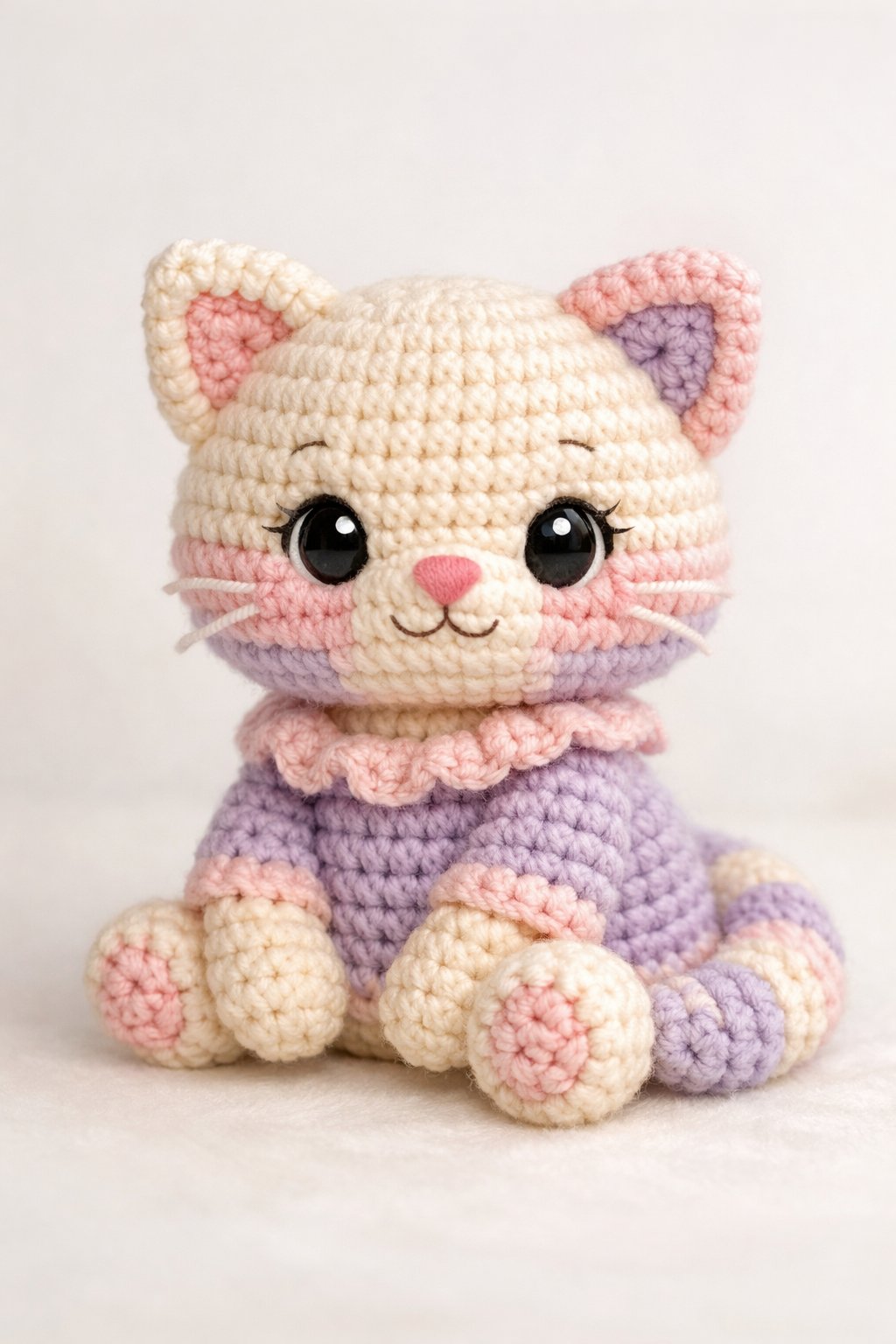
It shows how the pattern helps create a clear shape, clean details, and a finished cat that looks neat and balanced. The article also points toward materials, yarn choices, eye details, assembly tips, and ways to adjust the design so the cat matches different styles and sizes.
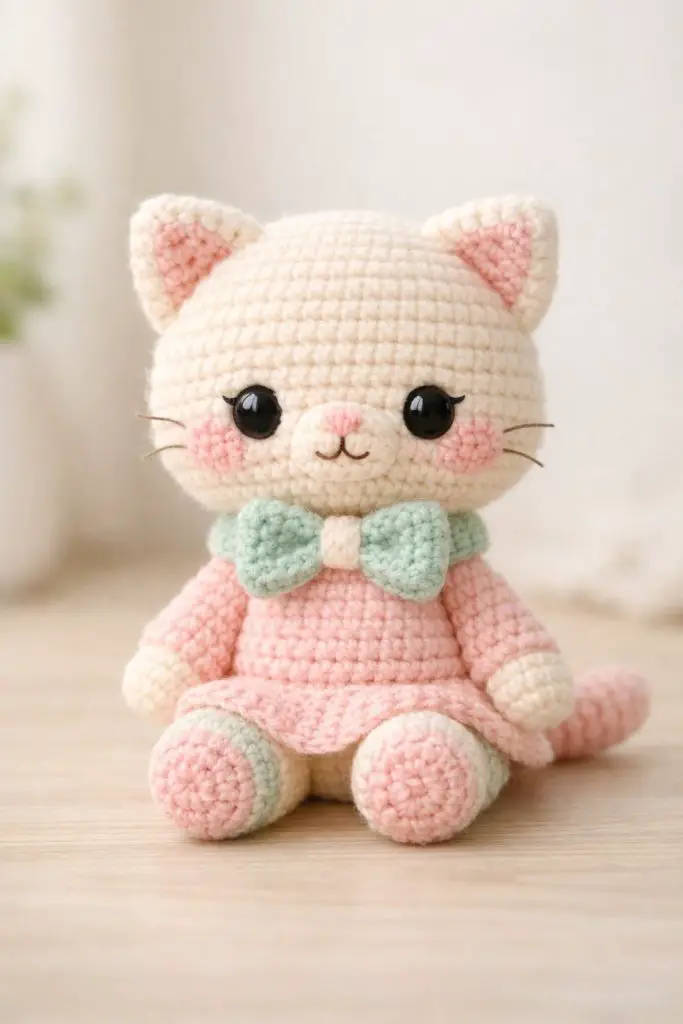
1) Materials Needed for Lily the Cat Amigurumi
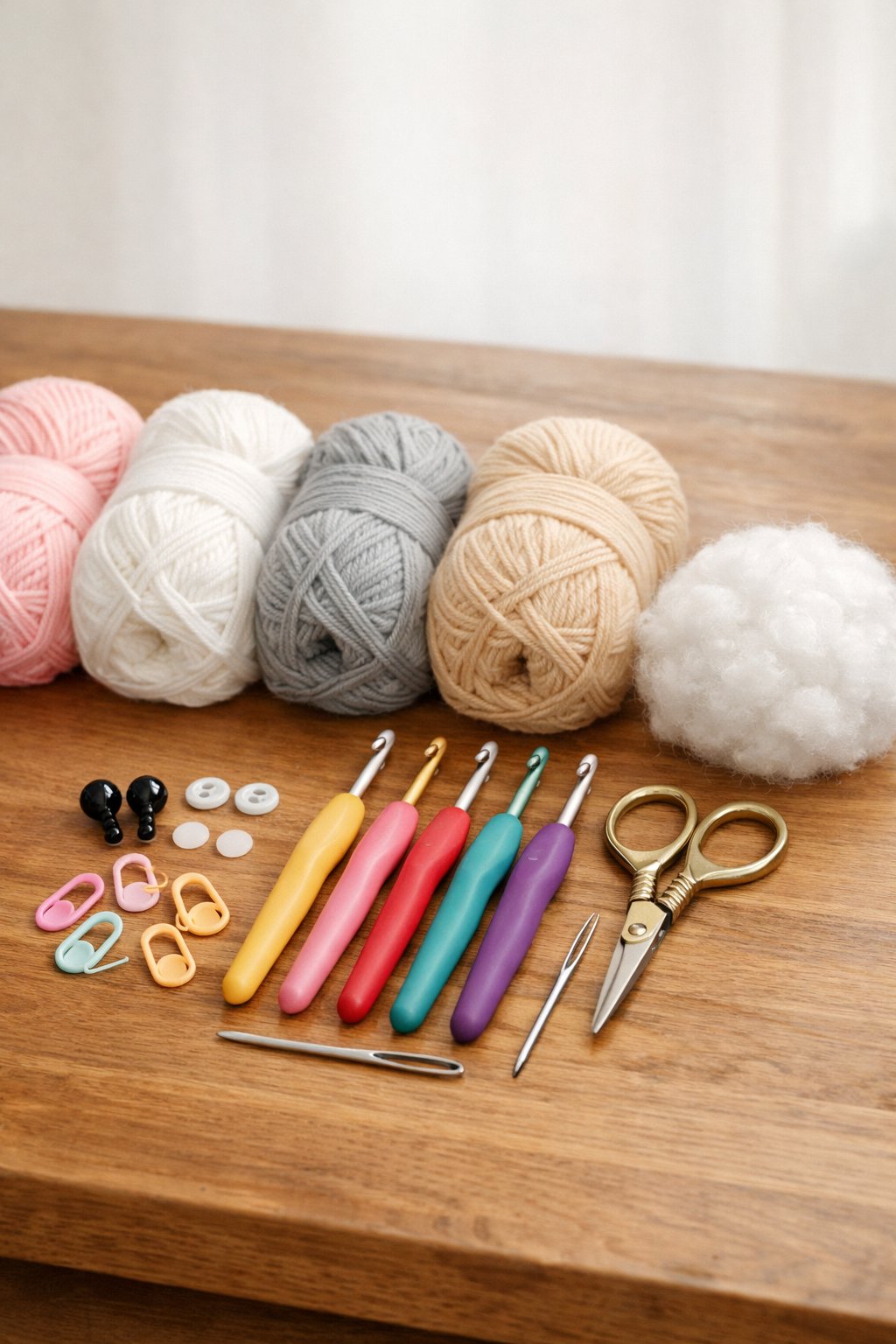
They use yarn based on size choice. Sport weight cotton works for a small cat, while super bulky chenille makes a larger plush version.
They select a matching crochet hook. A 2.5 mm hook suits lighter yarn, and a 5 mm hook fits bulky yarn.
They also need fiberfill stuffing, plastic safety eyes, a yarn needle, scissors, and a stitch marker.
2) Step-by-Step Crochet Instructions
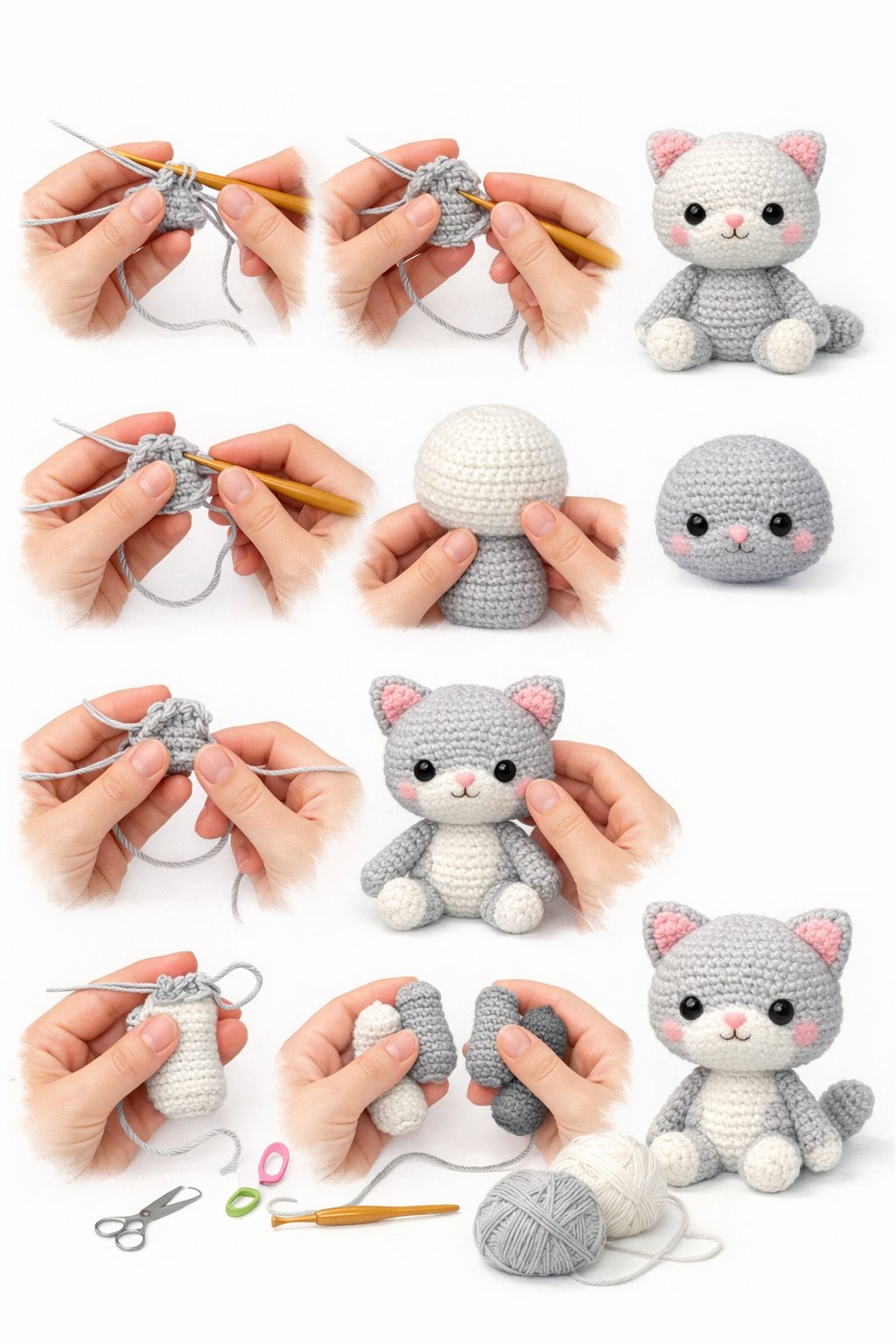
They begin with a magic ring and work in continuous rounds to form the head and body as one piece. The pattern uses single crochet, increases, and decreases to shape the cat.
They stuff the piece as it grows to keep a firm shape. They crochet the ears separately and sew them on with small, tight stitches.
They finish by adding simple eyes and light facial details. The cat stays small, making it ideal for a keychain or gift.
3) Choosing the Right Yarn and Hook Size
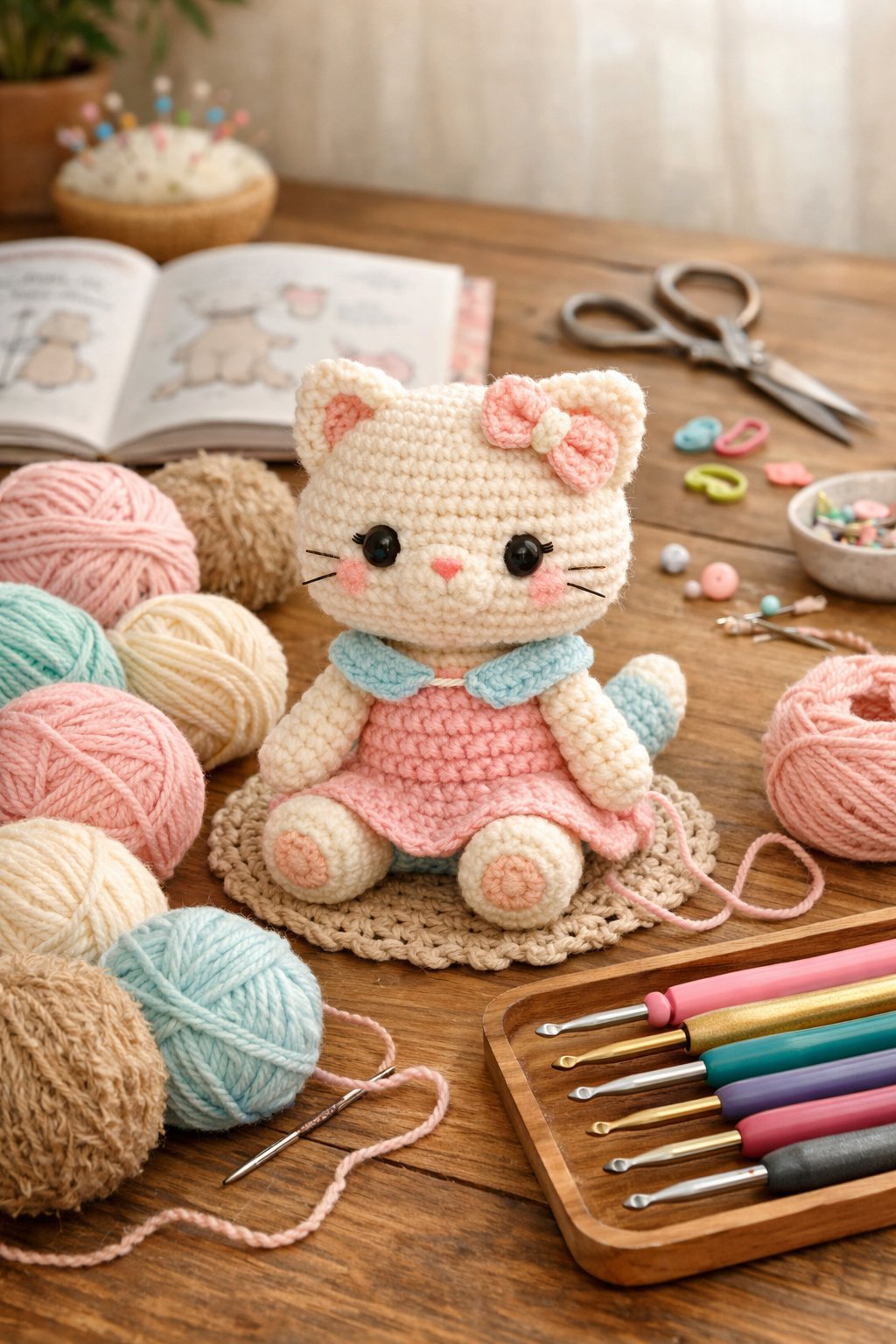
They choose yarn based on size and texture. Cotton yarn gives clear stitches and firm shape.
A small Lily cat often uses sport weight cotton with a 2.5 mm hook for tight stitches. This makes a cat about 5 to 6 cm tall.
Plush chenille yarn needs a larger hook, around 5 mm, for a soft, bigger cat. They pick a hook smaller than the yarn label to avoid gaps.
4) Techniques for Creating the Cat’s Eyes
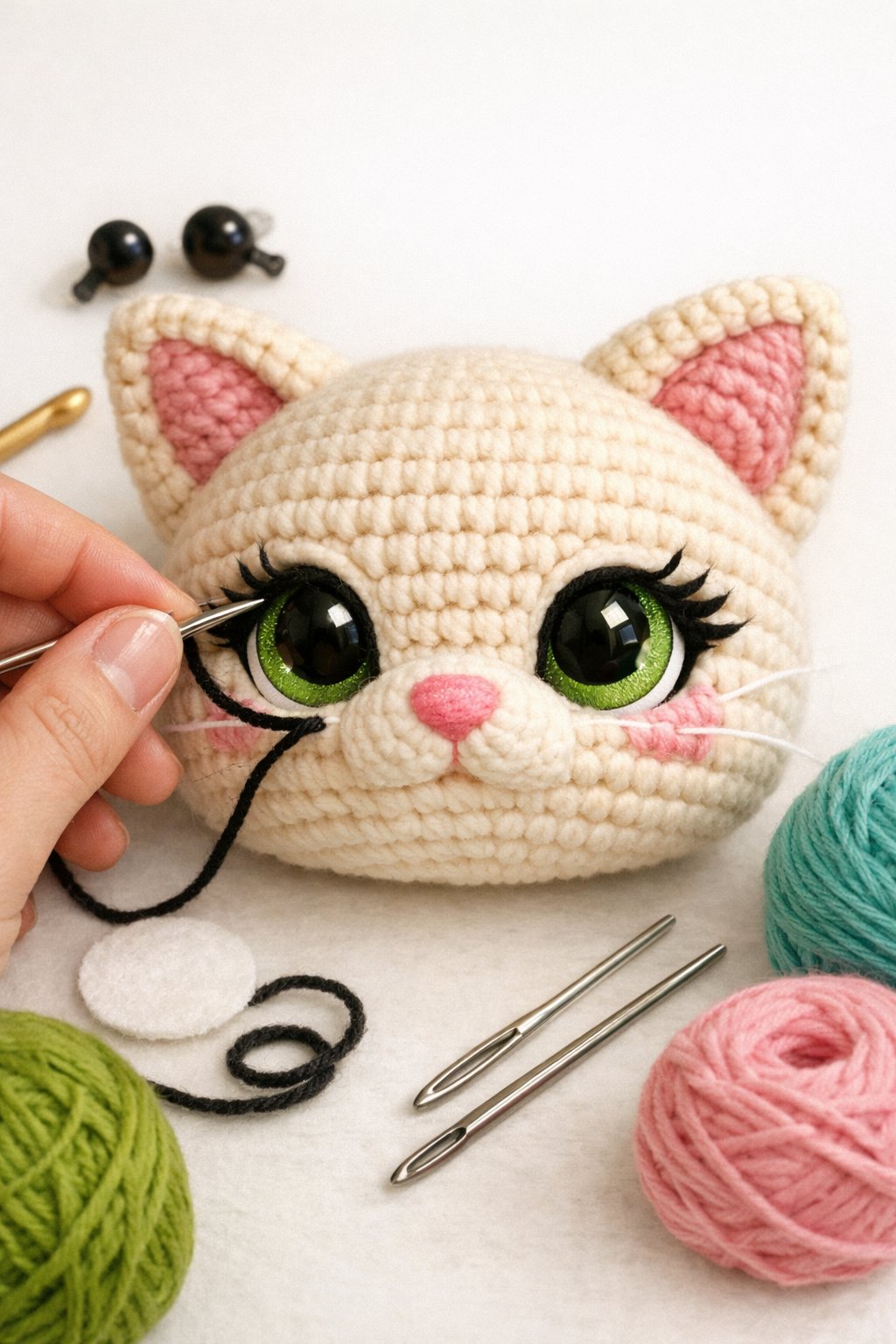
They often use safety eyes for a clean look. The maker places them before closing the head to lock them in place.
For a softer style, they embroider eyes with black yarn. Small stitches shape calm or playful expressions.
Some patterns allow crocheted eyes. This method avoids hard parts and works well for plush yarn.
5) Tips for Assembling and Stuffing the Amigurumi
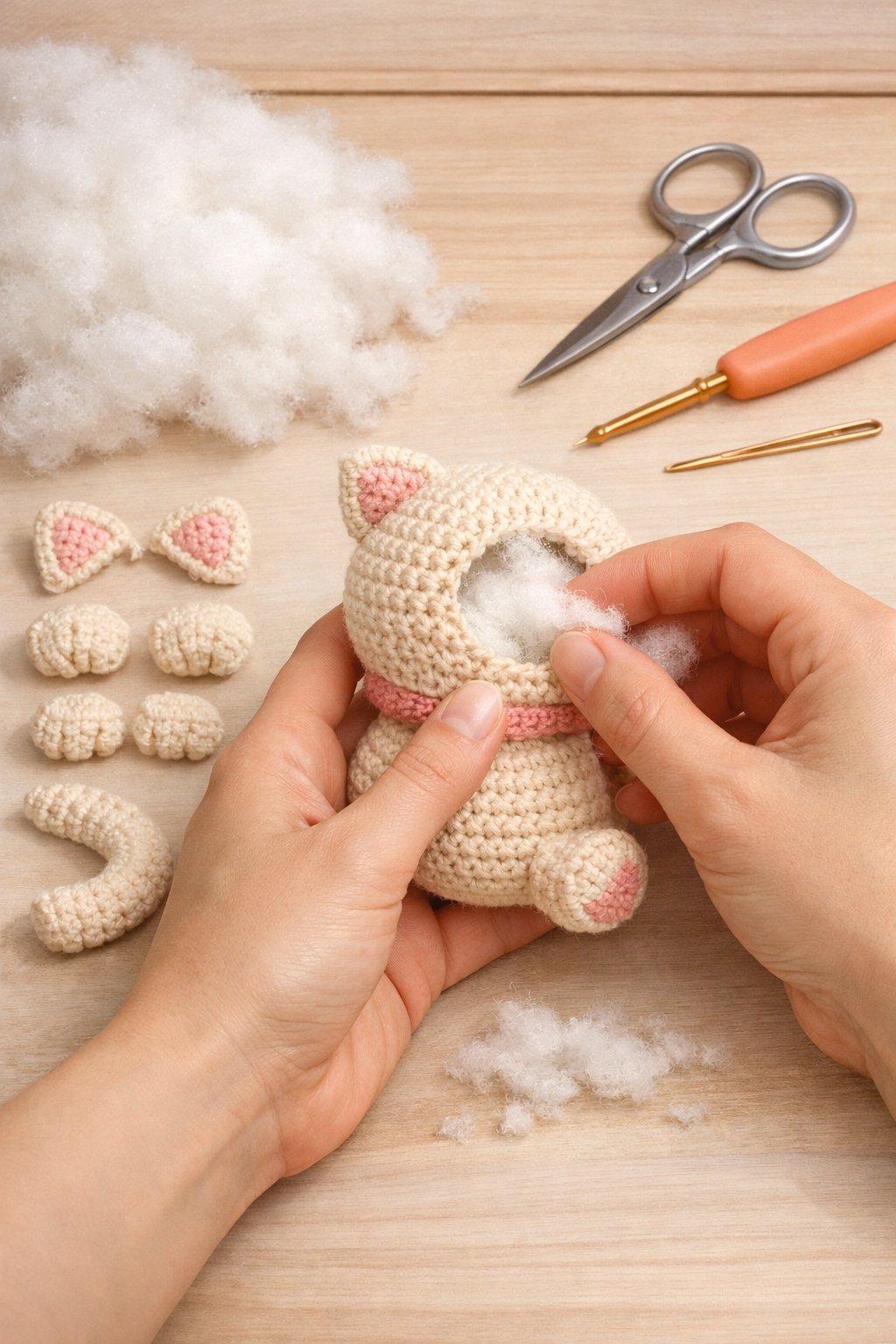
They stuff Lily with small pieces of fiberfill. They add it in layers and shape with fingers to avoid lumps.
They stuff parts as they crochet and stop before closing. This keeps edges firm without stretching stitches.
They pin limbs in place before sewing. They use tight, even stitches and check balance as they go.
Essential Materials and Yarn Recommendations
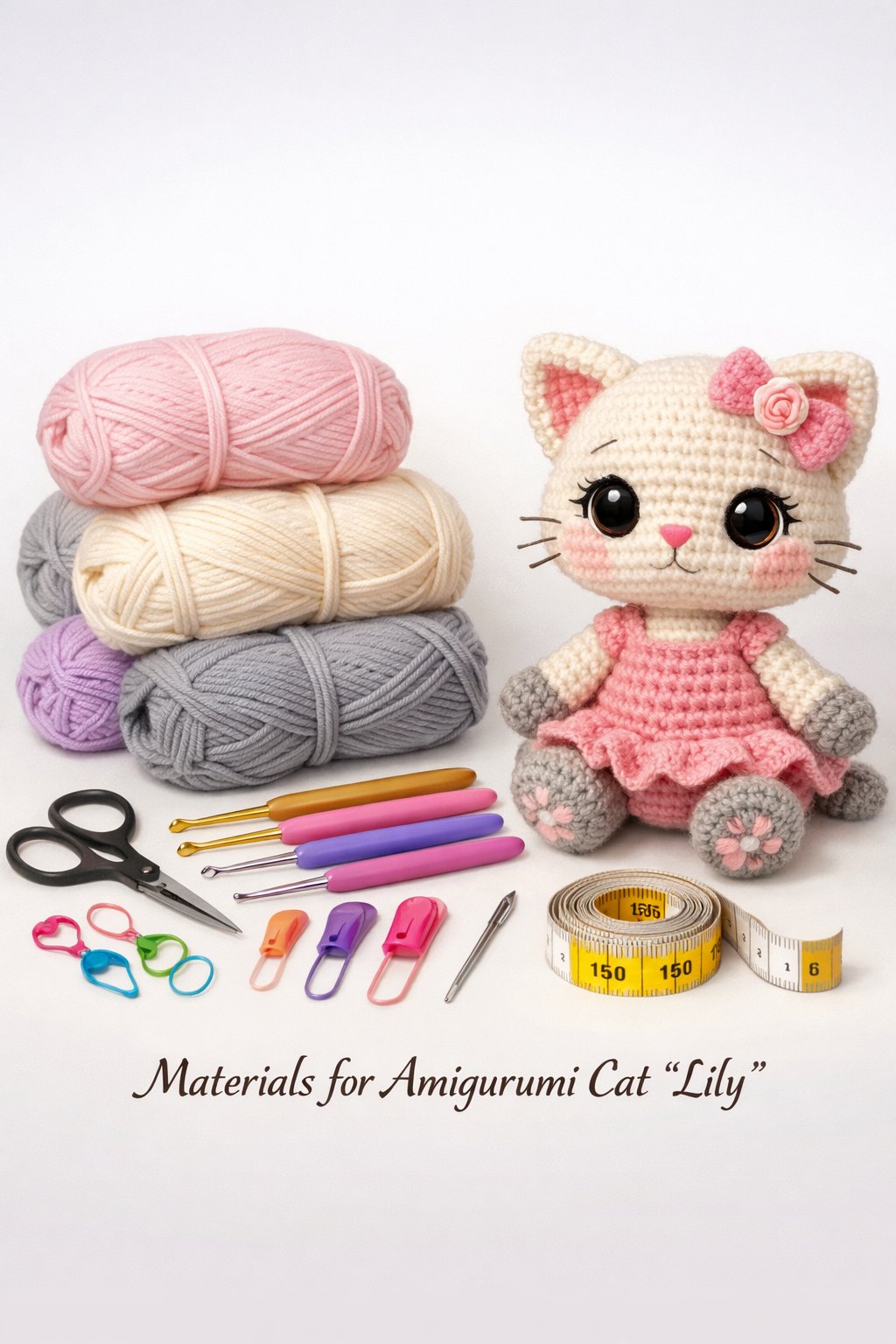
The Lily amigurumi pattern works best with a small set of basic tools and the right yarn choice. Hook size, stitch control, and yarn texture shape the final size, firmness, and look of the cat.
Suggested Crochet Hooks and Tools
Crocheters usually use small hooks to keep stitches tight and even. Tight stitches stop the stuffing from showing and help the cat hold its shape.
Common hook sizes
- 2.0–2.5 mm for sport or light cotton yarn
- 4.5–5.0 mm for bulky or chenille plush yarn
A few simple tools make the work easier and cleaner:
- Stitch markers to track rounds
- Yarn needle for sewing parts and weaving ends
- Sharp scissors for clean cuts
- Polyester fiberfill for smooth, firm stuffing
Safety eyes, often 8–10 mm, suit most small to medium cats. Crocheters should embroider eyes instead when making toys for young children.
Best Yarn Types for Amigurumi Cats
Yarn choice affects size, texture, and ease of use. The Lily pattern supports different yarns without changes to the steps.
Popular yarn options
- Sport or light cotton yarn creates a small, firm cat with clear stitch detail. It works well for keychains or display pieces.
- Worsted cotton or acrylic gives a medium-size cat with good shape and control.
- Chenille or plush polyester yarn makes a larger, soft cat with a smooth feel. It hides stitches but needs careful counting.
Cotton holds shape well and resists stretching. Plush yarn feels soft and cuddly but needs a larger hook and steady tension. Solid colors show the simple cat shape best and keep the design clean.
Customizing the Lily Crochet Cat Pattern
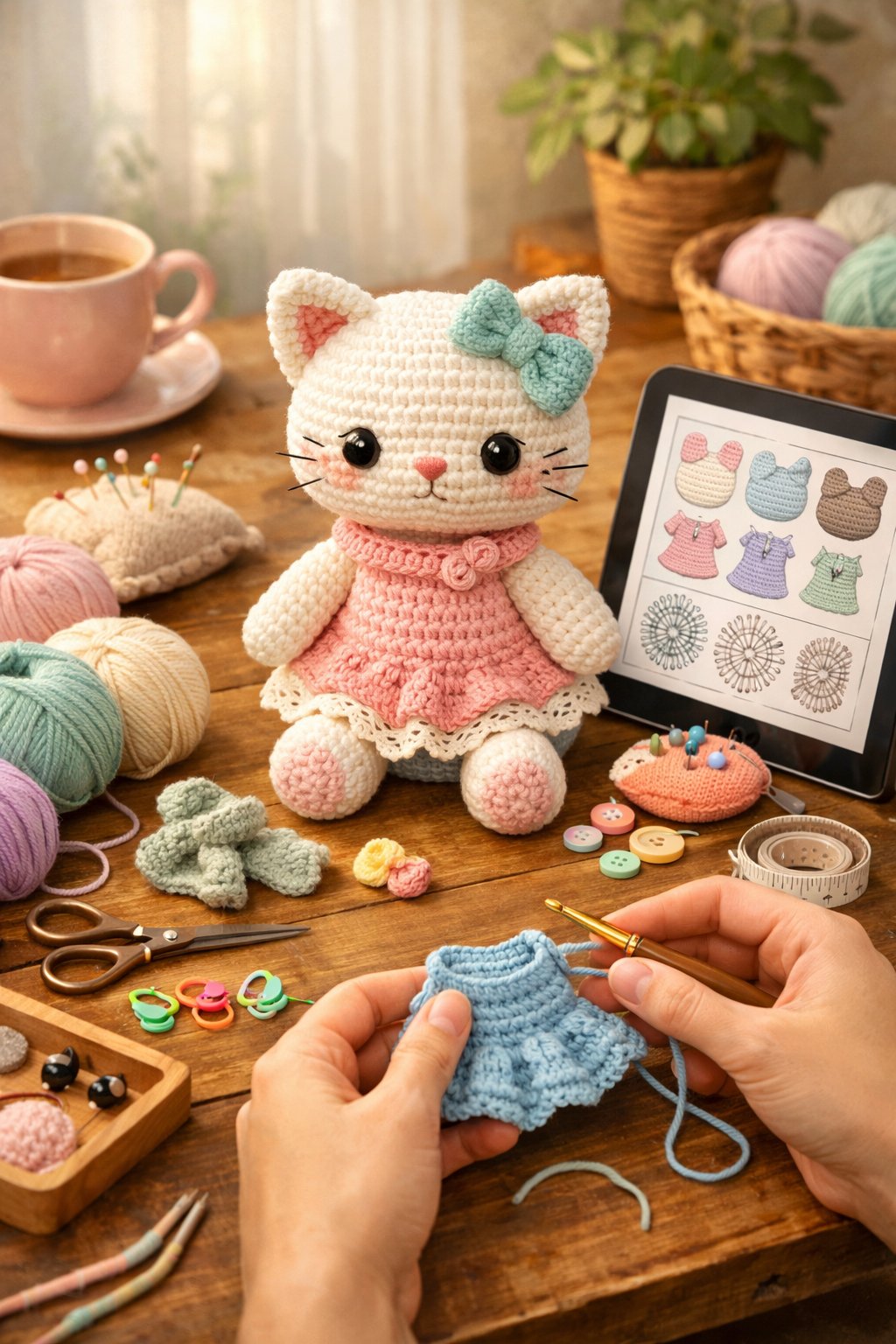
Makers often change the Lily crochet cat to fit a gift, a keychain, or a shelf display. Size choices and color details shape the final look and feel without changing the core pattern.
### Adjusting Size and Proportions
The Lily cat pattern scales well with simple changes. Yarn weight and hook size control most of the final size. Thicker yarn creates a plush toy, while thinner yarn works better for small figures.
Common size options
| Yarn Type | Hook Size | Approx. Height |
|---|---|---|
| Sport cotton | 2–2.5 mm | 6–7 cm |
| Worsted | 3.5–4 mm | 9–10 cm |
| Plush chenille | 5 mm | 12–15 cm |
Stitch count usually stays the same. The fabric grows or shrinks based on yarn choice. To adjust proportions, the maker can add or remove rounds in the body or legs. One extra round adds height without changing the shape.
They should keep stitches tight. Loose stitches can distort the head and make stuffing show through.
### Incorporating Unique Colors and Details
Color changes give Lily a strong personality. Solid colors suit simple gifts, while two-tone designs add contrast. Many makers use a lighter shade for the muzzle and paws.
Small details make a clear difference:
- Eyes: safety eyes, embroidery, or French knots
- Nose: pink, black, or stitched triangle
- Stripes or spots: added with surface crochet or embroidery
They can also change ear color for a calico or tabby look. Using leftover yarn works well for these accents. Each detail should stay simple to keep the clean amigurumi style intact.